
Say something to your dog and you’ll often get the same reply: a quick swing of the head to one side, ears up, eyes on you. Millions of people have filmed it. Far fewer researchers have studied it.
Scientists have only recently started to fill that gap. A handful of studies, some published in the last couple of years, now offer partial answers, along with a few explanations that haven’t held up.
A Behavior That Went Unstudied for Years

Head tilting is one of the most familiar things dogs do, yet surprisingly little research has looked into why they do it. Before 2021, most explanations lived on internet forums. Popular guesses were that dogs tilt to hear better, to listen for specific words or tones, or to see past their snouts.
One search of that kind even turned up a claim that shelter dogs tilt more often because they sense humans find it irresistible. A researcher who later studied the behavior came across that idea online. It made for a fun theory, though nobody had tested it.
The Hungarian Study That Started It

The first real investigation came from the Family Dog Project at Eötvös Loránd University in Budapest. It was published in the journal Animal Cognition in 2021. The team hadn’t set out to study head tilts at all.
They were working with rare “gifted word learner” dogs. These border collies can memorize the names of dozens of toys, and the researchers noticed they kept cocking their heads right before fetching the correct one. The pattern was consistent enough that the team followed it up.
What the Gifted Dogs Showed

The contrast in the numbers was large. When asked to retrieve a toy, gifted dogs cocked their heads 43 percent of the time over dozens of trials, compared with just 2 percent in typical dogs. That’s roughly two tilts in every five requests versus about one in fifty.
The setup was demanding, too. Most dogs can’t memorize the names of even two toys, but these border collies could retrieve at least ten by name. One dog named Whisky correctly retrieved 54 out of 59 toys he had learned.
Why It Probably Isn’t About Locating Sound

One detail in that study argues against the simplest theory. The gifted dogs tilted their heads in the same direction no matter where their owner stood. If the tilt were a way to pinpoint a sound, you’d expect it to change with the speaker’s position.
The lead author read this as a sign of processing rather than gathering information. The behavior seemed to be about matching the sound to a mental image, not finding its source. That’s an interpretation, and the authors themselves noted there was little data behind it at the time.
The 2025 Study of 103 Household Dogs

A larger test followed in 2025. Owners recorded 103 household dogs at home during four 30 second conditions, moving from rest and silent eye contact to an unfamiliar passage and familiar phrases spoken pleasantly. The dogs represented a wide mix, not just border collies.
The result pointed in a clear direction. Head tilts differed significantly between conditions, and the most communicative final condition produced the most tilts. The team combined manual facial coding with AI based analysis of the tilts and the acoustic features of the owners’ speech.
Left, Right, and Differences Between Sexes

The same paper looked at which way dogs tilt. It reported significant differences in tilt direction and between sex groups. The title of the paper frames this in terms of brain lateralization, meaning the brain’s two halves may handle familiar human speech differently.
Caution is warranted here. The earlier Hungarian study found individual preferences, and mostly positive phrases could also have produced emotional lateralization. So a side preference could reflect language processing, emotion, or simple habit.
Better Hearing and Better Vision: Plausible, Unproven

The everyday explanations haven’t been ruled in or out. Both hearing and seeing better are plausible, but neither is proven. On the hearing side, the canine ear canal is long and narrow with a bend of almost 90 degrees, while the movable outer ear funnels sound.
An older experiment did find some benefit from ear position. A 1985 study found that moving the ears forward could improve localization of a moving sound, though it looked at the outer ear rather than whole head tilting. A separate idea, that tilting helps dogs process what they see, ran into trouble as well. One study found some dogs tilt to follow a rotated image, yet the tilt didn’t improve their ability to recognize it.
Could It Be a Learned Habit?
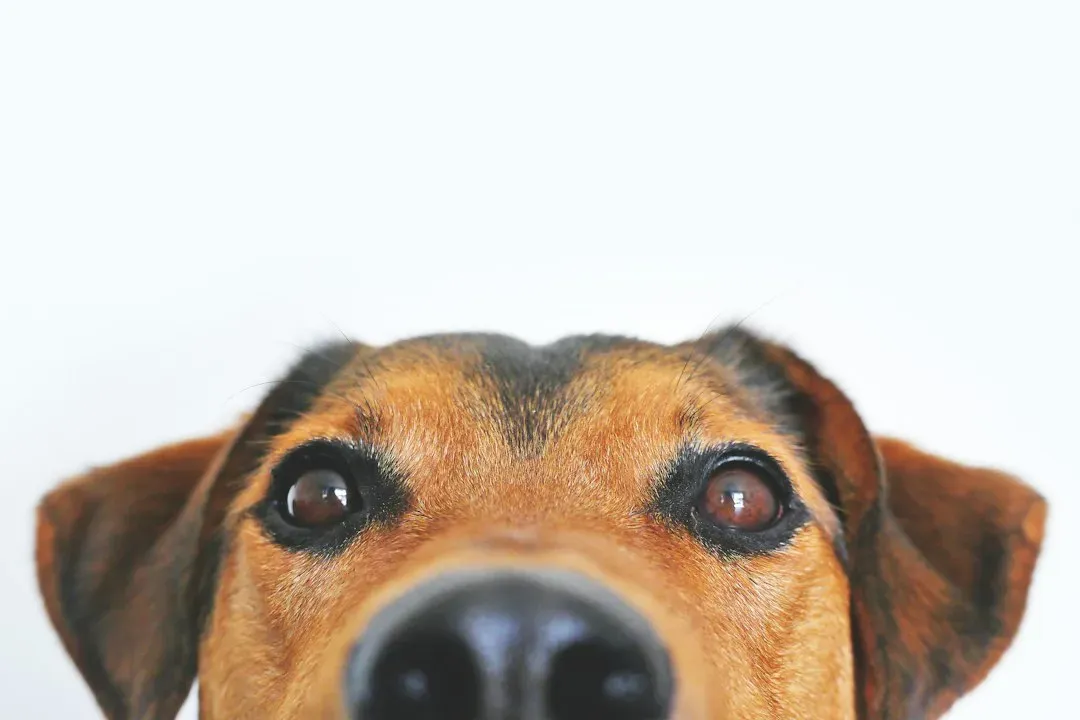
People do respond warmly to a head tilt, and dogs are quick to notice what earns attention. One recent review allowed for this possibility. It suggested that past affection for tilting may contribute to the behavior.
That doesn’t mean the tilt is a trick. The same review concluded that a brief tilt marks something worth investigating, whether acoustically, visually or mentally. Reward and curiosity may simply work together.
When a Head Tilt Signals a Medical Problem
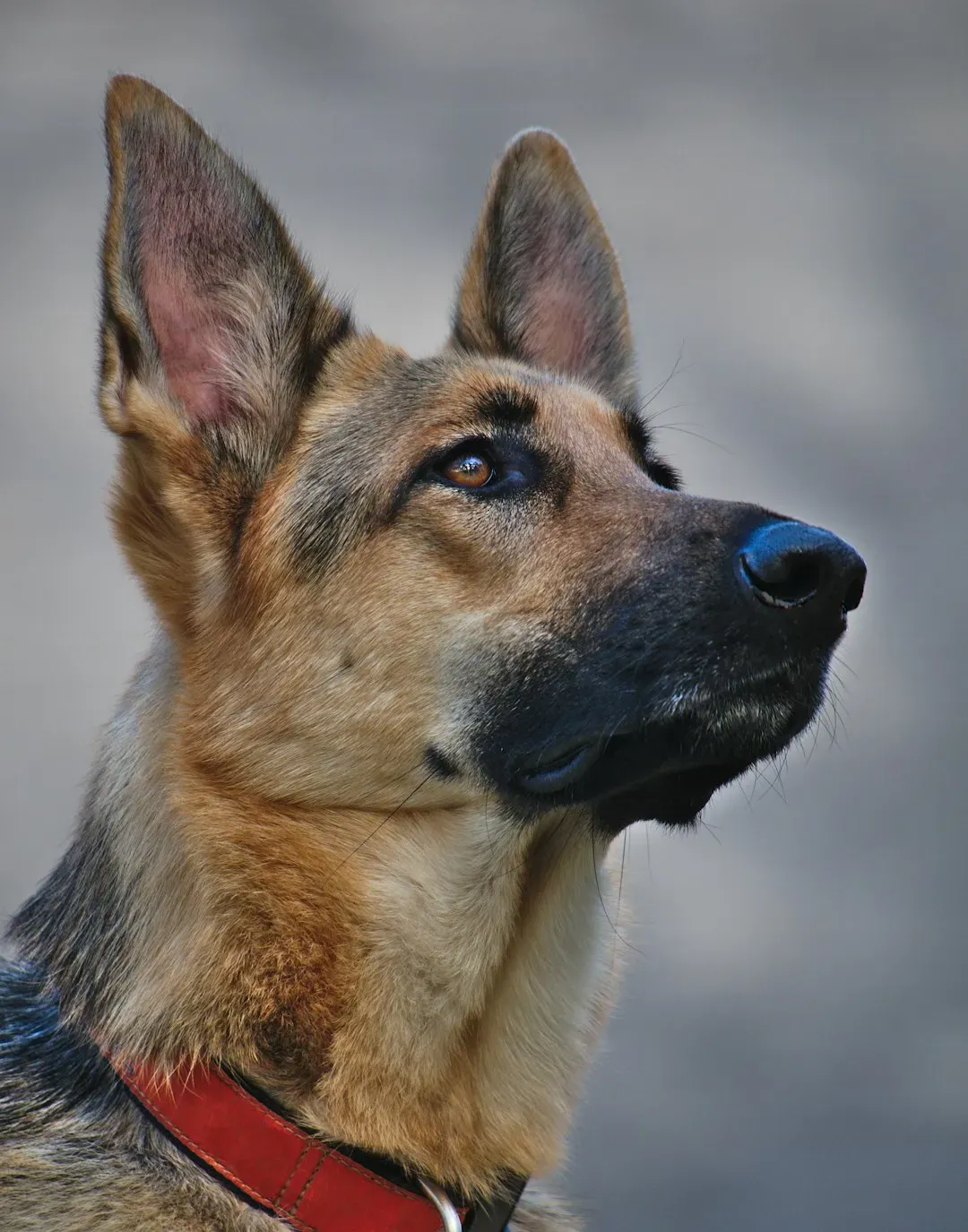
A tilt that comes and goes during conversation is one thing. A tilt that stays put is another. A clinical review in Today’s Veterinary Practice identifies vestibular dysfunction, involving the inner ear and brain, as the primary medical explanation for a sustained tilt.
The practical rule is straightforward. A dog that remains tilted or develops balance problems needs veterinary evaluation. A momentary tilt when you say a familiar word is a different matter.
Where the Science Stands Now

Researchers still can’t say exactly why dogs tilt their heads. Studies point to several possible explanations, from investigating sounds to recognizing meaningful words, without confirming a single answer.
What the evidence does support is that the movement reliably shows something has captured the dog’s attention. Science can’t yet say exactly what is happening inside the dog’s head.





Leave a Reply