
Modern life often feels noisy, rushed, and demanding. Between work responsibilities, family commitments, and the constant stream of notifications competing for our attention, finding moments of calm can seem difficult.
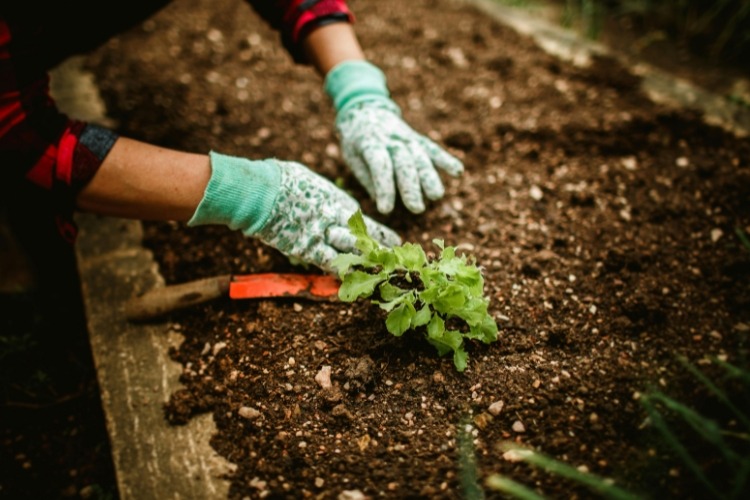
[Photo by Helena Lopeson Canva].
Many people search for hobbies that help them unwind, but not every pastime offers lasting benefits beyond temporary entertainment.
Gardening is different. It encourages people to slow down, work with nature, and focus on simple, meaningful tasks.
Unlike hobbies that revolve around screens or constant stimulation, gardening creates opportunities to be present in the moment. It offers a chance to step away from daily pressures while nurturing something that grows over time.
For those drawn to the principles of Wabi Sabi, gardening can become more than a hobby. It can become a practice that brings greater balance, patience, and peace into everyday life.
Gardening Encourages You to Slow Down
One reason gardening is so effective for stress relief is that it naturally encourages a slower pace. Plants do not grow overnight, and gardens rarely follow a perfect schedule. Instead, they remind us that growth happens gradually.
In a world focused on instant results, gardening teaches a different lesson. Seeds require time, care, and attention before they become thriving plants. This process encourages patience and helps shift attention away from immediate worries.
Simple gardening tasks can become calming rituals:
- Watering plants in the morning
- Checking for new growth
- Pulling weeds by hand
- Preparing soil for the next season
- Harvesting fruits, vegetables, or herbs
These activities may seem small, but they provide a welcome break from the pressures of modern life.
A Natural Way to Practice Mindfulness
Many people associate mindfulness with meditation, but gardening offers another path toward the same goal. When you’re focused on planting, pruning, or caring for a garden, your attention naturally shifts to the present moment.
You begin noticing details that often go overlooked. The texture of soil, the shape of leaves, and the changing seasons all become part of the experience. Instead of dwelling on unfinished tasks or future concerns, you’re fully engaged with what is happening right in front of you.
This aligns closely with Wabi Sabi philosophy. Rather than striving for perfection, gardeners learn to appreciate nature as it is. Some plants flourish while others struggle. Weather conditions change unexpectedly. Every garden has imperfections, yet those imperfections often add to its character and beauty.
Gardening Creates a Sense of Accomplishment
Stress often increases when life feels out of control. Gardening provides something tangible that you can influence through consistent effort.
Whether you’re growing flowers, vegetables, herbs, or specialty plants, the process rewards patience and dedication. Even small successes can feel meaningful.
A single seedling becoming a healthy plant serves as a visible reminder that progress is possible when given time and care. This sense of accomplishment can be especially valuable during periods when other areas of life feel uncertain.
For beginners, starting small often works best. A few containers on a balcony or a modest backyard garden can provide plenty of opportunities to learn and grow.
There Is Always Something New to Learn
One reason people stay engaged with gardening for years is that there is always something new to discover. Different plants have different needs, growing conditions vary, and each season brings new challenges.
Many gardeners enjoy researching plant varieties and experimenting with cultivation techniques. Some explore edible gardens while others focus on ornamental plants or specialty crops.
For example, Growers Choice Seeds provides information and seed options for adults interested in cultivating a variety of cannabis plants. Gardeners who enjoy learning about different growing methods may find resources available through growerschoiceseeds.us helpful when exploring new additions to their gardens.
The learning process itself can be deeply satisfying. Gardening combines practical skills, observation, and creativity in ways that keep the hobby interesting year after year.
Gardening Helps Strengthen Family Connections
Gardening is one of the few hobbies that people of all ages can enjoy. Children, parents, and grandparents can all participate in ways that match their abilities and interests.
Working together in a garden creates opportunities for conversation, cooperation, and shared experiences. Families can plan what to grow, care for plants together, and celebrate the results of their efforts.
Some family-friendly gardening activities include:
- Creating a Small Vegetable Garden: Growing simple crops can help children learn where food comes from while encouraging healthy eating habits.
- Building a Pollinator-Friendly Space: Planting flowers that attract bees and butterflies adds beauty while supporting local ecosystems.
- Keeping a Garden Journal: Tracking growth and seasonal changes can make gardening even more engaging for younger family members.
Unlike many forms of entertainment, gardening encourages active participation and meaningful interaction.
Embracing Imperfection Through Nature
One of the most valuable lessons gardening teaches is acceptance. Not every seed germinates. Not every harvest meets expectations. Unexpected weather, pests, and changing conditions are all part of the process.
Rather than viewing these experiences as failures, gardeners learn to adapt and appreciate the journey itself.
This mindset reflects the heart of Wabi Sabi. Nature is rarely perfect, yet it remains beautiful. A crooked branch, a weathered garden bench, or an uneven row of vegetables can tell a story that perfection never could.
Growers Choice Seeds is one example of how gardening communities support people who want to experiment, learn, and develop their skills over time. The focus is not on creating a flawless garden but on enjoying the process of growth and discovery.
When people embrace this perspective, gardening becomes more than a hobby. It serves as a reminder that life is often most meaningful when we stop chasing perfection and start appreciating what already exists.
Final Thoughts
Gardening offers something increasingly rare in today’s fast-paced world: a reason to slow down and connect with the present moment. It encourages patience, promotes mindfulness, creates learning opportunities, and helps build stronger connections with both nature and the people around us.
You don’t need a large property or extensive experience to enjoy the benefits. A few pots on a patio, a raised bed in the backyard, or even a small windowsill garden can provide a meaningful starting point.
As you spend more time tending plants, you may discover that gardening provides more than stress relief. It can also inspire a deeper appreciation for simplicity, growth, and the imperfect beauty that surrounds us every day.





Leave a Reply