
The price on my invoice kept moving after I booked
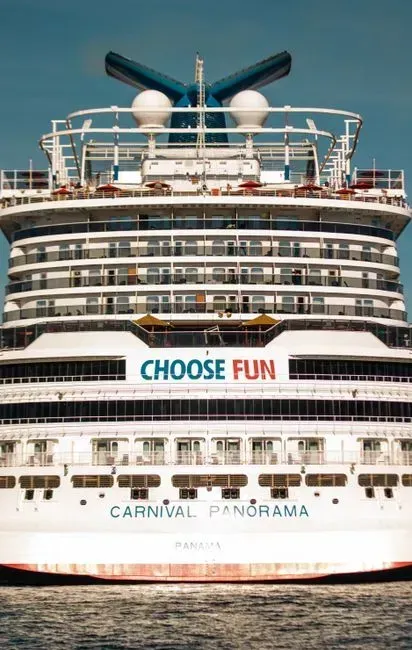
I booked what I thought was a fixed fare, but cruise pricing in 2026 does not really work that way anymore. Royal Caribbean has leaned heavily into AI-driven yield management, and the company’s finance leadership has openly described its yield management models as AI-based, learning systems with a pretty good handle on close-in demand and how to price it. That sounds efficient from a corporate seat, but from a passenger’s seat it means the fare you see today may not resemble the fare you locked in six months ago.
Demand is part of the story too. Cruise lines are reporting some of their strongest booking periods ever, and Royal Caribbean’s own leadership pointed to demand being off the charts, with the company already about two-thirds booked for the year. When ships sell out further and further in advance, there is less incentive for anyone to offer the flexible, wallet-friendly deals that used to make cruising feel like a bargain.
Gratuities have quietly turned into a second fare
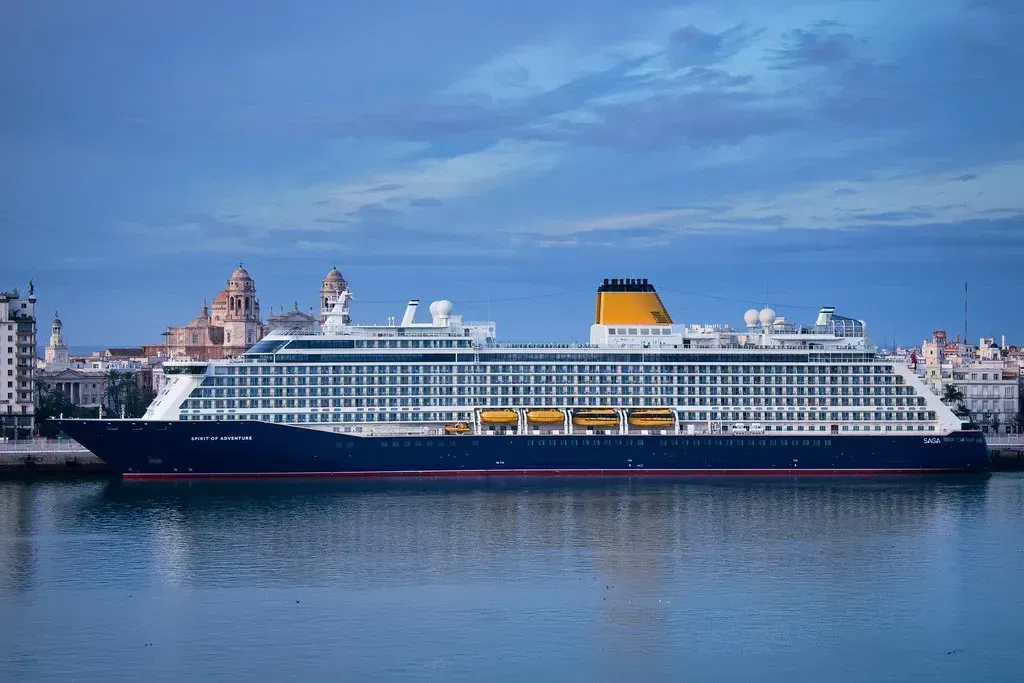
The automatic daily gratuity used to feel like a minor line item. It doesn’t anymore. Industry tracking shows automatic gratuities climbing from $14.50 per person in 2022 to over $20 per day in 2026, and for a typical family that adds up fast, since a family of four on a seven-night cruise now faces roughly $588 in mandatory tips alone.
This isn’t a one-line story from one cruise line either. Holland America moved its charges up so that guests pay daily crew appreciation charges of $18 per day for non-suite staterooms and $20 per day for suites starting June 1, while Carnival’s rates rose to $17 per person per day for standard staterooms and $19 per person per day for suites in early April. MSC followed with its own increase, bringing standard cabins to $17 per person per night on Caribbean and Alaska sailings. None of these individual jumps is dramatic, but stacked together across a week-long trip, they change the math on what a cruise actually costs.
The extras add up faster than the brochure suggests
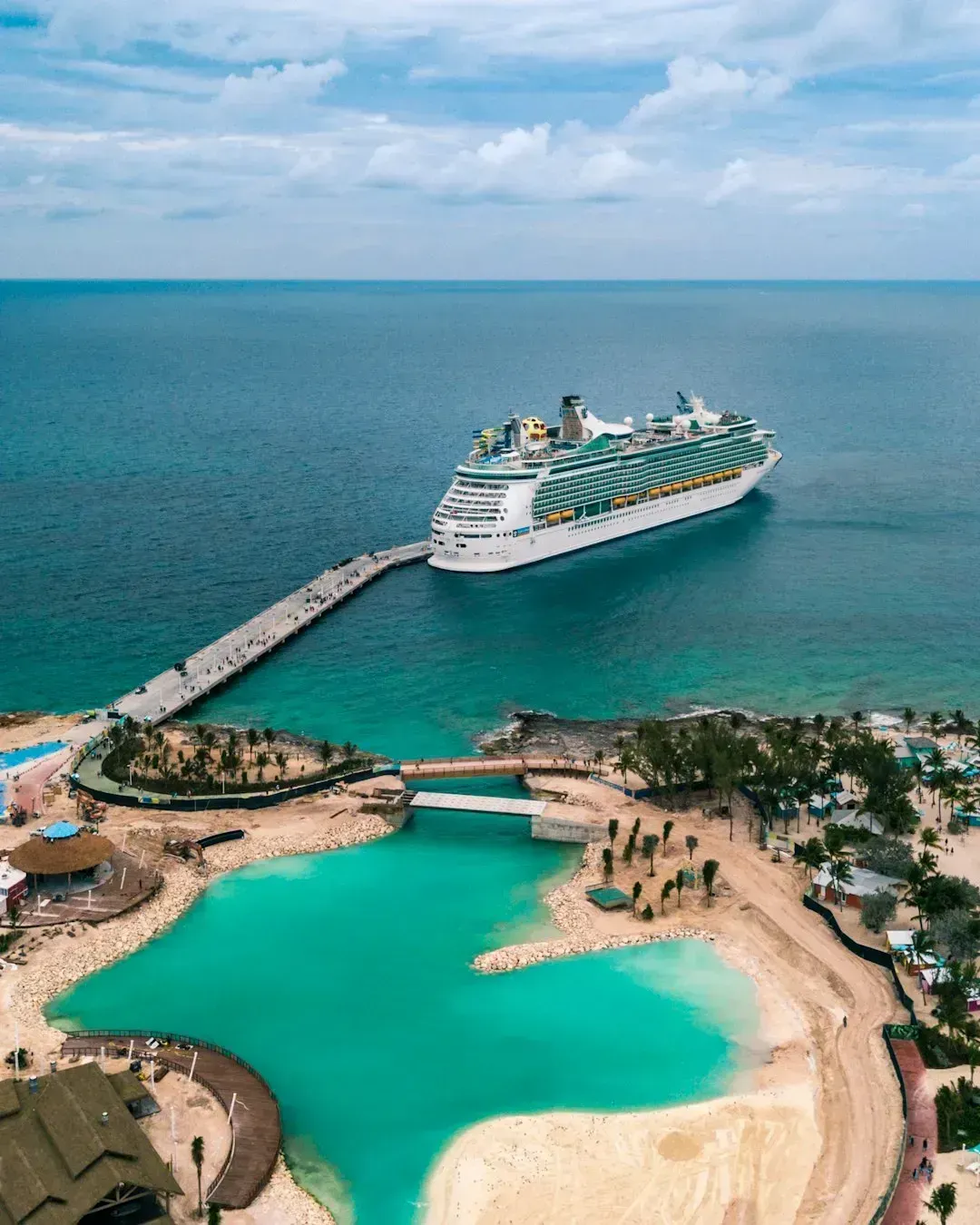
What used to be included, or at least cheap, has been getting trimmed at the same time gratuities have been climbing. Shore excursions are a good example. On multiple mainstream lines, excursion prices have soared, with a basic bus tour now costing $150 to $250 per person, and some cruise staff have implied there is no other way into port cities even when a taxi rank sits right outside the terminal.
Dining has followed the same pattern. Norwegian Cruise Line now charges extra for a second entree in the main dining room, and Princess has reduced menu variety while restaurants that once cost $25 to $30 per person now often run $60, $80, or over $100. Meanwhile, the companies running these ships are not struggling financially, since Carnival Corporation has reported some of its strongest results ever, and the industry welcomed nearly 35 million passengers in 2024, the most in cruising history.
Some of my favorite ports don’t want big ships anymore
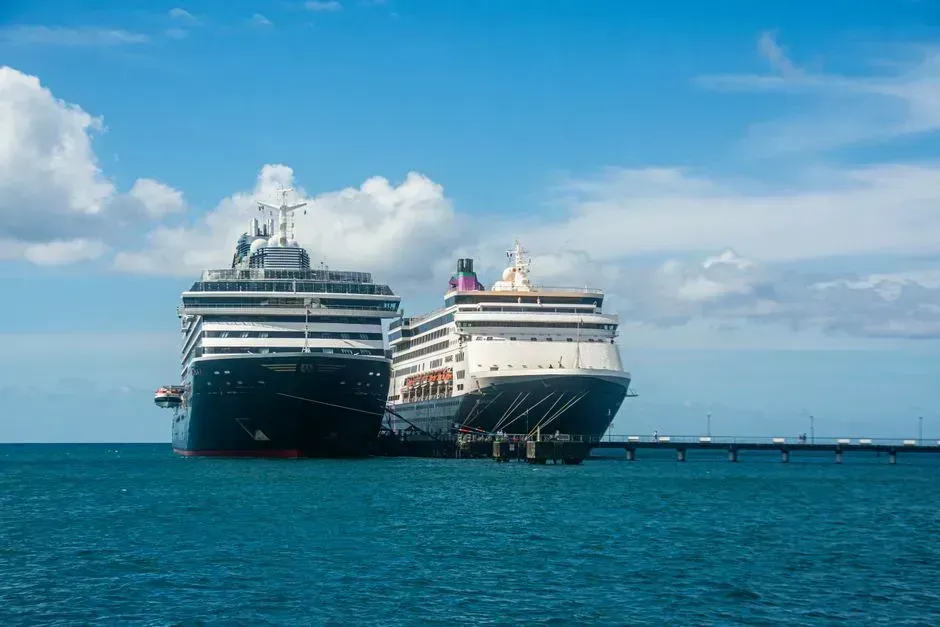
Part of what drew me to cruising in the first place was the ability to wake up in a new city every couple of days. That is getting harder to plan around. Amsterdam has decided to limit ocean cruise ships docking in its harbor to 100 per year by 2026, down from 190, and ban them altogether by 2035, citing crowding and emissions concerns.
The French Riviera has moved even faster. Cannes voted to admit only ships carrying 1,000 passengers or fewer starting January 2026, capping disembarkations at 6,000 visitors per day, which pushes most large ships toward Toulon or Monaco instead. Nice went further, banning cruise ships carrying more than 900 passengers from its harbor, even though a French court has since blocked that ban, arguing the mayor lacks the legal authority to control the harbor. Iceland took a different approach entirely, adding a nightly fee of roughly 18 dollars per person that has added thousands to the cost for cruise companies and led to some cancellations.
Barcelona and Venice show what overtourism backlash looks like
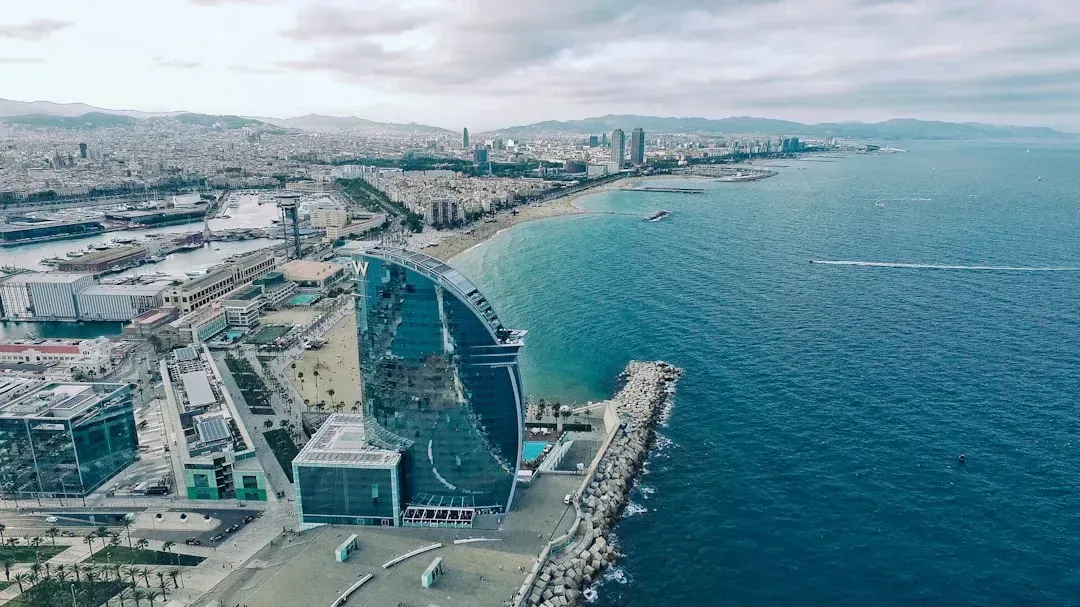
Barcelona handled close to 3.7 million cruise passengers in 2024, and that volume has not gone unnoticed by residents. Tensions boiled over in a widely covered protest in which locals used water pistols to make a point about crowding and housing pressure. The city’s response has been infrastructure rather than outright restriction, closing older terminals to build a single new one designed for up to 7,000 guests at a time.
Venice tells a similar story from a different angle. Even after cutting large ships from the historic center, the city was still expected to welcome 540,000 cruise passengers in 2024, about 9 percent more than the year before, and the pressure was significant enough that UNESCO flagged the city for its World Heritage in Danger list, partly because of cruise ship traffic. When a destination this iconic is actively trying to manage you rather than welcome you, it changes how a cruise itinerary feels on paper.
My itinerary could change without much warning
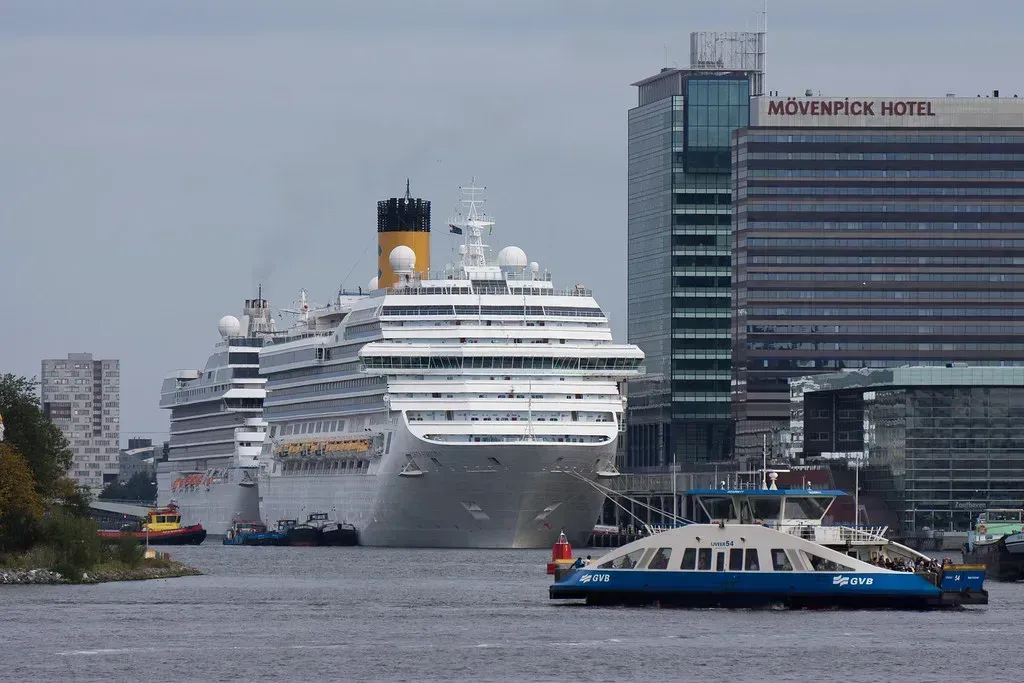
This is the part that stuck with me most. Cruise contracts generally allow lines to swap ports for operational reasons, and with so many new restrictions rolling out, that clause is being used more often. It is common now to see Venice calls listed as Venice (Marghera) or Venice (Ravenna) in brochures, which is a technically true but practically different experience than what most people picture when they book a Venice stop.
Even ports that remain open are adjusting their schedules to satisfy new caps. In Dubrovnik, some ships now depart at 18:00 instead of 23:00 to stay within daily visitor limits, which trims the evening hours passengers used to spend ashore. Industry analysts expect this pattern to spread, projecting that roughly 20 percent of Mediterranean ports will introduce some form of passenger cap or green levy by 2027. Booking a cruise today increasingly means booking a general region rather than a guaranteed set of stops.
Norovirus season never really ended
Health was not my main concern when I first booked, but it crept up the list. The CDC has tracked a steady drumbeat of gastrointestinal outbreaks across the 2025 to 2026 season, including cases on the Westerdam, the Rotterdam, and the Serenade of the Seas, with more than 21 cruise ship norovirus outbreaks recorded in the 2025 to 2026 season alone. One recent case on the Caribbean Princess affected 115 passengers and crew on a single voyage, a reminder that close quarters and shared dining rooms remain a genuine vulnerability.
What struck me even more was the timing of one particular story. Princess Cruises raised its gratuity rates just weeks after its Star Princess experienced a norovirus outbreak affecting over 150 people, which says something about how these incidents are treated as routine operational noise rather than a reason to pause and reassess. The CDC is also clear that the usual defense most people reach for isn’t reliable here, since alcohol-based hand sanitizer is not reliably effective against norovirus, and washing hands with soap and water for at least 20 seconds is the recommended approach.
The environmental footprint got harder to ignore
I am not an environmental purist, but the numbers around cruise ships in ports are hard to unsee once you start looking. Amsterdam’s restrictions were explicitly framed around this issue, with the city citing nuisance tourism caused by cruise ships, which it says are polluting the city with crowds and emissions. Starting in 2027, ships docking there will be required to plug into shore power rather than run their engines at berth.
Barcelona and Marseille are pursuing similar goals for different reasons, pushing shore-power mandates and nitrogen-oxide levies to help meet EU Fit for 55 emission targets. The broader industry has set its own long-term target too, working toward carbon neutrality by 2050. That is a reasonable goal on paper, but it also means the ships sailing today are, by design, part of a transition period rather than a finished product.
Getting to the ship costs more than it used to
A cruise fare is only part of the total trip cost, and the other part has been creeping up too. International airfare climbed sharply heading into summer 2026, with average international fares reaching approximately $1,101 by late April, compared to about $949 during the same period in 2025, an increase of roughly 16 percent. For anyone flying to a European embarkation port, that difference alone can wipe out whatever savings a cruise deal advertised.
Cruise executives have noticed the ripple effect too. Norwegian Cruise Line Holdings reported that it is beginning to see softer bookings for Europe cruises this summer as travelers reassess vacation plans amid rising costs and geopolitical uncertainty. It is a strange moment in the industry: demand remains historically strong overall, yet the specific combination of airfare, port fees, gratuities, and onboard extras is starting to change how people plan a European itinerary in particular.
What I’m doing with the money instead
I didn’t cancel because I dislike the ocean or ships or buffet lines. I cancelled because the version of cruising I originally signed up for, predictable pricing, a fixed itinerary, and a low-stress week away, isn’t quite the product being sold right now. Loyalty to the format is still strong industry-wide, with nearly 90 percent of cruisers saying they intend to sail again, so I don’t think I’m part of some mass exodus. I’m just one traveler who decided the math didn’t work for me this particular year.
Instead, that budget is going toward a slower, land-based trip where I control more of the variables: no gratuity creep, no port substitutions announced after the fact, no wondering whether an outbreak notice will land in my inbox the week before departure. I’m not ruling cruising out permanently. I’d just rather wait until the pricing settles down, the port restrictions stabilize, and I can book a sailing knowing roughly what I’m actually going to pay and where I’m actually going to end up.





Leave a Reply