
The tourist tax bill keeps climbing
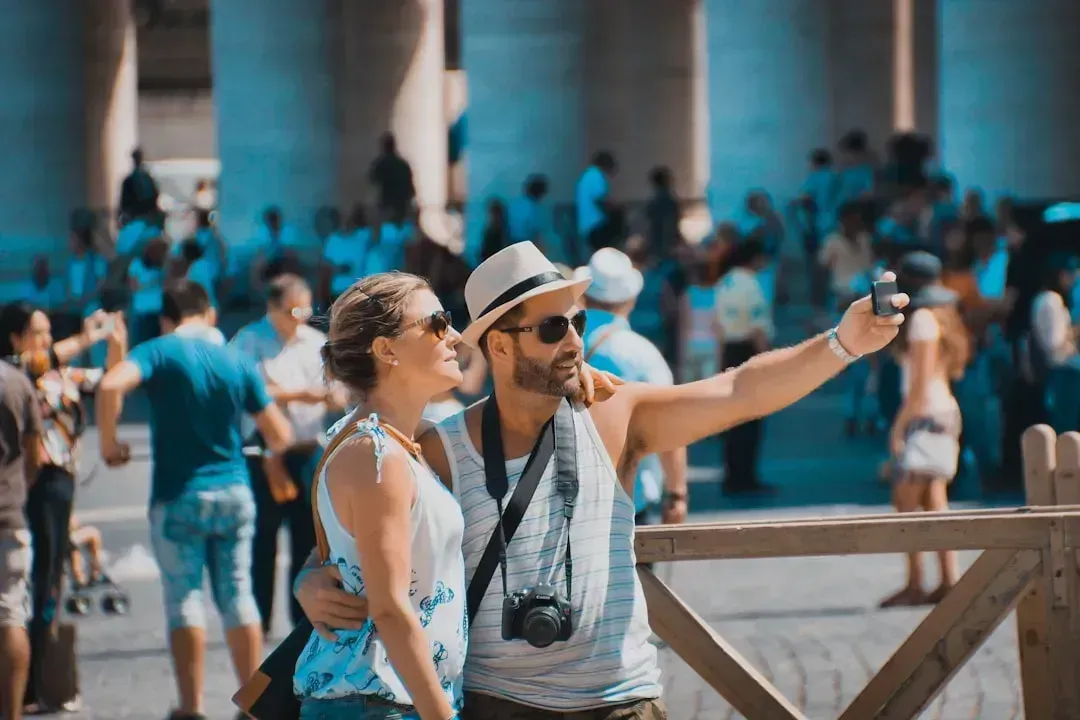
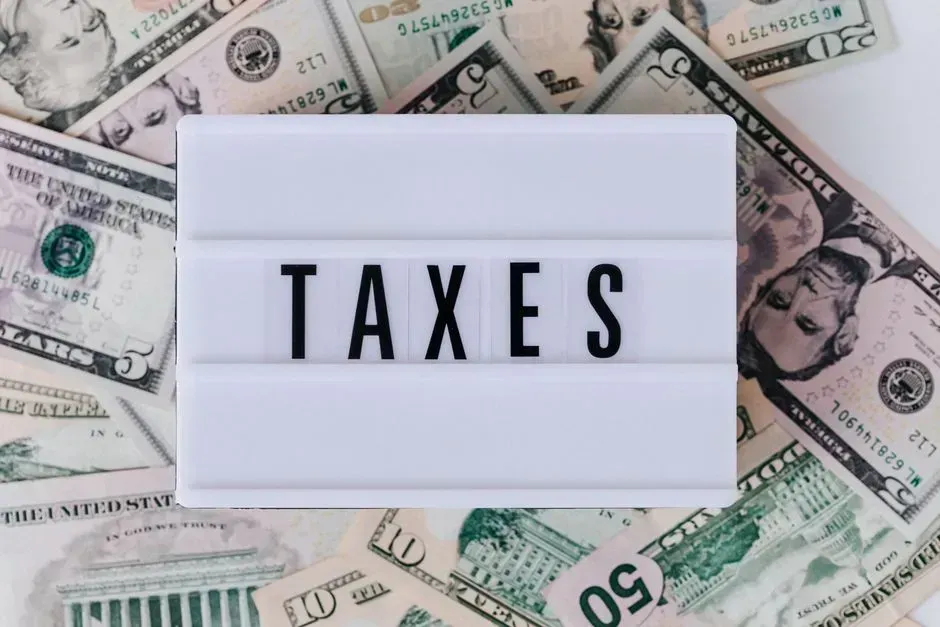
What used to be a rounding error on a hotel bill has turned into a real line item. As of January 2026, Brussels raised its tourist tax by €1 per overnight stay, bringing the fee for hotel stays to €5 per night. Barcelona went further, and the regional Catalan government approved doubling the fee, so visitors staying in holiday lets are now charged €12.50 per night, ahead of a planned ban on short-term rentals altogether.
Amsterdam has become the reference point for how steep this can get. Amsterdam now commands Europe’s steepest tourist tax rates, imposing a 12.5 percent levy on hotel room base prices, while the Dutch government raised VAT on accommodations from 9 percent to 21 percent at the start of 2026, pushing the combined tax burden on a hotel night to roughly one third of the room cost, meaning a €200 night can carry about €67 in taxes alone. Paris, Vienna, Edinburgh and Norway have all added or raised their own versions this year, and none of it shows up in the headline price you see when you first search for a room.
Crowds that no longer feel like a getaway
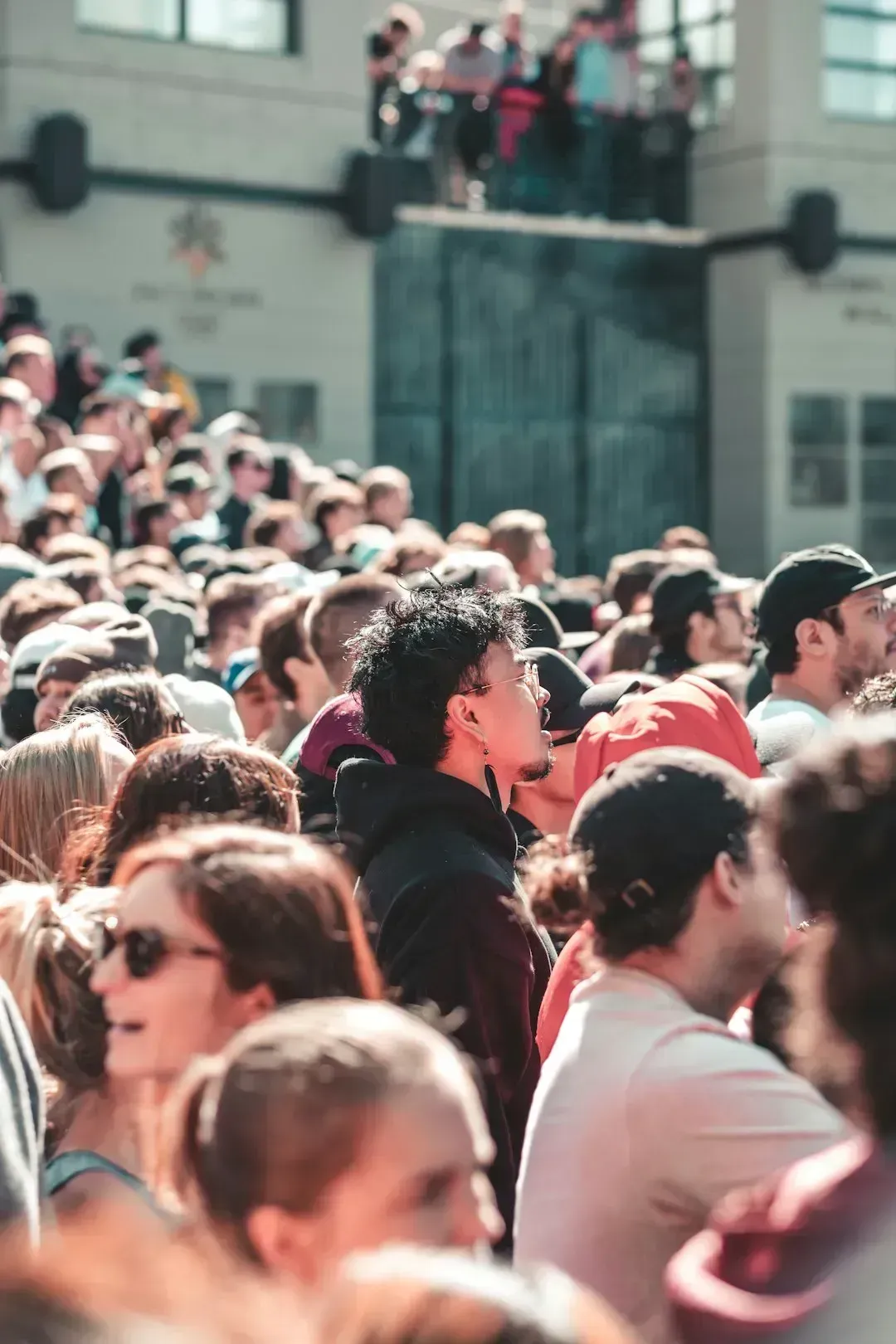
Some places simply were not built for the volume of people now arriving. Pompeii welcomed a staggering 4 million visitors in 2024, prompting authorities to introduce a strict daily cap of 20,000 visitors, with a split entry system of 15,000 in the morning and 5,000 in the afternoon. That is not a small adjustment. That is a site rationing itself like a stadium on game day.
Santorini tells a similar story on the water. Greece tightened a hard daily cap on cruise crowds at Santorini for the 2026 season, a direct response to ports that had simply run out of room for the ships arriving. Once a destination needs a cap just to function, the experience on offer has already changed from what drew people there in the first place.
Locals are pushing back, and louder than before
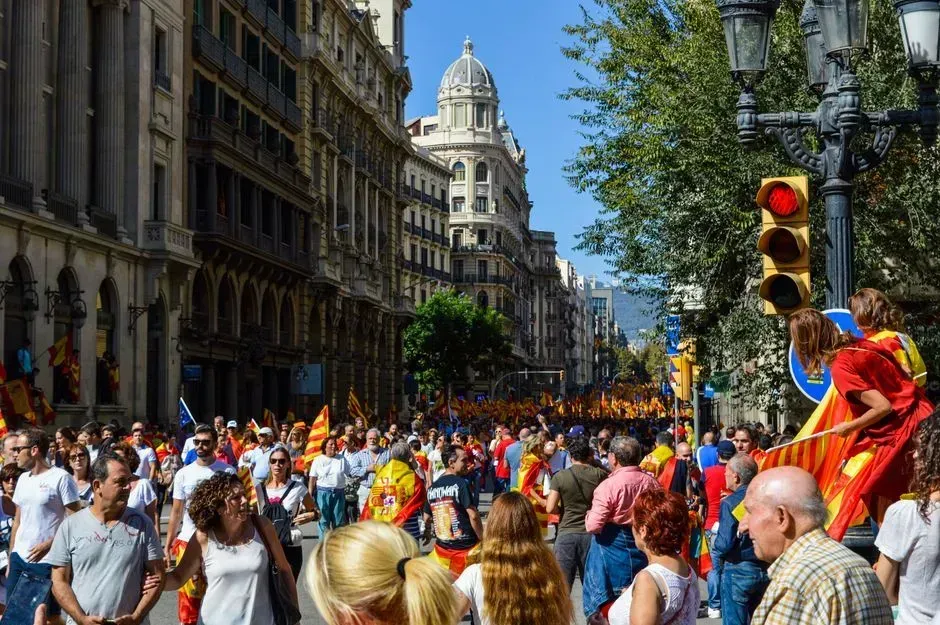
It is one thing to read about overtourism in the abstract. It is another to walk into a city where residents are actively organizing against it. On 15 June 2026, coordinated anti-tourism protests swept more than 40 cities across southern Europe, from Barcelona and Venice to Lisbon and Palermo, with residents complaining that mass tourism is driving up rents and hollowing out neighbourhoods.
These are not violent uprisings, and it is worth being precise about that. The anti-tourism protests are, in reality, peaceful marches about housing and rent, not aimed at hurting individual tourists. Still, showing up as a visitor in a neighborhood where people are marching about the cost of living you are partly contributing to is an uncomfortable feeling that no amount of nice architecture fully offsets.
Biometric borders have replaced the passport stamp
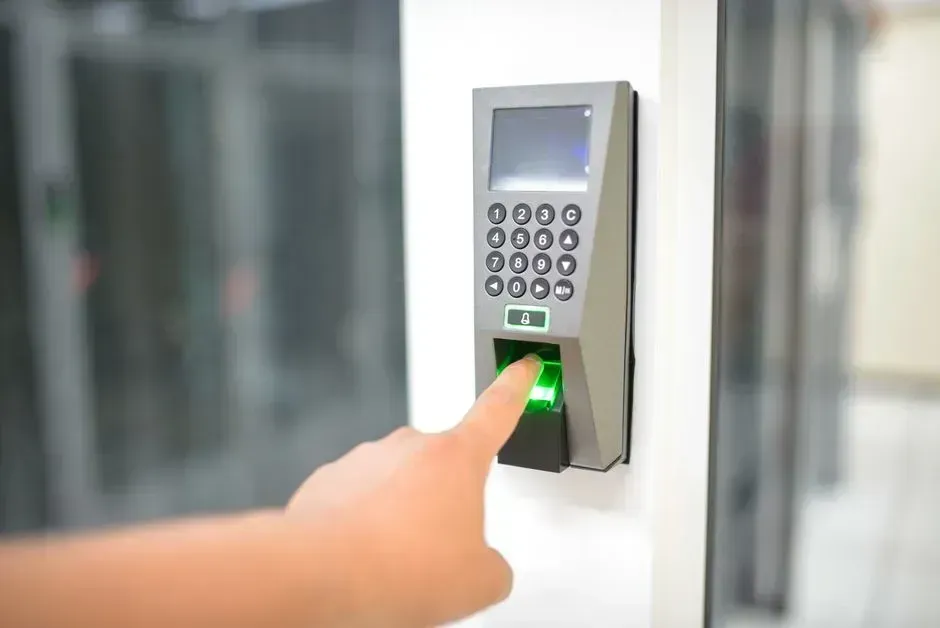
Entering Europe used to mean a quick glance and a stamp. That changed this year. The Entry/Exit System has been live since April 10, 2026, using biometric border registration, fingerprints and a facial scan, on every Schengen entry and exit, replacing passport stamping.
The process is not necessarily slow, but it is new and it is mandatory. First-time enrolment takes roughly three to seven minutes, with subsequent entries taking around forty-five seconds to two minutes. For a first-timer arriving jet-lagged with a stroller and two suitcases, a few extra minutes of biometric registration at every single border crossing adds a layer of friction that simply did not exist a couple of years ago.
ETIAS is coming, just not on anyone’s schedule

For a while, everyone had a firm date circled for when Europe’s new travel authorization would begin. That confidence has faded. As of July 2026 the launch is officially unscheduled and 2027 is the realistic expectation, even though for most of the past year the target was the last quarter of 2026.
Whenever it does arrive, the terms are already locked in. The European Commission has officially raised the ETIAS application fee from €7 to €20, though travelers under 18 or over 70 are exempt from the fee while still requiring an approved authorization. It is a small cost on its own, but it is one more form, one more fee and one more thing to get wrong before a trip that used to require nothing but a passport.
Summer heat has stopped being a footnote
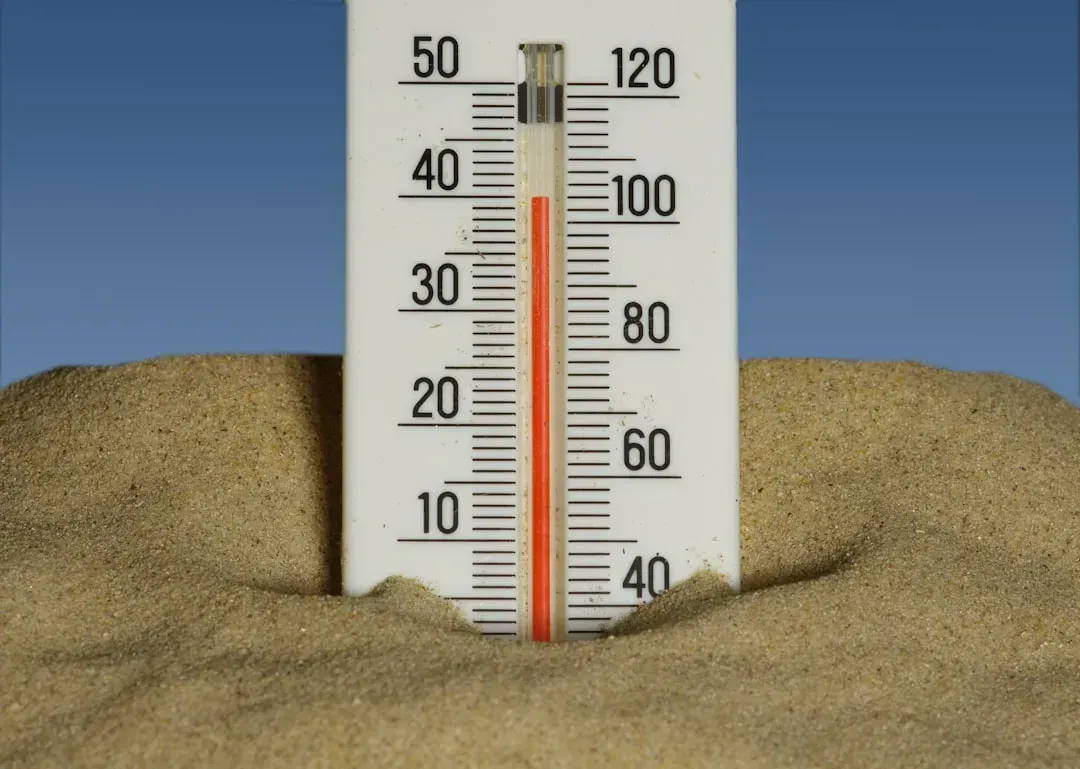
Anyone who has stood on a treeless piazza at three in the afternoon in July knows European summer heat can be brutal, but the scale of it lately is different. A Saharan heat dome pushed Europe past 44°C in June 2026, a temperature that turns sightseeing into an endurance exercise rather than a leisure activity.
The consequences went beyond discomfort. Wildfires have killed at least 14 people across Europe in 2026 as record heat dries out the Mediterranean. That is not a reason to avoid the continent forever, but it is a real factor that reshapes when and where a summer trip actually makes sense.
Short-term rentals are getting squeezed out
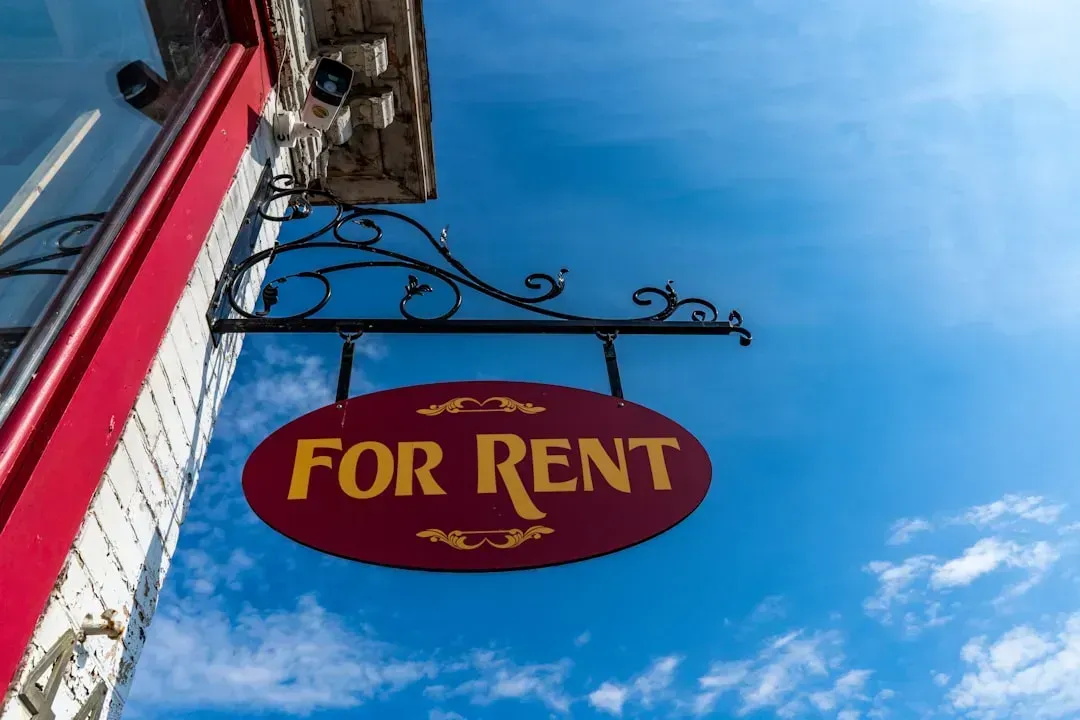
The apartment-with-a-kitchen model of travel is running into real limits. Barcelona has enacted bold policies including a ban on new hotel and short-term rental permits in its most visited neighbourhoods, alongside a proposed nightly tourist tax earmarked for housing and infrastructure improvements, part of a broader plan to phase out short-term lets entirely by 2028.
Venice has taken its own version of this step. Venice is tightening regulations on short-term rentals, limiting them to 120 days per year and imposing strict operational rules, including designated rubbish bag use and mandatory in-person guest check-ins. These rules are aimed at housing, not tourists directly, but they still shrink the pool of affordable places to stay in cities that were already expensive.
Even the attractions now run on quotas
Booking ahead used to be a courtesy. Now it is often the only way in. Sites like Pompeii and the Acropolis have moved to strict daily visitor caps, and popular hiking routes have followed the same logic. Tourists now have to pay an eco-tax, capped at €25 per person, to hike popular trails in Tenerife’s El Teide National Park in 2026.
Winter sports have not escaped either. Ski resort visitors in the French Alps will pay a new green tax starting in 2026, designed to fund local conservation and sustainable tourism programs, expected to run around €3 to €5 per person, per day. None of these fees are enormous on their own, but stacked together they turn a spontaneous walk up a mountain into something that requires a reservation and a receipt.
Quieter alternatives are worth a real look
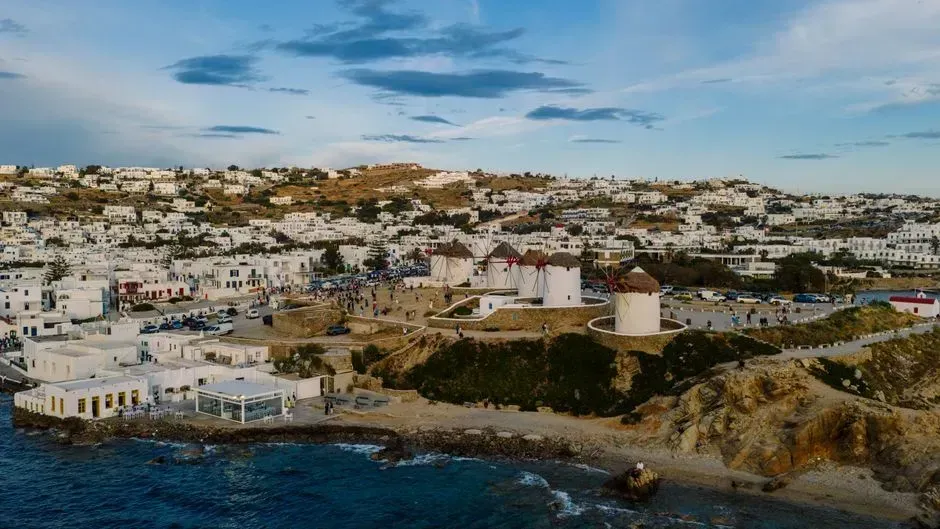
The good news, if there is one, is that Europe is not uniformly overwhelmed. Some islands and towns nearby offer nearly the same scenery with a fraction of the pressure. Naxos, the largest Cycladic island, offers the same beaches and landscapes with a fraction of the foot traffic, while Paros sits a short ferry from Mykonos with far thinner crowds, and Milos rivals Santorini’s volcanic drama with dozens of quieter beaches.
The same logic applies in Spain. Menorca is the calmer Balearic sister to Mallorca and Ibiza. None of this requires giving up on the region entirely; it just means being willing to skip the postcard destination in favor of the one next door that nobody is fighting over.
What this actually means if you still want to go
None of these developments individually is a dealbreaker. A tourist tax is annoying but affordable. A biometric scan takes a few extra minutes. A heatwave passes. What changed for me is the direction all of it points in: more fees, more caps, more friction, and more visible tension between visitors and the people who actually live in these places.
Travelers heading to Europe this year and next are not being told to stay home. They are being told to plan differently, budget more honestly, and pick their moments and destinations with more care than a quick search and a cheap flight used to require. That is the shift worth understanding before you commit your money and your calendar.
Final thoughts
I have not sworn off Europe permanently, and I doubt I ever will. What I have done is stop treating it as the automatic, easy default it used to be. The continent is adjusting to its own popularity in real time, through taxes, caps, borders and protests, and travelers who go in with clear eyes about that will have a much better time than those who show up expecting the version of Europe that existed a decade ago.





Leave a Reply