
Daylight shrinks to a few hours, and it changes everything
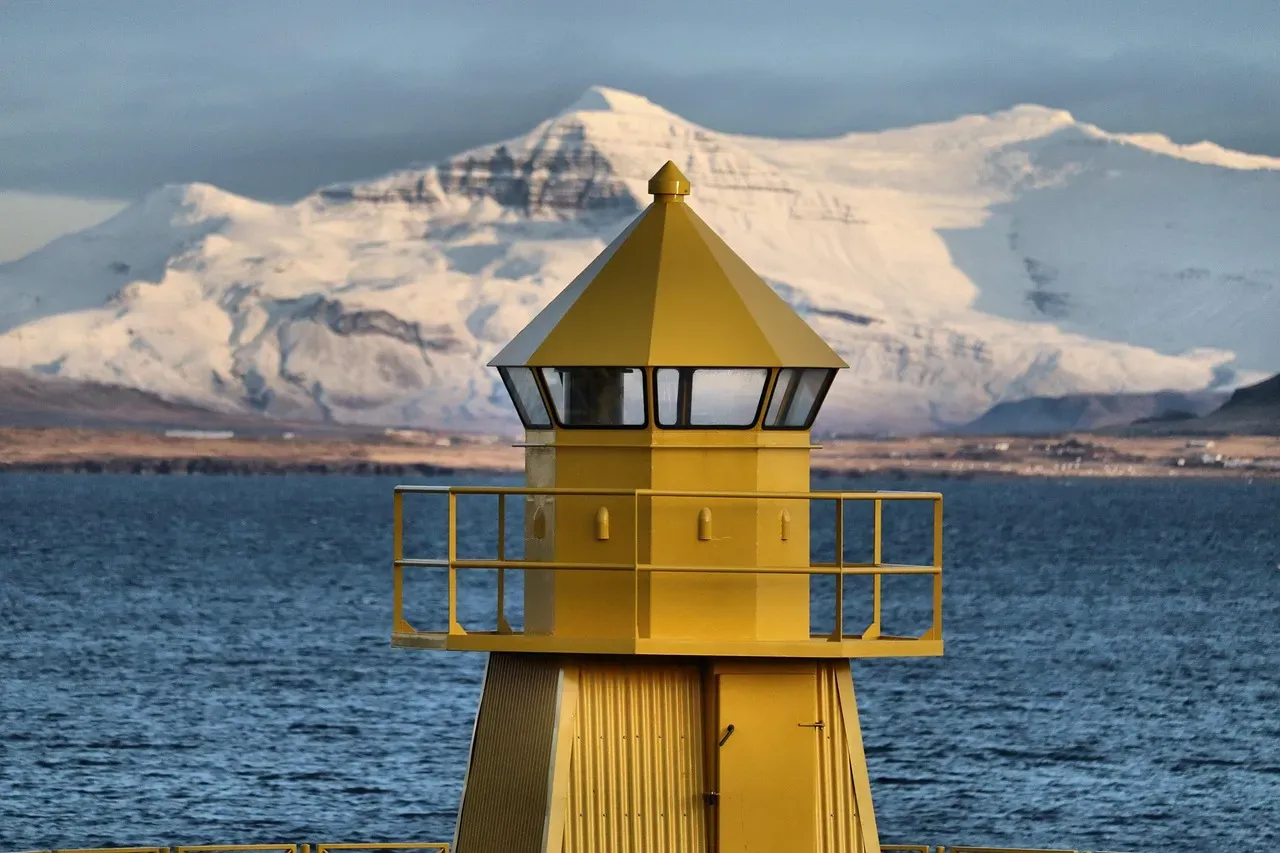
The most jarring adjustment isn’t the cold, it’s the light, or the near absence of it. Near the December solstice, Reykjavík has only about 4 to 5 hours of usable daylight, with sunrise close to 11:20 and sunset around 15:30. That’s not a rare bad day, that’s the entire month.
Compare that to summer, when around the summer solstice Reykjavík gets roughly 21 hours of daylight, and the sky never goes fully dark. Brochure photographers shoot in that endless glow. Winter travelers plan entire days around a narrow window, often concentrated between 11:00 a.m. and 3:00 p.m., and everything else happens in some shade of darkness or twilight.
The highlands you saw in the photos are simply locked
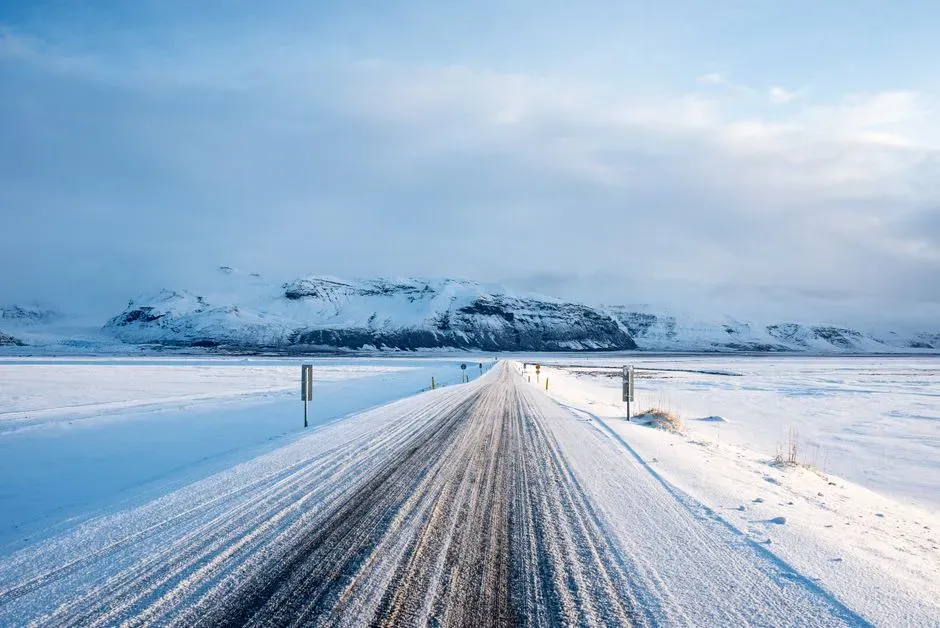
Those dramatic interior shots of Landmannalaugar’s rhyolite mountains or the volcanic deserts near Askja? Those are summer-only destinations, full stop. Generally, most F-roads in Iceland open between mid-June and early July and typically close again between mid-September and mid-October.
In winter, the situation is even more absolute. F-Roads, which are mountain roads leading into the highlands, are closed in the winter months and are completely impassable. The entire interior of the country, the part that fills so many Instagram feeds, is simply unreachable for roughly two thirds of the year.
Weather doesn’t just change your outfit, it changes your route
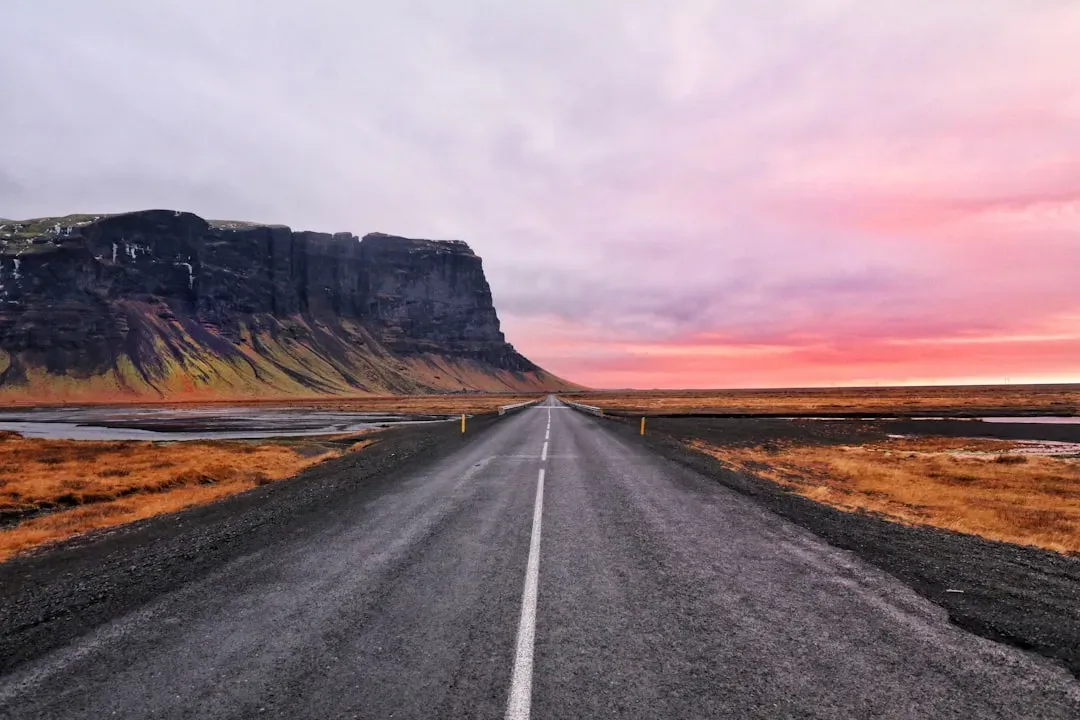
Summer weather in Iceland is unpredictable but manageable. Winter weather actively rewrites plans. Snowstorms, high winds, and sleet are common between November and March, especially in the highland areas.
Even paved main roads aren’t immune. Ice and black ice in winter can make even paved roads genuinely dangerous. Locals check three websites religiously before driving anywhere, and visitors quickly learn to do the same, since Ice, snow, and strong winds can close roads with almost no warning.
The Northern Lights are the reward, but never the guarantee
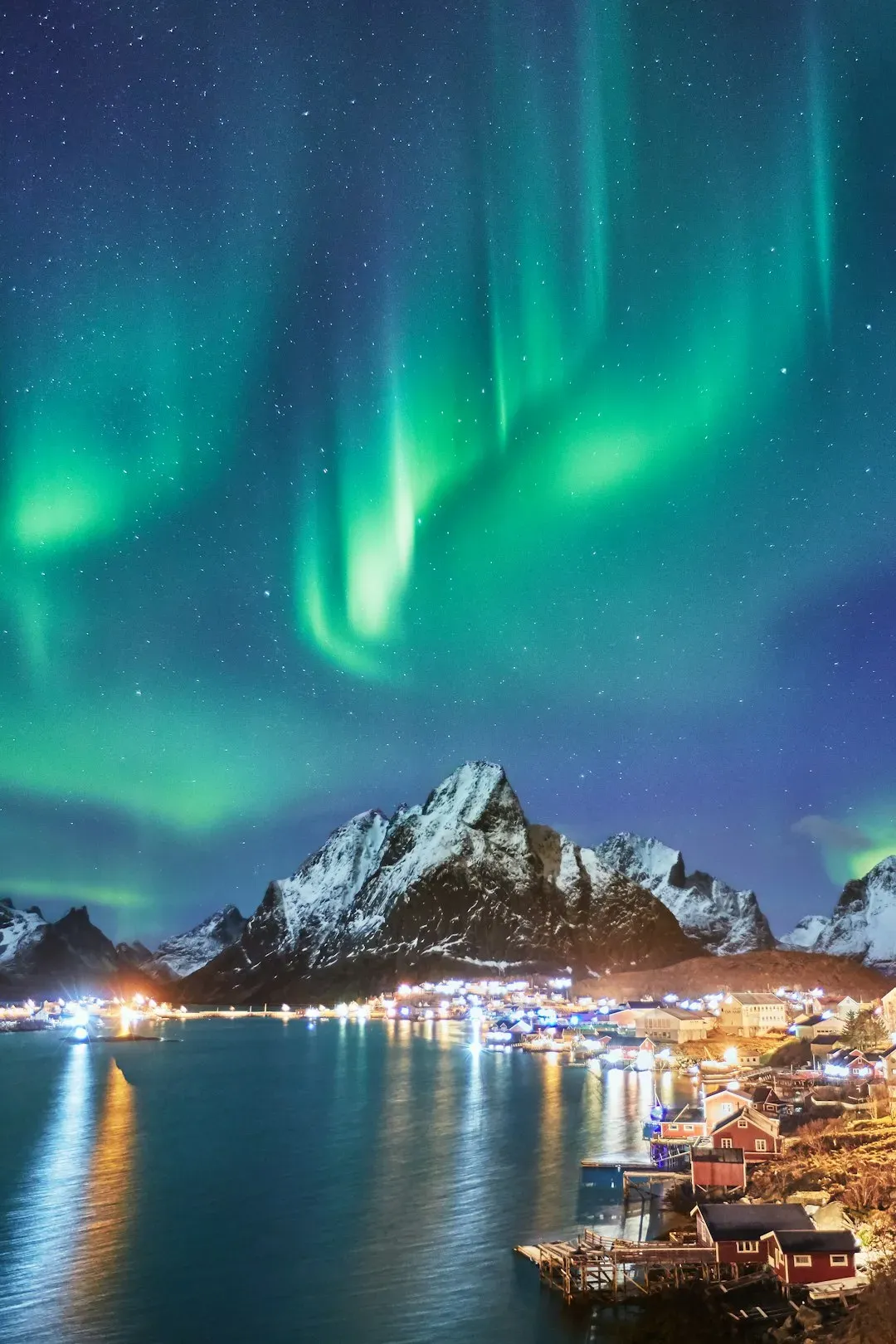
Winter’s biggest selling point is also its biggest asterisk. The season runs roughly from October through April, with peak visibility from December through February, and 2026 happens to be a particularly good year for it. Solar activity remains elevated following the peak of the 11-year solar cycle in 2024-2025, meaning brighter, more frequent, and more dynamic auroras compared to quieter solar years.
Still, nothing is promised. As the aurora borealis is a natural phenomenon, sightings cannot be guaranteed. Clear skies, real darkness, and active solar particles all have to align on the same night, which is exactly why brochure aurora photos feel almost too perfect compared to what a random Tuesday in January actually delivers.
Winter driving is a different skill set entirely
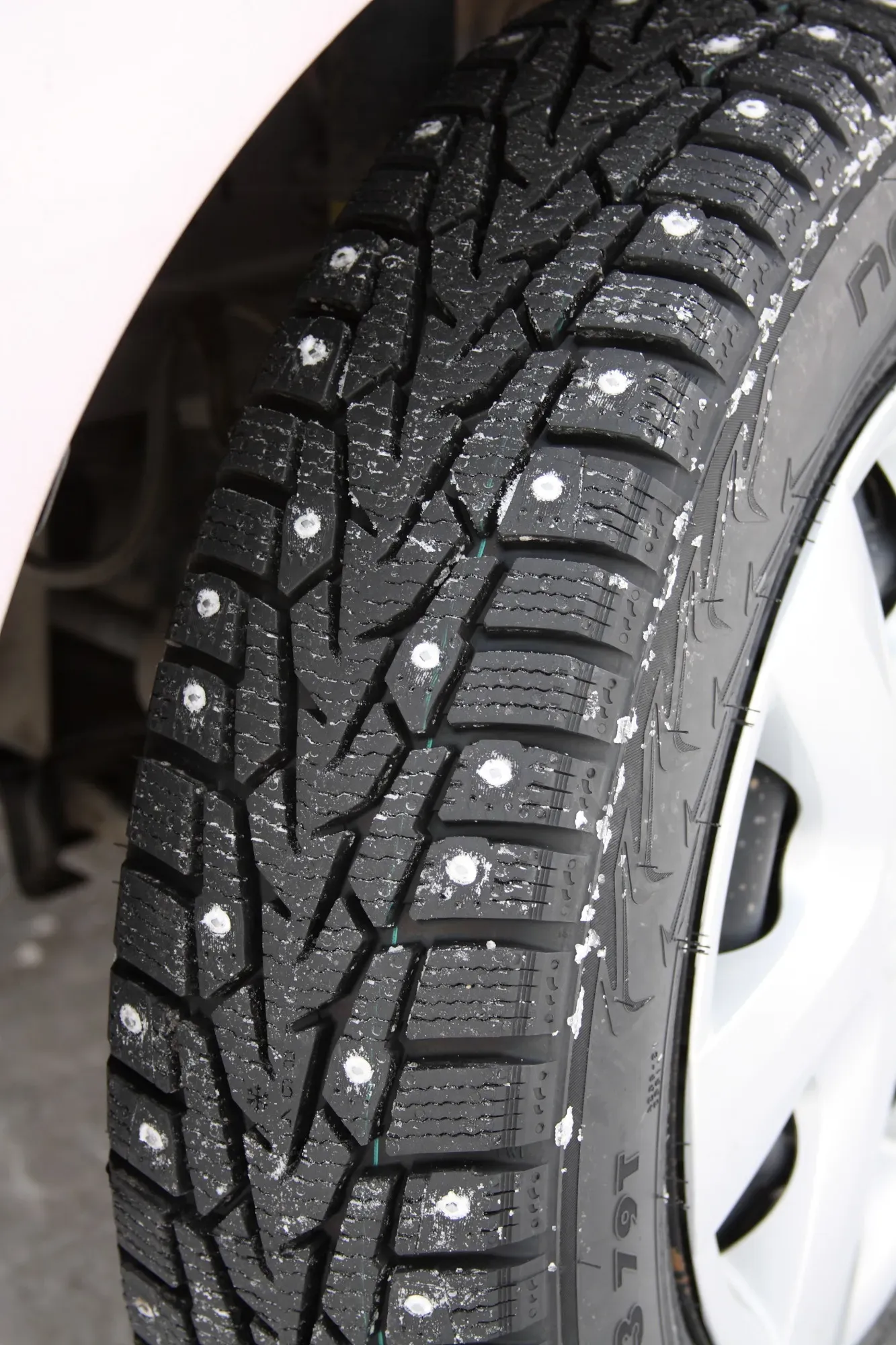
Summer visitors can rent a small car and wing it. Winter visitors need actual preparation. Winter tires: Ensure your rental has studded winter tires (legally required November–April).
Beyond the tires, the driving logic itself shifts. Winter in Iceland brings short daylight hours, with only 4–5 hours of daylight in December, so drives should be planned around daylight to avoid icy, unlit roads. The relaxed, spontaneous road trip of the brochures becomes something closer to a logistics exercise, checked and rechecked against live weather feeds.
Reykjavík itself feels smaller and quieter
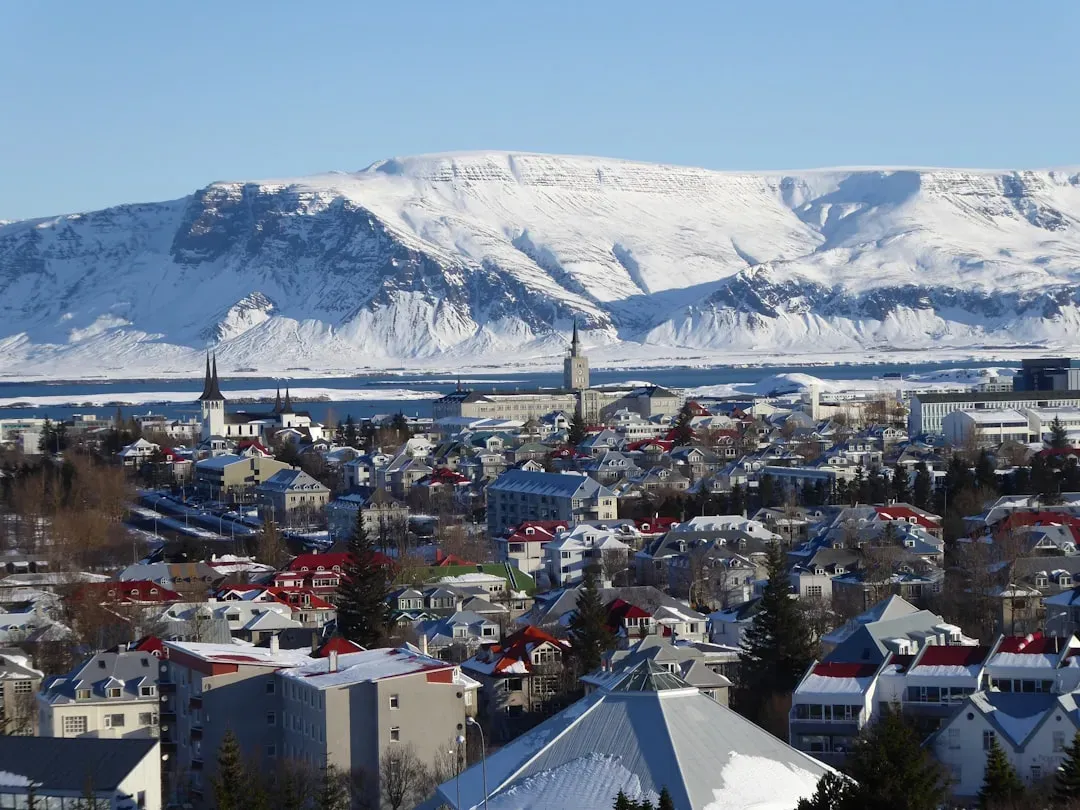
Summer’s Reykjavík hums with cruise ship crowds and midnight sun walkers. Winter’s Reykjavík is a much thinner crowd. Monthly arrivals range from around 65,000 in winter months to over 250,000 in peak summer.
Hotel occupancy tells the same story. National hotel occupancy averages 60-70% annually, peaking at 85-90% in July-August and dropping to 45-55% in January-February. Fewer people on the streets means shorter waits at the Blue Lagoon and quieter waterfalls, but it also means some seasonal restaurants, tour operators, and smaller shops simply aren’t open at all.
The ground underneath is still, quite literally, unsettled
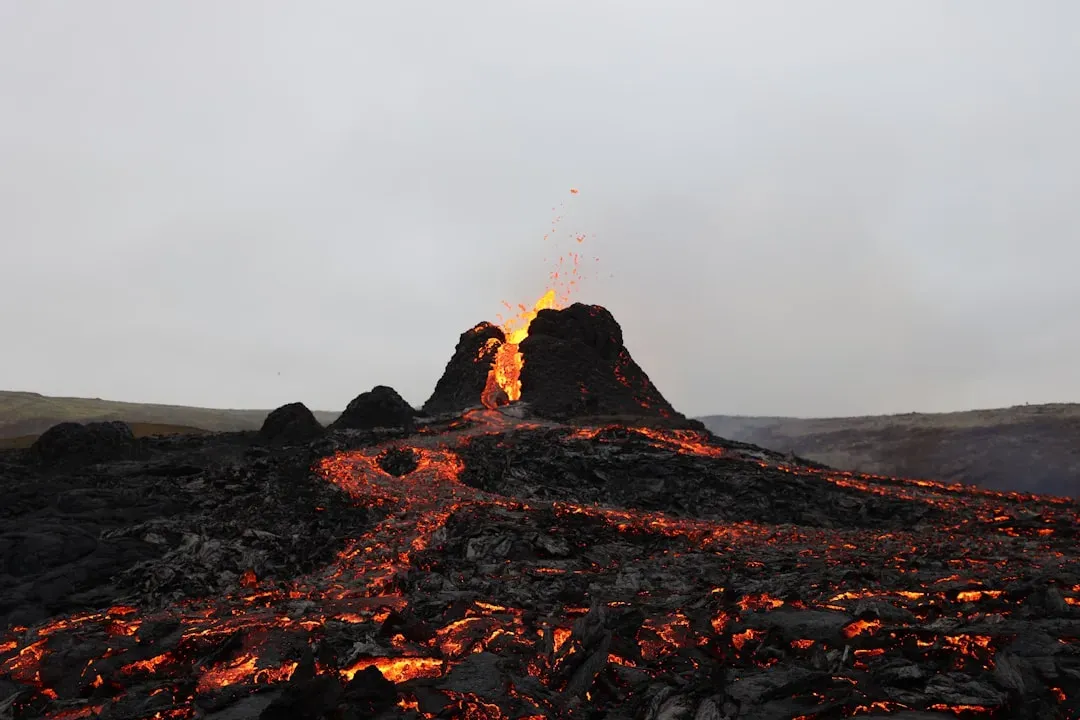
This is not a detail found in older brochures, because it’s genuinely new. Since 2021, the Reykjanes Peninsula near Keflavík Airport has entered an active volcanic phase, with a cycle of episodic volcanic activity that began in 2021, and in late 2023 the eruption sequence began threatening the Blue Lagoon tourist center, Svartsengi geothermal power plant, and the town of Grindavík. Grindavík itself remains largely emptied out, since the town’s 3790 residents were evacuated on Nov. 10–11, 2023, and most remain displaced more than 28 months later.
The most recent eruption started on the 16th of July 2025 ended on the 5th of August 2025, and as of mid 2026 there’s no active lava flow, though scientists warn it could resume. As of April 2026, the Icelandic Met Office says there’s now more magma stored down there than at any other point in this eruption series, and scientists think another eruption is likely in the coming weeks or months. Despite that, the previous nine eruptions in this series didn’t disrupt flights, didn’t affect Reykjavík, didn’t close the Ring Road, and didn’t change daily life outside a small zone near Grindavík, so travel keeps operating almost entirely as normal.
Prices drop, but so does the version of Iceland on offer
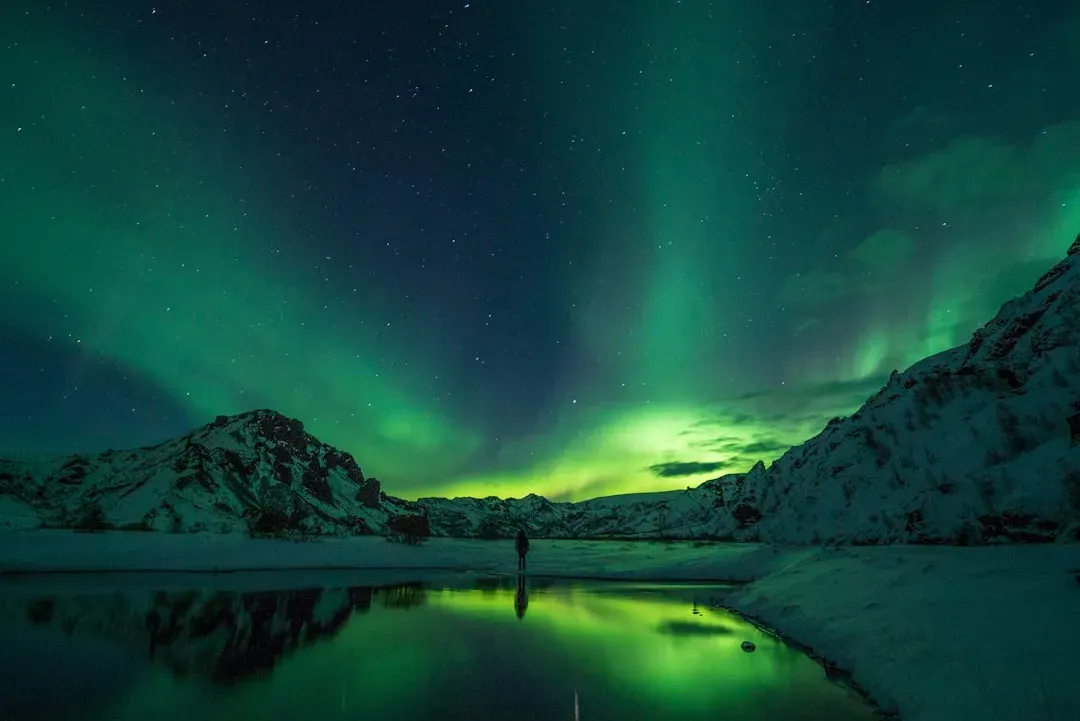
The upside to visiting when the brochures are mostly irrelevant is cost. The low season in winter (November to April) generally offers great deals, with prices for hotels and excursions dropping significantly, making it an attractive time for budget-conscious travelers wanting to experience the northern lights. Flights and accommodation that would be booked out and expensive in July suddenly become accessible.
The trade off is straightforward. You get lower prices and thinner crowds, but you trade away hiking trails, highland access, and the extended daylight that summer visitors take for granted. It’s less a downgrade than a completely different itinerary, built around geothermal pools, aurora chasing, and shorter, more deliberate day trips instead of sprawling road loops.
The landscape itself changes color and character
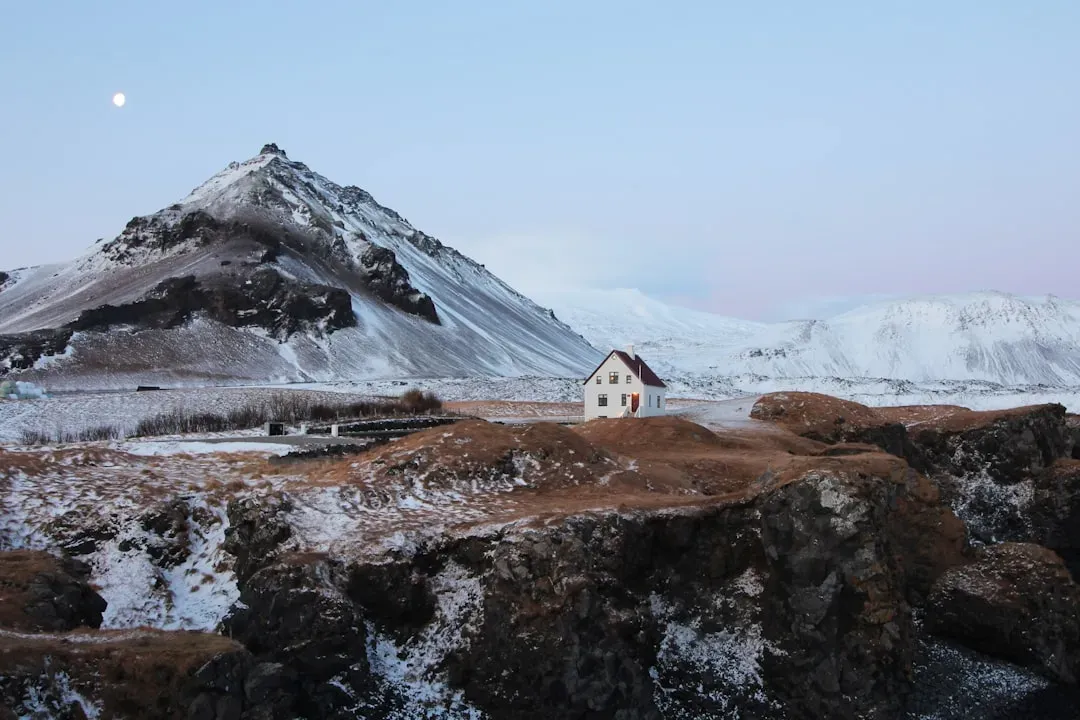
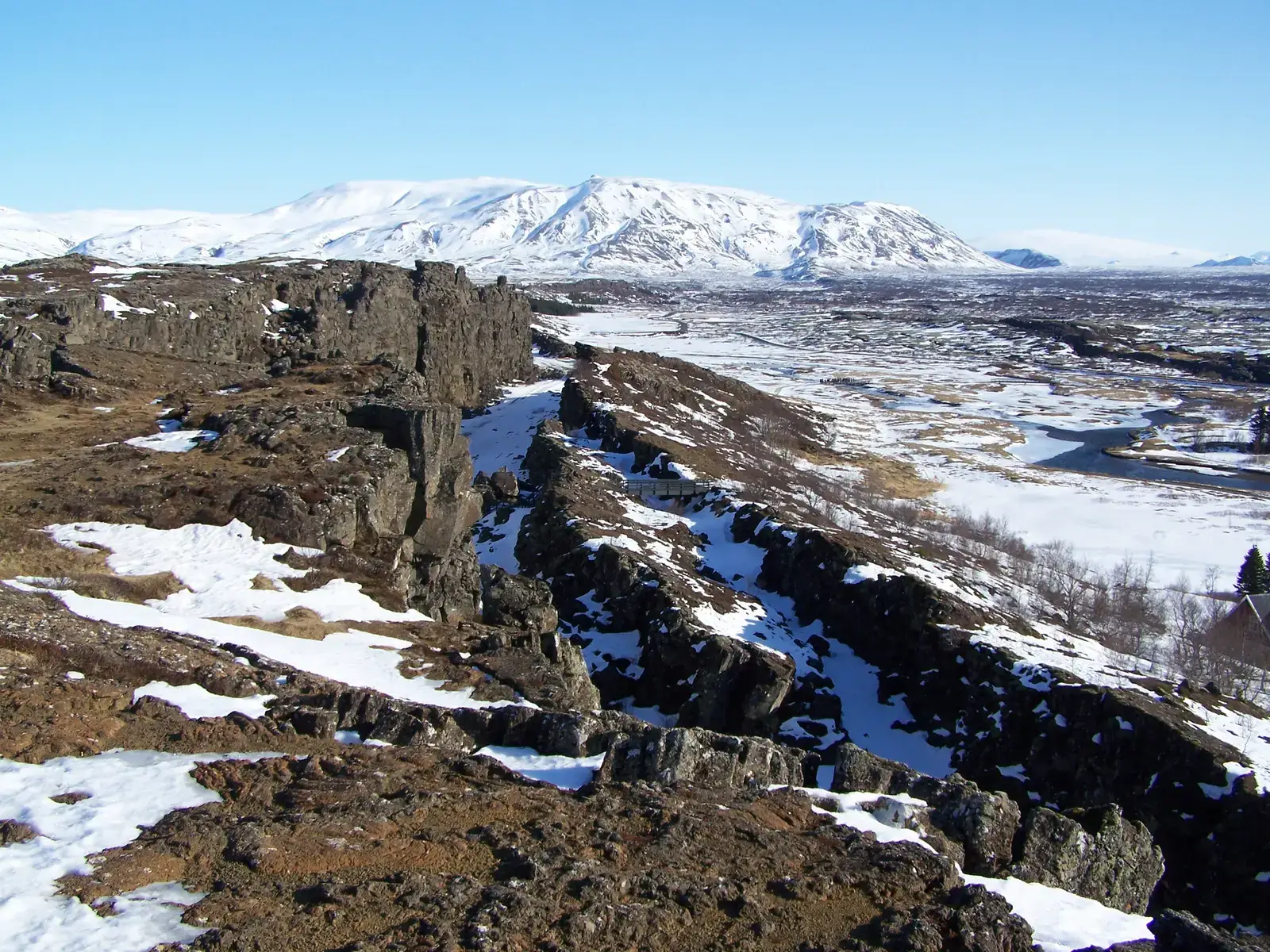
Brochures lean heavily on green valleys, wildflowers, and glacial blue lagoons framed by summer light. Winter strips that away and replaces it with something starker. Snow blankets the lava fields, waterfalls partially freeze into strange sculptural shapes, and the low sun angle means winter light often looks soft, sometimes golden or bluish, even at midday.
It’s a genuinely different aesthetic experience, not a lesser one. Ice caves inside glaciers only form and stay accessible during the colder months, and frozen waterfalls like parts of Gullfoss or Seljalandsfoss take on a completely different silhouette than their thundering summer selves. The country in the brochures is prettier in the conventional sense; the country in January is stranger, quieter, and arguably more memorable for exactly that reason.
Final thoughts

Leave a Reply