
The two-week vacation has long been the default holiday. It fits a working calendar, with a fixed block of leave and a tight itinerary. Once the calendar belongs to you, that block starts to feel arbitrary.
Many retirees are now booking a full month in one place instead. The evidence for this shift is stronger on the rental side than on the traveler side, so the picture below draws on booking data, industry reports and a few practical realities of renting for longer.
Retirement Removes the Calendar Constraint

The main reason for a two-week trip is usually a work schedule. Without that limit, the length of a trip can be set by the weather, the season or the state of the garden back home. A month becomes as easy to plan as a fortnight.
Industry reports point the same way. A 2025 report from Florida Rental By Owners says search behavior shows sustained interest in monthly and seasonal rentals, driven by early retirees, remote professionals and families with flexible arrangements. That is a single platform’s view, but it matches the broader direction of the market.
Extended Stays Are a Growing Slice of the Market
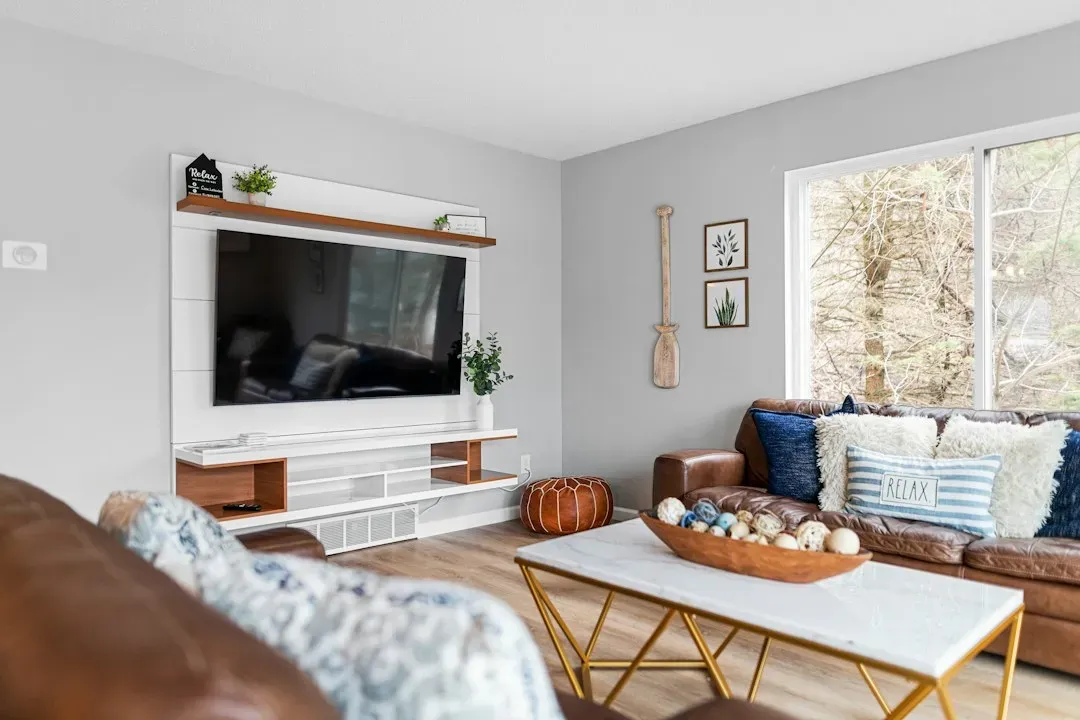
Airbnb’s own numbers show how large longer stays have become. Stays over 28 days accounted for 17% of gross nights booked, which is roughly one night in every six. Airbnb’s chief executive said in 2024 that this share had risen from around 13 to 14 percent before the pandemic, according to a compiled statistics roundup.
These figures cover all guests, not only retirees. Airbnb doesn’t publish a clean age breakdown of monthly bookers in the sources I found. Still, a bigger market for monthly stays means more choice and more competitive pricing for anyone with time to spare.
Monthly Rates Often Beat Daily Prices

Cost is a big part of the appeal. Senior travel guides note that some landlords offer a monthly rate that compares well with the daily rate for the same rental. Hosts have a reason to do this, since longer bookings bring steadier occupancy, fewer turnovers, lower running costs and more predictable cash flow.
That trade is what makes discounts possible. A host who gives up some of the nightly rate saves on cleaning and gaps between guests. For a retiree, the result can be a lower cost per night than a shorter stay in the same place.
A Kitchen and a Routine Change the Trip
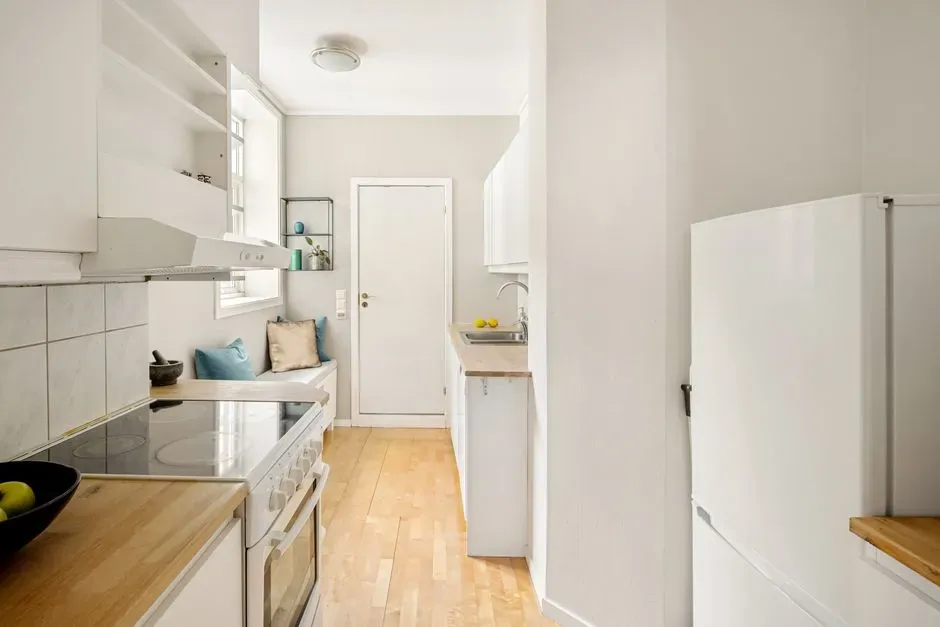
Hotels are built for short visits, while rentals are built for living. Compared with standard hotels, rentals in resorts and condominiums offer a fully furnished kitchen, more space and more privacy. Over thirty days, cooking a few meals at home matters for both budget and diet.
A longer stay also lets travelers settle into a rhythm. One host operator describes guests who stay around ten nights as people who unpack, grocery shop and explore farmers markets. A month stretches that out further, with a regular café, a walking route and a favorite market.
Snowbird Destinations Are Built for It

Warm weather regions have long catered to people who escape winter for a season. Florida is the obvious example. Its vacation rental report describes retirees and mature travelers as a meaningful portion of visitors, drawn by longer stays and seasonal travel.
Owners in these markets tend to plan around it. Monthly and seasonal pricing is common, and many properties are set up for guests who are staying put for weeks. A month in one of these places is closer to a temporary address than a holiday.
Less Travel Time Per Day Away

Getting there is the tiring part of any trip. Flights, airport queues and luggage take a bigger toll than the days that follow. Splitting that effort across thirty days instead of fourteen means less transit for each day spent away.
Senior travel advice makes the same point, noting that many people end up with more time on vacation and less time getting there. It’s a simple point, but it counts for a lot when travel days feel harder than they once did.
Comfort, Pets and Home Life Travel Too

Longer stays put more weight on the details of a property. Industry commentary notes that a booking of 30 to 90 days is not just a getaway but a temporary home, so it needs to suit everyone in the household. That includes reliable wifi, laundry, storage and a proper workspace for anyone who still does some part time work.
Pets are a good example. The American Pet Products Association reports that 70% of US households own a pet, and a month is a long time to board a dog. A rental with a yard can make a longer trip possible for owners who would skip a shorter one.
Comparing Rentals With Extended Stay Hotels
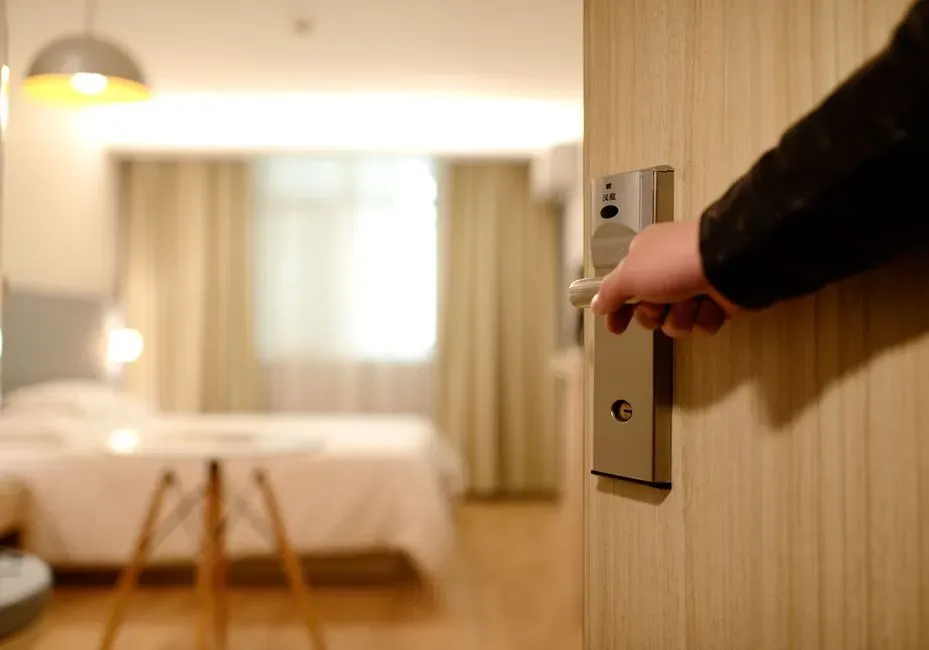
Rentals aren’t the only option for a long stay. A 2025 Wakefield Research survey commissioned by Extended Stay America found that respondents rated extended stay hotels well on comfort, value and feeling at home. Because the brand paid for the survey, it’s best read as one perspective rather than a neutral verdict.
Even so, it’s a useful reminder to compare. Hotels offer on site services and simpler booking terms, while rentals often bring more space and a neighborhood feel. The right choice depends on the traveler and the destination.
Checking the Fine Print Before Booking a Month
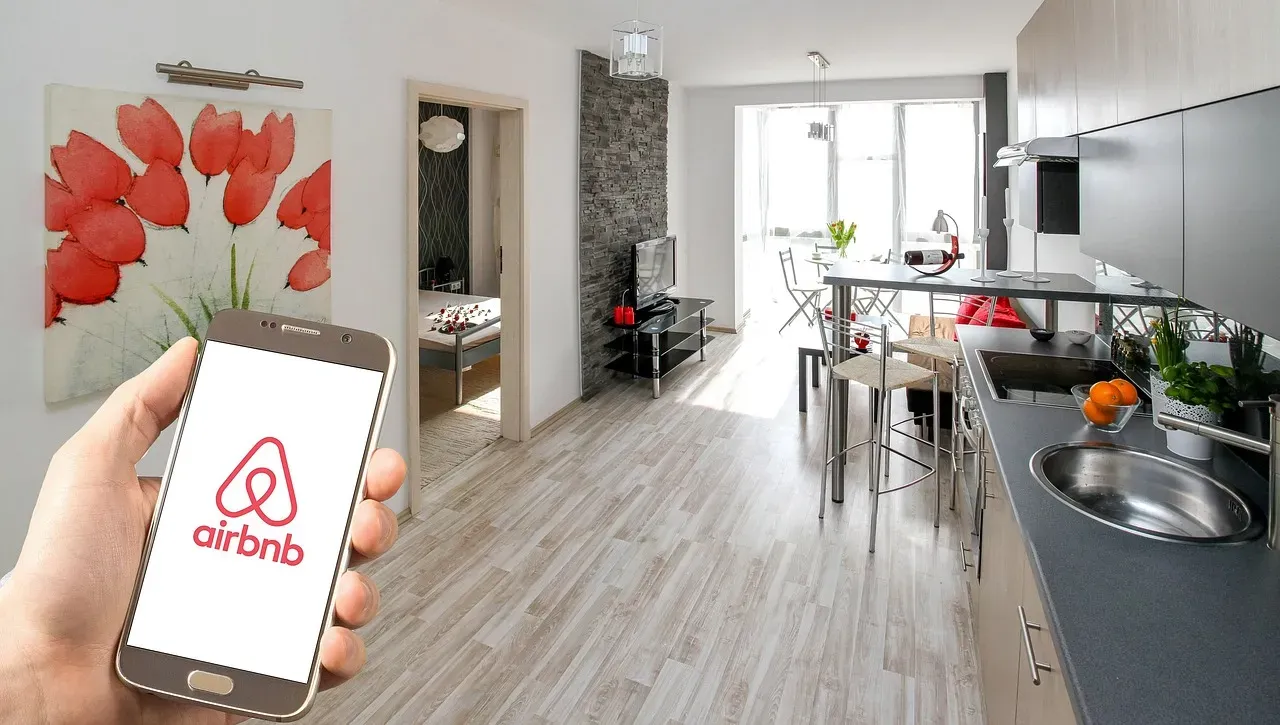
Monthly bookings come with different rules. On Airbnb, a long term cancellation policy applies to monthly stays, which are reservations of 28 or more consecutive nights. One host guide also notes that the 24-hour free cancellation window introduced for short stays in October 2025 does not apply to monthly stays in the same way.
Local law matters too. Some cities restrict or ban stays over 28 days, according to one host advisory, and rules vary widely by location. Before paying a deposit, read the cancellation terms, confirm the total price including fees, and check that the listing is legal where you’re going.





Leave a Reply