
Squealing or screeching when you brake
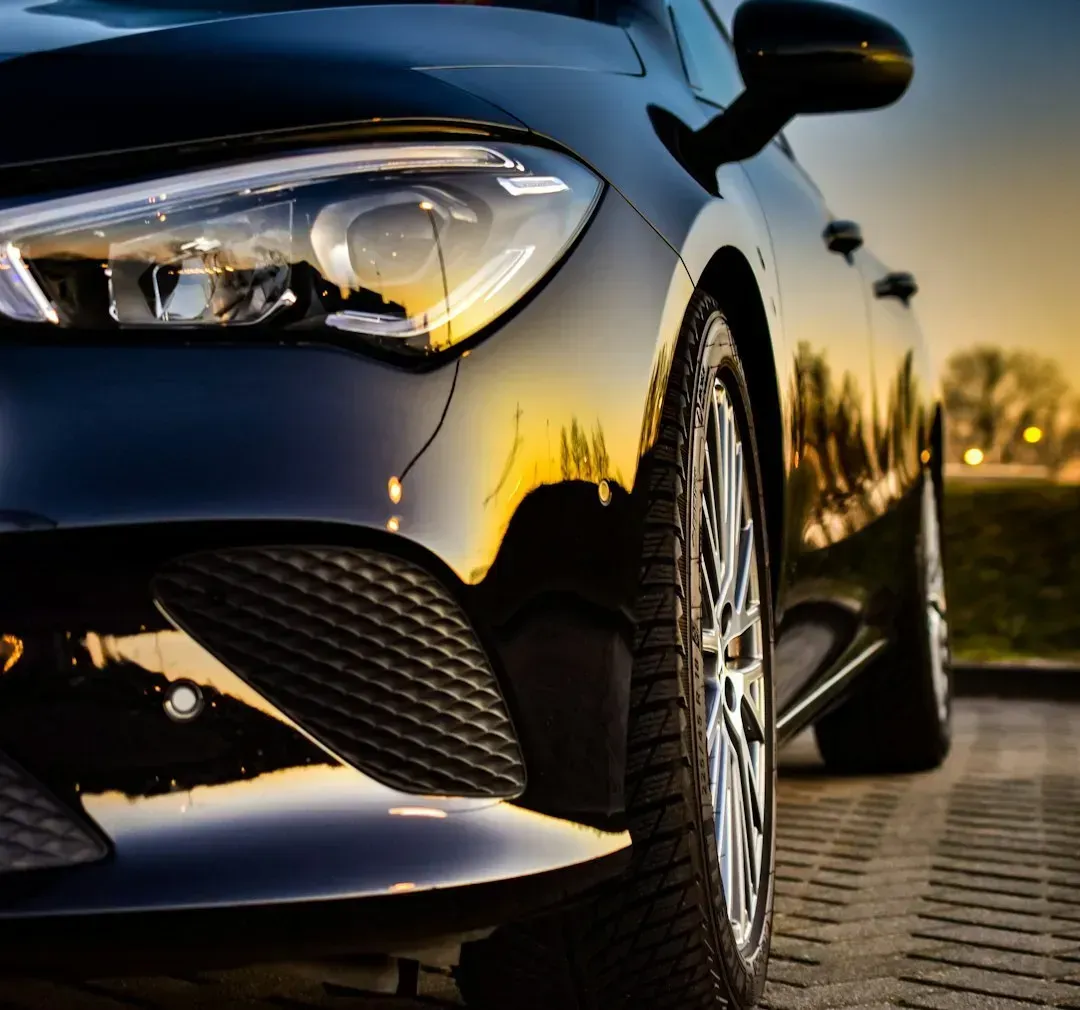
A high-pitched squeal when you press the brake pedal is usually not a coincidence. Many brake pads are built with a small metal wear indicator that intentionally scrapes against the rotor once the friction material gets thin, producing that sharp sound as an early alert. It’s designed to be annoying enough that you notice it before the pads wear down completely.
Ignoring this noise for too long can let the pads wear past the indicator and into the metal backing plate, which then grinds directly against the rotor. That turns a simple pad replacement into a more expensive rotor replacement, and it also reduces stopping power right when you need it most. Getting brakes checked as soon as squealing starts is one of the cheapest ways to avoid a costly repair later.
Grinding sounds from the brakes or wheels
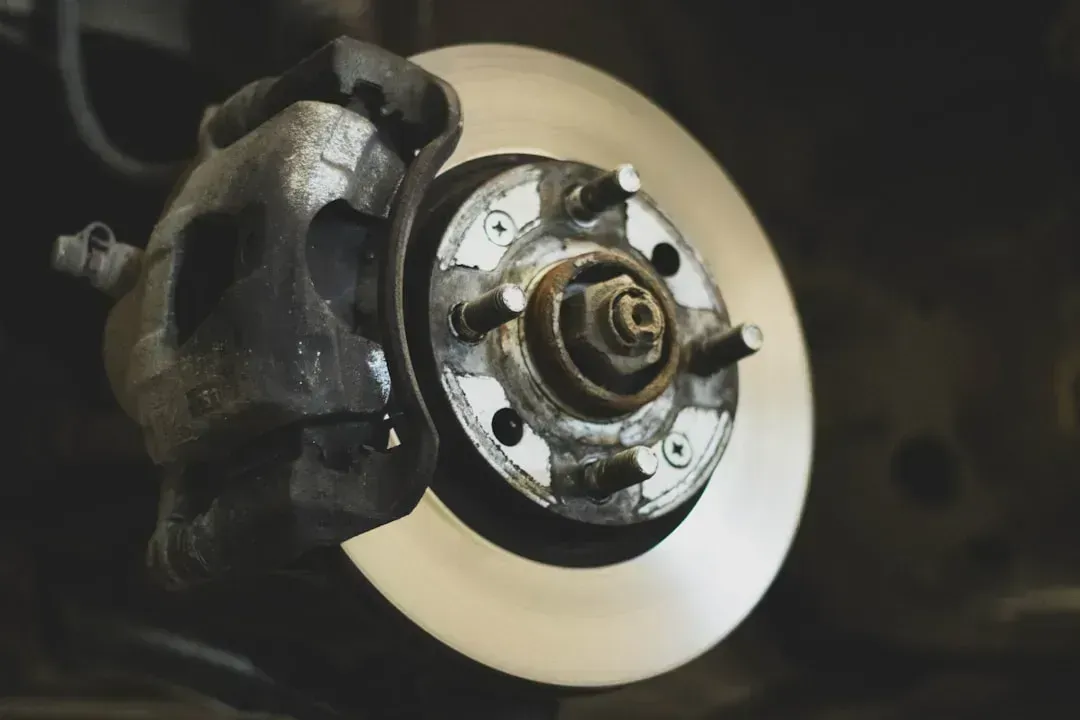
Grinding is a step beyond squealing and usually signals that brake pads have worn down completely, leaving metal to rub against metal. This can happen quickly on vehicles that see a lot of stop and go driving, since heat and friction accelerate pad wear in city conditions. Grinding while braking should be treated as an immediate safety concern rather than something to schedule for next week.
Grinding noises that occur while driving, not just when braking, can point to a failing wheel bearing instead. Wheel bearings allow the wheel to spin smoothly, and once they degrade, they often produce a rumbling or grinding sound that gets louder with speed. A worn bearing can eventually cause a wheel to lock up or separate, so this is not a noise to postpone diagnosing.
Knocking or pinging from the engine
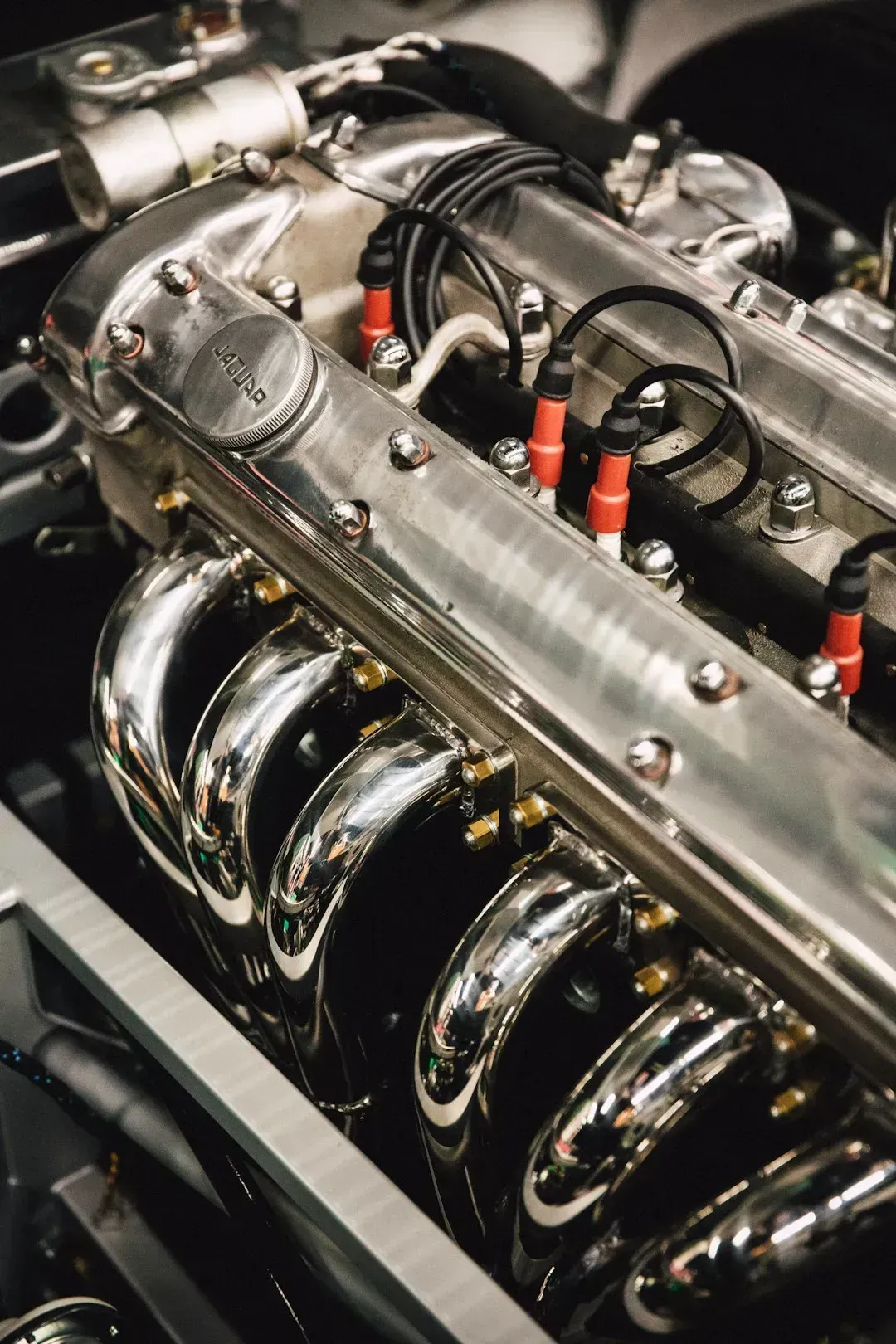
A knocking or pinging sound from under the hood, especially during acceleration, is often linked to what mechanics call engine knock or detonation. This happens when fuel burns unevenly inside the cylinders instead of igniting in a clean, controlled way, creating small shockwaves that produce that metallic pinging noise. Using the wrong octane fuel, carbon buildup, or a failing sensor can all contribute to this issue.
Left unaddressed, persistent engine knock can damage pistons, cylinder walls, or bearings over time, since those repeated shockwaves place extra stress on internal components. Modern engines with knock sensors can often adjust timing automatically to reduce damage, but that’s a compensation, not a fix. A mechanic can usually trace the sound to its source with a diagnostic scan and a few targeted checks.
A rhythmic clicking sound while turning
If you hear a clicking or popping noise specifically when turning, especially in front-wheel-drive vehicles, a worn CV joint is a common culprit. CV joints allow the drive axle to flex and transmit power smoothly to the wheels even as they turn, and they’re protected by a rubber boot filled with grease. Once that boot cracks or tears, dirt and moisture get in, the grease leaks out, and the joint starts to wear unevenly.
This clicking tends to get louder and more frequent as the joint deteriorates, particularly during sharp turns like parking lot maneuvers. If a CV joint fails completely while driving, it can cause a sudden loss of power to that wheel, which is both inconvenient and potentially dangerous in traffic. Replacing the boot early, before the joint itself is damaged, is usually a fraction of the cost of a full CV joint replacement.
Hissing or whining under the hood
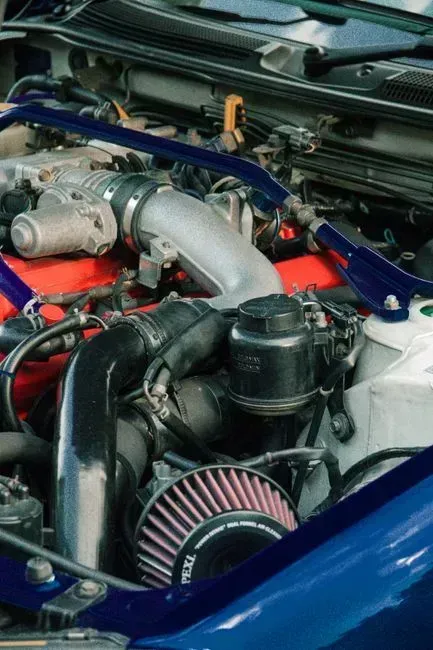
A hissing sound after you turn off the engine is often just pressure equalizing in the cooling system, which is normal. However, a hissing noise while the engine is running can indicate a vacuum leak, a coolant leak hitting a hot surface, or an issue with the exhaust system. Any of these can affect engine performance or, in the case of coolant, lead to overheating if not addressed.
A high-pitched whining sound, on the other hand, is frequently tied to belts. A serpentine belt that’s slipping, misaligned, or wearing out can produce a whine that changes pitch with engine speed, especially when accessories like the air conditioning or power steering are in use. Power steering fluid that’s low can also cause a whining noise when turning the wheel, and it’s an easy thing to check before assuming a bigger repair is needed.
A low rumble or roar that grows louder over time
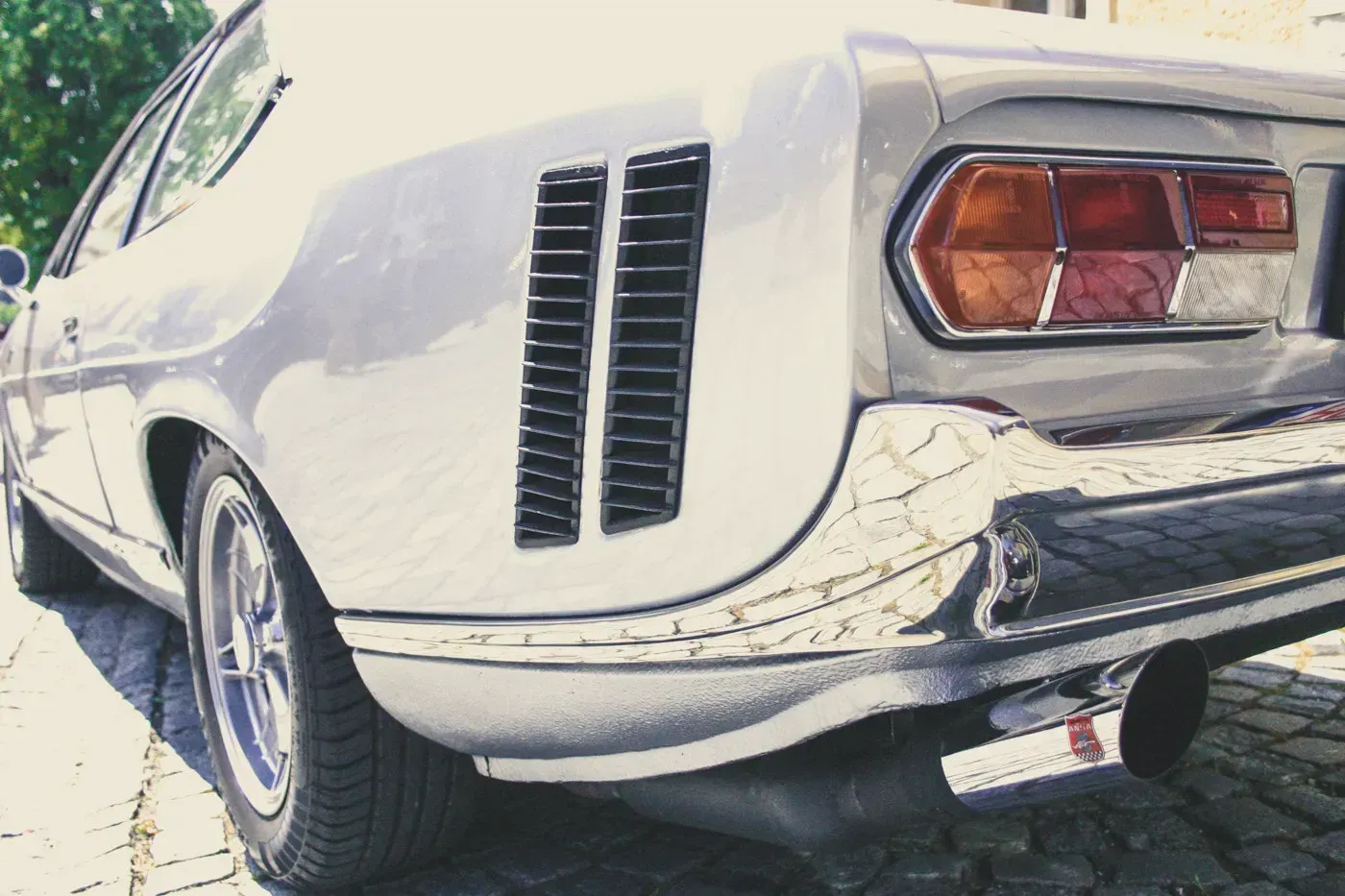
A rumbling or roaring sound that gradually increases in volume, particularly one that seems to come from underneath the car, often points to the exhaust system. A cracked manifold, a corroded muffler, or a loose pipe connection can all let exhaust escape before it’s properly filtered and quieted, creating that deep, uneven roar. This is more common in regions with harsh winters, where road salt accelerates rust on exhaust components.
Beyond the noise itself, exhaust leaks matter because they can allow carbon monoxide to enter the cabin, particularly if the leak is near the front of the system or there’s a hole in the floor pan. Modern vehicles are generally well sealed against this risk, but older cars or those with rust damage are more vulnerable. Any noticeable increase in exhaust noise is worth a quick inspection, both for the sake of your ears and for basic safety.





Leave a Reply