
Cat owners tend to worry about the wrong things. They fret over expensive toys, premium food brands, or whether their cat gets enough playtime. Meanwhile, some of the clearest signs of a well-adjusted, healthy cat are sitting quietly in plain sight, often overlooked because they seem too mundane to matter.
The truth is, a cat’s home environment tells a story about its physical and emotional health. Certain everyday items, when they remain intact, used, or simply present, reveal that a cat feels secure and is thriving. Their sudden disappearance or disuse, on the other hand, can be an early signal that something is off.
1. A Scratching Post With Visible Wear
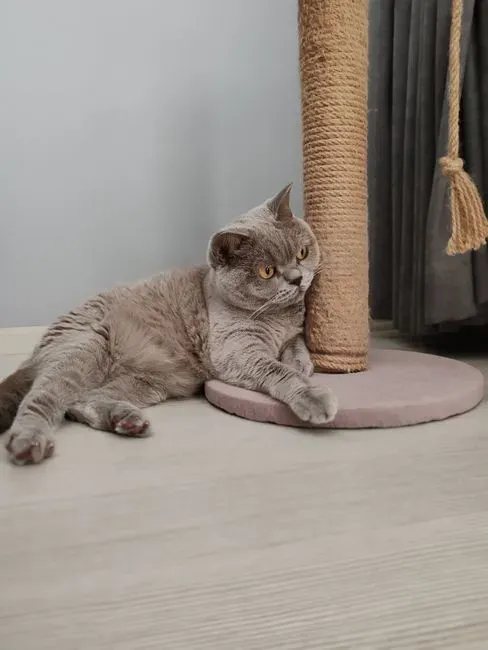
A scratching post covered in frayed fibers and claw marks is not a sign of destruction. It is proof that a cat is engaging in one of its most instinctive behaviors in an appropriate, designated spot rather than on furniture or carpets. Scratching helps cats shed the outer layers of their claws, stretch their muscles, and mark territory through scent glands in their paws.
If the scratching post sits untouched while the couch shows damage instead, that is a signal worth addressing, but a well-loved, shredded post is actually the goal. Veterinary behaviorists commonly note that redirecting scratching to acceptable surfaces is a marker of successful training and environmental enrichment. A post that has clearly been used for months or years suggests the owner picked the right texture, height, and location for their cat’s preferences.
2. Intact Window Perches or Cat Trees
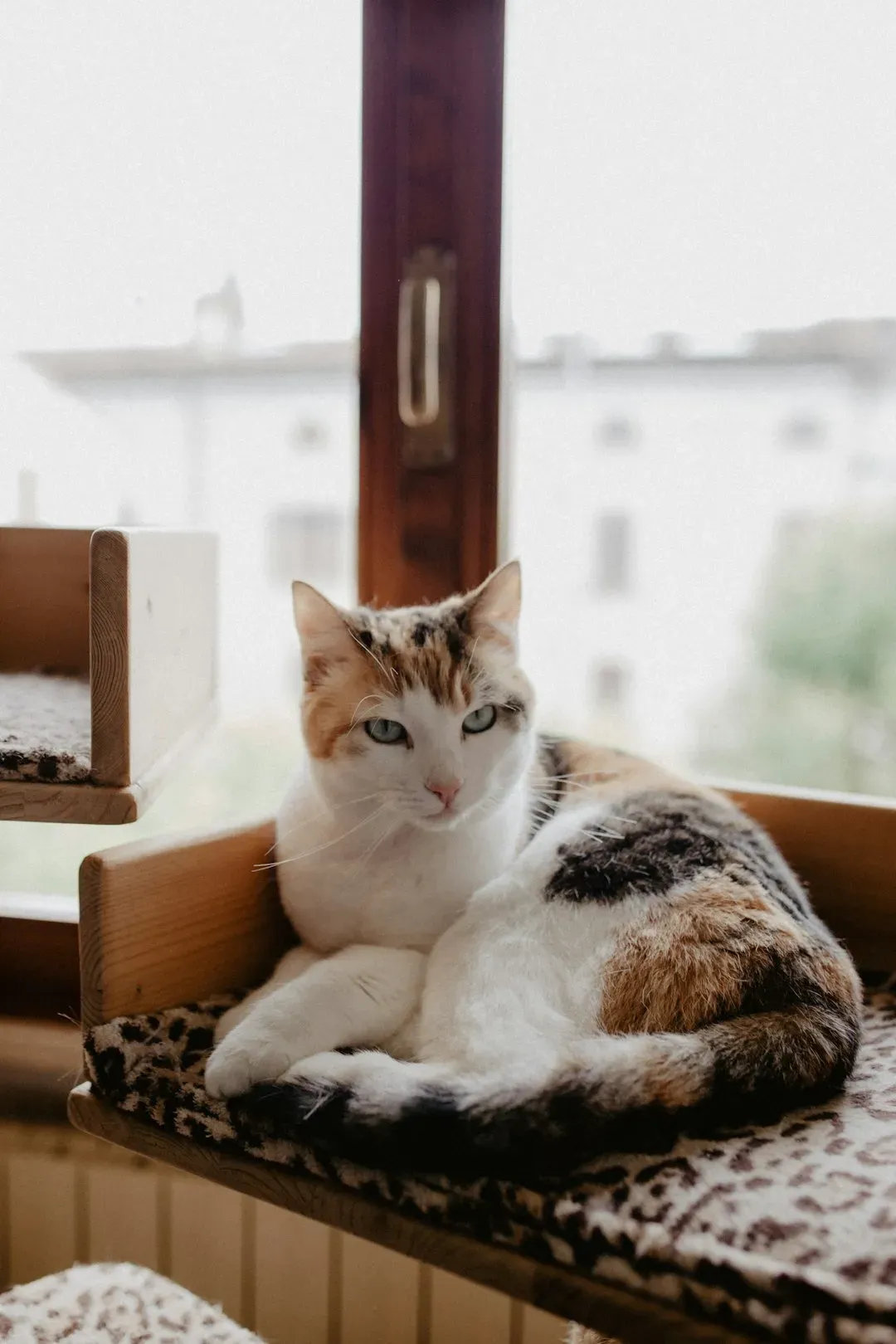
Cats that regularly use window perches or vertical cat trees are displaying healthy curiosity and confidence in their surroundings. Access to elevated spaces allows cats to observe their territory, which reduces stress and satisfies a deep-rooted instinct tied to their wild ancestors, who used height for safety and hunting vantage points. A cat tree with worn fabric or a windowsill cushion that still holds a fur-covered dent shows consistent, contented use.
The absence of interest in these spaces, especially if a cat once used them frequently, can point toward anxiety, pain, or mobility issues such as arthritis. Cats naturally seek vertical territory when they feel safe, so a home where these perches remain well used reflects a stable, low-stress environment. It also suggests the owner understood that cats need more than floor space to feel mentally satisfied.
3. A Variety of Toys in Rotation
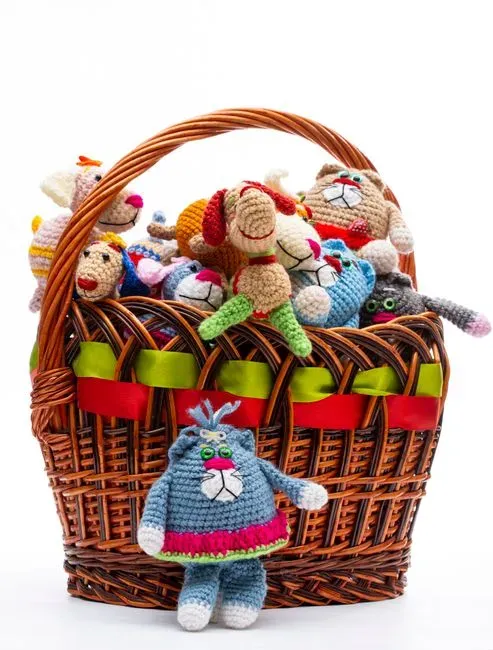
A basket or drawer holding several toys, from wand teasers to small plush mice, indicates that playtime has remained a consistent part of the cat’s routine. Regular play mimics natural hunting sequences of stalking, chasing, and pouncing, which helps cats burn energy and stay mentally engaged. Toys that show signs of use, missing feathers, chewed edges, or faded colors, suggest ongoing interaction rather than items bought once and forgotten.
Owners who rotate toys periodically are often following expert advice to prevent boredom, since cats can lose interest in the same object after repeated exposure. A cat that still chases a toy mouse across the floor at a mature age is likely getting the physical and cognitive stimulation it needs. If toys sit untouched and gather dust, it may reflect either a cat that has lost interest due to age or illness, or simply a household routine that phased out play, both worth a closer look.
4. A Litter Box That Is Cleaned but Not Replaced Too Soon
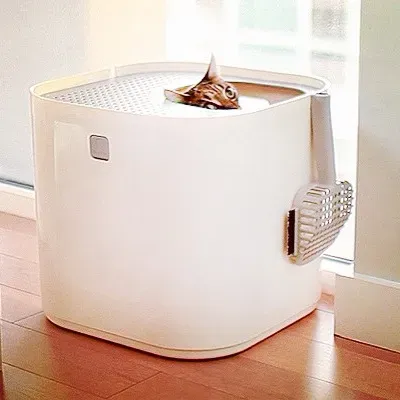
An intact, well-maintained litter box, not brand new, but clearly cared for, tells you a great deal about a cat’s daily habits and health monitoring. Veterinarians often recommend scooping waste daily and keeping an eye on the frequency and consistency of a cat’s bathroom habits, since changes can be early indicators of urinary tract issues, kidney disease, or stress. A litter box that shows regular use without major behavioral avoidance, such as accidents outside the box, suggests the cat is comfortable with its setup and location.
The size, depth, and cleanliness of the box matter more than people realize, and owners who have kept the same reliable box for years, cleaning it consistently rather than replacing it reactively, are usually paying close attention to their cat’s elimination patterns. This ongoing awareness is one of the simplest ways to catch health problems early. A cat that avoids a previously used box, or an owner who notices sudden changes in frequency, should treat that as a signal to consult a veterinarian rather than dismiss it.
5. Grooming Tools Still in Use
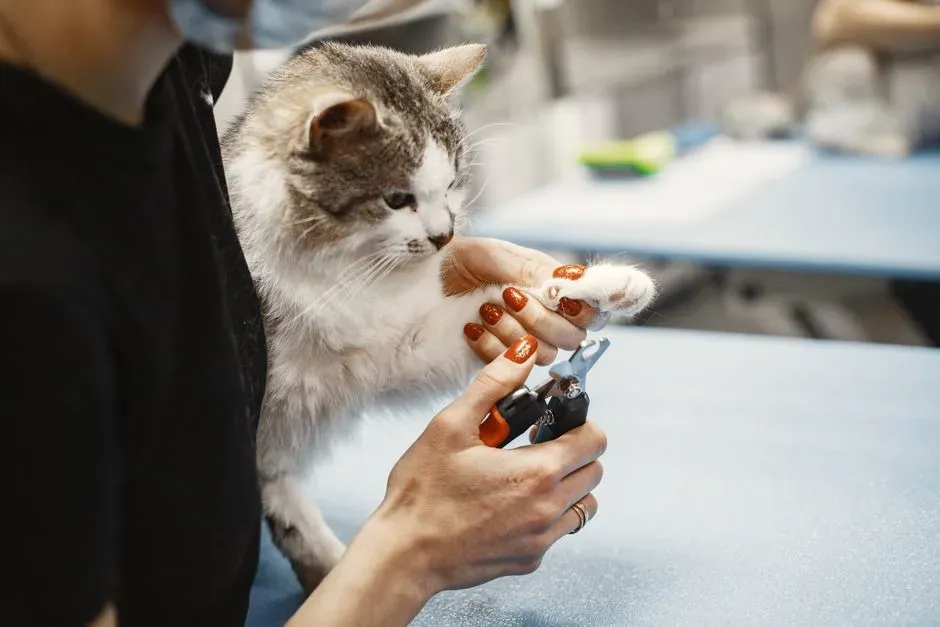
Brushes, combs, and grooming gloves that show accumulated fur are a good indication that regular grooming sessions have remained part of the household routine. Even cats that groom themselves thoroughly benefit from human assistance, especially long-haired breeds prone to matting or cats in their senior years who may struggle to reach certain areas. Regular brushing also reduces hairballs and gives owners a chance to check for lumps, parasites, or skin issues during the process.
A grooming tool with worn bristles or a handle smoothed from repeated use suggests years of consistent care rather than a one-time purchase that got forgotten in a drawer. This kind of routine touch also strengthens the bond between cat and owner, since many cats come to associate grooming sessions with calm, positive attention. When these tools disappear from regular use, it may simply reflect a self-sufficient cat, but it can also mean grooming has lapsed, something worth noticing especially as cats age.
6. Familiar Bedding or a Favorite Blanket
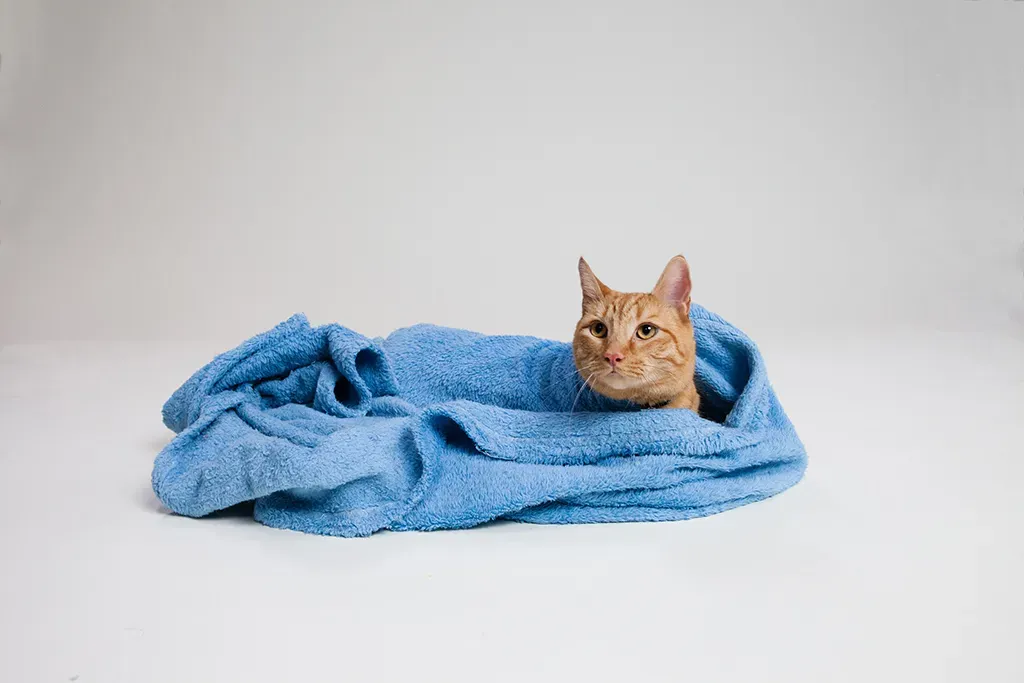
A worn blanket, a flattened cat bed, or a favorite cushion that still holds a permanent indentation shows that a cat has claimed a comforting, consistent space within the home. Cats are creatures of habit who thrive on predictability, and having a reliable spot to retreat to helps reduce stress, particularly in multi-pet households or homes with frequent visitors. The scent and texture of familiar bedding provide a sense of security that new, unfamiliar items simply cannot replicate right away.
Owners who resist the urge to constantly replace bedding, opting instead to wash and preserve a cat’s favorite spot, are often responding to their pet’s clear preferences. This attentiveness reflects an understanding that comfort items matter for feline emotional wellbeing, not just aesthetics. If a cat suddenly abandons a long-favored bed or blanket, it can be worth watching closely, since this shift sometimes accompanies stress, illness, or changes in the home environment.
None of these six items are flashy or expensive, but their presence and consistent use speak volumes about the quality of care a cat receives. Owners who notice these details are usually the ones paying close attention to the subtle language cats use to express comfort, security, and health. Keeping an eye on these everyday markers can make it easier to catch problems early and keep a cat thriving for years to come.




Leave a Reply