
1. Waiting patiently before eating
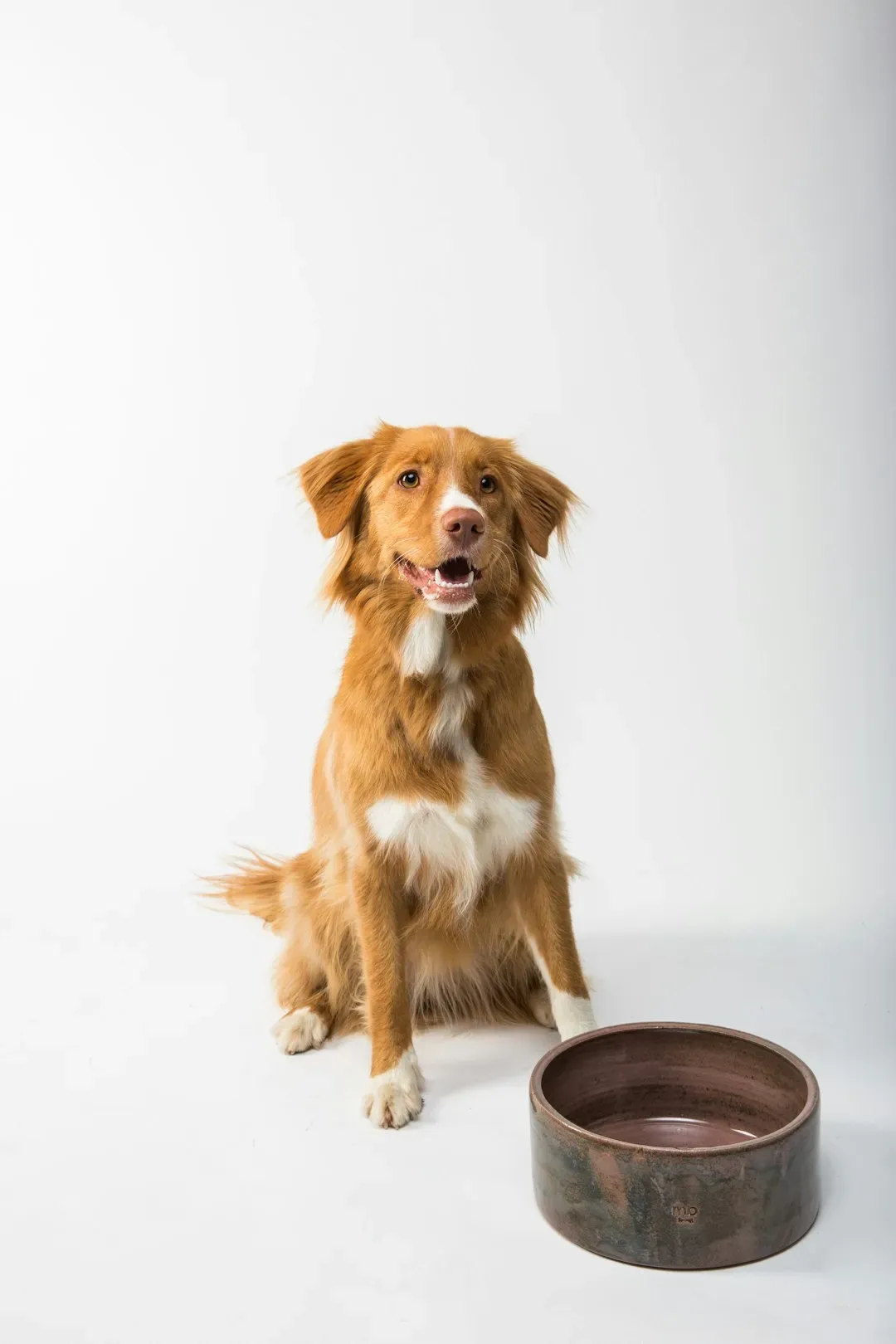
A well-mannered dog doesn’t lunge at the food bowl the second it hits the floor. Instead, it sits or waits for a release cue, a habit trainers often build using simple impulse control exercises during puppyhood. This small pause teaches dogs that humans control resources, which reduces resource guarding and food-related anxiety later in life.
Veterinary behaviorists frequently point to feeding time as one of the easiest windows for teaching self-control. Dogs that skip this step and never learn to wait often show pushier behavior in other areas too, like jumping or grabbing items off counters. The habit isn’t about dominance; it’s about building a dog that can pause and think before acting.
2. Walking without pulling on the leash
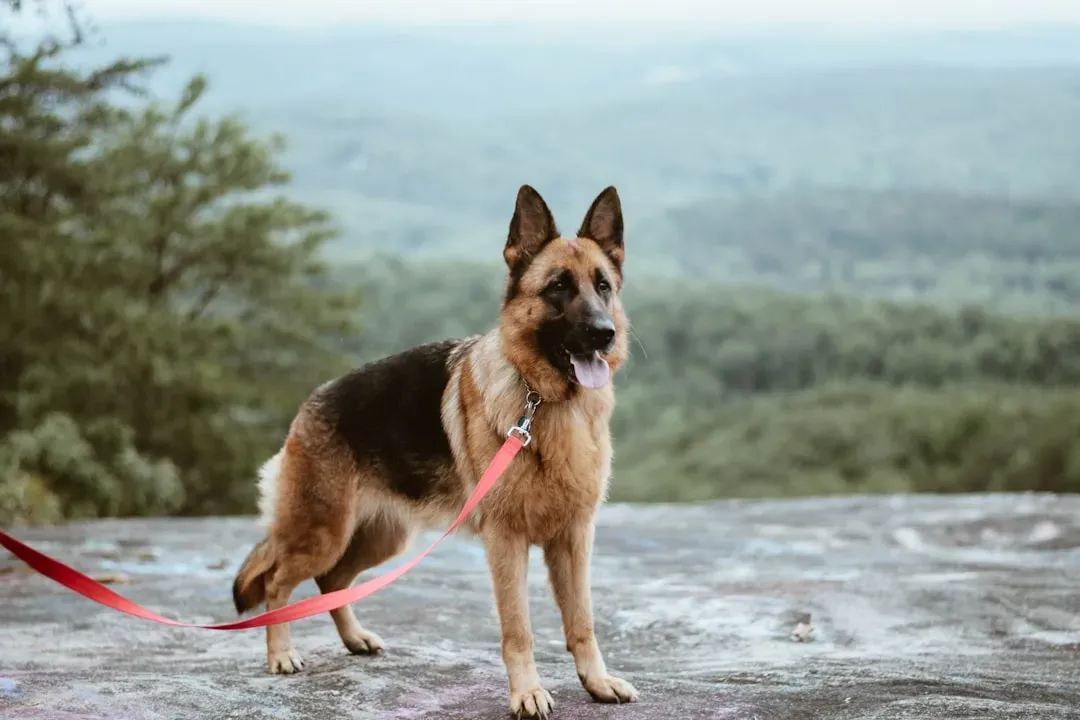
Loose-leash walking is one of the most requested skills at dog training studios, and for good reason. A dog that walks calmly beside its owner, rather than dragging them toward every squirrel or scent, typically had consistent leash training as a puppy. This isn’t just about convenience; it reflects a dog’s ability to regulate excitement in a stimulating environment.
Professional trainers note that leash reactivity and pulling are among the top behavioral complaints from dog owners, according to surveys from organizations like the American Kennel Club. Dogs that never developed loose-leash habits often struggle with impulse control in other high-arousal situations, such as greeting guests or encountering other animals. A calm walker is usually a dog whose early experiences included plenty of structured outdoor time.
3. Responding reliably to its name
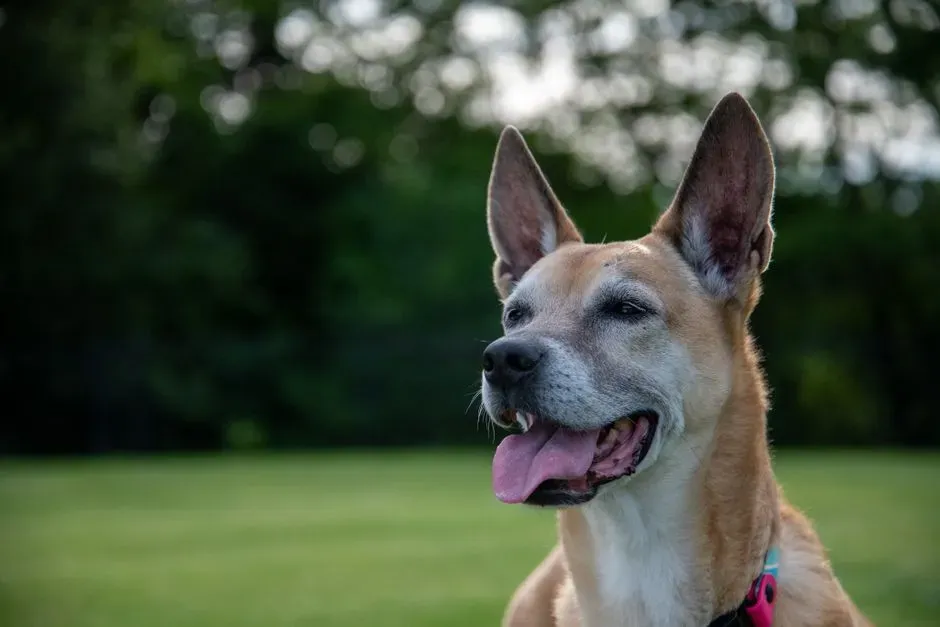
Coming when called, or at least turning to look, is a foundational cue that well-raised dogs rarely lose. This response is typically one of the first things taught during puppy socialization classes, since it forms the basis for recall training and general attentiveness. A dog that ignores its name entirely, even in low-distraction settings, often missed out on this early groundwork.
Name recognition also signals a stronger bond between dog and owner. Dogs learn to associate their name with positive attention rather than punishment, which keeps them engaged rather than avoidant. This habit tends to persist for life when it’s reinforced consistently, especially during the critical socialization window between eight and sixteen weeks of age.
4. Tolerating being handled, brushed, and examined
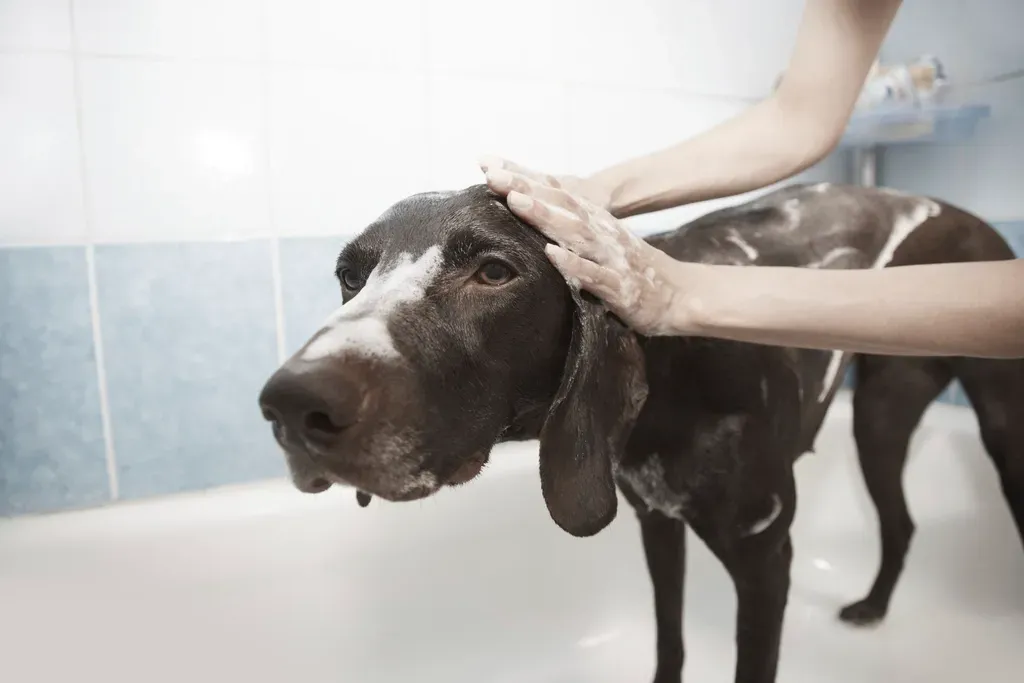
Dogs that stay relatively calm during nail trims, ear checks, or a trip to the vet usually had early exposure to gentle handling exercises. Breeders and trainers often introduce touch desensitization in the first few weeks of a puppy’s life, which pays off enormously once the dog is fully grown and stronger. Without this groundwork, even routine grooming can turn into a stressful ordeal for both the dog and the owner.
Veterinary clinics frequently cite handling tolerance as one of the clearest indicators of a well-socialized dog. Dogs that panic or snap during basic exams often experienced little to no early handling practice, which can make necessary medical care far more difficult later. A dog that lets you check its paws or ears without a fight is showing the results of deliberate, patient training.
5. Settling down on command
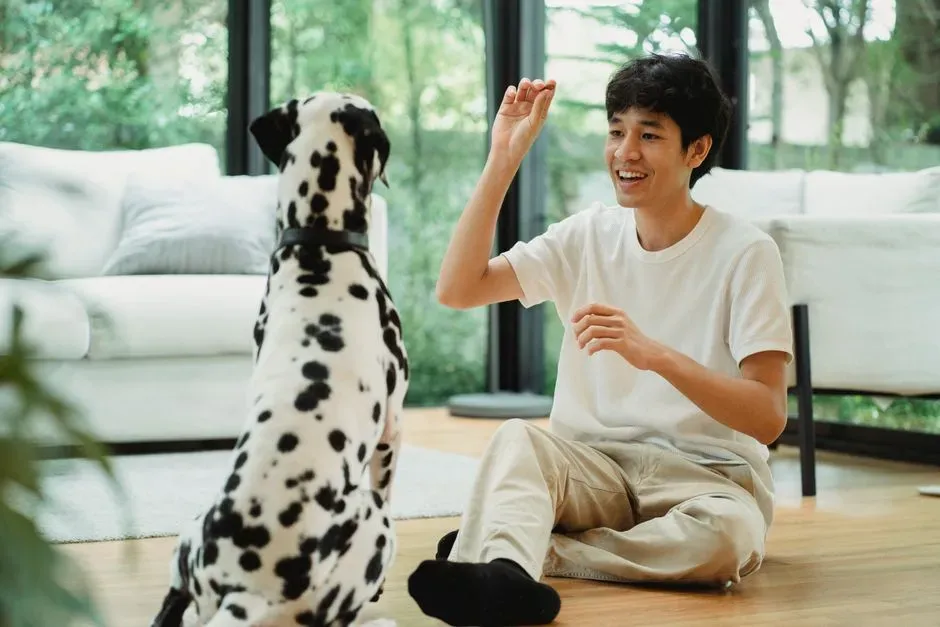
The ability to lie down and relax on cue, whether it’s a mat, a bed, or just a designated spot, is a skill that separates well-trained dogs from perpetually anxious ones. This habit is often taught through “place” or “settle” training, which many professional trainers consider essential for dogs living in busy households. A dog that can settle during dinner parties, thunderstorms, or visits from strangers is showing genuine emotional regulation, not just obedience.
This skill typically takes weeks or months of consistent practice to solidify. Dogs without it tend to pace, whine, or bark excessively whenever the environment becomes even slightly unpredictable. The presence of a reliable settle command usually points to an owner who prioritized calmness as much as physical exercise.
6. Greeting people without jumping
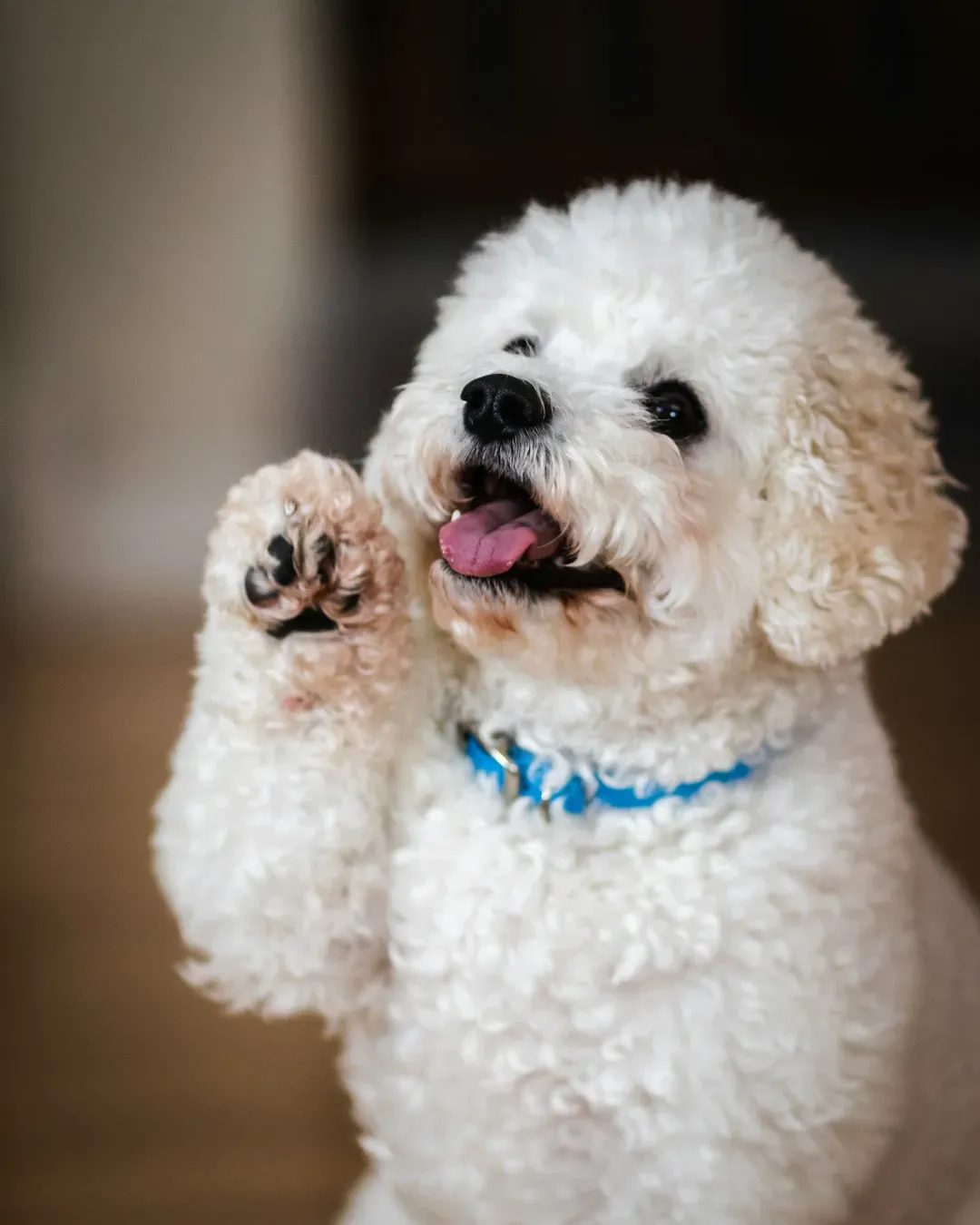
Jumping up is one of the most common behaviors dog owners try to correct, and dogs that never developed the habit, or grew out of it early, usually had consistent redirection during puppyhood. Trainers often teach alternative greetings, like sitting for attention, as a replacement behavior starting as young as eight weeks old. A dog that greets guests with all four paws on the ground reflects that this training stuck long-term.
This habit matters beyond etiquette. Jumping can be dangerous for children, elderly visitors, or people with mobility issues, which is why many professional trainers rank it as a priority behavior to address early. A dog that has maintained polite greetings into adulthood is a strong sign of ongoing reinforcement rather than a one-time lesson that faded.
7. Respecting basic boundaries around furniture and doorways
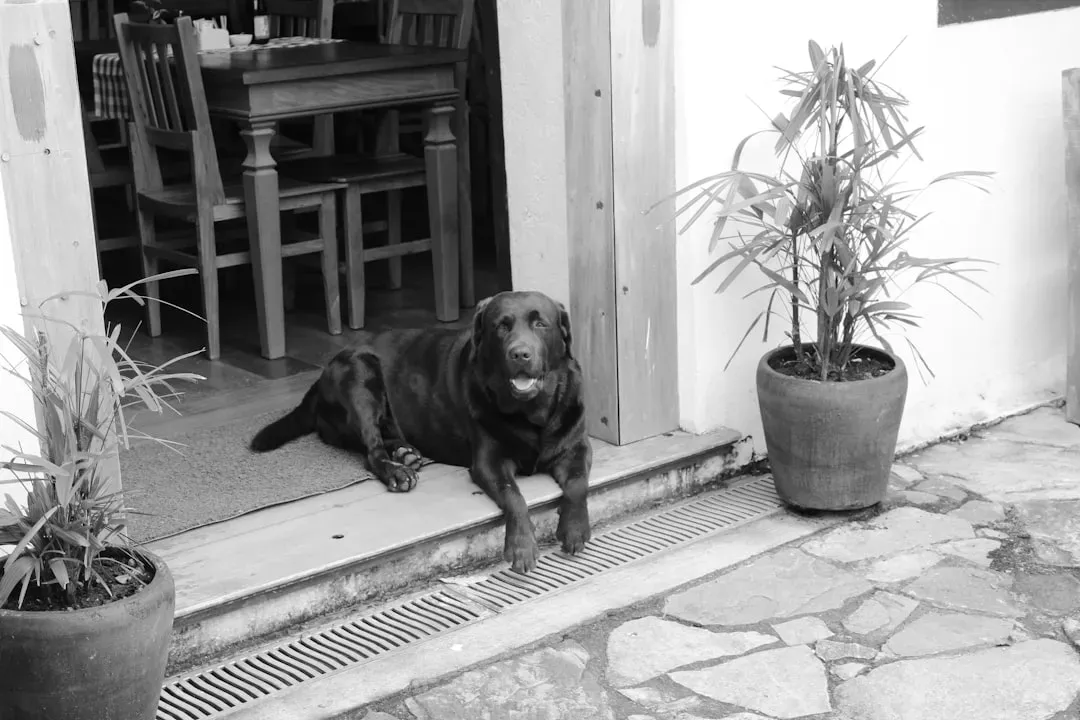
Whether or not a dog is allowed on the couch is a personal choice, but respecting whatever boundary was set, and waiting at doorways instead of barreling through, reflects consistent household rules. Dogs that wait for permission before crossing thresholds typically had structured training around impulse control and space awareness. This isn’t about restricting a dog’s freedom; it’s about teaching patience in everyday transitions.
Door-dashing is actually a common safety concern, since dogs that bolt outside unsupervised face higher risks of getting lost or hit by vehicles. Trainers often recommend threshold training specifically to prevent this, reinforcing it through repetition until it becomes automatic. A dog that pauses at the door before being invited through is demonstrating a habit built on months, sometimes years, of consistent expectations.
These seven habits rarely appear by accident. They’re the visible result of early socialization, patient repetition, and owners who treated training as an ongoing relationship rather than a one-time puppy class. When a dog carries these behaviors into adulthood, it usually reflects a foundation built with care, and one that continues to shape how the dog interacts with the world around it.



Leave a Reply