
Every November, millions of people announce the same grand plans: this year will be different. This year, the handmade cards will actually get sent, the advent calendar will make it to December 24th, and the outdoor lights will come down before February. The intentions are real, the enthusiasm is genuine, and then, somewhere along the way, life quietly wins.
Holiday traditions have a peculiar power. They feel deeply important in the planning stage, warm and nostalgic in their early days, and then somehow exhausting by the second week of December. What follows are ten of the most common traditions that people launch with full conviction each season, and then, more often than not, never quite see through to the end.
1. The Advent Calendar
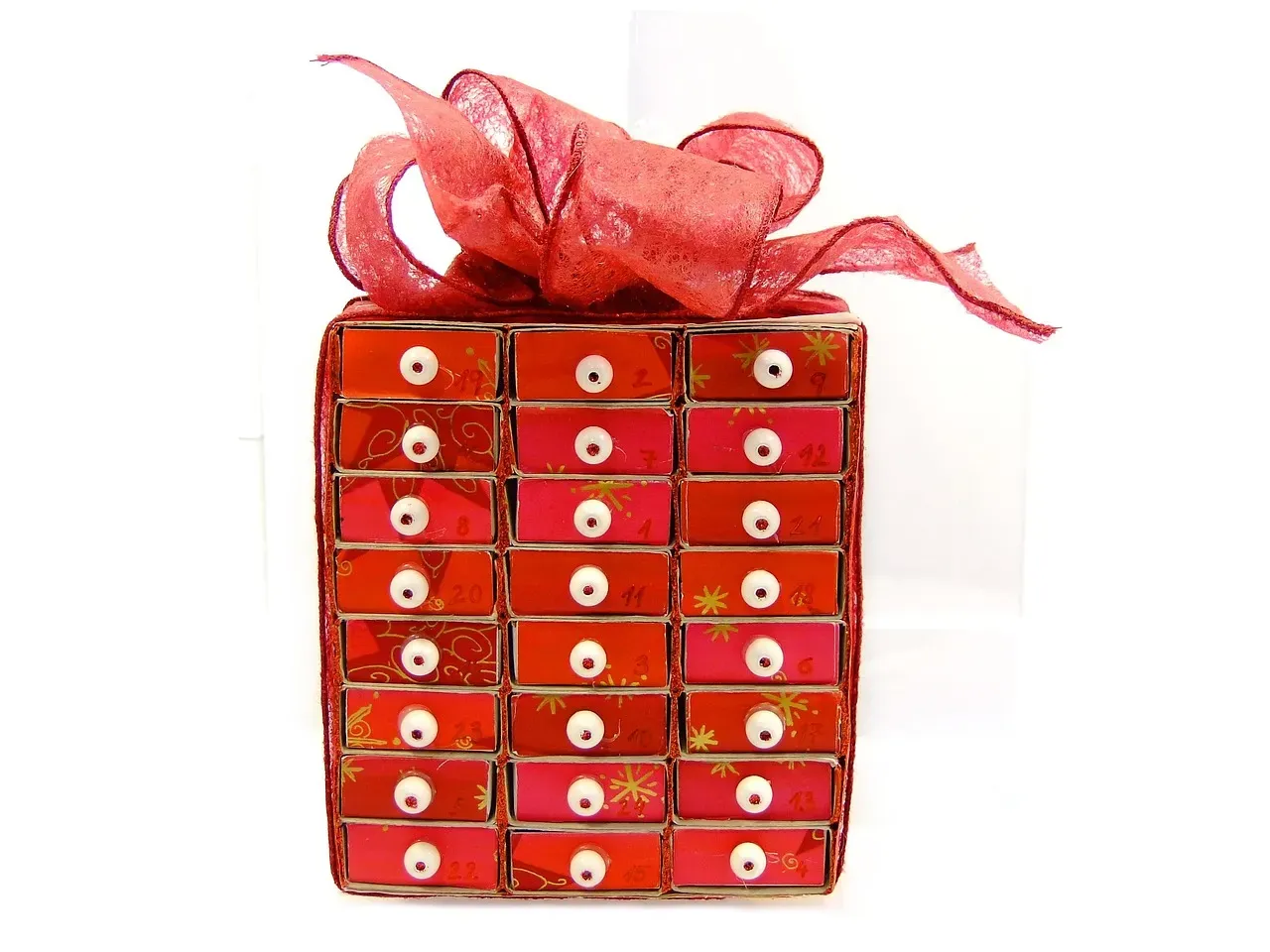
An advent calendar is used to count the days leading up to Christmas, and since the date of the First Sunday of Advent varies, most reusable versions simply begin on December 1. The ritual sounds straightforward: open one door, enjoy one small surprise, repeat for 24 days. In practice, many families miss a day or two by mid-December, then try to “catch up” by opening several at once, which somewhat defeats the meditative, day-by-day purpose of the whole thing.
Advent calendars have become a lucrative seasonal marketing play for brands because they evoke powerful themes, including daily surprise-and-delight moments and social media virality. More customers and independent retailers are ordering advent calendars well in advance of the Christmas season, and the brands that sell them say they are ramping up production to meet demand. People buy in with real enthusiasm. Finishing, it turns out, is the harder part.
2. Sending Physical Christmas Cards
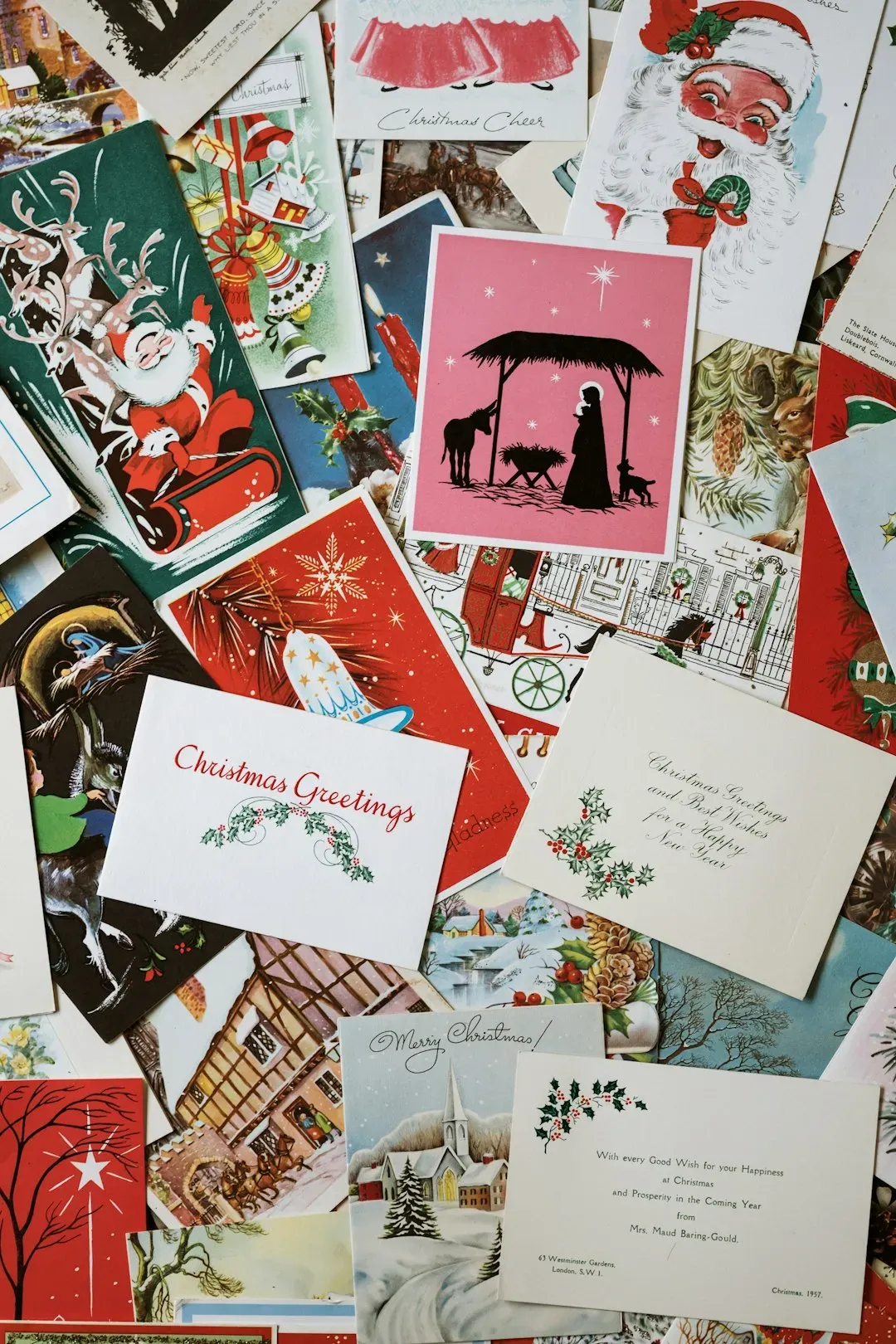
Despite years of warnings that the humble holiday card would be killed off by digital replacements, Americans still send 1.1 billion annually, according to the US Postal Service. That number sounds impressive, until you consider how many cards get bought, addressed partially, and then abandoned on a kitchen counter somewhere around December 18th. The stack of unsent cards is one of the season’s quieter symbols of good intentions falling short.
A survey of 2,000 US adults found that two in three people prefer to receive physical cards as opposed to digital ones, including among millennial and Gen Z respondents. People genuinely value the physical card. There’s even a noted decline in the volume of cards being bought overall, though people are spending more on individual cards for close family and friends. The shift tells its own story: the tradition survives, but in a trimmer, less completed form.
3. Elaborate Outdoor Light Displays

Decorations appear to act as a bridge, fostering connections in neighbourhoods where people might otherwise remain distant, and encouraging festive traditions like coordinated street decorations might even strengthen community bonds. This is the spirit behind those ambitious outdoor lighting plans. Most people who string lights are genuinely trying to create something joyful for the whole street. The problem isn’t the putting-up. It’s the taking-down.
According to a survey, roughly the vast majority of people put away Christmas decorations sometime in January, with about half taking them down on or around New Year’s Day. Yet there are always a few stubborn strands clinging to gutters well into March. The National Fire Protection Association notes that more than a third of U.S. home fires involving Christmas trees happen in January, a sobering reminder that procrastinating on the takedown isn’t just an aesthetic problem.
4. Holiday Cookie Baking Marathons
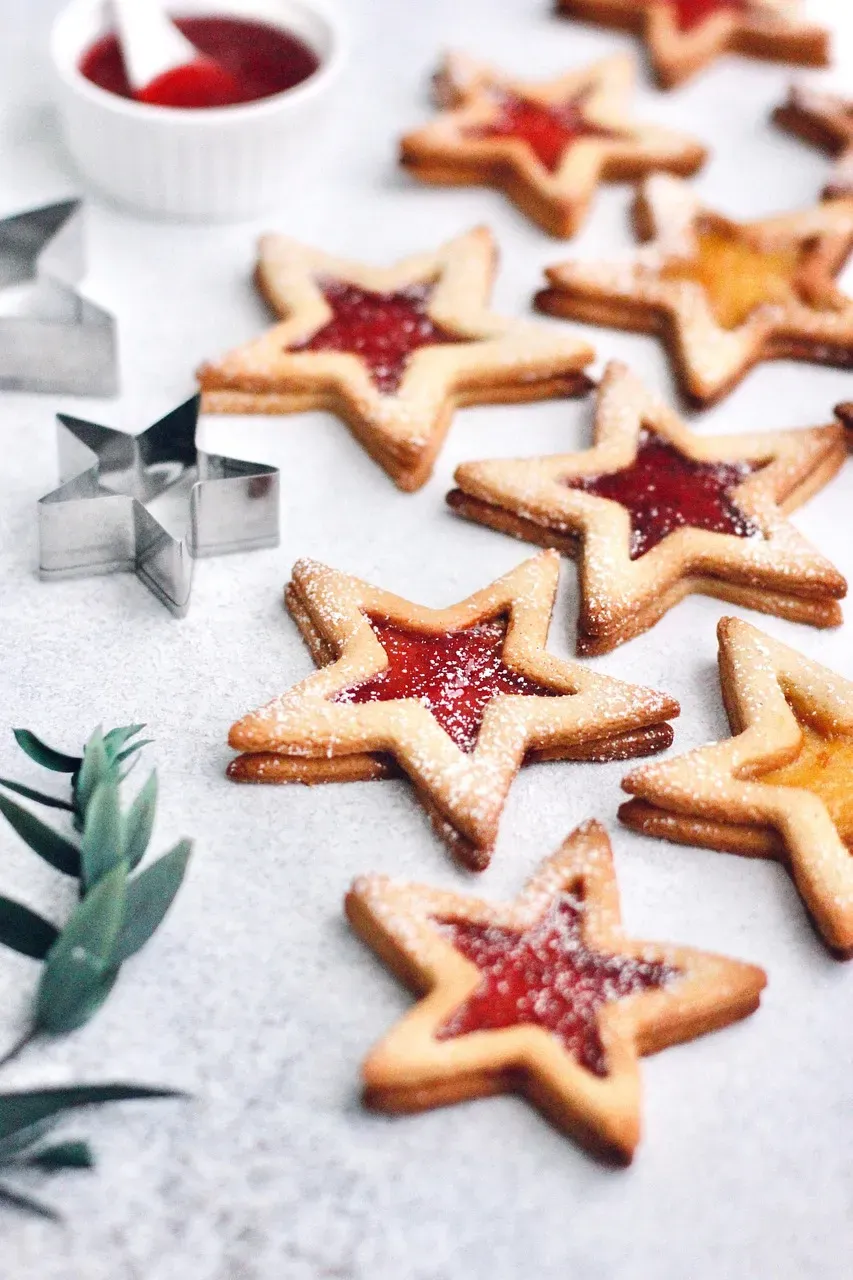
The tradition of holiday baking has deep roots across Europe, particularly in Germany and Scandinavia, where cookies were a way to celebrate abundance and share blessings. These traditions and recipes arrived in the United States via immigration, and by the early 20th century, church groups and homemaker circles organized annual bake sales and recipe exchanges as a way to forge community. The ambition is part of the charm. Someone sees a gorgeous tray of iced sugar cookies online in late November and declares they’ll make six different varieties this year.
Between 2021 and 2022, the cost of cookie ingredients surged by nearly a third while overall inflation climbed just a fraction of that, and costs have remained elevated, climbing back above $8.40 per batch in both 2024 and 2025. For many families, rising costs won’t stop the tradition entirely, but at over $8 for a single batch, what was once an inexpensive gesture now carries real weight in holiday budgets already stretched thin. The marathon gets shorter, not because people don’t love cookies, but because the reality of the effort and cost sets in fast.
5. The Cookie Exchange Party
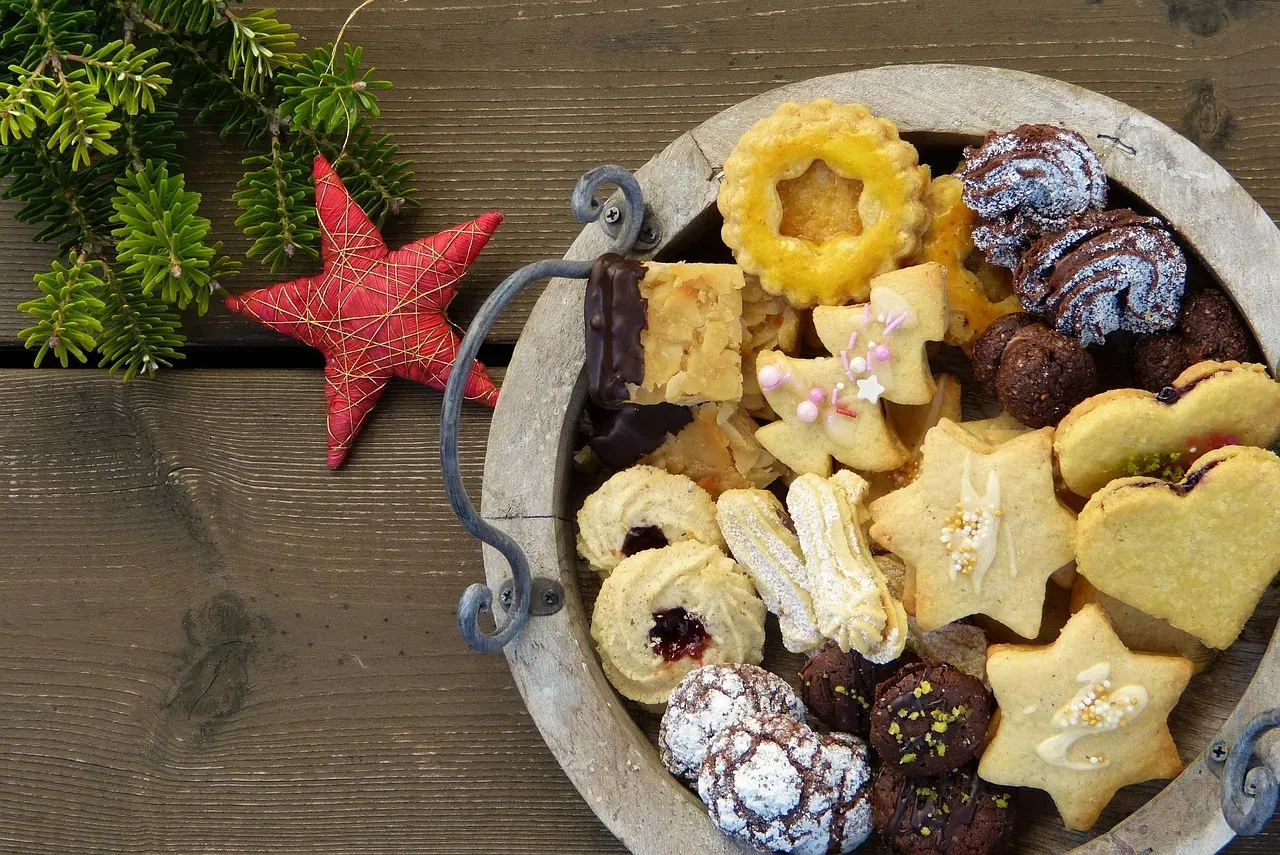
Cookie exchanges are a centuries-old tradition. The classic idea is a holiday party where guests bring a selection of homemade cookies to trade with one another. While the festive event has sweet beginnings, the etiquette associated with them has become elaborate and strict, with guests judged for the quantity and quality of their offering. Someone always volunteers to host with enormous enthusiasm in early December. By the week of the event, schedules have collided, baking has taken longer than expected, and at least two guests have quietly backed out.
Today’s cookie swaps are taking on new modern twists, fueled by a timeless desire for connectedness and ever-evolving recipe lists that include vegan, gluten-free, and global flavors. The event still carries real appeal. A Christmas cookie exchange saves you lots of time in the kitchen, especially if you enjoy setting your holiday table with an assortment of cookies but don’t have time to make them all. Still, the planning gap between “this sounds wonderful” and actually pulling it off reliably claims a portion of would-be hosts every year.
6. Attending Multiple Holiday Gatherings
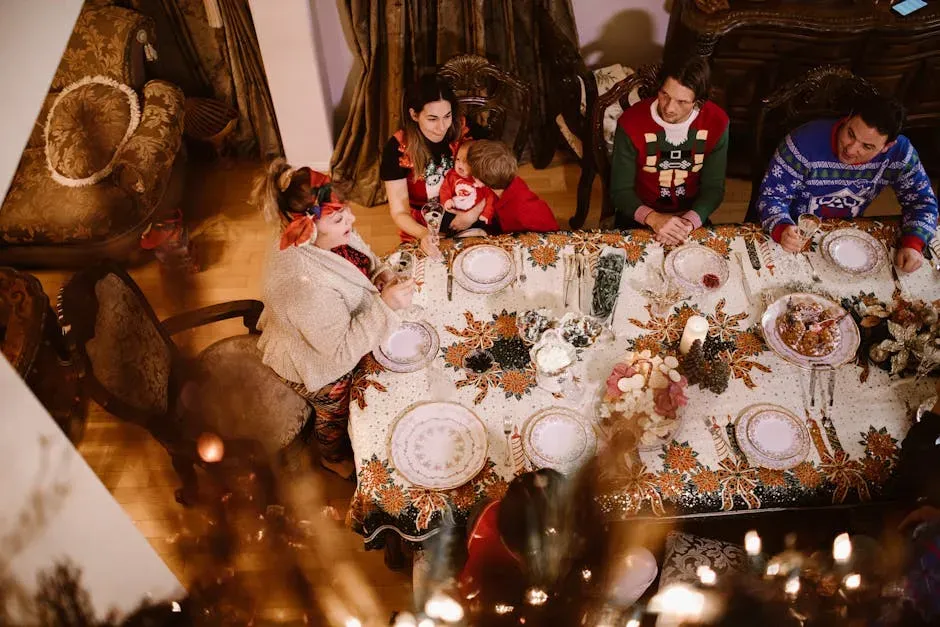
Attendance at holiday gatherings dropped from an average of five events in 2023 to just three in 2024. While excitement for the season remained, people began choosing smaller, more intentional events over larger, more traditional ones. It’s a familiar arc: you say yes to everything in October when December feels far away, and then mid-December arrives with three overlapping invitations in the same weekend.
The pandemic permanently reshaped holiday expectations. Large, loud, multi-day gatherings have lost appeal, replaced by more intentional traditions focused on comfort and authenticity. Many Americans now prefer smaller, more manageable gatherings at home, or choose to host only those whose presence feels meaningful. Nearly half of Americans expect heated discussions at holiday events, often driven by political disagreements, family drama, or generational clashes, which makes it easier to decline that third or fourth invitation without much guilt.
7. Watching the Full Holiday Movie List

Majorities of Americans plan to watch a holiday movie as part of their seasonal traditions, and most of them start December with a mental list that could fill a small cinema. The ritual begins with energy: a themed blanket, a warm drink, a sense of seasonal purpose. Then real life resumes, the list barely moves, and sometime around December 22nd, people settle for one familiar film they’ve already seen a dozen times.
The tradition rarely gets abandoned by choice. It simply gets quietly compressed. People finish the season having watched two or three films instead of twelve, which is still more than most months but rarely lives up to the original vision. It’s one of those traditions where the planning is genuinely enjoyable on its own, perhaps even more so than the execution.
8. Handmaking or Personalizing Gifts

Holiday gift spending has been declining, down roughly eleven percent to an average of $721 compared to $814 in 2024, while travel and entertainment spending has held essentially flat. Budget pressure often nudges people toward DIY gifts as a practical solution. The idea lands in October, the supplies get purchased, and then the actual making part gets deferred week after week until it’s simply too late to pull off.
The tension between what consumers say and what they actually do may also emerge each season, as the desire to preserve traditions often outweighs planned cutbacks. Handmade gifts sit right at this intersection. The intention is sincere, the emotional value would be real, and yet time reliably runs out. Many consumers end up choosing gift cards as a way to stick to their budgets and preserve gift-giving norms, which is a far cry from the heartfelt handcrafted plan that started the season.
9. Properly Taking Down All Decorations on Time

According to Christian tradition, the Christmas season ends on January 6th, the Feast of Epiphany, which is when decorations should formally come down. Some even believe it’s bad luck to leave them up past that date. The intention to honor this tradition is widespread in early January. The follow-through is shakier. A wreath on the door in early February is so common it barely registers as unusual anymore.
Many Americans keep their holiday decorations up into the new year, and decorations have a way of hanging around for days or even a few weeks after Christmas. It could be out of tradition, or it could simply be procrastination. Modern resolution-making around the holidays has become private and casual, often abandoned without ceremony or accountability, and the same can be said for the related task of returning the living room to its non-festive state.
10. Keeping New Year’s Resolutions Made During the Holidays
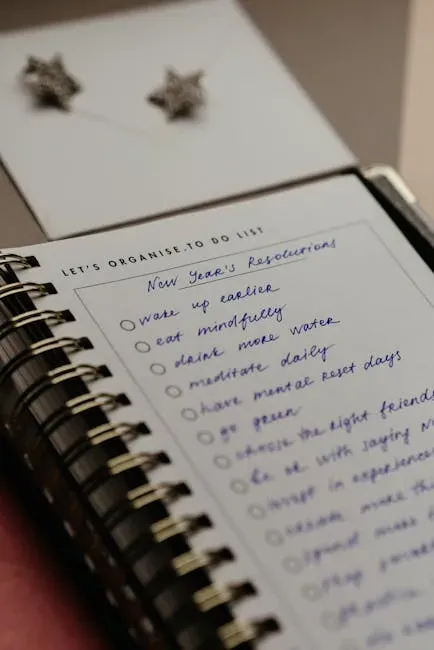
Victorian families once conducted formal New Year’s resolution ceremonies where each member would stand and publicly announce their self-improvement intentions. These gatherings included written contracts that family members signed and displayed in common areas as daily reminders. Children promised to improve behavior while adults committed to moral or professional goals. Modern resolution-making has become private and casual, often abandoned by February without ceremony or accountability.
The holiday season has a particular way of inflating ambition. Warm gatherings, a sense of closure, the clean-slate feeling of a new year: these combine into a kind of optimism that doesn’t always survive contact with January. There is a real sadness in realizing that relief sometimes comes from losing something that once mattered. Traditions depend on continuity, and so do communities. When those erode, the costs don’t disappear – they’re deferred, showing up later in quieter and harder-to-measure ways. That observation applies to resolutions just as much as to baking or card-sending or light displays.
The thread running through all ten of these is not laziness or indifference. It’s something more human: the gap between who we imagine we’ll be in December and who we actually are in the middle of it. The traditions survive because the impulse behind them is genuine. They just get finished less often than anyone admits.





Leave a Reply