
Look through an old wedding album from the 1950s or 1960s and certain details repeat. The bride wears a short veil, the cake is cut in a church hall, and the couple leaves in a shower of rice.
Many of those customs have faded, not because they were bad ideas but because weddings changed shape. Here are twelve that grandparents often took for granted and that younger couples tend to skip today.
Asking the Bride’s Father for Permission
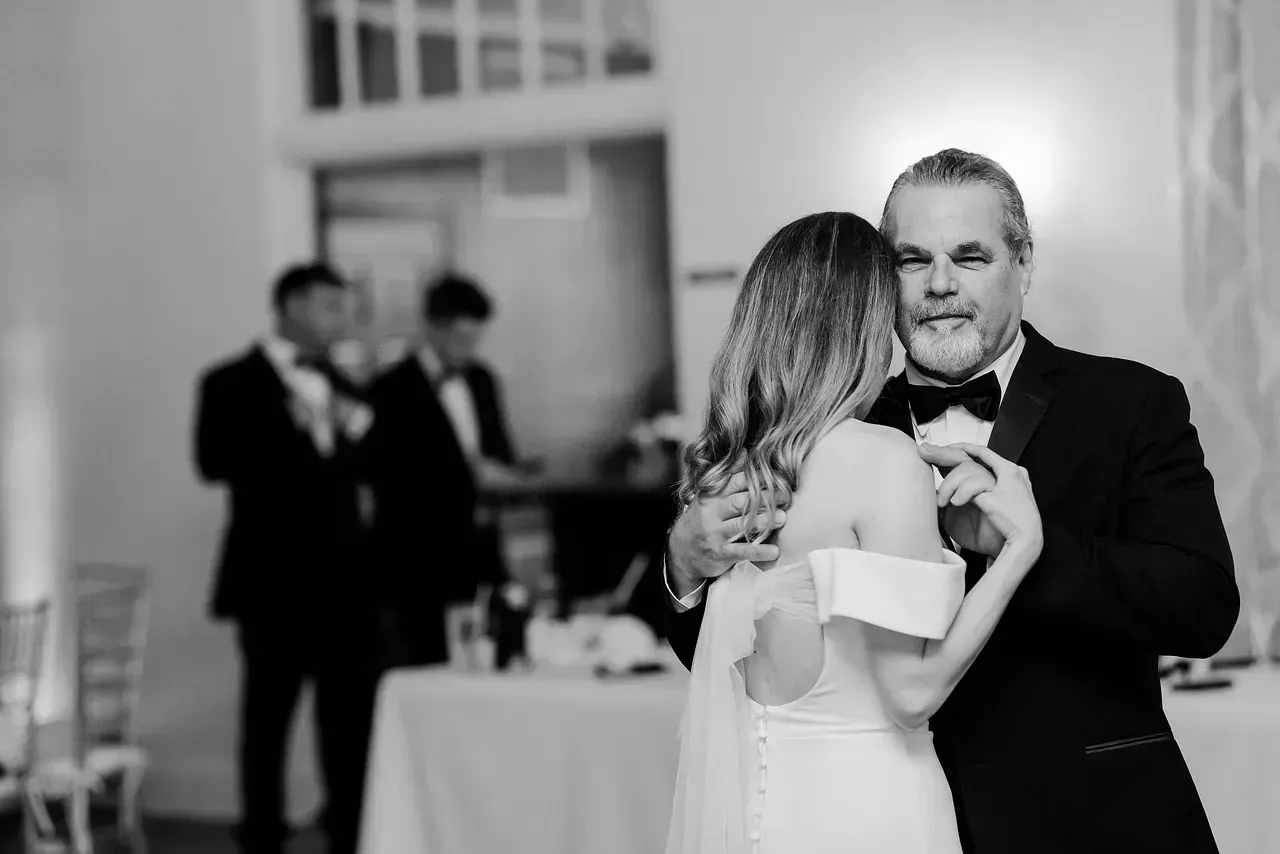
For generations, a groom was expected to approach the bride’s father before proposing. It was a formal request, and in some families the answer carried real weight. The custom grew out of older ideas about fathers giving a daughter’s hand in marriage.
Many couples now see the decision as theirs alone. Some still ask parents out of respect, but as a courtesy rather than a requirement, and often both sets of parents are included.
Being Given Away at the Altar
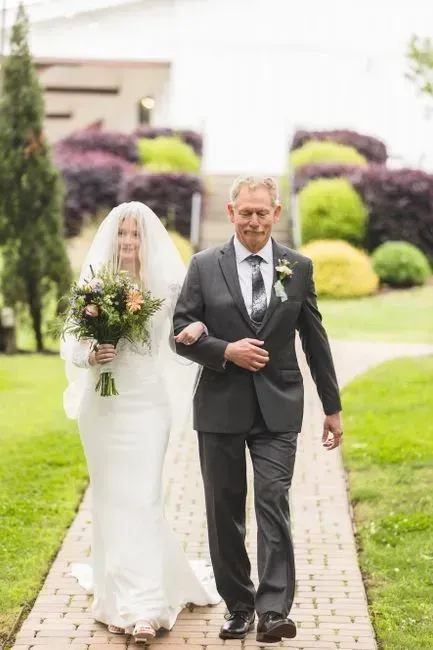
The father walking his daughter down the aisle and handing her to the groom was nearly universal in grandparents’ day. Its roots lie in a time when marriage was treated as a transfer between households.
Today many brides walk alone, walk with both parents, or enter beside their partner. The gesture is still popular in some circles, though it is now one choice among many.
Long Engagements Without Living Together
Couples of earlier decades commonly waited to share a home until after the wedding. Moving in together before marriage carried social stigma in many communities.
Pew Research Center has reported that cohabitation is now a common step before marriage in the United States, and that most adults see it as acceptable. For many younger couples, shared rent comes well before shared vows.
Wearing Something Old, New, Borrowed, and Blue
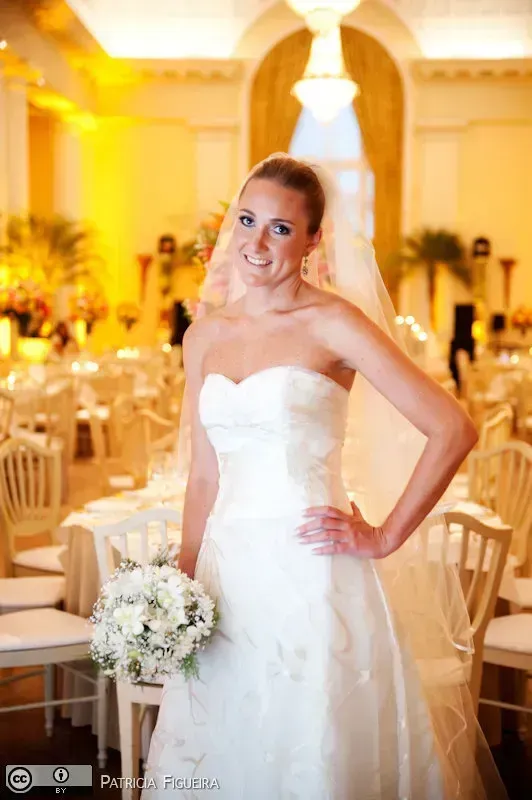
This rhyme dates back to Victorian England, and plenty of brides in the mid twentieth century followed it closely. A borrowed item from a happily married friend was meant to pass along good fortune.
The tradition hasn’t vanished entirely. Still, fewer brides follow all four parts, and many treat it as a charming nod rather than a checklist.
The Groom Not Seeing the Bride Before the Ceremony
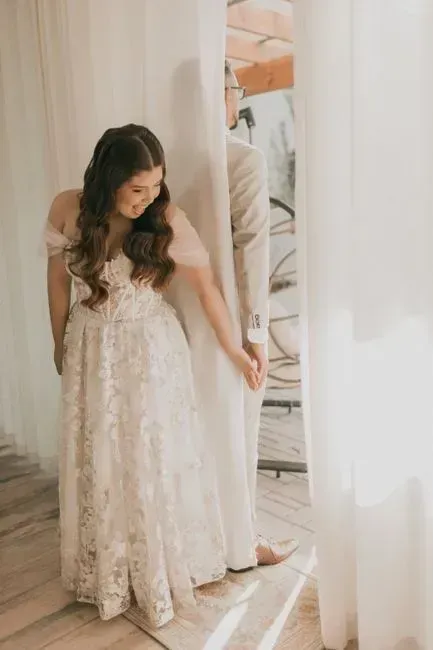
Keeping the couple apart until the aisle goes back to the days of arranged marriages, when it was feared a groom might back out if he disliked what he saw. Grandparents often observed it strictly.
Now first looks are common. Couples frequently use the private moment to calm nerves and to make time for portraits before the reception.
Wedding Showers Hosted by Aunts and Neighbors
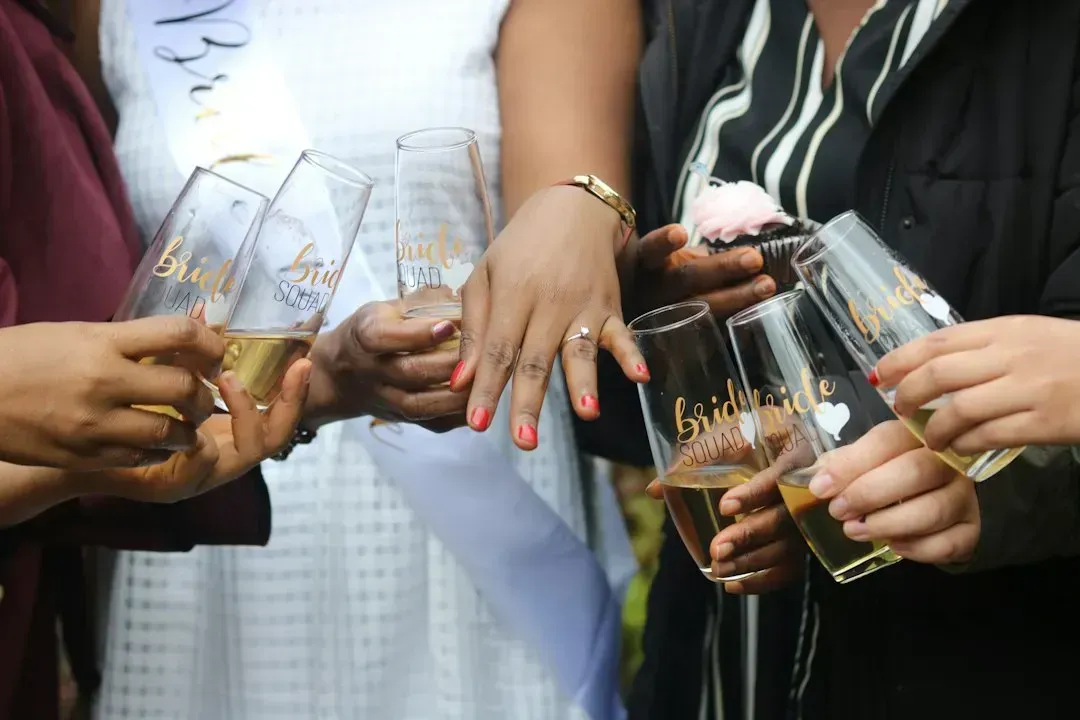
Mid century bridal showers were often small afternoon gatherings, with relatives and neighbors giving household items like linens and kitchen tools. They were practical because many couples were starting from scratch.
Couples today often already own a home’s worth of basics. Showers still exist, but they’re frequently themed, co-ed, or replaced by experiences and cash funds.
Church or Hometown Ceremonies
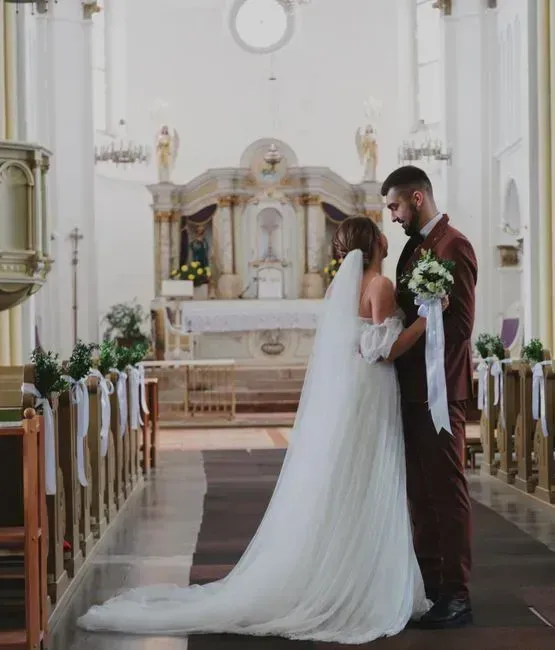
Many grandparents married in the congregation they grew up in, with the reception at a church hall or family home. The wedding was tied closely to place and community.
Surveys from The Knot and similar industry sources in recent years show that venues like barns, gardens, and destination spots have become popular. Religious affiliation has also declined in many countries, which has reduced traditional church weddings.
Throwing Rice as the Couple Leaves
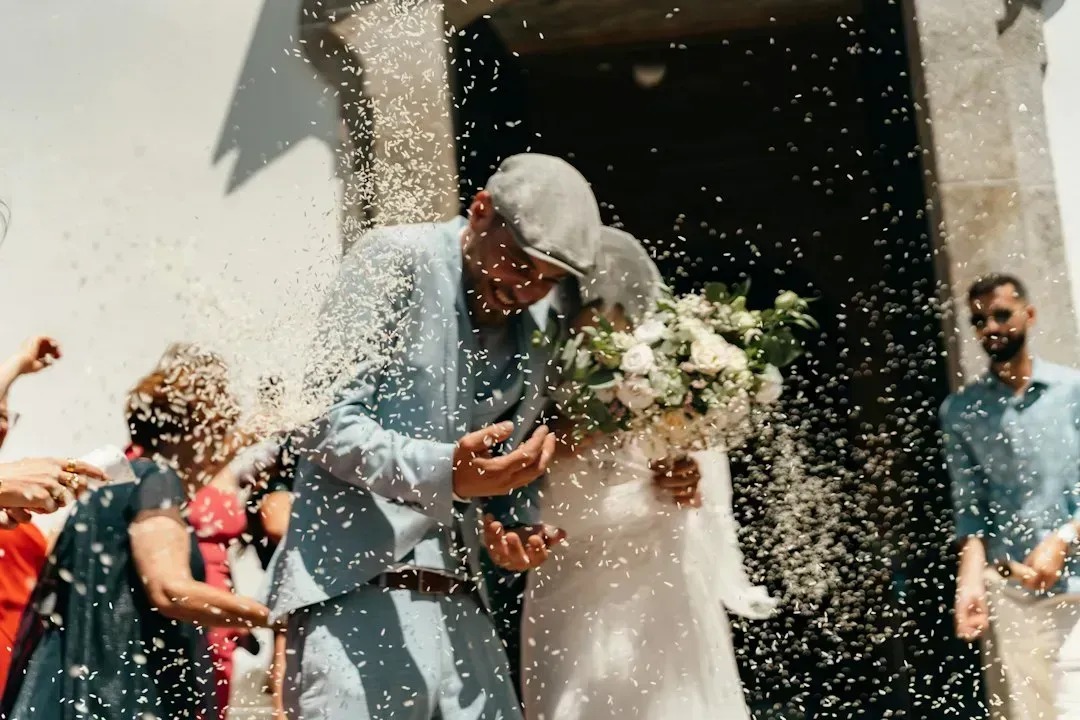
Rice was long tossed as a symbol of fertility and prosperity. Guests lined up outside the church to shower the newlyweds.
Many venues now ban it, mostly to limit mess, and some couples choose petals, bubbles, or sparklers. The old belief that rice harms birds has been debunked, yet the practice has still dwindled.
Wearing a Wedding Dress Passed Down in the Family
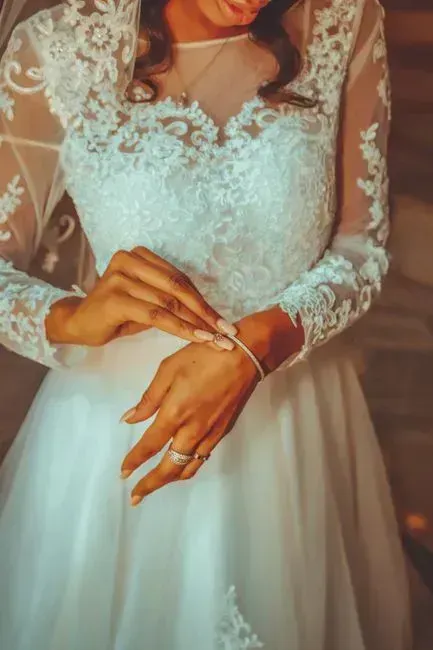
Handing down a gown, or sewing one at home, was common when money was tight. A mother’s dress might be altered for her daughter and then stored carefully for the next generation.
Today most brides shop for their own, and styles vary widely. Some do wear a family dress, though it tends to be a sentimental exception.
Homemade or Family Baked Wedding Cakes
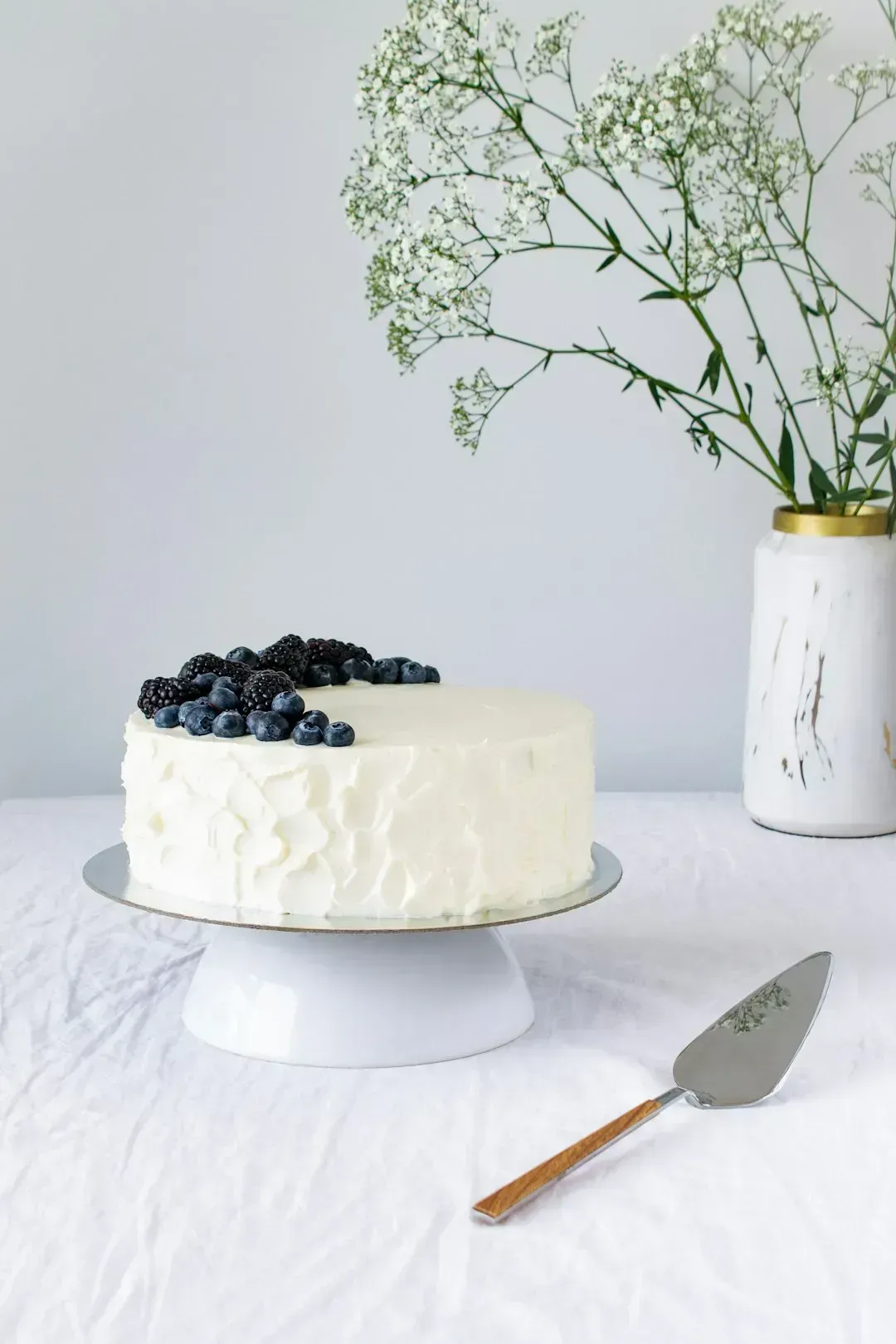
It wasn’t unusual for an aunt or neighbor to bake the cake, sometimes a fruitcake meant to last. In the United Kingdom and elsewhere, couples once kept the top tier for a first anniversary or a christening.
Professional bakeries now handle most cakes, and dessert tables, doughnuts, and pies compete for attention. Saving a tier happens, though freezing it for a year is a choice fewer couples make.
Taking Only the Husband’s Surname
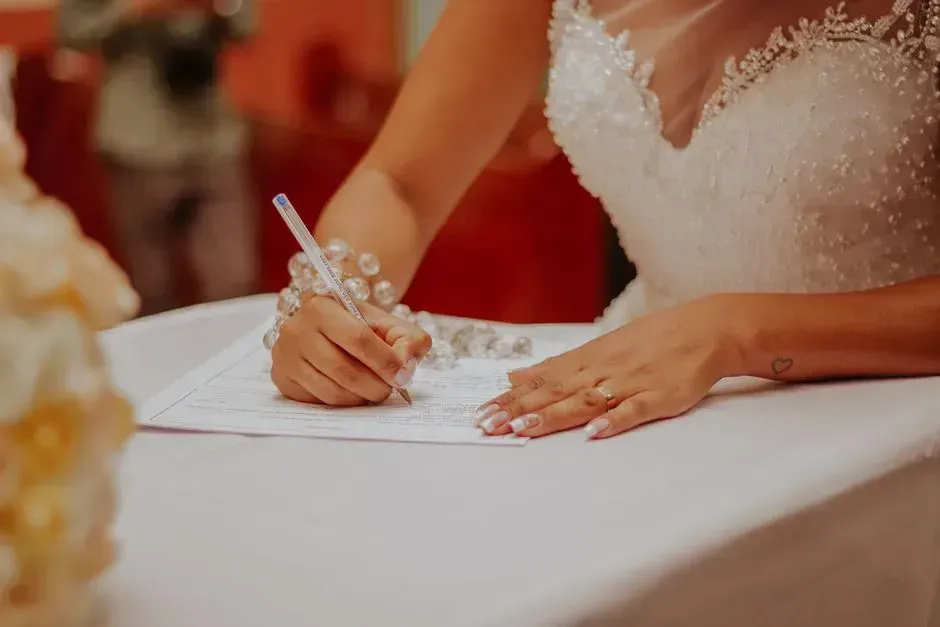
Brides in the grandparents’ generation overwhelmingly took their husband’s last name, and it was often assumed rather than discussed. Official forms and social expectations reinforced it.
Studies in the United States show that most women who marry still change their names, but the share who keep, hyphenate, or blend names has grown. Younger couples more openly treat it as a shared decision.
Leaving for a Short Honeymoon Right After the Reception
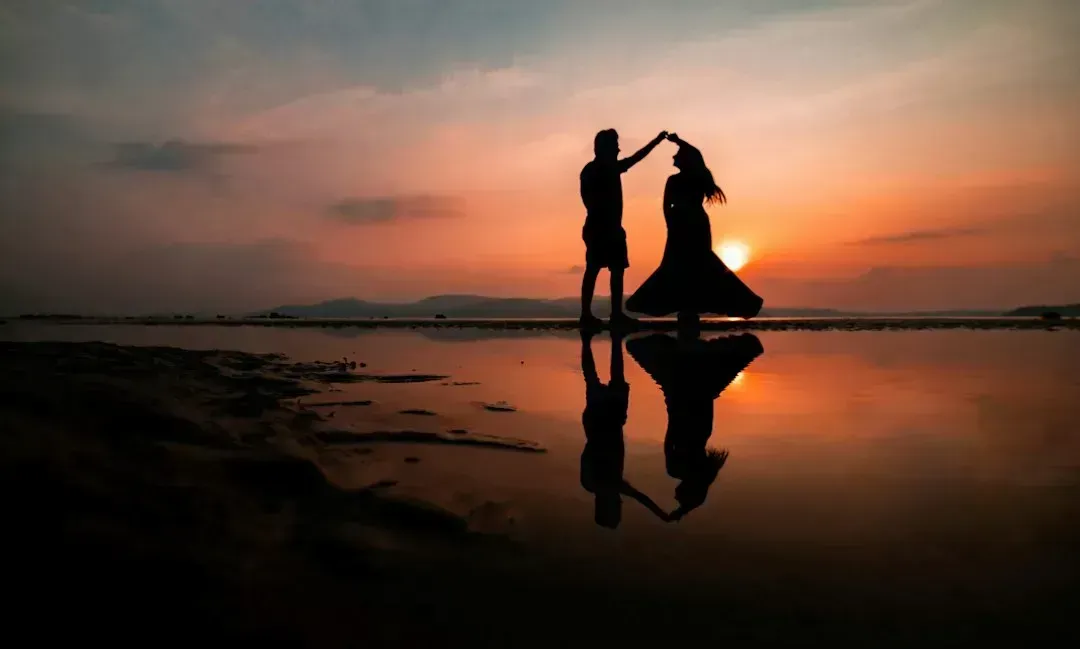
Many couples of earlier decades drove off straight from the reception for a brief trip, sometimes only a weekend, and returned to work soon after. Budgets and limited leave shaped those plans.
Modern couples often delay the trip for months or call it a minimoon first. Some skip it for a bigger later vacation, which is a very different rhythm from the quick getaway their grandparents knew.



Leave a Reply