
Ask a professional mover what they see most often, and the answer usually isn’t about heavy furniture. It’s about boxes that get carried into a new home, stacked in a corner, and stay sealed for months, sometimes years.
Surveys of recently relocated households have long suggested that many people leave at least a few boxes unopened long after moving day. The items inside tend to follow a pattern, and movers notice it every time.
1. Books You Mean to Read Someday

Books are the classic example. Movers point out that they are heavy, they fill a surprising number of boxes, and they rarely get unpacked right away. Shelves have to be assembled or placed first, and that often takes a back seat.
Many people keep far more titles than they’ll reread. Sorting before the move can cut the box count sharply, and it saves on labor, since moving costs often rise with weight and volume.
2. Kitchen Gadgets Used Once a Year
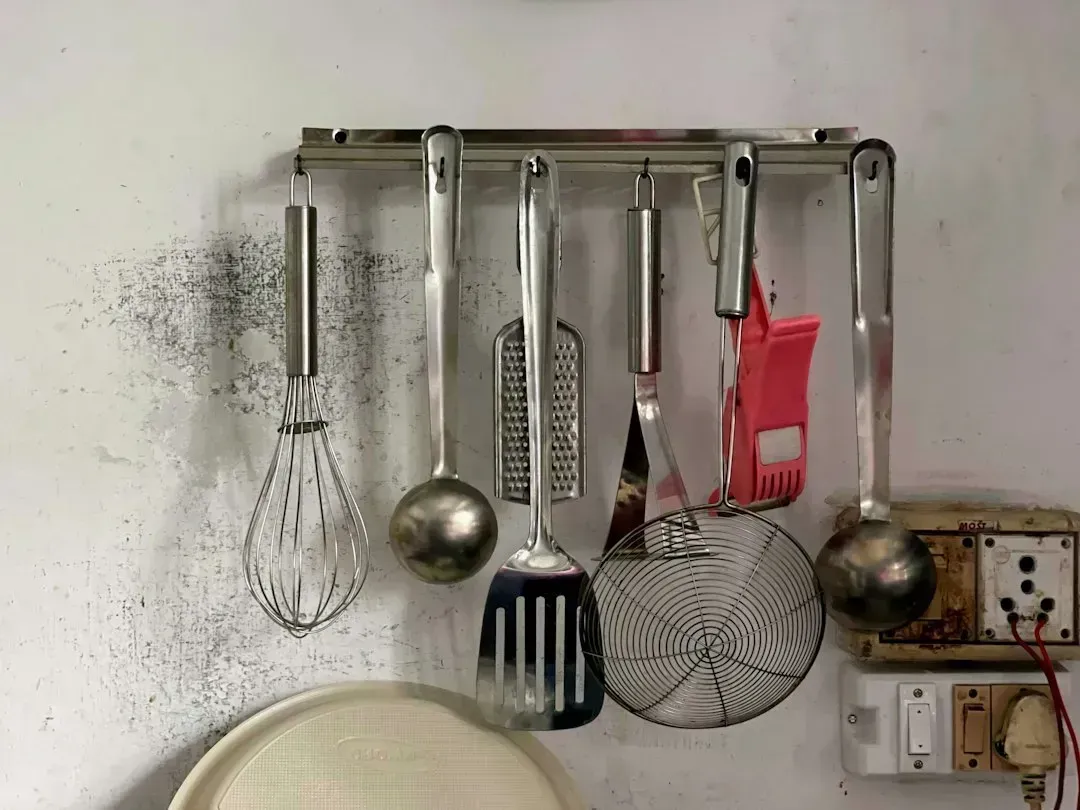
Bread makers, fondue sets, spiralizers and waffle irons tend to get wrapped carefully and then ignored. Everyday cookware comes out within days, but the specialty pieces wait for an occasion that doesn’t arrive.
If an appliance sat unused in the old kitchen for a year, it will likely sit unused in the new one too. Movers often suggest donating those items instead of paying to transport them.
3. Spare Cables and Old Electronics
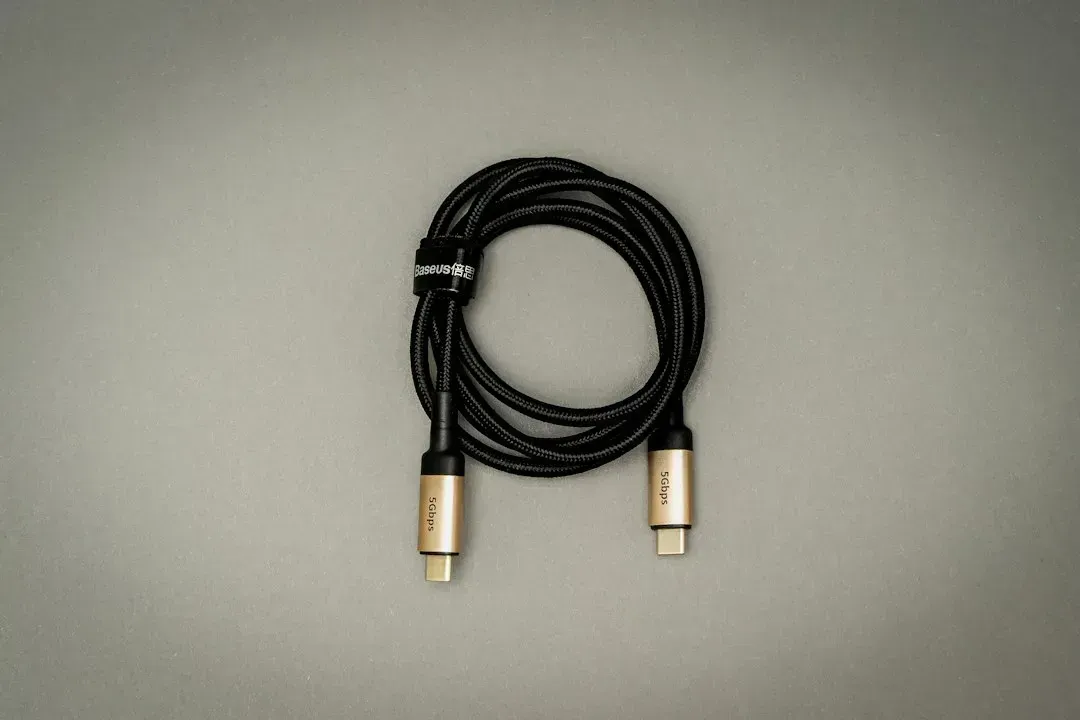
Tangled bags of chargers, mystery cords, and outdated routers are a common sight in leftover boxes. People pack them thinking they might be needed, yet the devices they belong to are long gone.
Old phones and small electronics may also hold personal data, so they deserve proper handling. Many retailers and local programs accept electronics for recycling, which is easier than boxing them for another round.
4. Decorative Items and Wall Art

Frames, vases, and knickknacks get packed in the final rush, often wrapped in lots of paper. After the move, they come second to the practical work of getting beds and kitchens running.
Bare walls can feel temporary, so some boxes of art linger. Hanging just a few pieces in the first week tends to make a new place feel settled and encourages unpacking the rest.
5. Out of Season Clothing
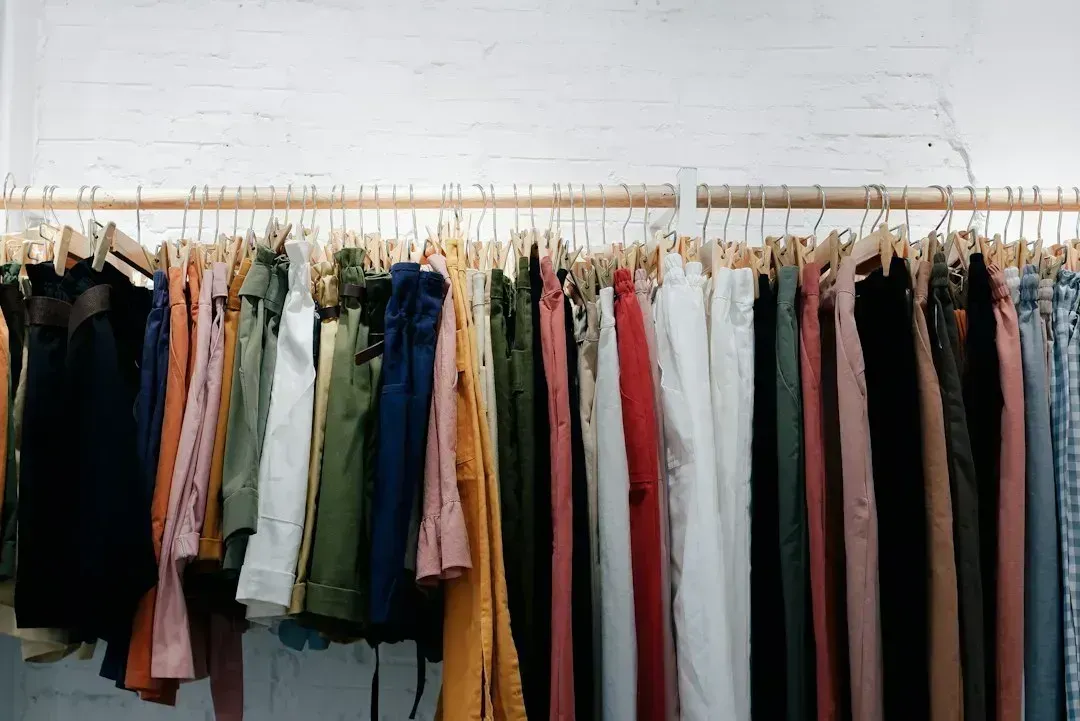
Winter coats moved in summer, or swimsuits moved in January, can sit sealed until the weather changes. That’s reasonable at first, though some of those boxes never get opened even when the season arrives.
Closet space in a new home may be different, which makes people hesitate. Movers recommend checking what you actually wore in the past year before packing the rest.
6. Paperwork and Files
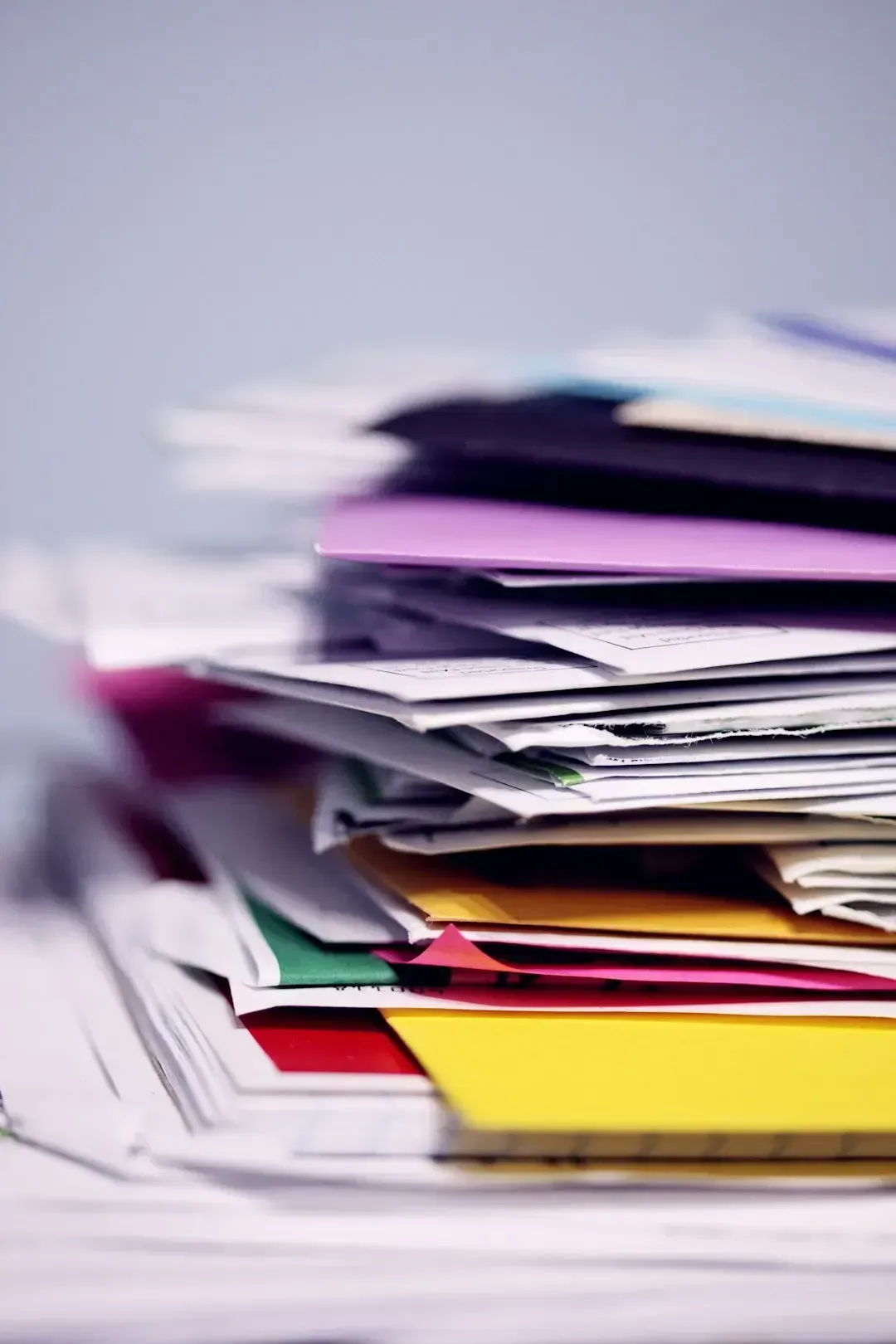
Filing boxes are often shoved into a spare room or garage. Old bank statements, manuals, and tax papers feel too important to toss but too dull to organize.
Government guidance, such as the IRS advice on keeping tax records, generally points to a few years for most returns, with longer periods in specific cases. Checking those timelines before the move can shrink the pile considerably.
7. Hobby and Craft Supplies
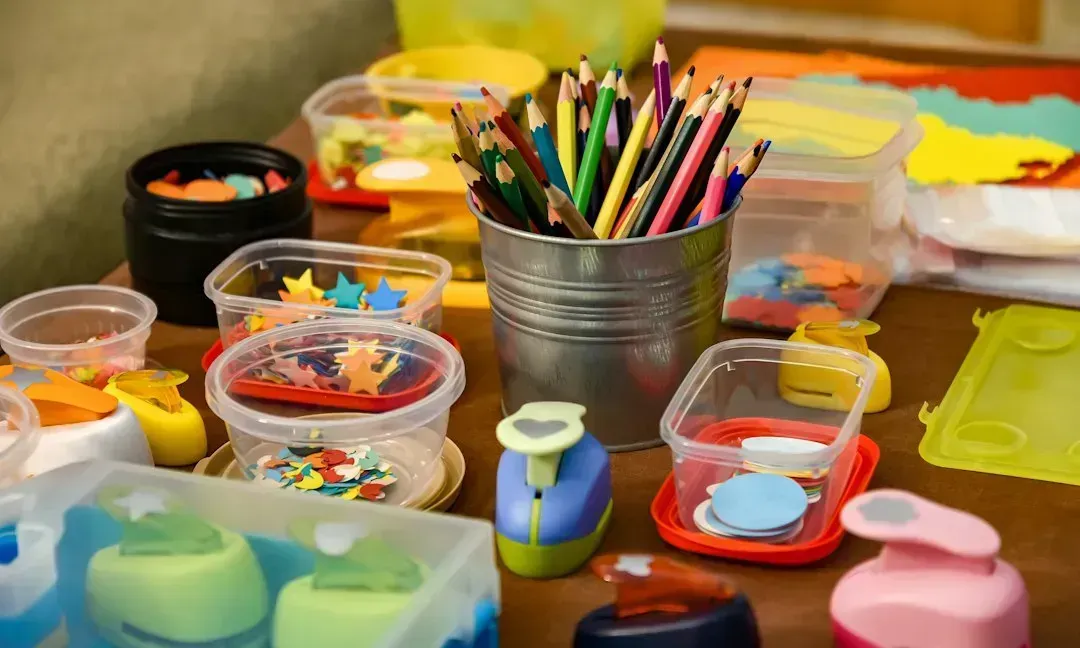
Yarn, paint, scrapbooking materials, and half finished projects travel well and unpack poorly. They represent plans rather than current habits, so the boxes wait for free time that never quite appears.
Movers often see these supplies in bulk, packed in odd shapes that waste space. An honest look at which hobbies are active can save both room on the truck and clutter at home.
8. Sentimental Keepsakes and Memorabilia
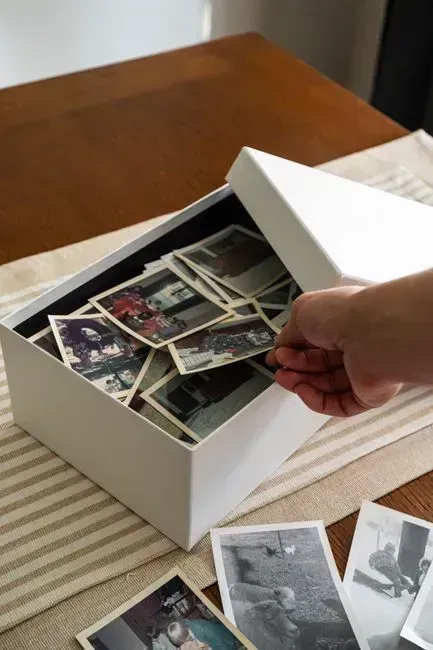
Yearbooks, trophies, kids’ artwork, and letters get packed with care. They are also the boxes people avoid reopening, because going through them takes time and emotion.
Many movers say these end up in closets or attics untouched. Choosing a few favorites to display, and photographing the rest before parting with them, is a practical middle ground.
9. Garage and Tool Clutter
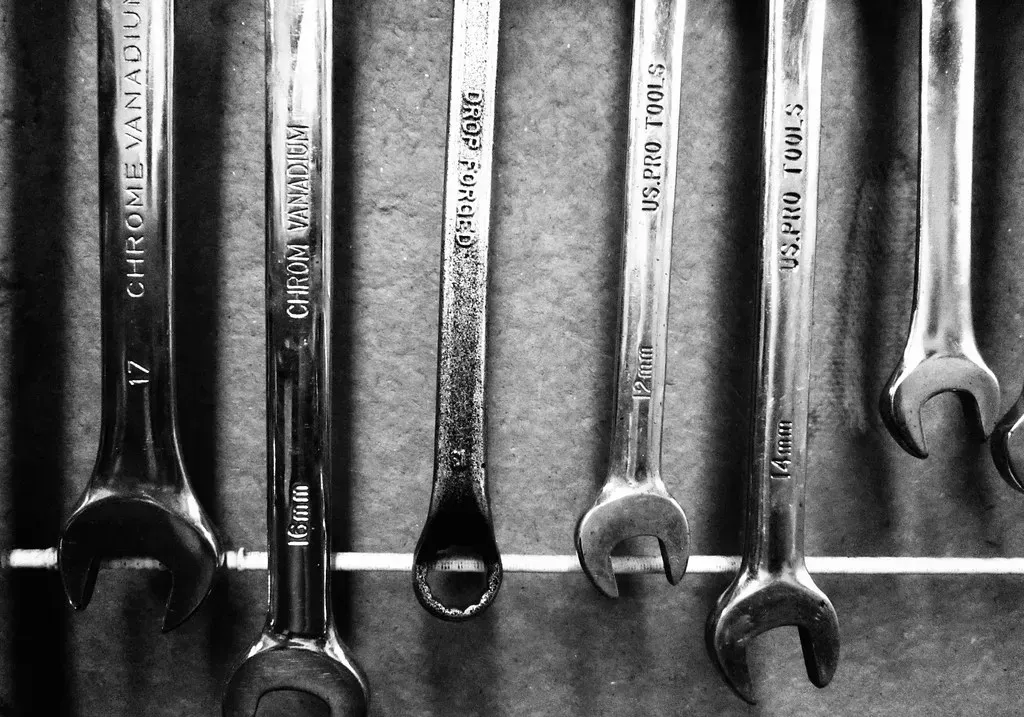
Half used paint cans, odd screws, spare hardware, and mismatched tools fill boxes that move straight to the new garage. Some items, like paint and certain chemicals, can’t legally or safely go on a moving truck at all.
Reputable moving companies typically publish lists of nonallowable items, which usually include flammables and corrosives. Checking that list early prevents surprises on moving day.
10. The Miscellaneous Junk Drawer Box

Almost every move produces a box labeled miscellaneous. It contains takeout menus, dead batteries, loose keys, and random odds and ends swept off a counter in the last hour.
Because the label says nothing, the box has no natural place to go and often stays closed. Labeling by room and category, even loosely, makes it far likelier that a box gets opened and emptied.





Leave a Reply