
Cats rarely announce how they feel. A dog might wag its whole body, while a cat tends to communicate in small shifts of posture, routine, and attention. Those details are easy to miss, yet they say a lot about whether a cat considers your home a safe place.
Feline behaviorists and veterinary groups such as the International Cat Care organization and the American Association of Feline Practitioners stress that security isn’t a single behavior. It’s a pattern. Here are six patterns worth watching for.
Sleeping Soundly in the Open
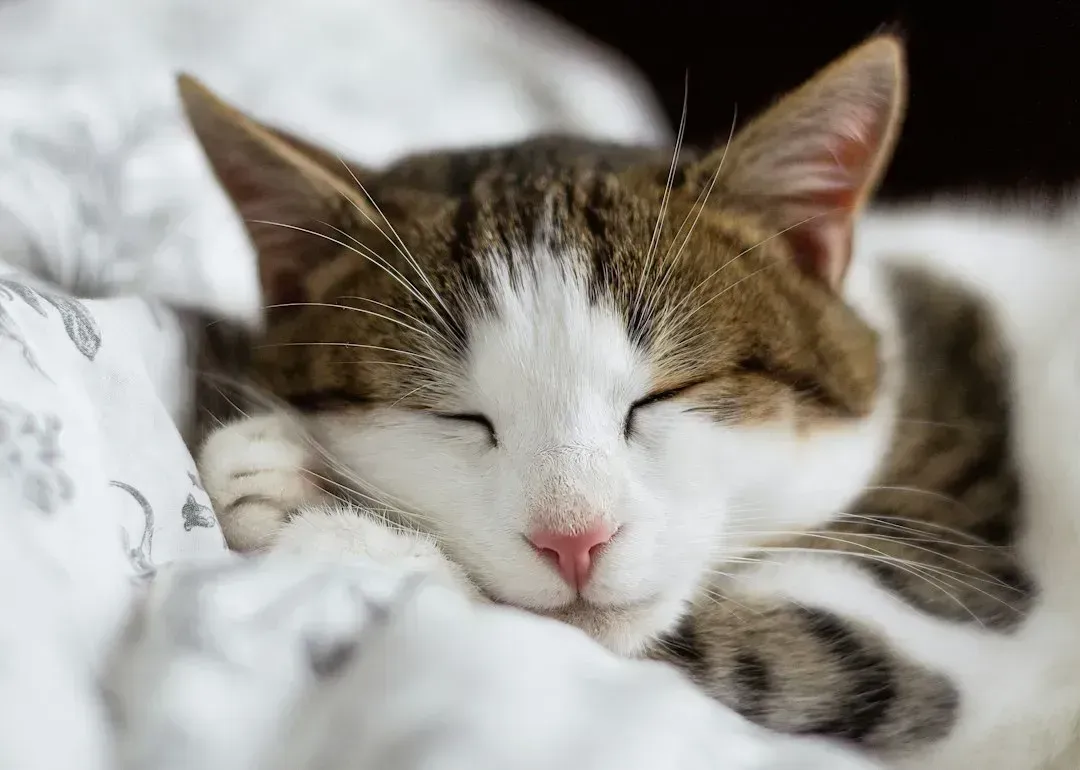
A cat that naps on the sofa, a sunny windowsill, or the middle of your bed is telling you something. Sleep is when cats are most vulnerable, so choosing an exposed spot suggests they don’t expect a threat. Behaviorists often point out that anxious cats prefer hiding places, such as under beds or inside closets, and stay there for long stretches.
Pay attention to how the cat sleeps, too. Stretched out, curled loosely, or lying on one side all point to ease. A cat that dozes with its paws tucked tightly under its body and its ears swiveling at every sound is resting, but not fully relaxed.
Slow Blinking at You
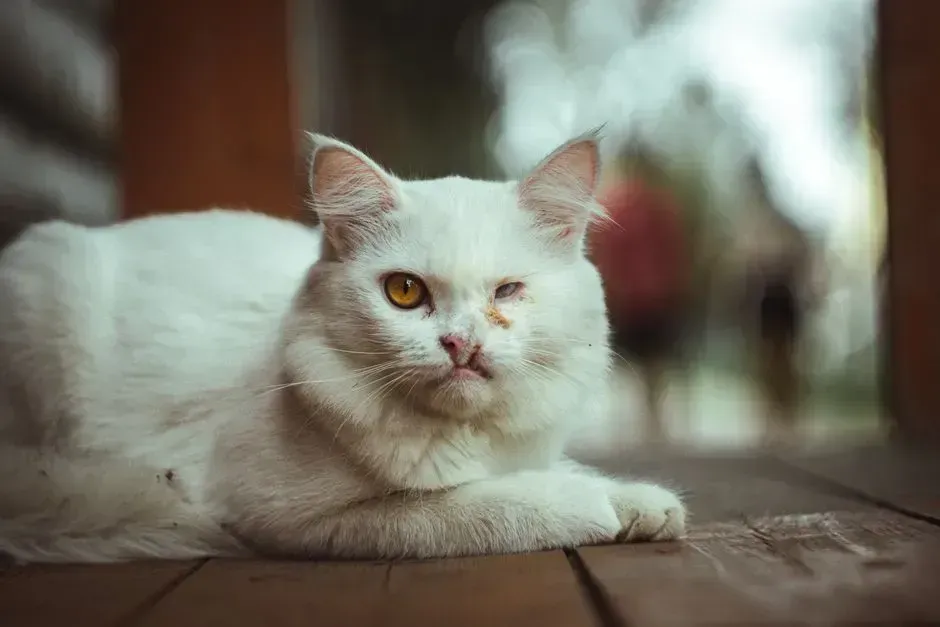
The slow blink is sometimes called a cat kiss, and there’s actual research behind it. A 2020 study in Scientific Reports, led by researchers at the University of Sussex and the University of Portsmouth, found that cats were more likely to narrow their eyes back at owners who slow blinked first. The same study found that cats approached an unfamiliar experimenter more readily after a slow blink from that person.
Staring with wide, fixed eyes can feel like a challenge to a cat. Soft, half closed eyes signal the opposite. If your cat looks at you and lets its eyelids droop, it’s showing trust, and you can answer in kind with a slow blink of your own.
Walking Around With the Tail Held High
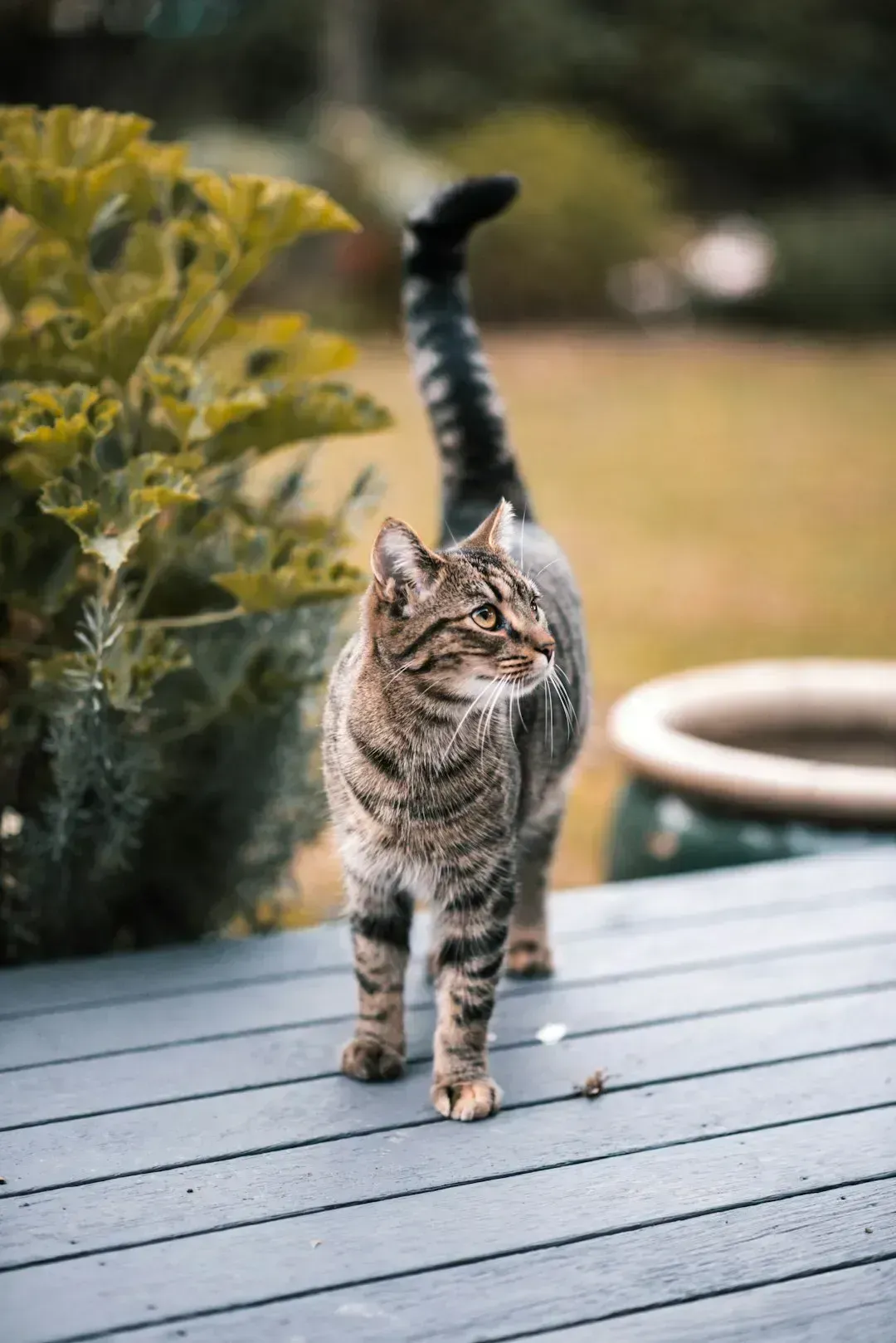
A tail raised upright, often with a small curl at the tip, is a classic friendly greeting. Research on colony cats published by Cafazzo and Natoli found that this posture is associated with affiliative, or friendly, interactions between cats. In a home, it usually means your cat is pleased to see you and feels comfortable approaching.
The opposite picture is just as telling. A tail tucked tightly against the body, or one that puffs up and lashes, suggests fear or irritation. A cat that moves through its home with a loose, upright tail is generally confident in its surroundings.
Keeping Normal Eating, Grooming, and Litter Habits
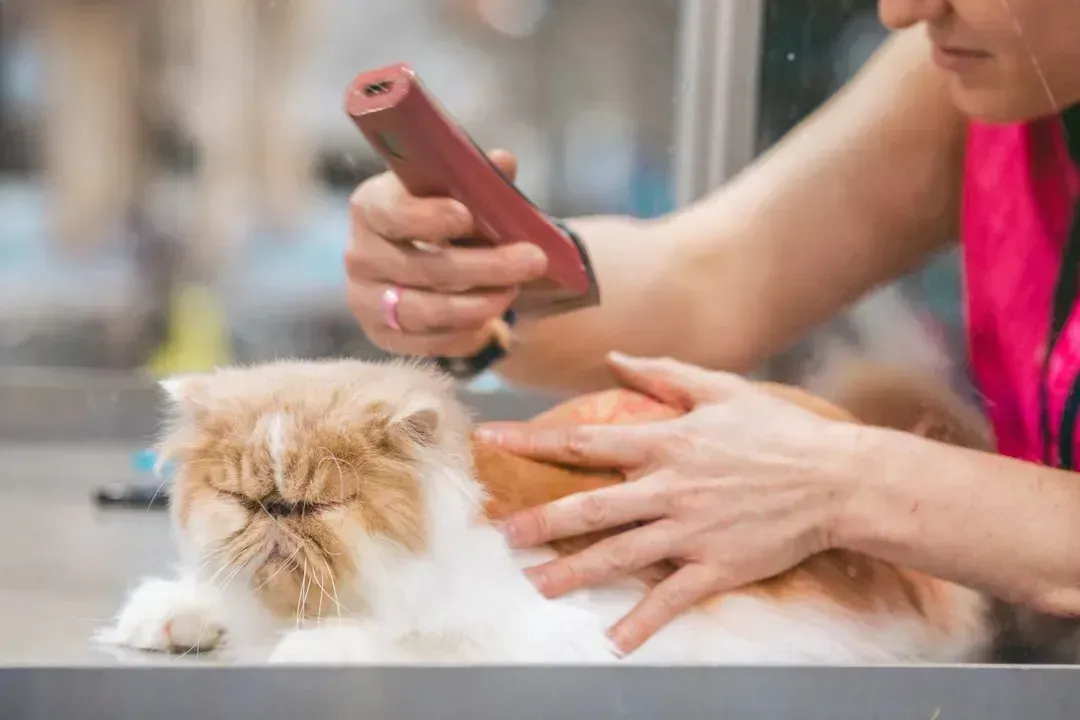
Routine behaviors are some of the most honest indicators of stress. Cats that feel unsafe often eat less, over groom, or avoid the litter box. The American Association of Feline Practitioners has long noted that litter box problems are frequently linked to stress or medical issues rather than spite.
A secure cat eats on a steady schedule, grooms calmly without bald patches forming, and uses the box without fuss. Any sudden change deserves attention, though. Because illness can look a lot like anxiety, a vet visit is the sensible first step when habits shift.
Exploring, Playing, and Showing Curiosity
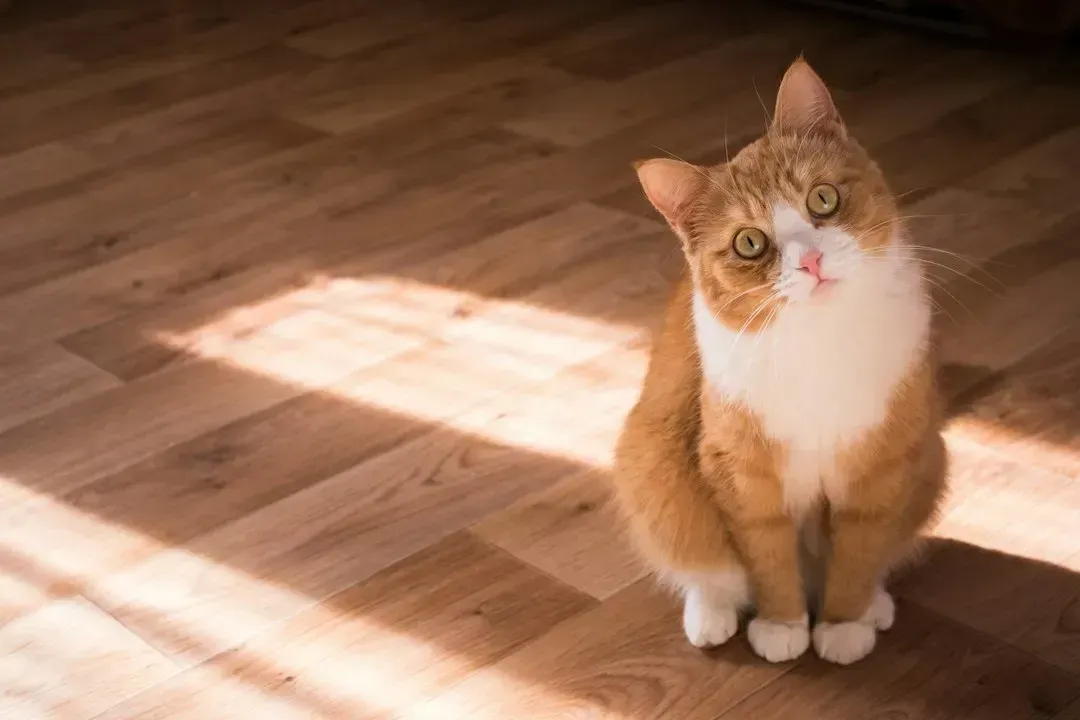
Curiosity is a luxury that only a relaxed animal can afford. Cats that investigate new objects, chase toys, or watch birds through the window with interest generally feel safe enough to spend energy on play. Behaviorists often recommend vertical spaces, hiding spots, and regular play sessions precisely because they help cats build that confidence.
Play also reveals mood. A cat that stalks, pounces, and then wanders off satisfied is behaving naturally. If a normally playful cat suddenly ignores toys and stays low to the ground, something in its environment may feel off.
Kneading, Purring, and Seeking Contact
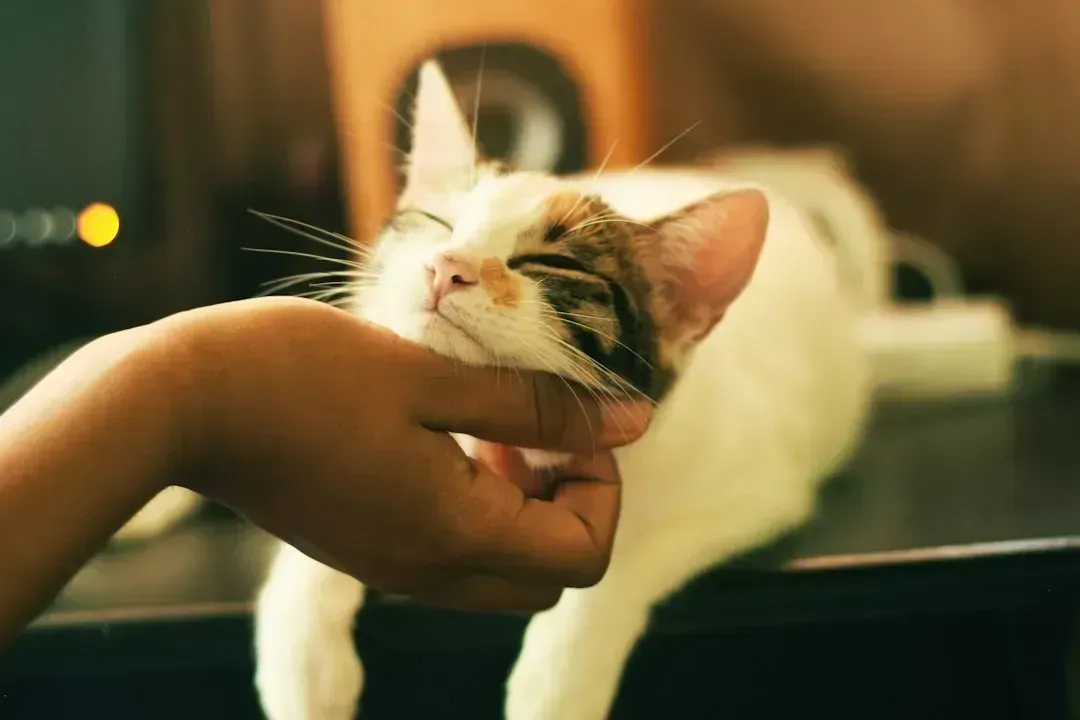
Kneading with soft paws is a holdover from kittenhood, when nursing kittens pressed on their mother to encourage milk flow. Adult cats often do it when they feel content and cozy. Purring commonly accompanies it, though cats can also purr when stressed or unwell, so context matters.
Look at the whole picture instead of the sound alone. A cat that purrs while sprawled beside you, rubs its cheeks against furniture, or head bumps your hand is using scent and touch to mark its space as familiar and safe. Those are the behaviors of a cat that considers your home its own.




Leave a Reply