
1. The special changes based on what’s left, not what’s in season
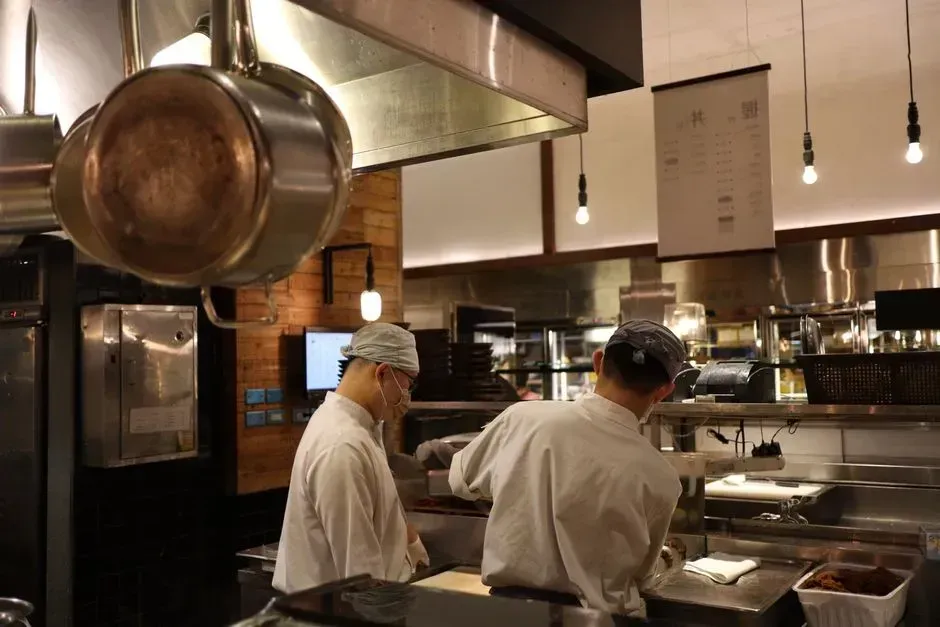
A thoughtful chef’s special usually follows a seasonal logic, built around ingredients that are genuinely at their peak. When a special instead shifts randomly day to day with no clear seasonal thread, it’s often a sign the dish is being built around whatever is sitting in the walk-in cooler with a shrinking shelf life. Restaurants that rotate proteins or produce erratically, without any pattern tied to harvest times or supplier deliveries, are frequently working backward from inventory rather than forward from inspiration.
This doesn’t automatically mean the food is unsafe, but it does suggest the special exists to solve a kitchen problem rather than to highlight something exceptional. Diners can sometimes spot this by asking servers why a particular special is on the menu that night. Vague answers like “we just had it available” are a softer version of “we needed to use it.”
2. It’s heavily sauced, breaded, or blackened
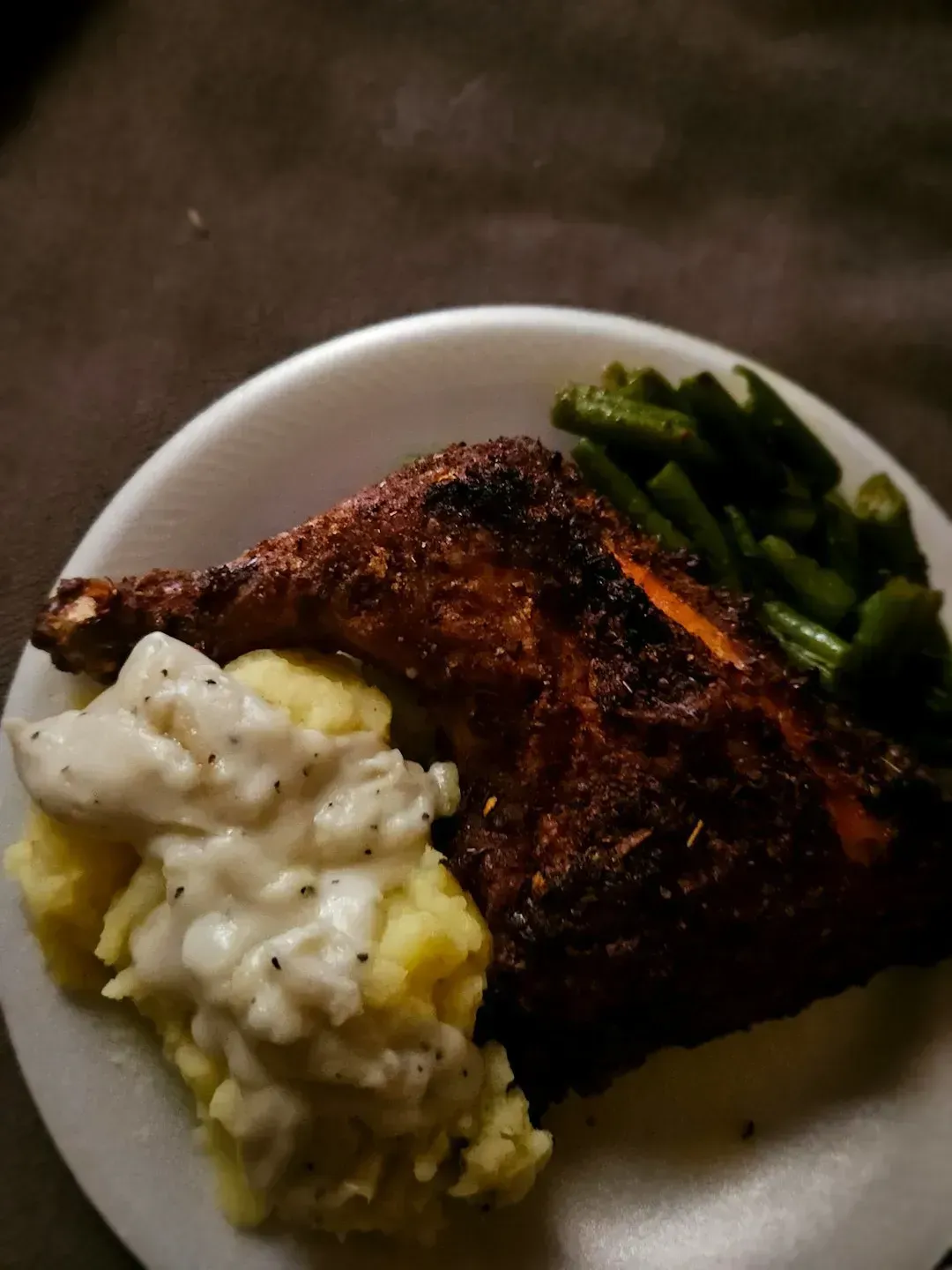
Strong sauces, thick breading, and aggressive blackening seasoning are classic techniques for masking off flavors in proteins that are past their prime. Fish that no longer tastes fresh can be disguised with a heavy cream sauce or deep-fried coating, and meat with an off smell can be covered with cajun spice blends or barbecue glaze. This is a well-documented practice in commercial kitchens, where strong flavors are sometimes used deliberately to extend the usability of ingredients that are borderline.
None of this means every blackened or heavily sauced dish is problematic; plenty are simply flavorful choices. The concern arises when a kitchen’s regular menu items are served simply, but the special of the day is unusually drenched or seasoned compared to everything else on the menu. That contrast alone can be a signal worth noticing.
3. The seafood special doesn’t match the day’s delivery schedule
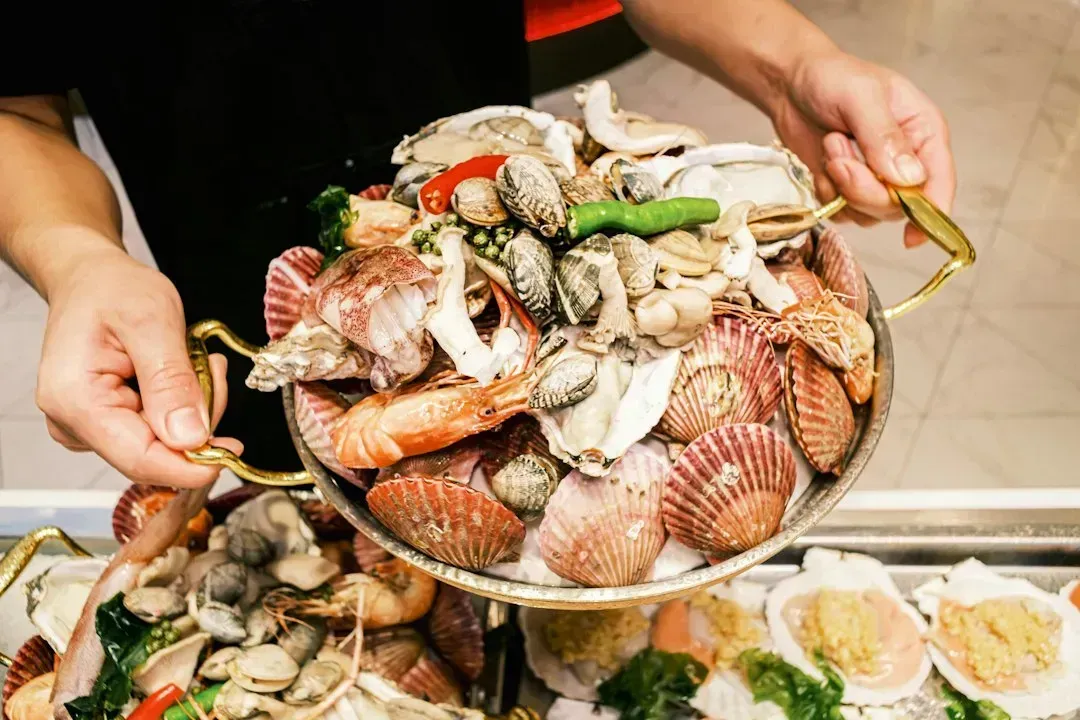
Fresh seafood in most restaurants arrives on a predictable schedule, often two to three times a week depending on the supplier and region. If a seafood special appears on a day when no delivery truck came in, the fish being used is likely leftover stock from a prior delivery, not the freshest catch being marketed. Seafood is particularly sensitive to spoilage, and even a day or two beyond its ideal window can affect both taste and safety.
Restaurants with strong sourcing practices often display or mention where their seafood comes from and when it arrived. The absence of that information, especially paired with a seafood special appearing outside the normal delivery rhythm, is a pattern worth being aware of.
4. The special is unusually cheap for the ingredients listed
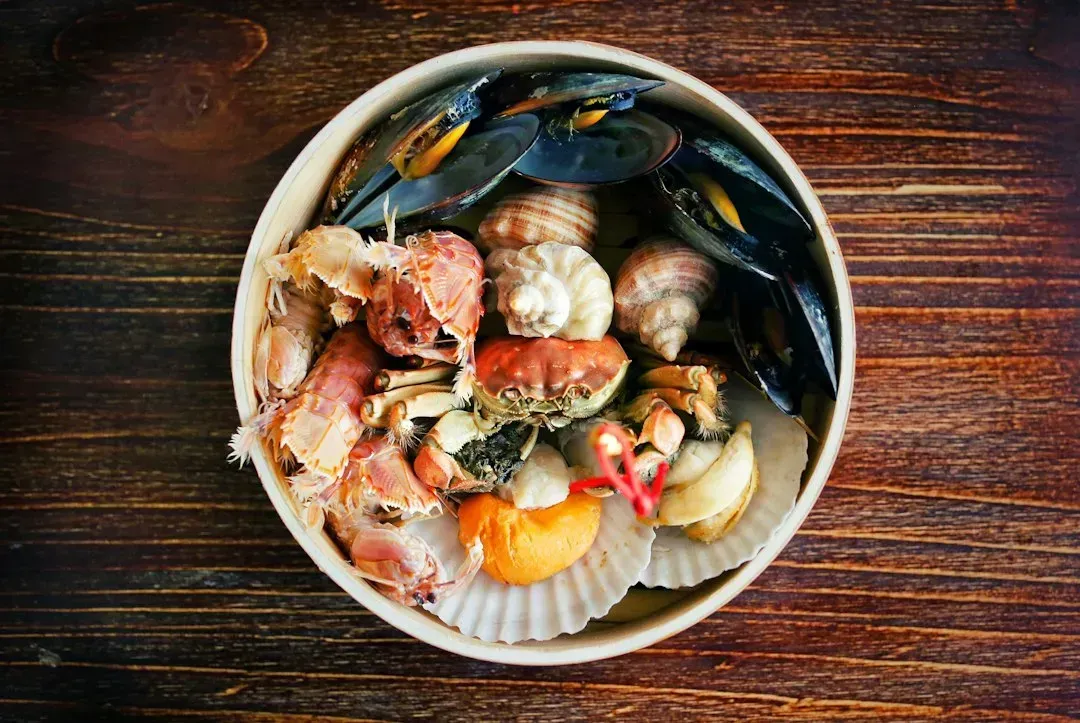
When a special featuring premium ingredients like scallops, filet mignon, or lobster is priced noticeably below what those ingredients typically cost on the regular menu, it raises a fair question about sourcing. Restaurants sometimes discount specials specifically because the ingredient needs to be sold quickly before it’s no longer usable. A price that seems too good relative to market cost isn’t necessarily a red flag on its own, but combined with vague descriptions or unusual availability, it becomes more meaningful.
Menu pricing is generally built around consistent food cost percentages, so a dramatic outlier in either direction tends to have a reason behind it. In the case of underpriced specials, that reason is sometimes simply that the kitchen needs the item gone.
5. Descriptions are vague about sourcing or origin
Regular menu items in well-run restaurants often include specific details, like the farm the produce came from or the region the fish was caught in. When a chef’s special skips all of that and just says “fresh catch of the day” or “seasonal vegetable medley” without any specifics, it can suggest less transparency about where the ingredients actually came from or how long they’ve been on hand. This vagueness isn’t proof of anything on its own, but it’s a noticeable contrast when the rest of the menu is detailed and precise.
Diners who want more clarity can simply ask their server for specifics. A kitchen confident in its ingredients will usually be happy to share those details, while hesitation or generic answers can be telling in itself.
6. It appears right before a menu change or seasonal transition
Restaurants that update their menus seasonally or quarterly often clear out remaining stock in the days leading up to that transition. A sudden wave of specials in the final week before a new menu rolls out is frequently tied to using up ingredients that won’t carry over to the next cycle. This is a common and largely accepted industry practice, but it does mean those specials are less about inspiration and more about inventory management.
There’s nothing inherently wrong with this approach if the food is still handled and stored properly. Still, diners curious about freshness might want to ask if the special is tied to an upcoming menu change, since staff are often candid about it when asked directly.
7. The special uses an unusual combination of ingredients that don’t typically pair well
Creative chefs do occasionally combine unexpected ingredients successfully, but a special that throws together mismatched components with no clear culinary logic can sometimes be less about creativity and more about clearing out several odd items at once. When a dish reads like a list of leftovers rather than a cohesive plate, it’s worth considering that the combination may have been dictated by what was on hand rather than what tastes best together. This is especially true when the special includes three or four different proteins or vegetables that rarely appear together on any other menu.
A genuinely well-conceived special usually has a clear point of view, whether that’s a specific cuisine influence or a seasonal theme. Dishes that feel scattered or overly complicated for no apparent reason are sometimes trying to solve a storage problem rather than create a standout meal.
8. Staff seem hesitant or scripted when describing it
Servers who are genuinely excited about a special usually speak about it with specific, enthusiastic detail, mentioning how it’s prepared or what makes it stand out. When staff instead recite a memorized description without much elaboration, or seem uncertain when asked follow-up questions, it can suggest the special was assigned to them rather than something the kitchen is proud of. This pattern is common enough that experienced diners often use it as a quick, informal gauge of a dish’s real quality.
It’s a soft signal, not a definitive one, since not every server is naturally talkative about food. Still, noticeable hesitation, especially about basic questions like preparation method or ingredient freshness, is worth factoring in.
9. The special never seems to run out or “sell out” like other limited items
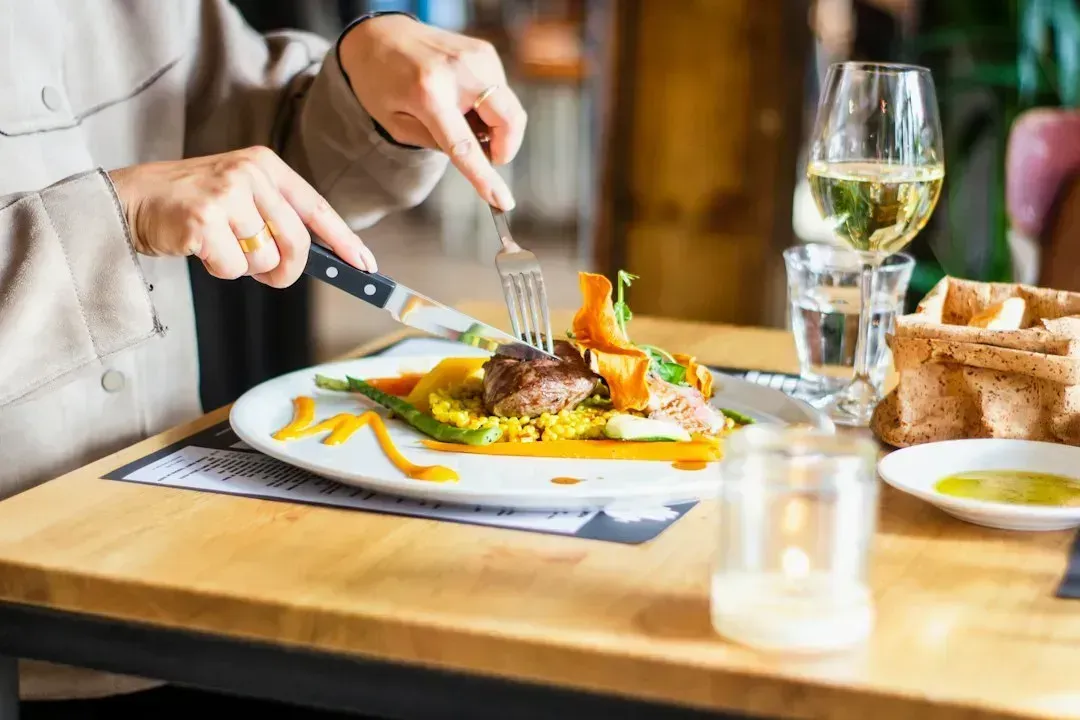
True limited-quantity specials, built around a small batch of a special ingredient, typically do run out on busy nights, and staff will often mention that only a few portions are left. A special that’s available in unlimited quantity every single night, despite being marketed as limited or exclusive, suggests the kitchen may have a larger supply of the ingredient than a genuinely rare special would imply. This is sometimes a sign that the “special” is really just extra inventory that needs to move steadily rather than a genuinely scarce item.
This isn’t necessarily a food safety concern, but it does undercut the marketing framing. Diners who value transparency might simply take the “limited special” label with a grain of salt if it’s been on the menu unchanged for many consecutive nights.
10. It’s the only dish on the menu without a consistent recipe or plating
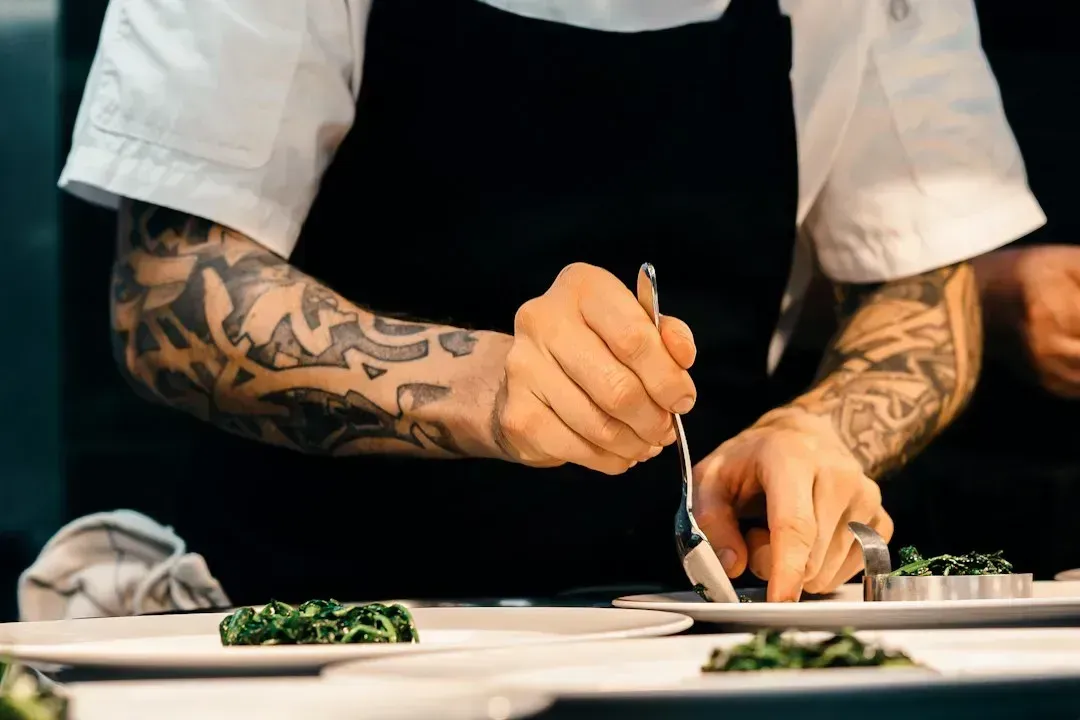
Consistency is one of the clearest signs of a well-run kitchen, and most restaurants plate their regular dishes the same way every time. When a chef’s special looks noticeably different from one visit to the next, in terms of portion, plating, or even ingredients, it can indicate the dish is being improvised around whatever happens to be available that day rather than following a tested recipe. This kind of variability is a practical sign that the special is more about flexibility for the kitchen than a refined dish for the diner.
That flexibility isn’t inherently bad, since some chefs do genuinely enjoy improvising. However, when inconsistency is paired with any of the other signs on this list, like vague sourcing or unusually low pricing, it strengthens the case that the dish is functioning as an inventory tool rather than a culinary highlight.
None of these signs alone prove a restaurant is doing anything wrong, and many chef’s specials are exactly what they claim to be: creative, seasonal, and genuinely well-made. But when several of these patterns show up together, especially vague sourcing, unusual pricing, and inconsistent plating, it’s reasonable to ask a few extra questions before ordering. A little curiosity at the table costs nothing and can make the difference between a memorable dish and a forgettable one.




Leave a Reply