
Walk into a house where the dog sleeps outside sometimes, the cat catches its own mice, and nobody’s ever heard of a “puppuccino,” and you’ll notice the difference before you even sit down. There’s a certain no-nonsense practicality to how these households run, shaped by decades of habits that predate the pet industry boom. It’s not neglect. It’s just a different philosophy, one built on utility over indulgence, and it shows up in the smallest details around the house.
1. A metal food bowl that’s older than the current pet
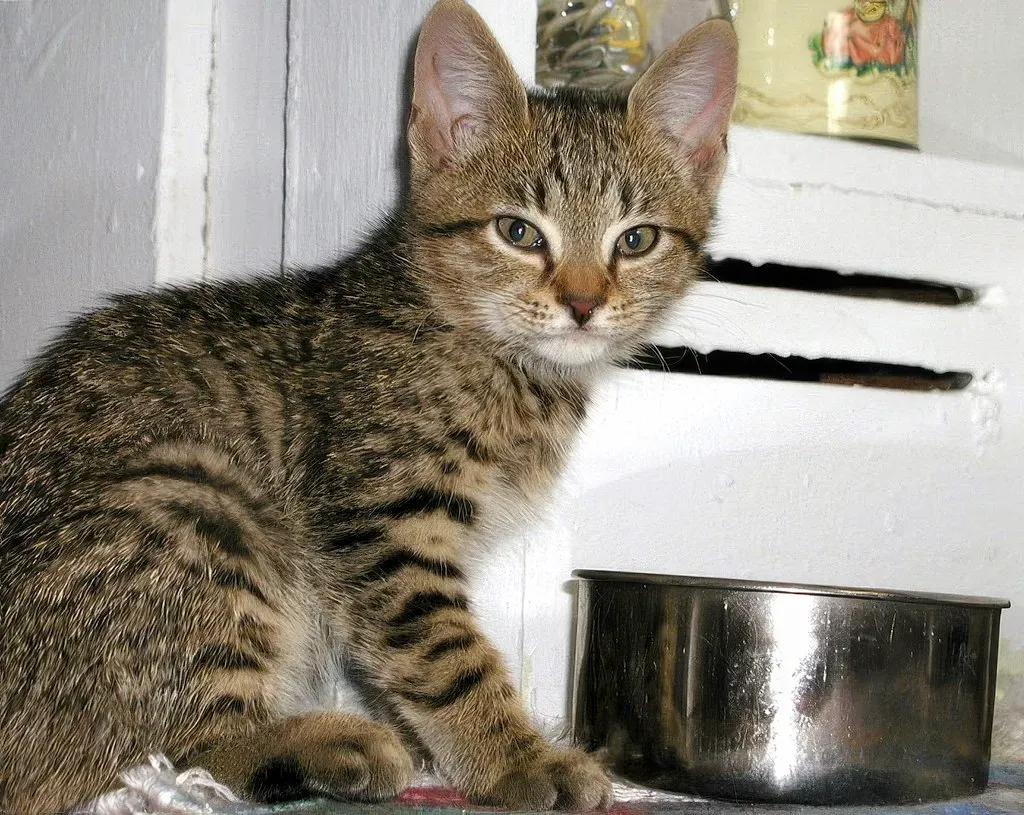
Old-school pet owners tend to hang onto things, and food bowls are no exception. Stainless steel bowls, often dented or slightly rusted at the rim, get passed down from one pet to the next because they simply never wear out. There’s rarely a matching set or a cute pattern, just a functional bowl that does its job.
Plastic bowls with paw prints or a pet’s name printed on them are a newer retail trend, largely driven by the pet humanization wave of the last fifteen years. In these homes, though, the bowl is a tool, not a decoration. If it holds food and doesn’t leak, it’s earned its permanent spot on the kitchen floor.
Related: 10 Things You’ll Always Spot in the Closets of People Who Live the “Old-School” Way
2. A bag of dry kibble instead of a fridge full of specialty pet food
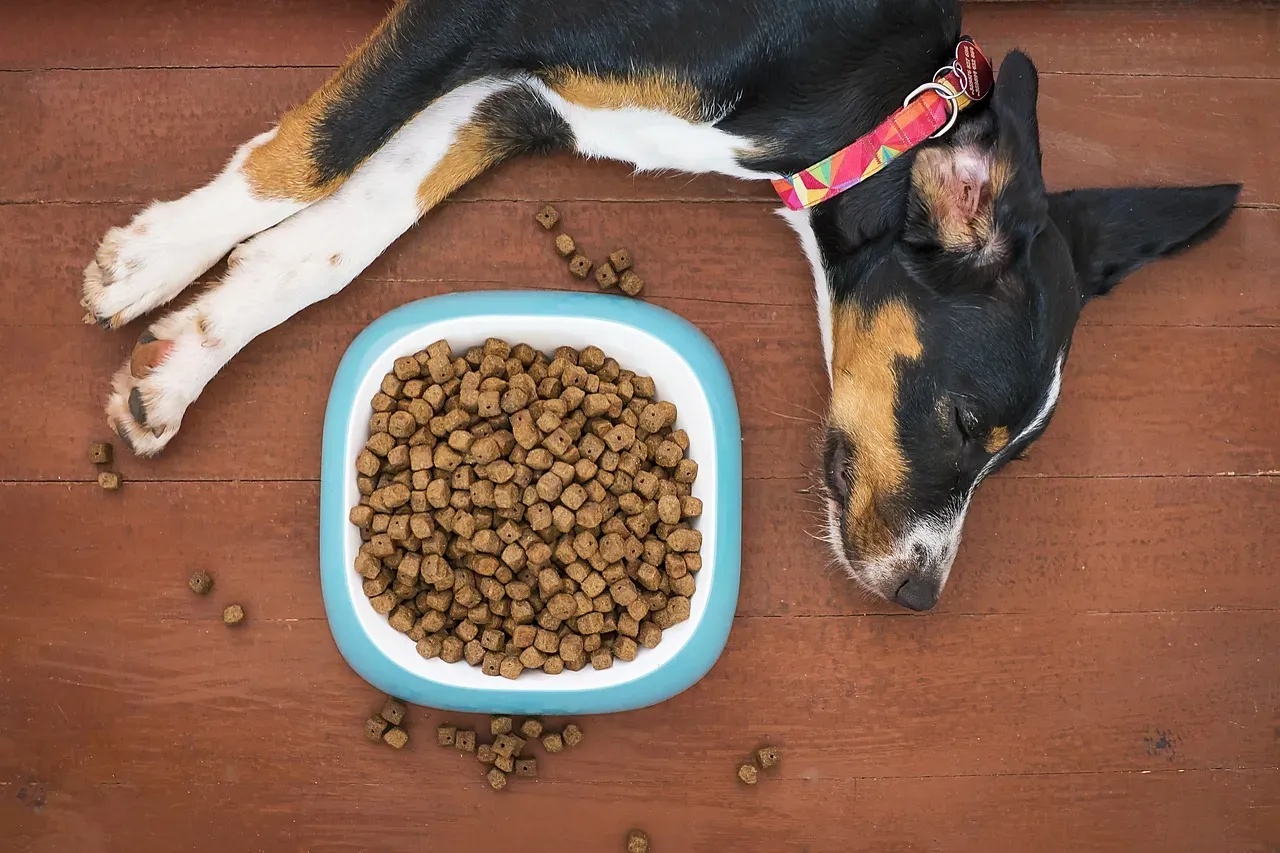
The pet food industry has exploded with fresh, freeze-dried, and human-grade options in recent years, with the global pet food market valued in the tens of billions of dollars and growing steadily. Old-school households, however, usually stick to a straightforward bag of kibble bought from the same feed store or supermarket aisle for years. Brand loyalty runs deep, and switching foods only happens if the pet has an actual health issue.
There’s little interest in grain-free trends, boutique diets, or subscription meal delivery services for pets. Table scraps might supplement the bowl occasionally, something modern vets often caution against, but in these homes, it’s just tradition. The approach is simple: if the animal is healthy and eating well, there’s no reason to overthink it.
3. A dog that sleeps in its own designated spot, not the bed
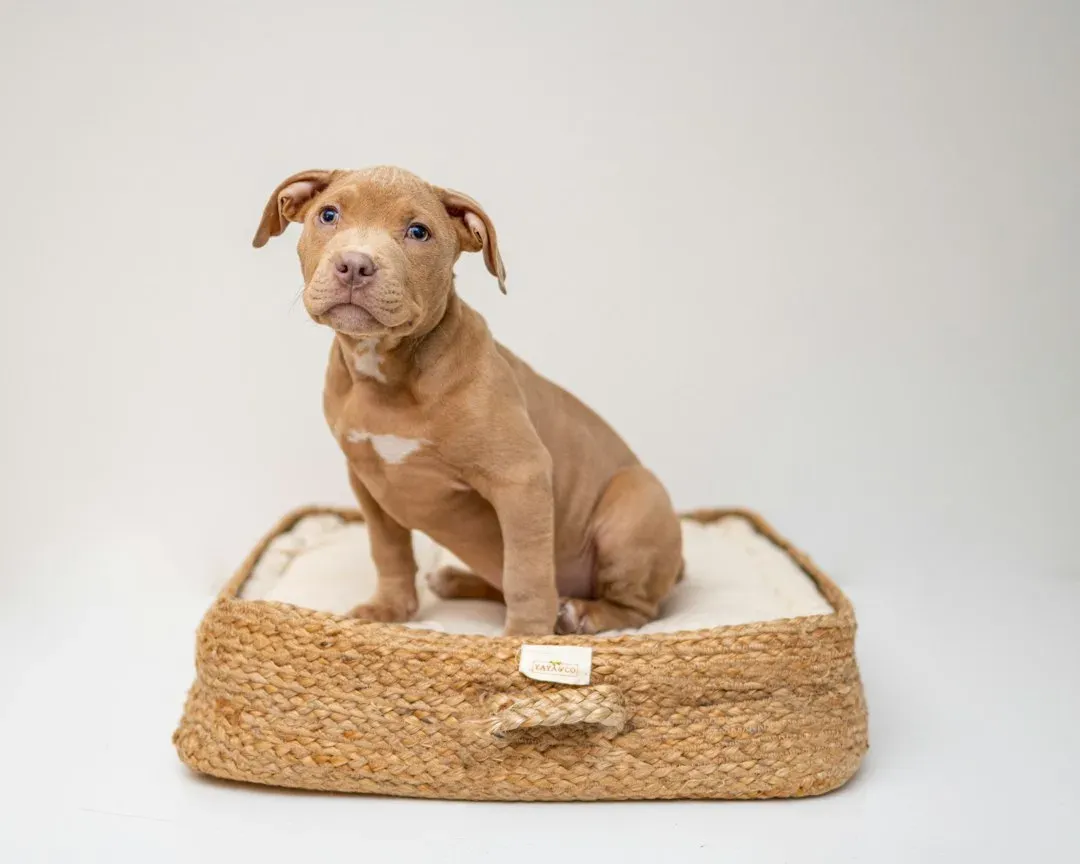
Surveys in recent years have shown that a large share of pet owners, sometimes over half, let their dogs sleep in the bed with them. In old-school households, that’s rarely the case. There’s usually a dedicated dog bed, a blanket by the door, or even just a rug in the kitchen where the animal knows to settle down each night.
This isn’t about affection, since these owners often love their pets just as much as anyone else. It’s more about maintaining a clear boundary between human space and animal space, a distinction that was simply more common a generation or two ago. The pet has its place, and that place is respected consistently.
Related: 10 Things You’ll Always Spot in the Homes of People Who Raise Pets the “Old-School” Way
4. A yard with a fence instead of a leash-only routine
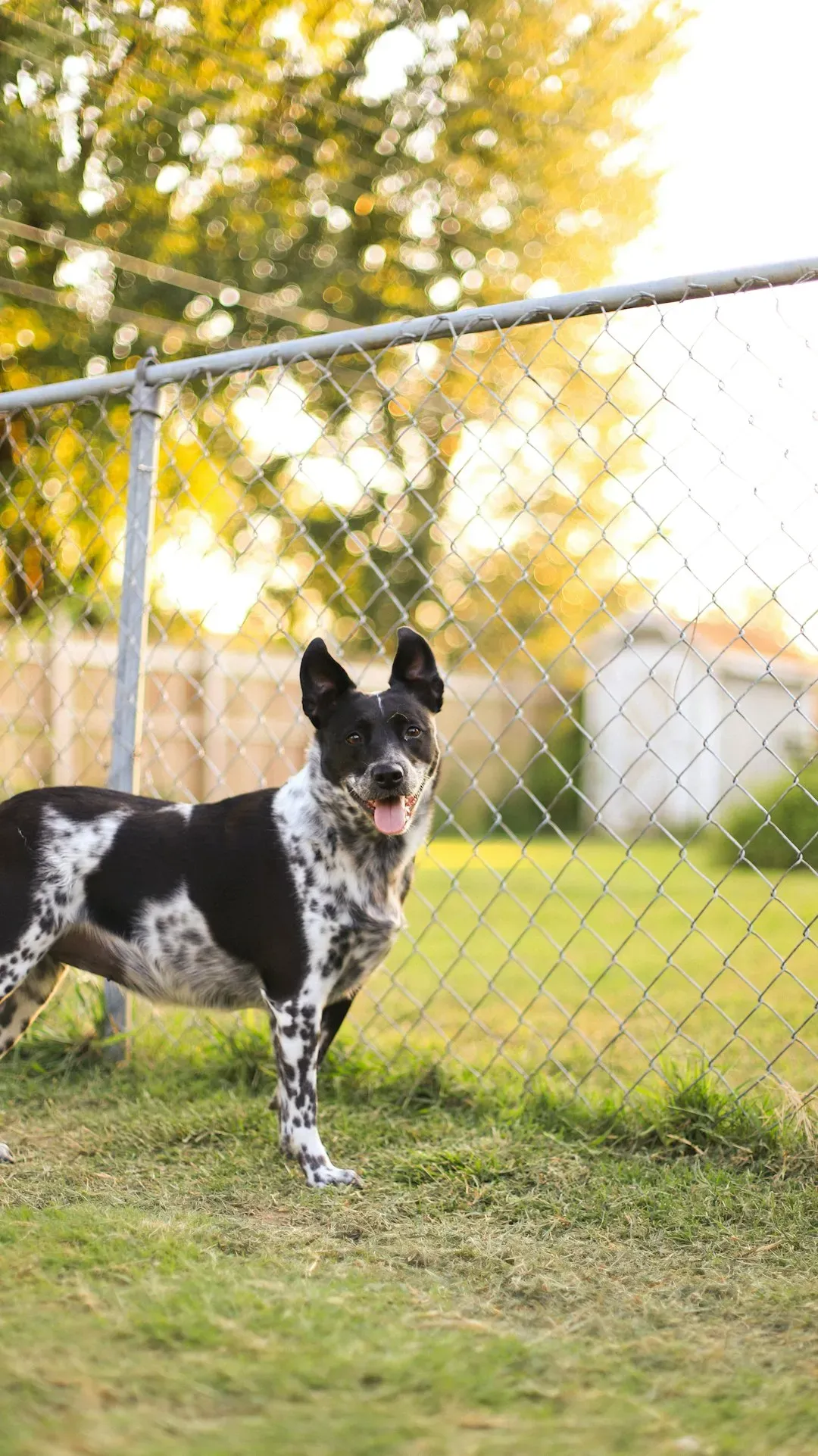
If there’s outdoor space available, old-school pet owners tend to use it. A fenced yard where the dog can roam, dig, and bark at squirrels replaces the modern urban routine of scheduled leash walks and dog park visits. The idea of hiring a professional dog walker or paying for daycare rarely enters the picture.
This approach reflects both practicality and a different set of expectations about a dog’s independence. The animal gets exercise on its own terms rather than through a structured, supervised outing. It’s a lower-maintenance system, though it does depend heavily on having the space to make it work.
5. A cat that’s allowed outside, at least part of the time
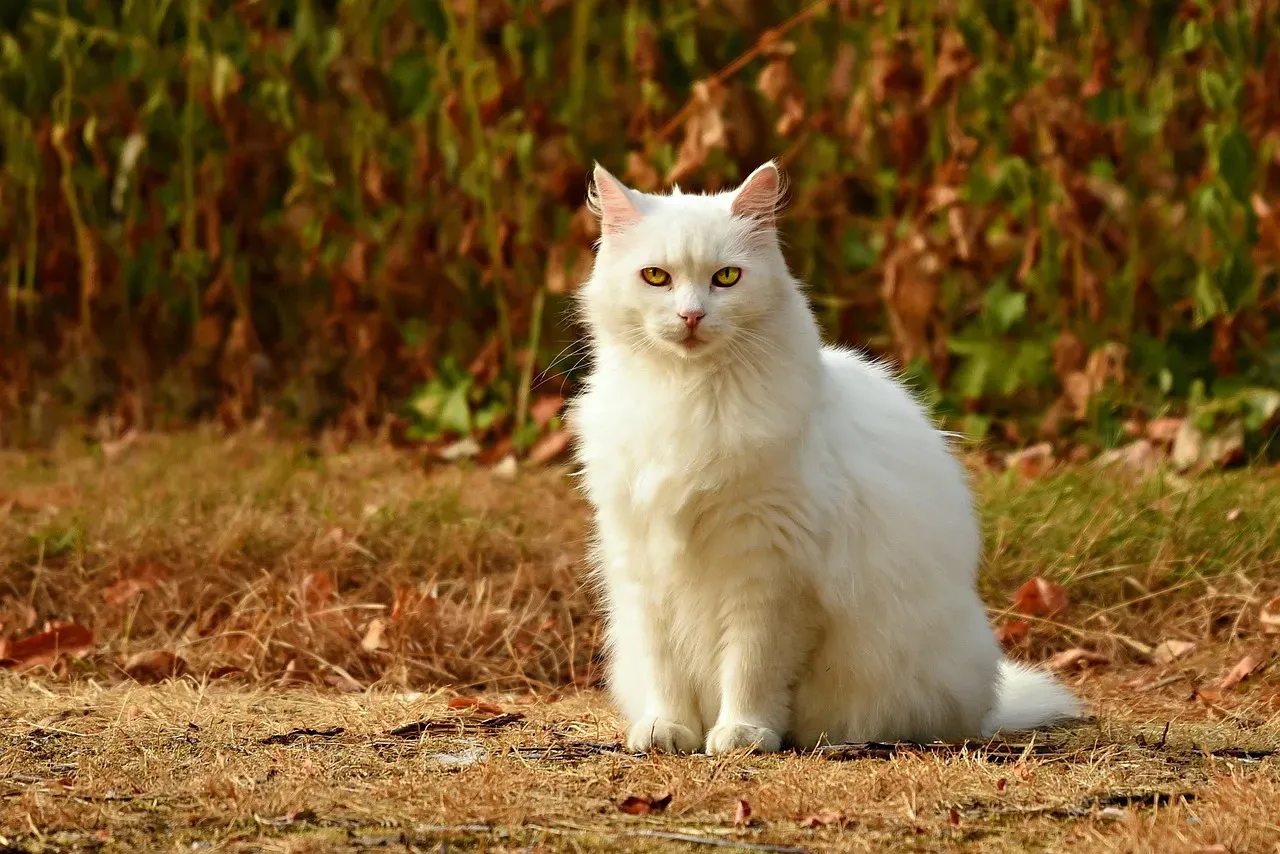
Indoor-only cats have become the recommended standard among veterinarians in the U.S., largely due to risks from traffic, predators, and disease. Yet in old-school households, especially those with rural or suburban roots, cats are still commonly let outdoors for stretches of the day. The reasoning is straightforward: cats are natural hunters, and letting them patrol the property keeps rodents in check.
This practice has become less common in cities and among younger pet owners, partly due to safety concerns and partly due to environmental worries about outdoor cats affecting local wildlife. Still, in these homes, a cat door or a screened porch cat flap is a near-permanent fixture. The house often has fewer mice and bugs to show for it.
6. No pet insurance policy, but a well-worn number for the local vet

Pet insurance has grown rapidly, with the North American Pet Health Insurance Association reporting steady year-over-year increases in enrolled pets across the U.S. and Canada. Old-school pet owners, however, largely skip it. Instead, they rely on a long-standing relationship with a single local veterinarian, someone who knows the animal’s history and can be called directly when something seems off.
Vet bills get paid out of pocket, and decisions about treatment often lean toward practical cost-benefit thinking rather than pursuing every possible intervention. This doesn’t mean less care, just a different financial approach shaped by decades of managing without a safety net built into a monthly premium. The trust is placed in a person, not a policy.
7. A cardboard box or laundry basket doubling as a pet bed
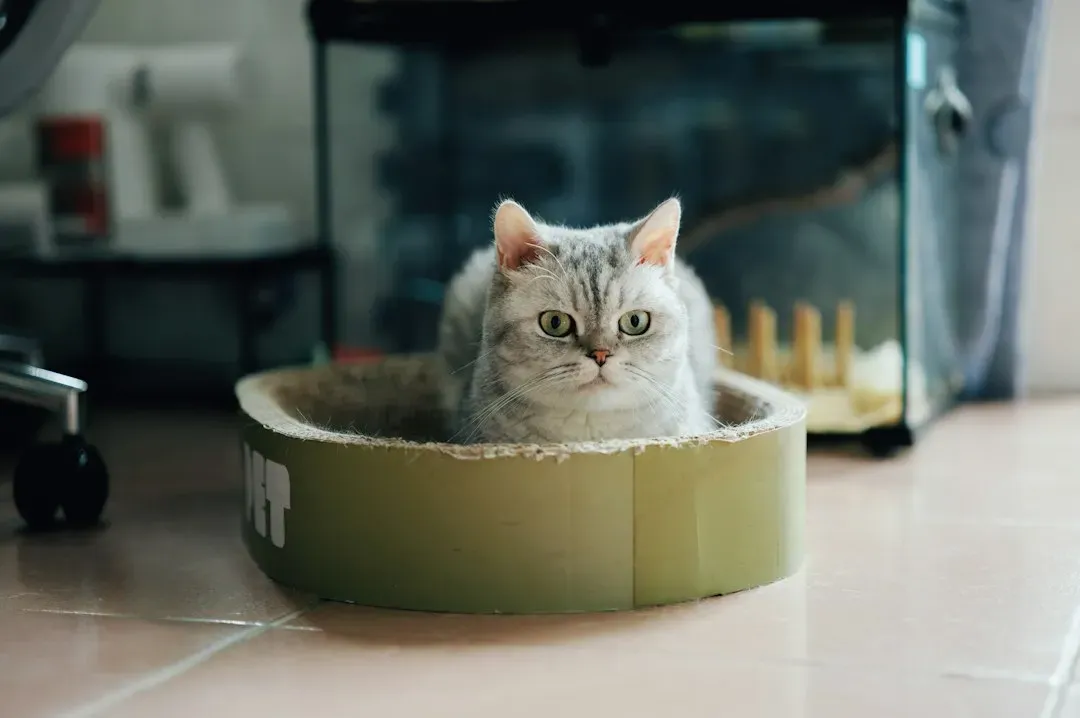
Specialty pet beds, some costing well over a hundred dollars, have become a fixture of the modern pet aisle. In old-school homes, though, a cardboard box lined with an old towel or a retired laundry basket often does the job just fine. The logic is simple: if it’s warm, dry, and the animal likes it, why spend money replacing it?
This habit extends to toys too, where a balled-up sock or an empty water bottle can outlast any store-bought chew toy. There’s a certain resourcefulness at play here, one rooted in a broader household mentality of reusing what’s on hand. It’s less about being cheap and more about not seeing the need for something fancier.
8. A calendar or wall chart for vaccinations, not an app

Pet health apps and digital reminder systems have surged in popularity over the past few years, especially since many veterinary clinics now send automated text and email alerts. Old-school pet owners, though, are more likely to jot vaccination dates on a paper calendar or keep a physical folder of vet records in a kitchen drawer. It’s a low-tech system, but it’s one they trust because it’s worked for decades.
This same preference shows up in how they track other pet-related tasks, like flea treatments or heartworm medication schedules. There’s no syncing across devices or push notifications, just a handwritten note that gets checked periodically. It’s not the most efficient system by modern standards, but it rarely fails them either.
9. A dog that responds to basic commands, learned at home
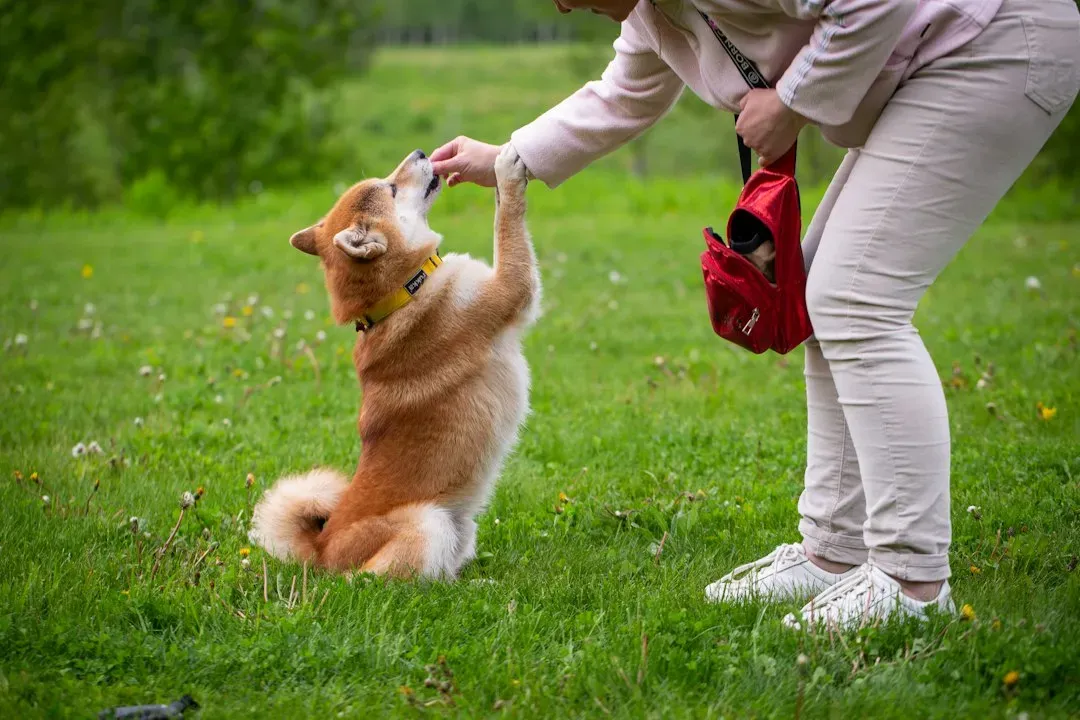
Professional dog training services have become a mainstream option, with some structured obedience courses costing several hundred dollars for a multi-week program. In old-school households, training happens informally, at home, using consistency and repetition rather than formal classes. Commands like sit, stay, and come are taught by the owner, often using methods passed down from their own parents or grandparents.
This isn’t always the most polished training, and the dog might not have perfect leash manners at the vet’s office. However, it usually works well enough for daily life, and the bond formed through that hands-on teaching process tends to be strong. There’s a sense of pride in having trained the animal personally rather than outsourcing the job.
10. Leftovers and scraps treated as an acceptable occasional snack
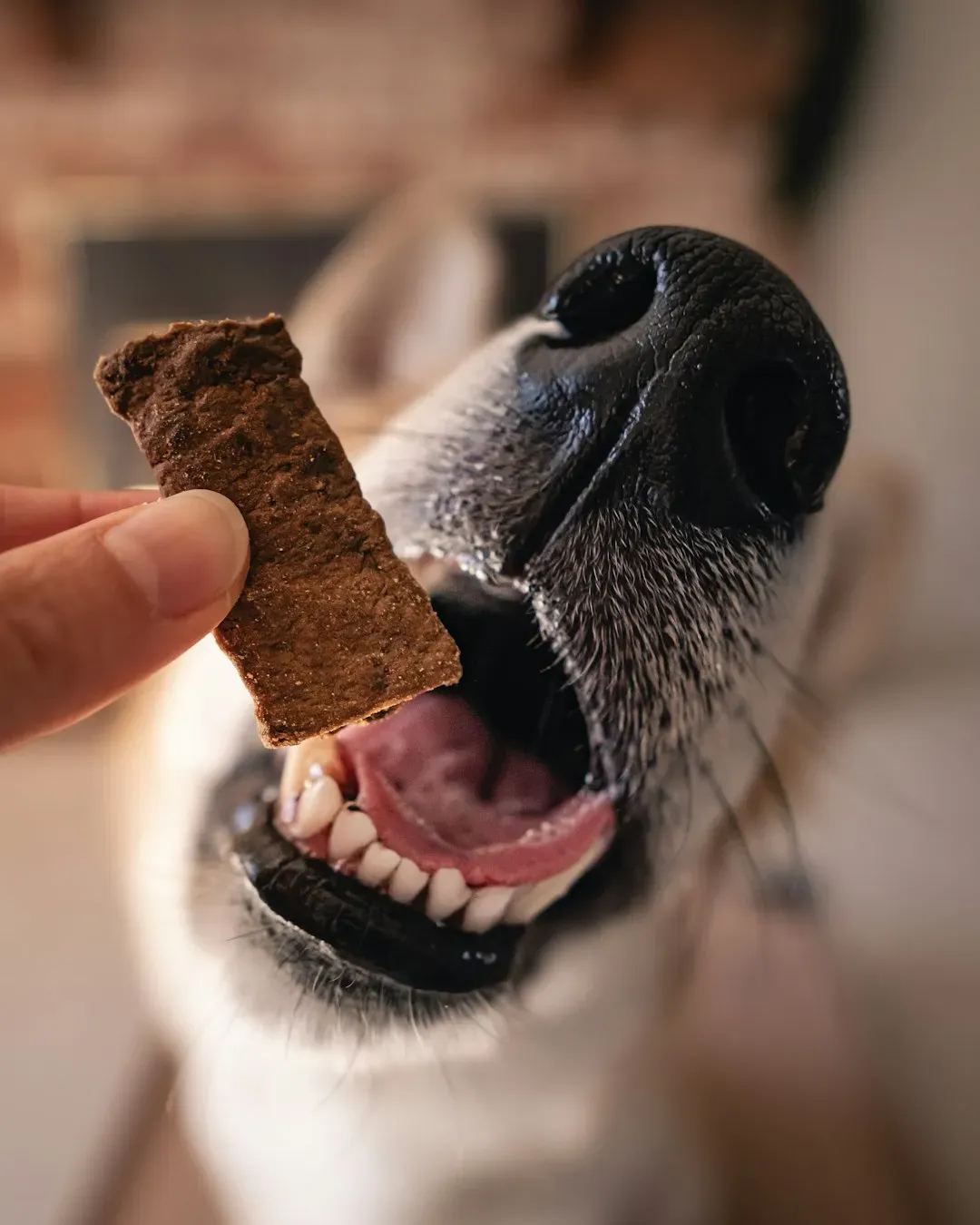
Modern veterinary guidance increasingly warns against feeding dogs and cats table scraps, citing risks like obesity, pancreatitis, and toxic reactions to foods like onions, grapes, or chocolate. In old-school homes, though, a bit of leftover meat, a crust of bread, or vegetable scraps from dinner prep often ends up in the pet’s bowl without much hesitation. The rule tends to be more about avoiding known dangerous foods than eliminating scraps entirely.
This habit reflects a generational gap in how pet nutrition is understood and prioritized. Where younger owners might follow strict feeding guidelines from a vet or a pet nutrition app, older-school owners often go by instinct and experience. It’s a looser system, and while it occasionally raises eyebrows among newer pet parents, it’s persisted for a reason: it usually works fine for the animals raised this way.
These habits aren’t right or wrong so much as reflections of a different time, one where pets fit into daily life rather than the other way around. Whether it’s a dented food bowl or a handwritten vaccination log, each detail points to a style of pet ownership built on practicality, trust, and a little bit of stubborn tradition.



Leave a Reply