
1. A stack of ironed handkerchiefs
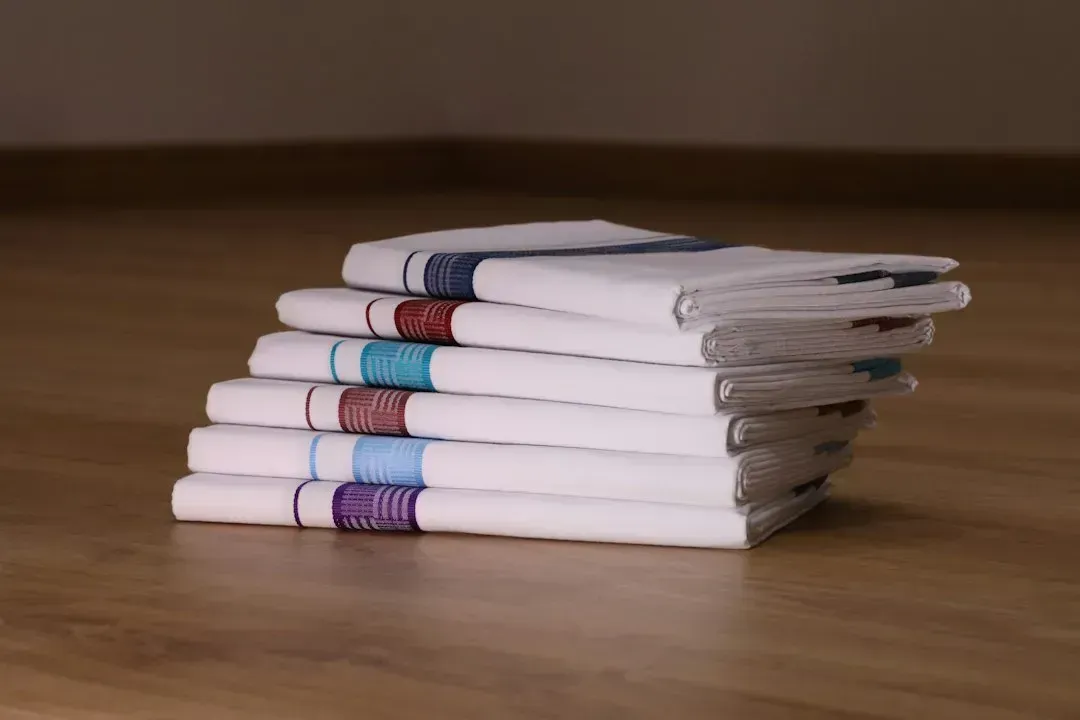
Long before pocket tissues took over, cloth handkerchiefs were a daily essential, and plenty of old-school households still keep a neat stack of them pressed and folded. They’re often monogrammed or edged with simple embroidery, a small detail that made them feel personal rather than disposable. Some people still carry one instead of grabbing a tissue, treating it as a reusable habit rather than an old-fashioned quirk.
This isn’t just sentimentality. Cloth handkerchiefs cut down on paper waste, and washing a stack of them costs far less over a year than buying tissue boxes on repeat. For many who came of age before the 1980s consumer boom, that math still matters.
2. Wool coats built to outlast trends
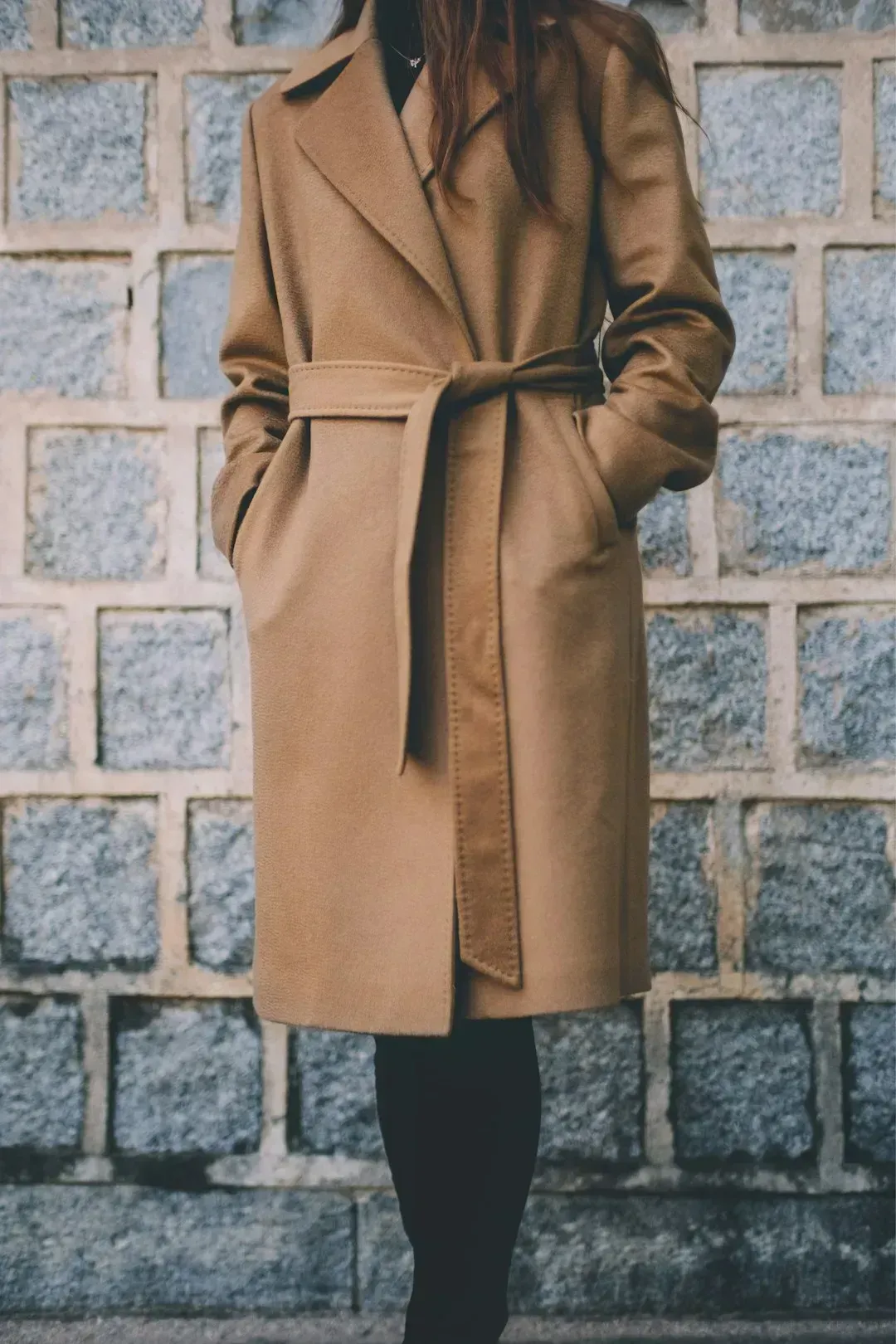
Fast fashion cycles through styles every few weeks, but old-school closets tend to hold onto a single, heavy wool coat for decades. These coats were bought once, often at real financial stretch, and maintained with brushing, mothballs, and the occasional trip to a tailor rather than tossed for something newer. Wool naturally resists wrinkles and holds warmth well, which is part of why these coats survive so many winters.
There’s also a practical reason they stick around: a well-made wool coat can be re-lined or have buttons replaced instead of being thrown out. That kind of repair-first thinking used to be standard practice, back when clothing repair shops were common on most town main streets.
3. Sewing kits with real thread variety
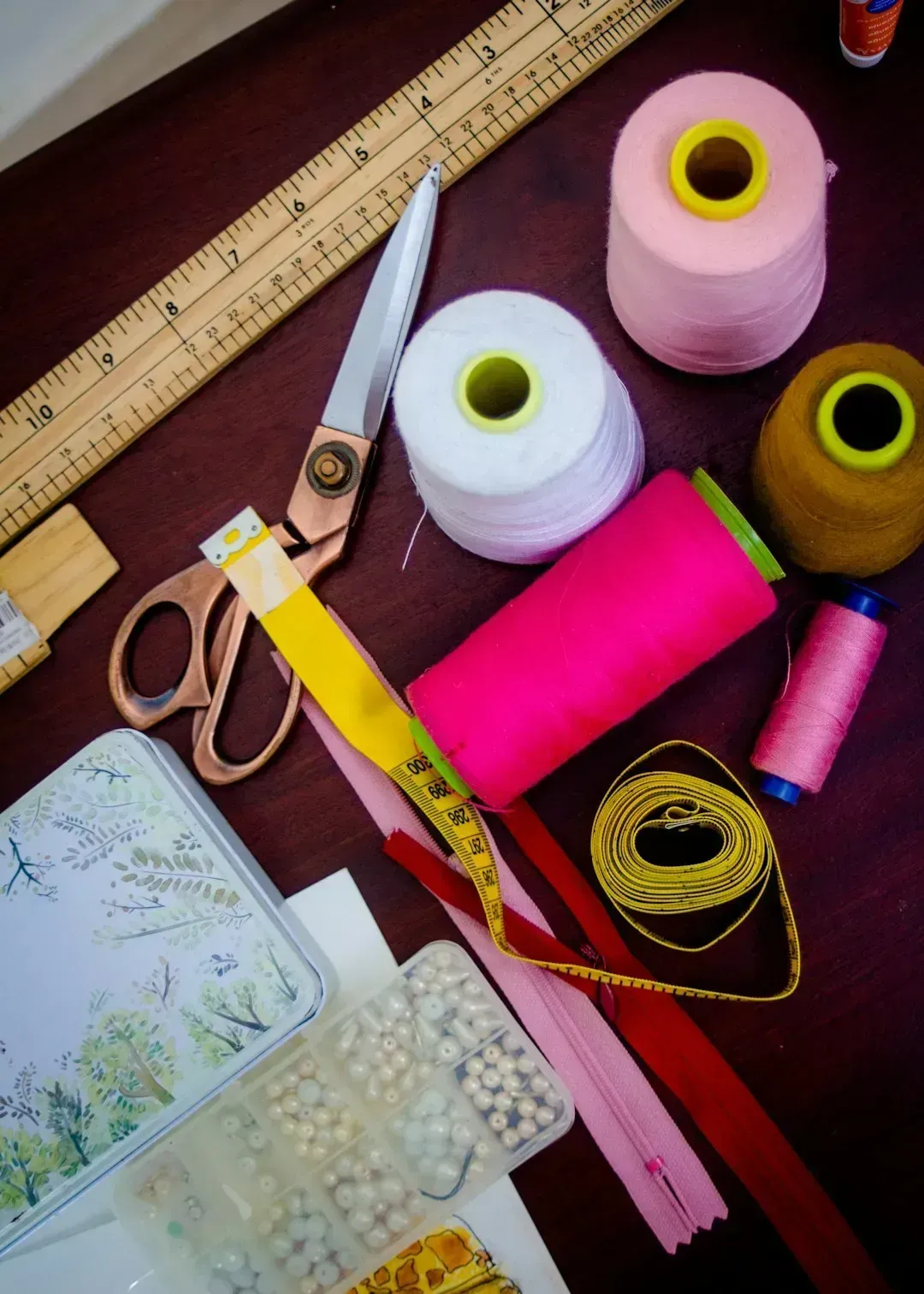
A proper sewing kit in an old-school closet isn’t a plastic travel case with a few safety pins. It usually includes a pincushion, multiple spools of thread in different weights, a thimble worn smooth from use, and fabric scraps saved for patching. This wasn’t a hobby setup, it was basic household maintenance, since mending clothes at home was simply cheaper and faster than replacing them.
Sewing skills were commonly taught in home economics classes through much of the twentieth century, which is part of why so many people from that generation can still hem pants or fix a loose button without a second thought. The kit sits in the closet not as decoration, but as a tool still expected to get regular use.
4. Shoe trees inside every good pair of shoes

Cedar or wooden shoe trees are a near guarantee in these closets, tucked into leather shoes and boots to keep their shape between wears. The idea is simple: leather that dries out unsupported will crack and warp, cutting a shoe’s lifespan dramatically. Old-school shoe owners tend to see a $150 pair of leather shoes as an investment meant to last ten or fifteen years, not a seasonal purchase.
Cedar specifically absorbs moisture and odor, which is why it became the standard material rather than plastic or metal versions. Shoe care in these households often includes polishing kits stored right alongside the shoes themselves, another sign that maintenance was never optional.
5. A garment bag for “good” clothes
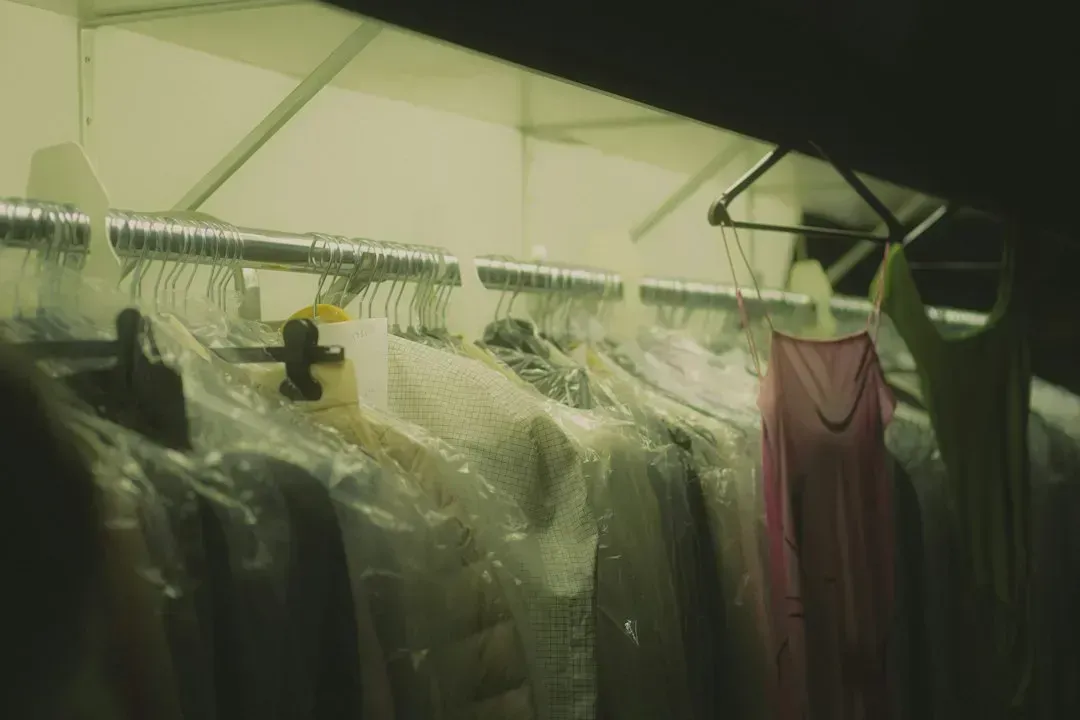
Every old-school closet seems to have at least one canvas or vinyl garment bag reserved for suits, church dresses, or funeral attire. These clothes aren’t worn often, but they’re protected carefully, since replacing formal wear was historically a bigger expense relative to income than it feels today. The bag keeps dust and moths away, and it signals which items in the closet are meant to be preserved rather than cycled through regularly.
This habit ties back to a era when people owned fewer clothes overall but expected each piece to serve multiple occasions over many years. A single dark suit might get worn to weddings, funerals, and job interviews alike, so keeping it protected wasn’t fussiness, it was basic upkeep.
6. Cedar blocks or lavender sachets for moth control
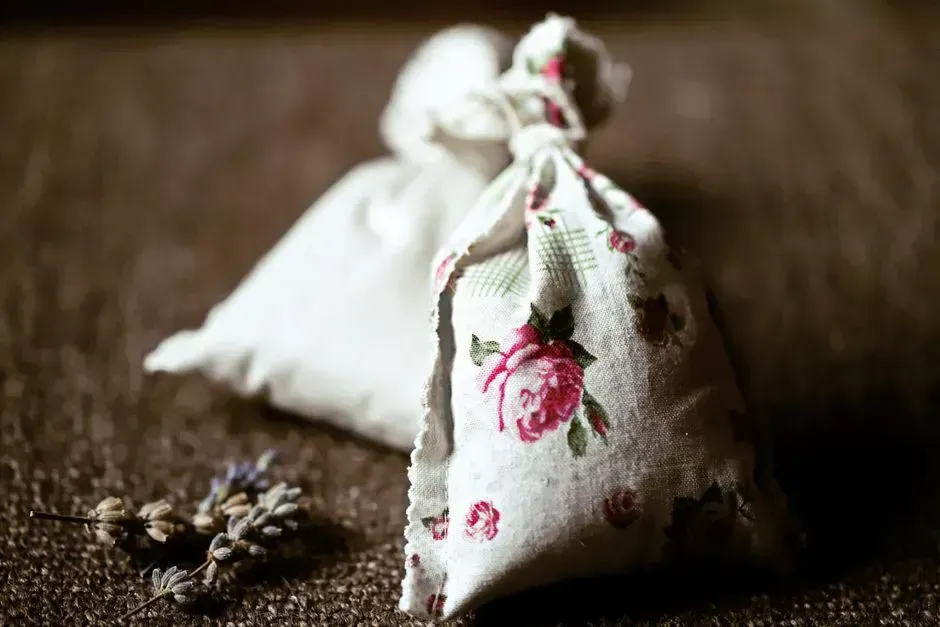
Instead of reaching for commercial moth spray, old-school closets often rely on cedar blocks, cedar balls, or small sachets of dried lavender tucked between garments. Cedar oil is a natural deterrent that disrupts the pheromone signals moths use to find fabric, and it doesn’t carry the chemical smell that mothballs are known for. This preference for natural pest control long predates the current interest in “clean” household products, it’s simply what was available and trusted for generations.
These sachets get refreshed every year or two once the scent fades, a small recurring task that fits neatly into a broader habit of proactive closet maintenance. It’s a low-effort ritual, but one that noticeably extends the life of wool sweaters and other vulnerable fabrics.
7. A dedicated ironing setup, not an afterthought
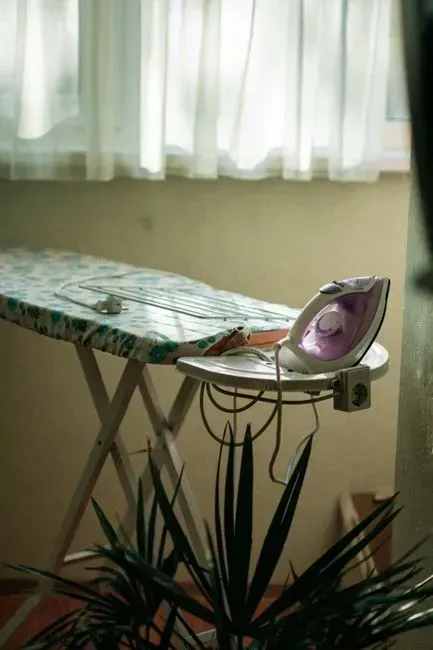
Many old-school closets have a spot carved out specifically for an ironing board and iron, sometimes tucked into a slim closet cavity built for exactly that purpose. Wrinkle-free fabrics and steamers weren’t widely available until later decades, so ironing clothes before wearing them was a near-daily task rather than an occasional chore. Cotton and linen especially demanded regular pressing, and skipping it was considered sloppy in a way that feels almost quaint today.
This setup often includes starch spray and a pressing cloth, tools aimed at getting shirts and trousers looking sharp without a professional dry cleaner involved. The habit persists even now among people who grew up with it, regardless of how many wrinkle-resistant fabrics have hit the market since.
8. Boxes of buttons, zippers, and spare fasteners
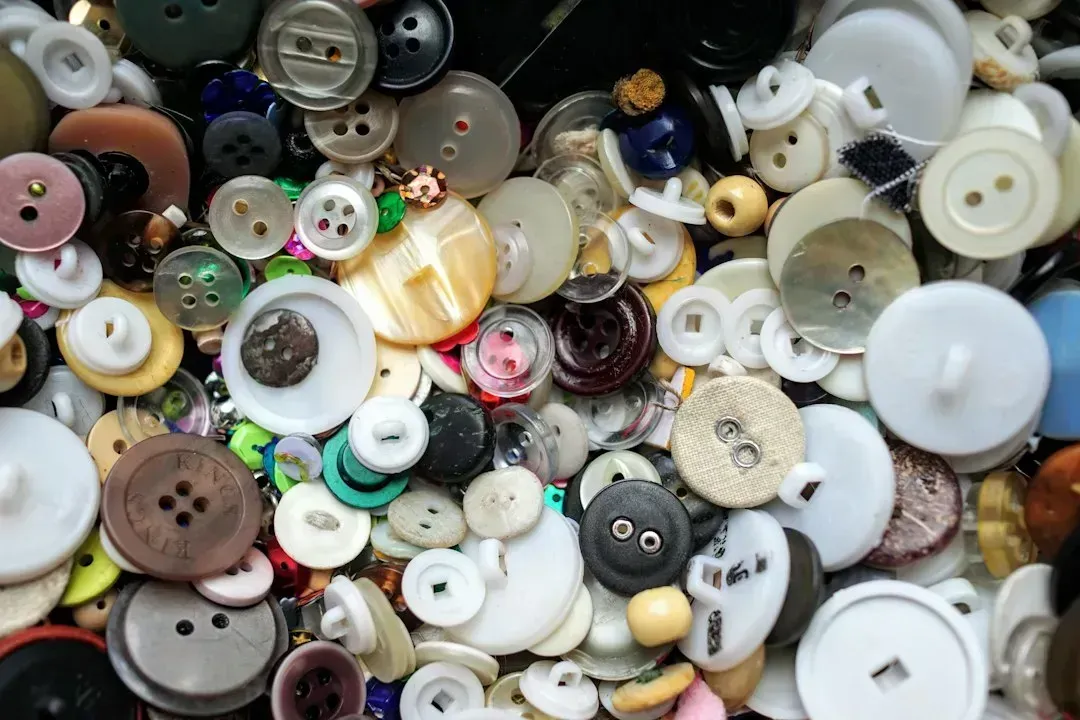
Tucked on a shelf or in a drawer, there’s almost always a tin or jar filled with mismatched buttons, zipper pulls, and hook-and-eye closures saved from clothes long since discarded. The logic is straightforward: when a shirt loses a button, you don’t throw the shirt away, you dig through the tin until you find a close match. This habit reflects a broader repair culture that was standard before cheap, mass-produced clothing made replacement easier than mending.
Some of these buttons date back decades, salvaged from garments that were otherwise beyond saving. It’s a small, unglamorous archive, but it tells a clear story about how clothing used to be valued as something worth fixing rather than replacing.
9. A single “good” umbrella, not a drawer full of cheap ones
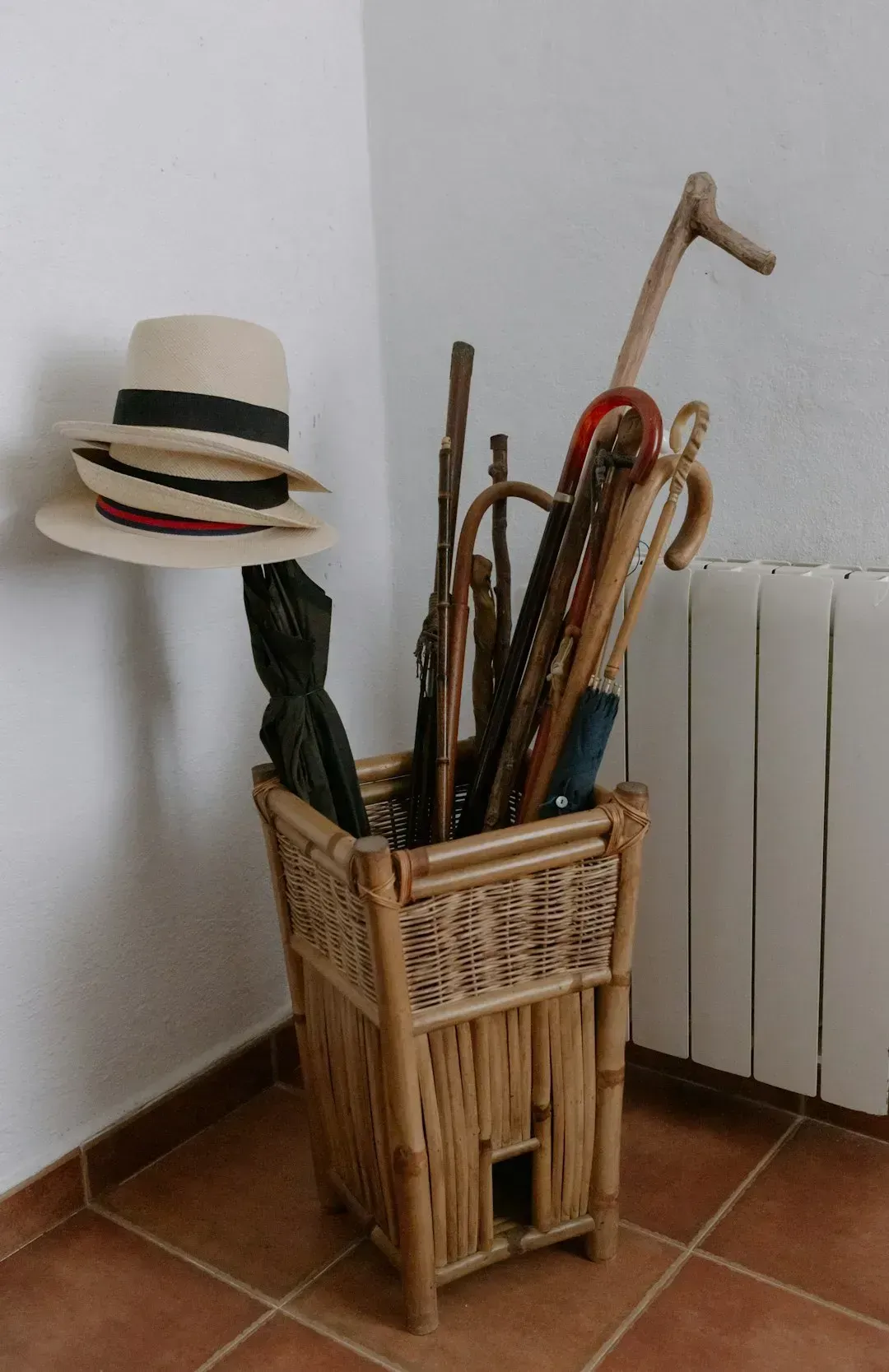
Rather than a pile of flimsy umbrellas picked up on sale or handed out as freebies, old-school closets usually hold one sturdy umbrella with a wooden or metal handle, built to survive real wind rather than fold inside out at the first gust. These umbrellas often come from a specific brand or a department store that no longer exists in the same form, purchased once and expected to work for years. The idea of buying disposable umbrellas by the dozen simply wasn’t how these households approached the problem.
When something did go wrong, a bent rib or a torn panel, it typically got repaired rather than thrown out, since umbrella repair was a small but real service offered by shoe repair shops and tailors. That kind of infrastructure has mostly disappeared, but the habit of buying one durable item over several cheap ones hasn’t, at least not in these closets.
10. Photo albums or keepsake boxes tucked on the top shelf
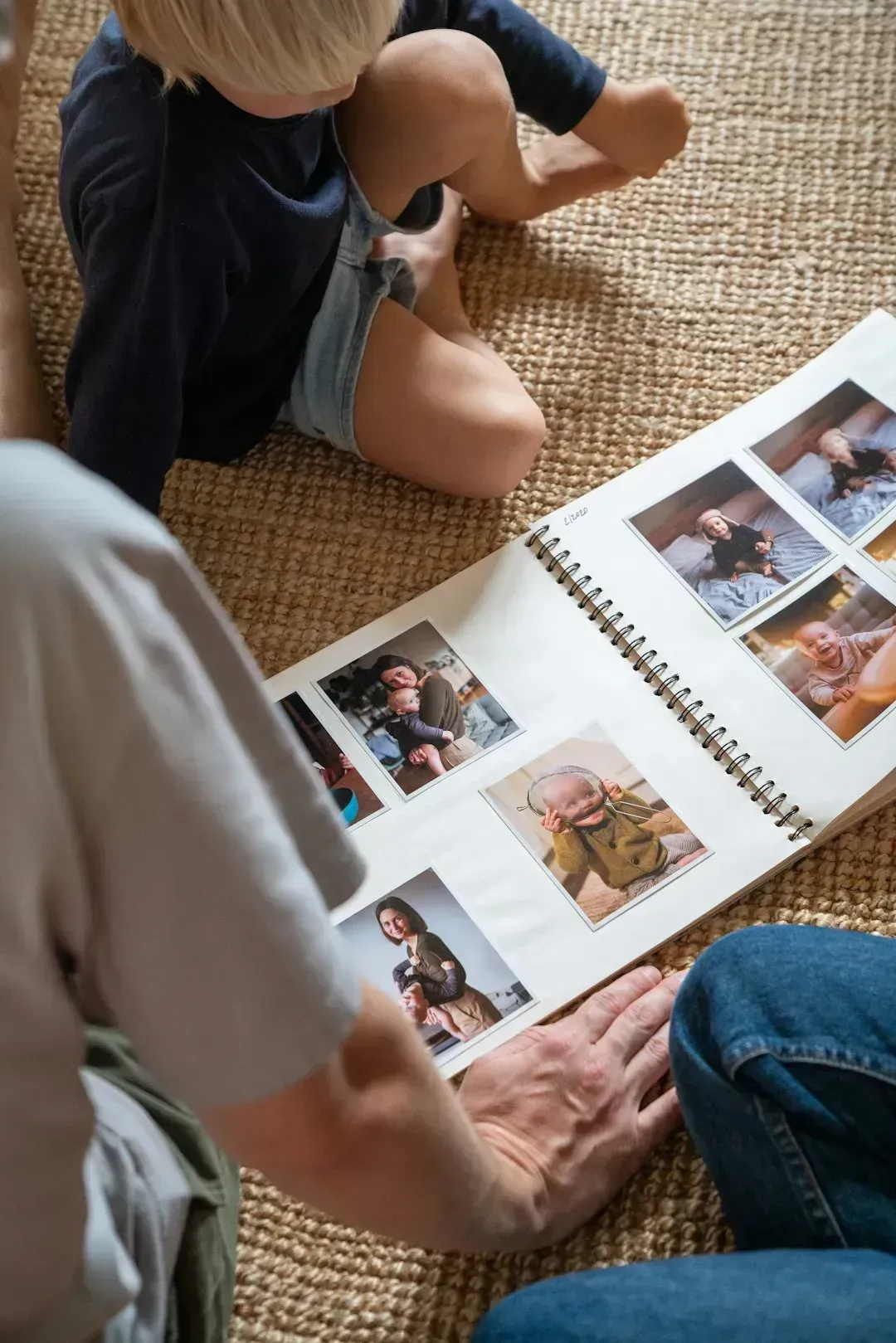
It’s common to find a shoebox or small trunk pushed onto the highest closet shelf, filled with printed photographs, ticket stubs, letters, or other paper mementos rather than anything digital. Before smartphones and cloud storage, preserving memories meant physical prints developed at a drugstore counter, and old-school households tend to keep those originals rather than scanning and discarding them. The closet becomes a kind of quiet archive, holding decades of family history in a spot most people forget to check.
These boxes rarely get reorganized or thrown out, even as space in the closet gets tighter over the years. There’s a practical stubbornness to it, the sense that some things simply aren’t meant to be replaced by a digital file, no matter how convenient that might be.
None of these items show up by accident. Each one reflects a set of habits built around durability, repair, and intention, habits that developed in a different economic and cultural moment but never fully disappeared. Walking through a closet like this is less like browsing storage and more like reading a short, quiet record of how people used to think about what they owned.


Leave a Reply