
Communication between partners often runs into trouble not because of what was said, but because of what was heard. Men and women frequently process the same sentence through different filters, shaped by tone, context, and years of relationship shorthand. What sounds like a simple statement to one person can land as something entirely different to another, sparking confusion or unnecessary friction.
This gap in interpretation isn’t about one gender being right and the other being wrong. It’s about recognizing that words carry emotional weight that varies depending on who’s listening. Below are fourteen common phrases men say, paired with how they’re often meant versus how they frequently get received.
1. “I’m Fine”

When a man says “I’m fine,” he usually means exactly that. He’s not upset, he’s not hiding anything, and he genuinely doesn’t feel like there’s more to discuss. It’s a closed statement, meant to end the conversation rather than open it up.
Many women hear something different. Because “fine” is often used by women themselves as a coded signal for “not fine but I don’t want to explain,” they may assume the same subtext applies here. This mismatch can lead to follow-up questions that feel unnecessary to him and dismissive to her when he doesn’t elaborate.
2. “It’s Not a Big Deal”

This phrase is typically an attempt to minimize stress, not the situation itself. A man might say it to reassure his partner that a problem is manageable and doesn’t require panic or extended worry. In his mind, he’s trying to keep things calm and practical.
The listener, however, may hear an invalidation of her concern. If she brought up an issue because it felt significant to her, hearing “it’s not a big deal” can feel like her feelings are being brushed aside rather than addressed. The intention to soothe often gets lost in translation.
3. “Do Whatever You Want”

Said in the context of planning a date night or weekend activity, this phrase is often genuine. Many men mean it as flexibility, a way of saying he’s happy with her choice and doesn’t have a strong preference either way.
Yet this can be interpreted as disengagement or a lack of investment in the relationship’s shared decisions. Some women want a partner who actively participates in planning, not one who defers every choice. What’s meant as easygoing can come across as indifferent.
4. “I Don’t Care”

Closely related to the previous phrase, “I don’t care” is frequently used to signal true neutrality on small decisions like restaurant choices or movie picks. Men often use it to avoid unnecessary debate over low-stakes matters.
Women may hear this as apathy toward the relationship itself rather than the specific decision at hand. Repeated use of this phrase, even about trivial things, can accumulate into a feeling that he’s checked out, even when that’s far from the truth.
5. “You’re Overreacting”

This is usually said in the heat of an argument, meant as an observation that the emotional intensity feels disproportionate to the man saying it. He may genuinely believe he’s offering a rational perspective to de-escalate the situation.
The effect is often the opposite of calming. Being told you’re overreacting can feel dismissive and patronizing, shutting down the emotional experience rather than acknowledging it. Research on relationship communication, including work from the Gottman Institute, consistently shows that invalidating a partner’s emotions escalates conflict rather than resolving it.
6. “I Was Just Joking”

Often said defensively after a comment lands poorly, this phrase is typically an honest attempt to clarify intent. The man wasn’t trying to hurt anyone; he thought the comment was harmless humor.
The listener may hear this as a refusal to take responsibility for the impact of his words, regardless of intent. The gap between “I didn’t mean it that way” and “you shouldn’t have felt that way” is where this phrase tends to cause friction.
7. “Let’s Just Move On”

This is frequently an attempt to avoid prolonged conflict, especially from men who find sustained emotional discussions draining or unproductive. He wants resolution and sees continuing to dwell on the issue as counterproductive.
Women often hear this as an attempt to avoid accountability or skip past a needed conversation before it’s actually resolved. Without addressing the root issue, “moving on” can feel like sweeping something under the rug rather than genuinely resolving it.
8. “You Look Nice”

This compliment is usually straightforward and sincere. Many men use simple, direct language for compliments, without layering in additional meaning or comparison.
Some women hear this as lukewarm compared to more effusive language, wondering if “nice” implies something less than “beautiful” or “stunning.” The brevity that feels natural and honest to him can feel underwhelming to her, even when no slight was intended.
9. “I’ll Think About It”

When faced with a request or decision, many men genuinely mean they need time to process before responding. This isn’t avoidance; it’s a reflection of how some people process decisions internally before verbalizing conclusions.
This can be heard as a soft “no” or a stalling tactic, especially if a woman prefers processing decisions out loud through discussion. The mismatch in decision-making styles, one internal and delayed, one collaborative and immediate, creates tension around a phrase that wasn’t meant to signal avoidance.
10. “Calm Down”

Typically said with the intention of reducing tension, this phrase reflects a desire to de-escalate a heated moment. The man saying it often feels the conversation has become too emotionally charged to be productive.
Almost universally, however, “calm down” has the opposite effect on the person hearing it. It tends to escalate frustration rather than reduce it, because it implies the other person’s emotional state is the problem rather than a valid response to something real.
11. “We’re Fine Financially”
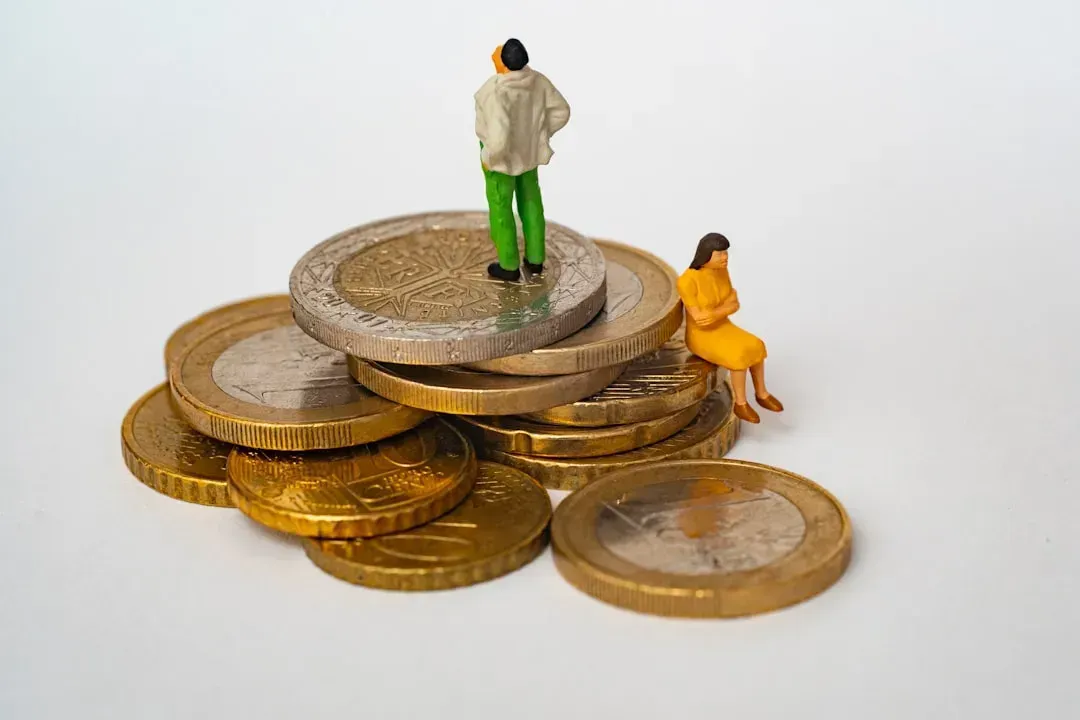
This statement is often meant to provide reassurance, particularly from men who handle household budgeting and want to prevent unnecessary worry. He’s trying to communicate stability and confidence in the current financial situation.
Without specifics, this reassurance can feel vague rather than comforting. Financial transparency has become an increasingly emphasized topic in relationship research over the past few years, with studies showing that couples who share detailed financial information report higher relationship satisfaction than those who rely on general reassurances alone.




Leave a Reply