
1. Prioritizing Strength Training Over Cardio
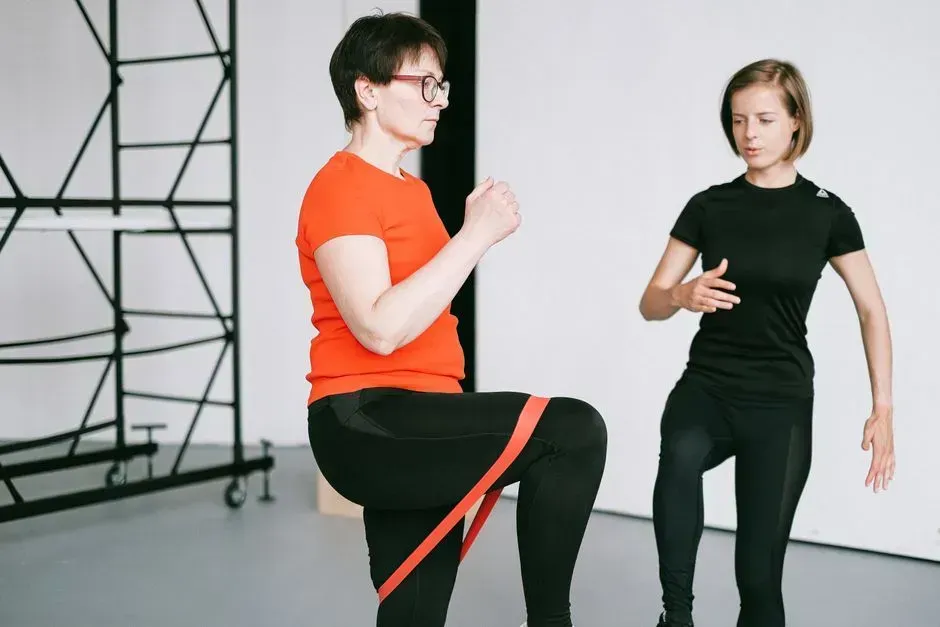
Many women over 50 have shifted their workout focus from endless cardio sessions to lifting weights, and the reasoning is backed by solid science. After menopause, estrogen decline accelerates muscle and bone loss, making resistance training one of the most protective habits available for maintaining independence later in life. Research from the National Institute on Aging has consistently shown that strength training two to three times a week helps preserve bone density and reduces fall risk in postmenopausal women.
This isn’t about chasing a certain look anymore. It’s about being able to carry groceries, get up from the floor easily, and keep joints stable for decades to come. Women who’ve made this switch often describe feeling physically capable in a way cardio alone never quite delivered.
2. Saying No Without Over Explaining

Somewhere in their fifties, a lot of women stop justifying every decision they make. Declining an invitation, skipping an obligation, or turning down a request no longer requires a paragraph of reasons attached to it. A simple “that doesn’t work for me” has replaced the exhausting habit of over explaining just to avoid seeming rude.
This shift tends to free up an enormous amount of mental energy. Therapists who specialize in midlife transitions often note that boundary setting becomes easier once women stop equating their worth with constant availability to others.
3. Getting Serious About Sleep

Sleep disruption is extremely common during and after menopause, with hot flashes, night sweats, and hormonal shifts all playing a role. In response, many women have started treating sleep as a non negotiable priority rather than something to sacrifice for productivity. Consistent bedtimes, cooler bedrooms, and cutting back on late evening screen time have become standard practice for a lot of women in this age group.
The payoff shows up almost immediately in mood and focus. Sleep specialists frequently point out that even modest improvements in sleep consistency can meaningfully reduce the irritability and brain fog that often accompany hormonal changes.
4. Tracking Bone Density and Key Health Numbers

Bone density scans, cholesterol panels, and blood pressure checks have moved from occasional afterthoughts to regular appointments on the calendar. The reasoning is practical: osteoporosis risk rises sharply after menopause, and catching changes early makes treatment far more manageable. The Bone Health and Osteoporosis Foundation recommends bone density screening starting at 65 for most women, or earlier for those with risk factors, and many women now schedule this proactively rather than waiting for a doctor to bring it up.
This habit reflects a broader shift toward taking an active role in healthcare decisions instead of a passive one. Knowing the numbers, rather than guessing, allows for more informed conversations with doctors and fewer surprises down the line.
5. Cutting Back on Alcohol

A noticeable number of women over 50 have quietly reduced or eliminated alcohol from their routines in recent years. Part of this is tied to how differently alcohol affects the body during and after menopause, often intensifying sleep problems, hot flashes, and next day fatigue. The “sober curious” movement has also given this choice more social acceptance, making it easier to order a mocktail without needing to explain the decision.
The reported benefits tend to center on clearer mornings and steadier energy throughout the day. Even modest reductions, rather than complete elimination, seem to make a noticeable difference for many women who’ve tried it.
6. Investing in Real Friendships Over Wide Social Circles

Rather than maintaining a large, loosely connected social network, many women in their fifties and beyond have narrowed their focus to a smaller group of genuinely close friends. Research on adult friendship consistently shows that quality matters more than quantity for emotional wellbeing, particularly in midlife and beyond. This often means fewer group texts and more one on one time with people who actually show up when it counts.
This isn’t a withdrawal from social life so much as a refinement of it. Women who’ve made this shift often describe feeling less lonely despite having objectively fewer social obligations on their calendar.
7. Reading Nutrition Labels for Protein, Not Just Calories

Protein intake has become a bigger focus for a lot of women over 50, partly in response to research on sarcopenia, the age related loss of muscle mass that accelerates after menopause. Nutrition guidelines from organizations like the Academy of Nutrition and Dietetics now suggest older adults may need more protein per pound of body weight than younger adults to maintain muscle. Instead of counting calories alone, many women now check protein content first when grocery shopping or planning meals.
This small shift in label reading has practical downstream effects on energy and muscle maintenance. Pairing higher protein intake with strength training seems to produce the most noticeable results, according to several studies on aging and muscle preservation.
8. Scheduling Regular Movement Instead of Relying on Motivation
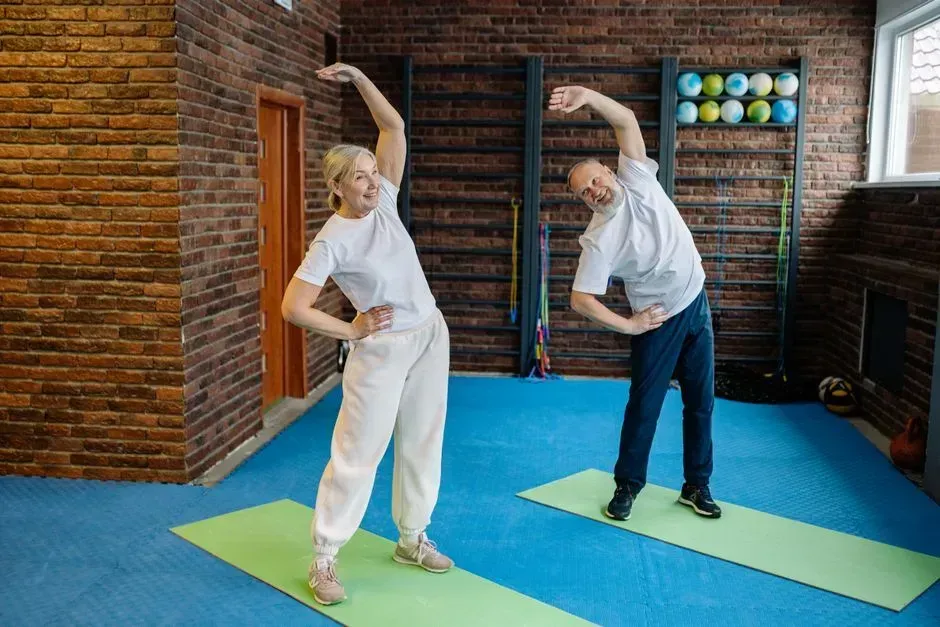
Waiting to feel motivated to exercise has largely been replaced with simply putting movement on the calendar like any other appointment. This might mean a standing Tuesday and Thursday walk with a friend, or a recurring gym class booked weeks in advance. The habit works because it removes the daily decision making that often derails exercise routines in the first place.
Consistency, rather than intensity, tends to be the goal here. Many women over 50 report that showing up regularly, even for shorter or gentler sessions, produces better long term results than sporadic intense workouts.
9. Being More Selective About Where Energy Goes

There’s a common theme among women in this age group of becoming much more deliberate about time and energy allocation. Tasks, relationships, or obligations that once felt automatic now get evaluated for whether they’re actually worth the effort. This isn’t cynicism so much as a practical recalibration based on decades of experience.
The result is often a calendar that looks lighter but feels more meaningful. Fewer commitments made out of obligation tend to leave more room for the ones that genuinely matter.
10. Taking Hormone Therapy Conversations Seriously
After years of confusion following the 2002 Women’s Health Initiative study, hormone therapy has seen a significant reassessment in recent medical guidance. Organizations like The Menopause Society now describe hormone therapy as a safe and effective option for many women within ten years of menopause onset or under age 60, when individualized to the patient. More women over 50 are bringing this topic up proactively with their doctors rather than assuming it’s off the table.
This shift reflects a broader trend of women researching options rather than accepting outdated information passed down secondhand. Conversations that once felt taboo or confusing are increasingly treated as a normal part of routine healthcare planning.
11. Spending More Time Outdoors Regardless of Weather

Daily outdoor time, even in short bursts, has become a consistent habit for many women in this age group. This often ties back to vitamin D needs, which become more important for bone health as estrogen levels decline, along with the documented mood benefits of natural light exposure. Rain or shine, a walk around the block or time in the garden has become less optional and more routine.
The mental health angle seems to matter just as much as the physical one. Multiple studies on seasonal mood and light exposure suggest that even brief daily outdoor time can meaningfully reduce symptoms of anxiety and low mood.
12. Letting Go of the Need for External Validation

Perhaps the most talked about shift among women over 50 is a general loosening of the grip that other people’s opinions once held. Decisions about appearance, career changes, relationships, or lifestyle choices increasingly get made based on personal values rather than anticipated judgment from others. This doesn’t happen overnight, but it tends to compound with age and experience.
Psychologists studying midlife development often describe this as a natural byproduct of accumulated self knowledge. Women who’ve embraced this shift frequently describe a sense of relief that’s difficult to put into words but easy to notice in how they carry themselves.
Taken together, these habits don’t represent a dramatic reinvention so much as a series of small, deliberate adjustments accumulated over time. Each one on its own might seem minor, but the combined effect on health, relationships, and day to day satisfaction tends to be substantial for the women who’ve adopted them.



Leave a Reply