
1. She Stops Sharing the Small Stuff
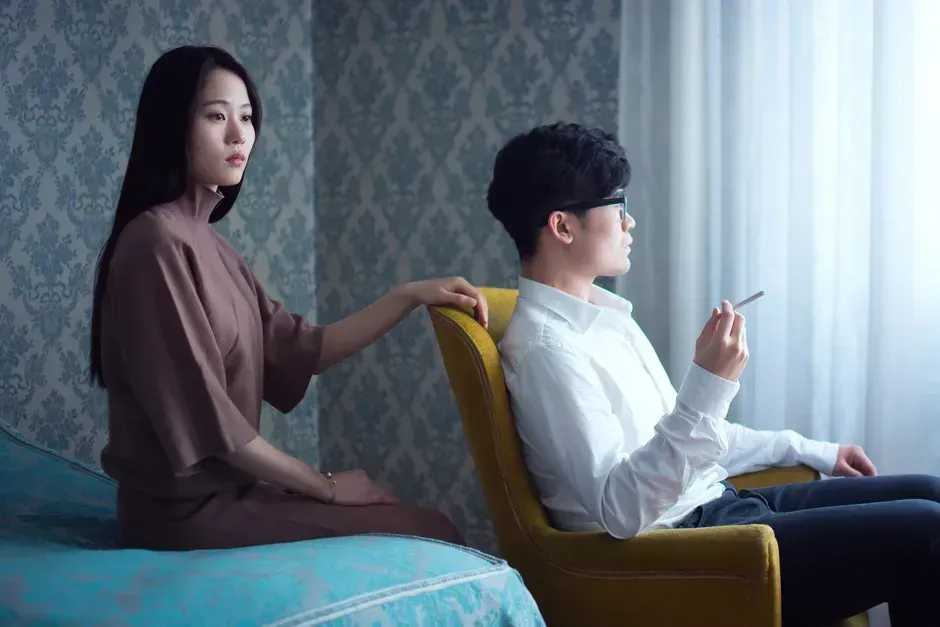
One of the earliest signs is a quiet withdrawal from casual conversation. She used to text about her day, a weird thing that happened at work, or a random thought she had in the car. Now those little updates just stop coming, not because nothing happened, but because she no longer feels the pull to include him in it.
This isn’t about big secrets or dramatic silence. It’s the absence of the small, unremarkable sharing that actually builds intimacy over time. When someone stops narrating their life to you, it often means they’ve started living it separately in their head first.
2. Future Plans No Longer Include Him

Couples who are emotionally invested tend to talk in “we” language when it comes to the future, vacations, holidays, where to live next year. A woman who has outgrown the relationship starts slipping into “I” language instead, almost without noticing it herself.
She might make plans for a trip and realize afterward she never thought to ask if he wanted to come. It’s not always intentional exclusion. It’s more that her mental picture of the future has quietly stopped featuring him as a fixed point.
3. Arguments Feel Pointless Instead of Painful

Early in a relationship, conflict can feel intense because both people care about the outcome. When someone has emotionally checked out, arguments often lose that charge entirely. She stops raising concerns because she no longer expects anything to change.
This shift from frustration to indifference is one of the more telling signs relationship researchers point to. Emotional disengagement, sometimes called stonewalling or withdrawal in relationship psychology, tends to replace active conflict once a partner has mentally started separating.
4. She Becomes More Independent, Almost Suddenly

A woman who has outgrown a relationship often starts rebuilding a life that doesn’t depend on her partner, sometimes without fully realizing why. She picks up new hobbies, reconnects with friends she’d drifted from, or throws herself into work or personal goals.
On the surface it looks like healthy growth, and often it is. But when that independence grows specifically in the direction of not needing him for happiness or decision making, it can quietly signal that she’s preparing for a life that doesn’t include the relationship in its current form.
5. Physical Affection Starts to Feel Like an Obligation

Touch is one of the first things to change when emotional connection fades. Holding hands, hugging, or even sitting close on the couch can start to feel routine rather than genuine, something done out of habit rather than desire.
She might still go through the motions, but there’s a noticeable flatness to it. This gradual physical distancing often happens well before either partner is willing to name what’s actually going on emotionally.
6. She Stops Trying to Fix Things

Somewhat counterintuitively, one of the strongest signs someone has outgrown a relationship is the absence of effort to repair it. Where she once suggested date nights, brought up concerns, or pushed for couples counseling, she now just lets things sit.
This isn’t peace. It’s resignation. Relationship therapists often describe this stage as the quiet phase before a breakup, where one partner has already grieved the relationship internally and simply stopped fighting for something they’ve decided is over.
7. Her Friends and Family Notice Before He Does

People close to her often pick up on subtle shifts long before her partner does, partly because they’re not inside the relationship dynamic and partly because she may be more honest with them about her doubts. Comments like “she seems different lately” or “she doesn’t talk about him much anymore” tend to surface in these circles first.
This outside perspective can be uncomfortable to hear, but it’s usually not random gossip. Friends and family often serve as an early warning system precisely because they see patterns from a distance that someone inside the relationship might miss or avoid acknowledging.
8. She Starts Making Decisions Without Consulting Him

Big or small, decisions that once would have involved a conversation now happen solo. She books the trip, buys the furniture, or changes her schedule without running it by him first, not out of spite, but because she’s stopped instinctively factoring him into her choices.
This shift reflects a deeper psychological change. When someone stops seeking a partner’s input, it often means they’ve already started operating as an independent unit rather than as half of a couple, even if the relationship hasn’t officially ended.
9. Emotional Conversations Feel Exhausting Rather Than Meaningful
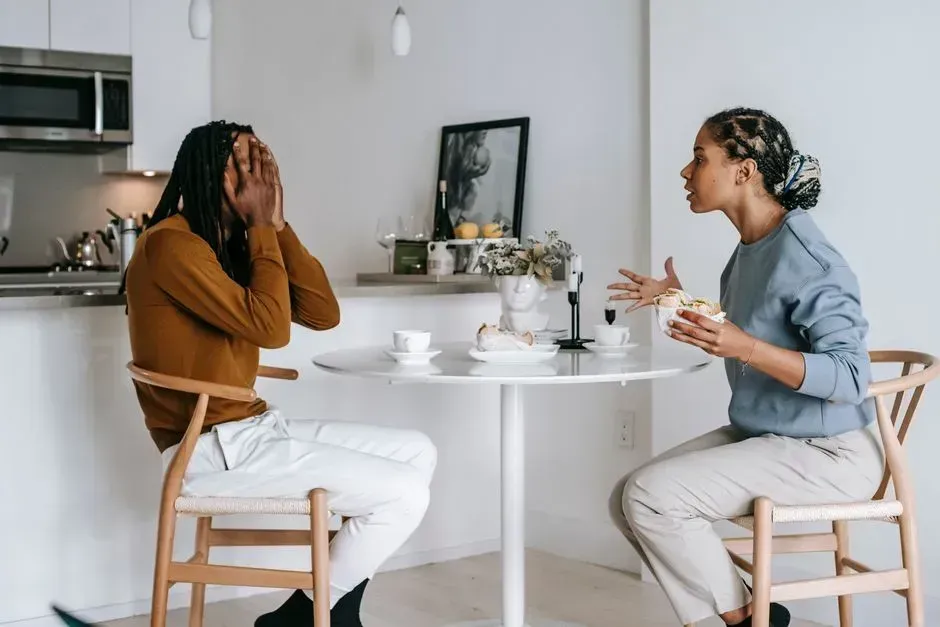
Deep talks about feelings, the relationship, or the future used to feel important. Now they feel draining, something to get through rather than something to lean into. She may deflect these conversations or keep them short, not because she doesn’t care, but because she’s already processed most of what she needs to internally.
This emotional fatigue is well documented in relationship research as a sign of what’s sometimes called “detachment,” a defense mechanism that kicks in once a person has mentally prepared for an ending, even if they haven’t verbalized it yet.
10. She Reconnects with Her Pre-Relationship Identity

Many women who outgrow a relationship start gravitating back toward interests, friendships, or versions of themselves that existed before the partnership began. She might rediscover an old hobby, reach out to a friend she lost touch with, or simply start dressing or acting more like her younger, more independent self.
This isn’t nostalgia for its own sake. It often reflects an unconscious search for identity outside the relationship, a sign that she’s mentally preparing for a life where she stands on her own again.
11. She Stops Getting Jealous or Possessive
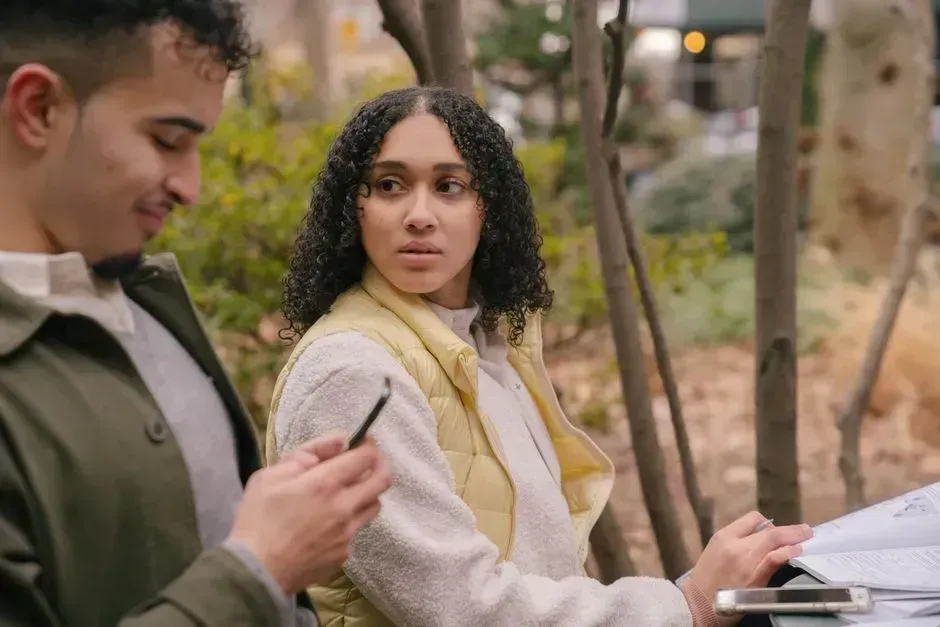
Jealousy, while not a healthy foundation on its own, is often a sign of emotional investment. When a woman has genuinely outgrown a relationship, that instinct tends to fade. She may notice attention from other people toward her partner and simply feel nothing where she once might have felt a flicker of concern.
This indifference isn’t maturity or trust necessarily. More often, it’s detachment, a signal that her emotional stake in the relationship has already diminished significantly.
12. She Talks About the Relationship in Past Tense, Even While Still In It
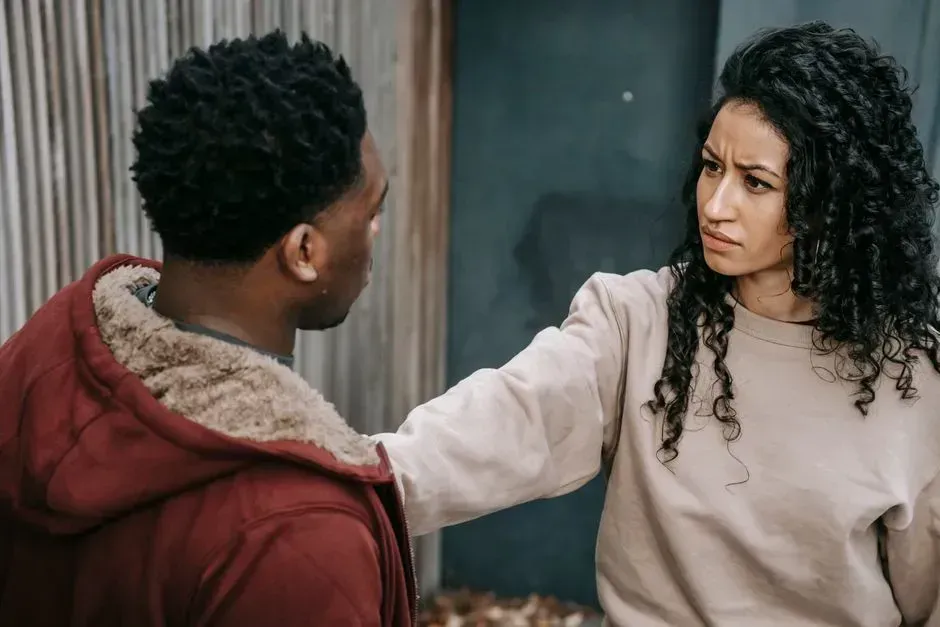
This is one of the more subtle but telling signs. She might catch herself saying things like “we used to” or “that was nice back then” while describing moments that technically still apply to the current relationship. Language often reveals internal shifts before conscious awareness catches up.
Linguists and relationship counselors alike note that tense shifts in how people describe their partnerships can be an early indicator of emotional distancing. When the present tense starts sounding like memory, it usually means part of her has already started saying goodbye, long before the actual conversation happens.
Recognizing these signs early doesn’t guarantee a relationship can be saved, but it does offer a chance for honest conversation before silence turns into distance and distance turns into an ending neither partner chose to name out loud.


Leave a Reply