
Retirement changes what a typical day looks like, and the closet tends to notice first. When there’s no commute, no office dress code and fewer formal obligations, a lot of what hangs there starts to feel like it belongs to someone else’s schedule.
Many retirees say the shift happens slowly, one skipped outfit at a time. Here are eleven things that commonly leave the closet once work life ends.
Stiff Business Suits
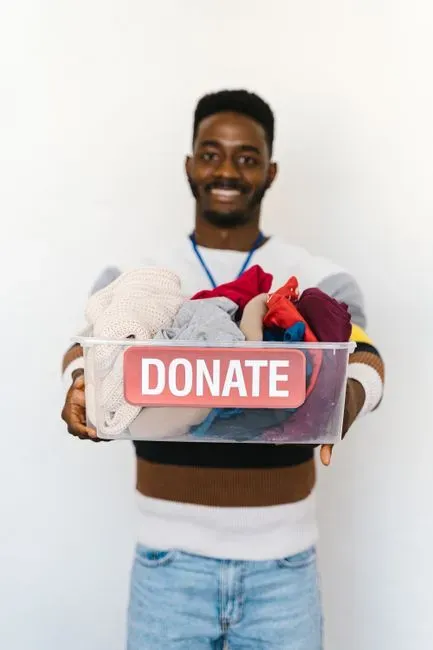
Suits are often the first thing to go. They were built for boardrooms and meetings, and for many people those days are simply over. A suit that hasn’t been worn in a year or two is usually a good candidate for donation.
Some people keep one dark suit for funerals or formal events, and that’s reasonable. Beyond that single piece, a rack of matching jackets and trousers takes up space without earning it. Local charities and job-readiness programs often welcome clean professional clothing.
Uncomfortable Dress Shoes
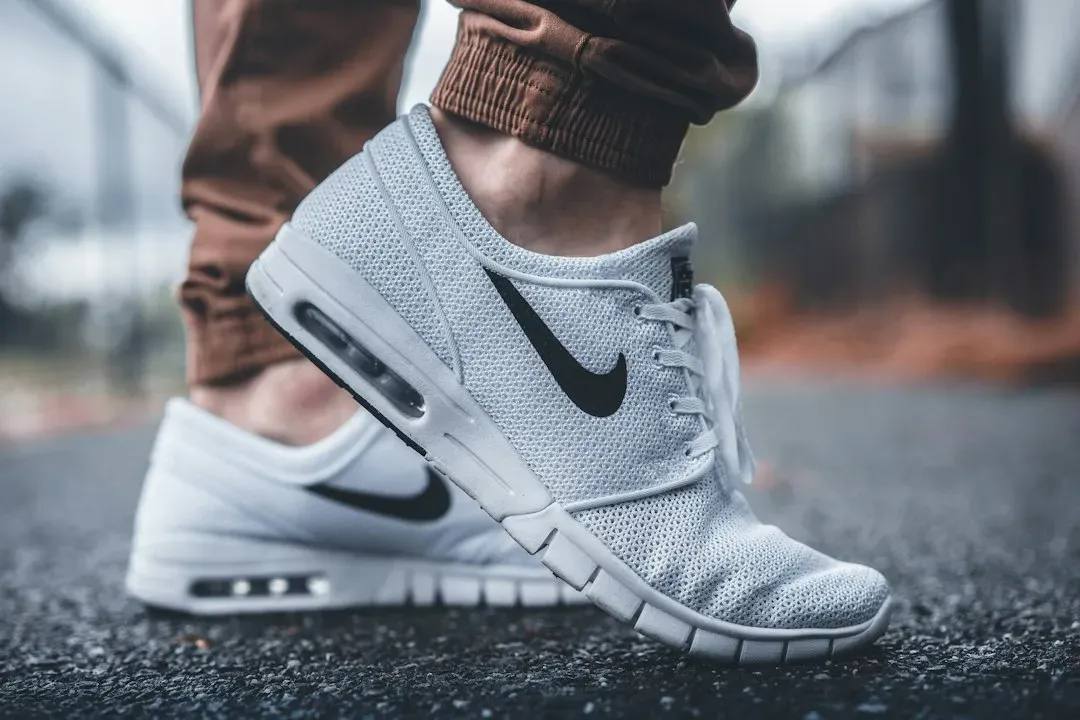
Pointed toes, narrow heels and stiff leather soles make less sense once you’re not standing through a workday in them. Comfort tends to take priority as feet get older, and podiatry groups such as the American Podiatric Medical Association have long encouraged supportive, well-fitting footwear.
Many retirees keep one polished pair for special occasions and let the rest go. The replacements are usually walking shoes, cushioned loafers or sturdy sandals. It’s a practical swap rather than a fashion surrender.
Neckties and Formal Accessories
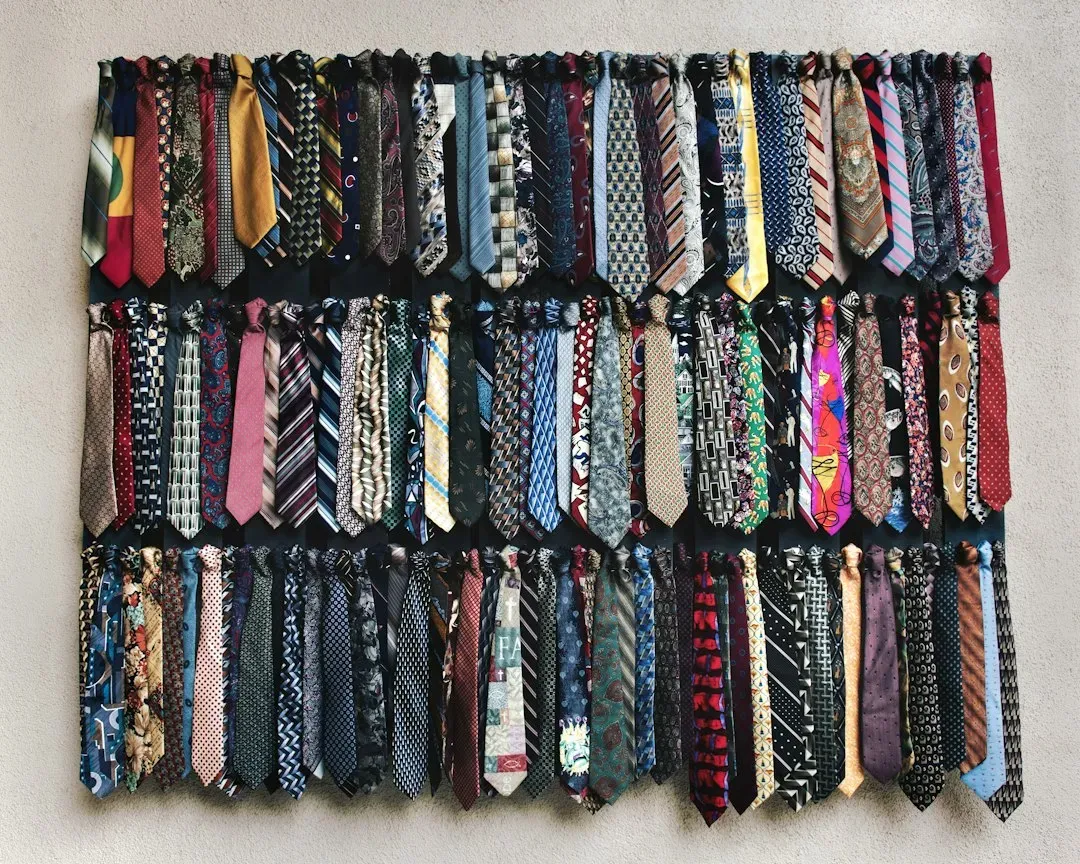
Ties are small, but a drawer or rack full of them adds up. Office dress codes have relaxed over the past decade, and retirement removes the expectation altogether. Most people find they wear a tie only a handful of times a year, if that.
Keeping a few favorites or ones with sentimental value makes sense. The rest, along with old tie clips, cufflinks and lanyards, can be passed along or sold. Some families repurpose ties into quilts or keepsakes.
Pantyhose and Restrictive Hosiery
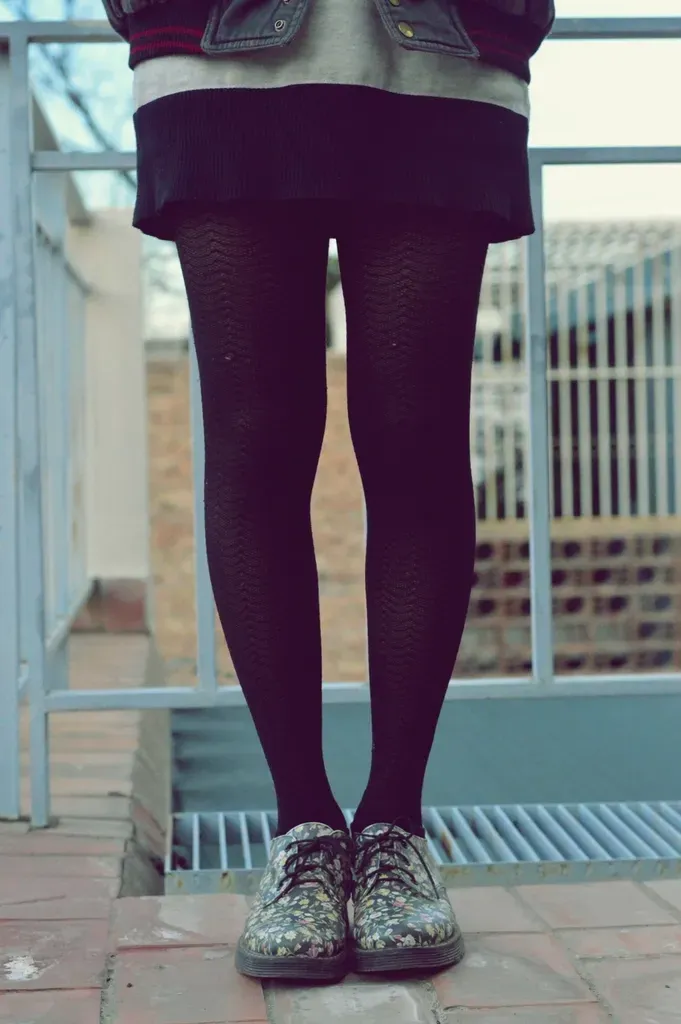
Many women say pantyhose is one of the first things they happily stop buying. Without workplace expectations, there’s little reason to keep drawers of them, especially since they wear out quickly and snag easily.
Comfortable socks, leggings and softer tights usually take over. If any hosiery stays, it’s typically a small stash for weddings or formal events. Everything else tends to end up in the trash, since worn hosiery isn’t usually accepted for donation.
Shoulder-Padded Blazers and Outdated Work Separates
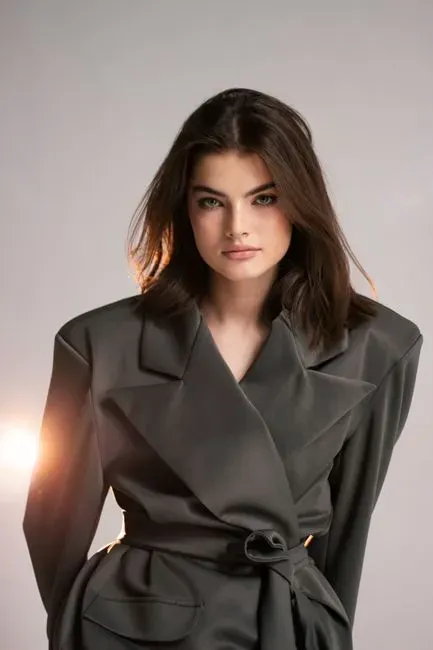
Old work clothes from earlier decades often linger far longer than they should. Big shoulder pads, boxy cuts and dated fabrics can look out of step, and they rarely mix well with a relaxed wardrobe.
Retirees often realize they held onto these pieces out of habit rather than affection. Trying each item on is a simple test. If it doesn’t fit well or you wouldn’t choose it today, it can go.
Clothes That Don’t Fit Anymore

Aspirational sizes are common in closets of all ages, but retirement gives people time to be honest about them. Bodies change, and clothes that have been too small or too large for years mostly cause frustration.
Clearing them makes getting dressed easier. Many retirees find they reach for the same handful of comfortable, well-fitting outfits anyway. Keeping only what fits today makes the closet feel calmer and more useful.
Excess Work Uniforms and Branded Apparel
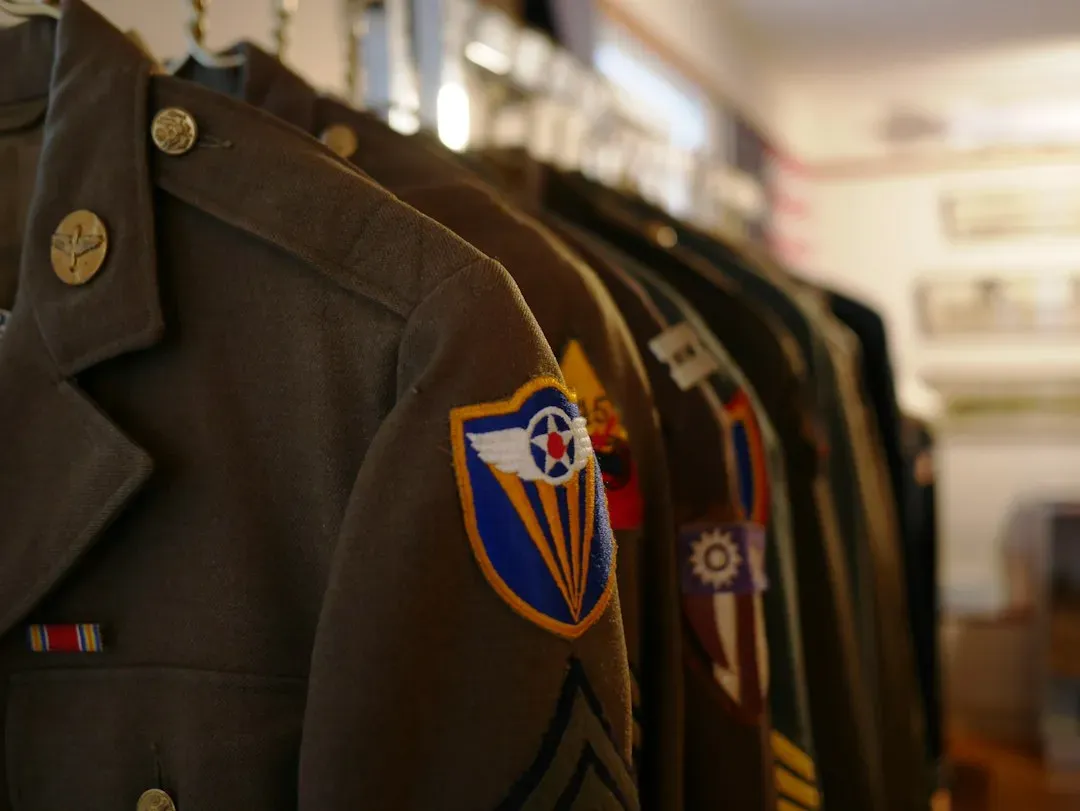
Company polos, fleece vests, name-tagged shirts and conference tees pile up over a career. After retirement, they lose their purpose, and some people feel little attachment to them.
If a uniform belongs to an employer, it may need to be returned. Otherwise, worn items can be turned into rags, and decent ones can be donated. A few sentimental pieces, like a team shirt from a memorable project, are worth saving.
Heavy Commuter Outerwear

Stiff trench coats, bulky overcoats and formal wool outerwear were built for walking to trains and sitting in cold offices. With more control over when and where they go out, many retirees prefer lighter layers, fleece or a good casual jacket.
Others relocate to warmer places and no longer need multiple heavy coats at all. Coats are also among the most requested donations when the weather turns cold. Passing one along often helps someone right away.
Formal Evening Wear for Endless Events
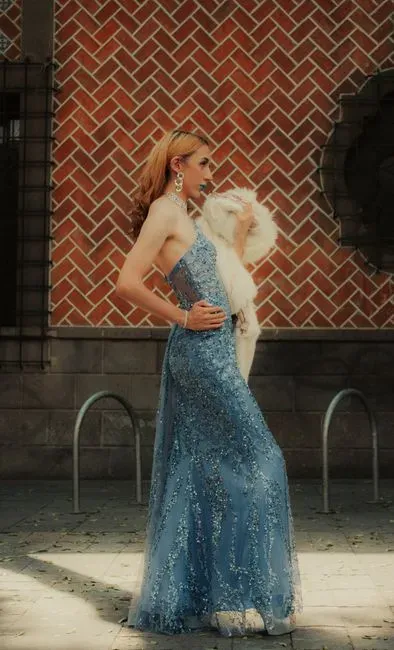
Career life often comes with galas, awards dinners and holiday parties. Once those invitations slow down, a row of cocktail dresses and tuxedo pieces can sit untouched for years.
Most people hold onto one or two outfits for weddings and milestone celebrations. The rest can be sold through consignment shops or resale platforms, which have grown steadily in popularity in recent years. Resale is a tidy way to fund a new hobby or trip.
Worn-Out Gym and Casual Clothes
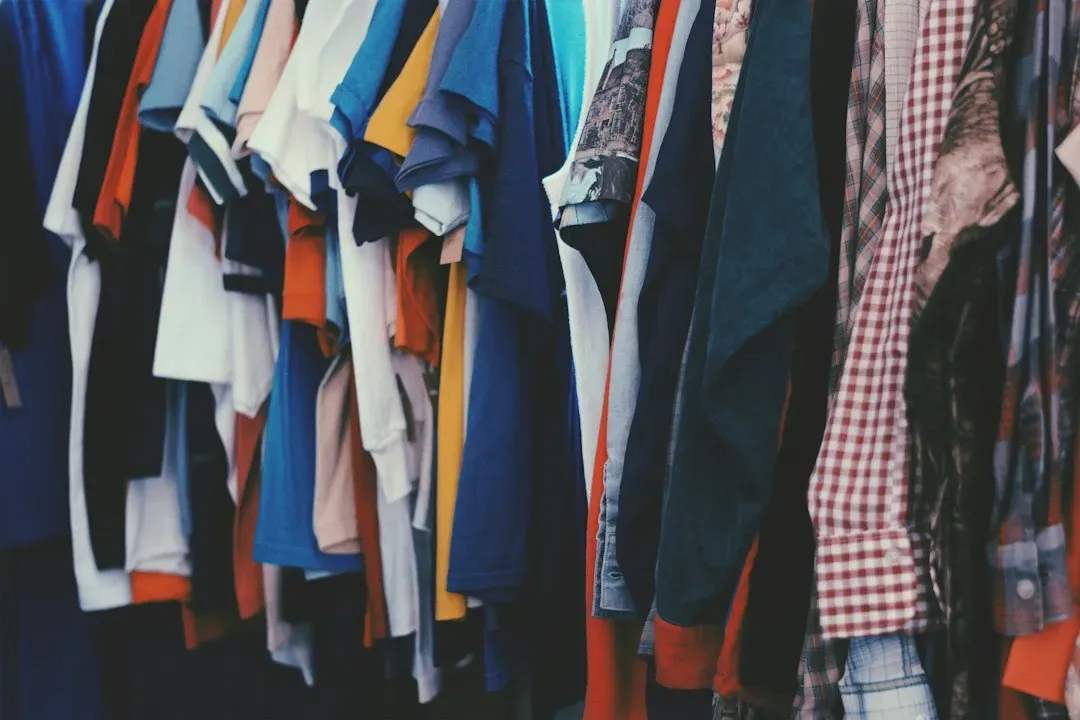
It sounds odd, but retirement often means upgrading casual clothes. Faded sweatshirts and stretched-out T-shirts that once served as weekend wear now have to work every day, so quality and comfort matter more.
Retirees frequently clear out the holes, stains and thinning fabric to make room for better basics. Since they’re wearing these items constantly, it’s worth having pieces that feel good. Old textiles can go to recycling programs rather than landfills.
Sentimental Clothing With No Real Use
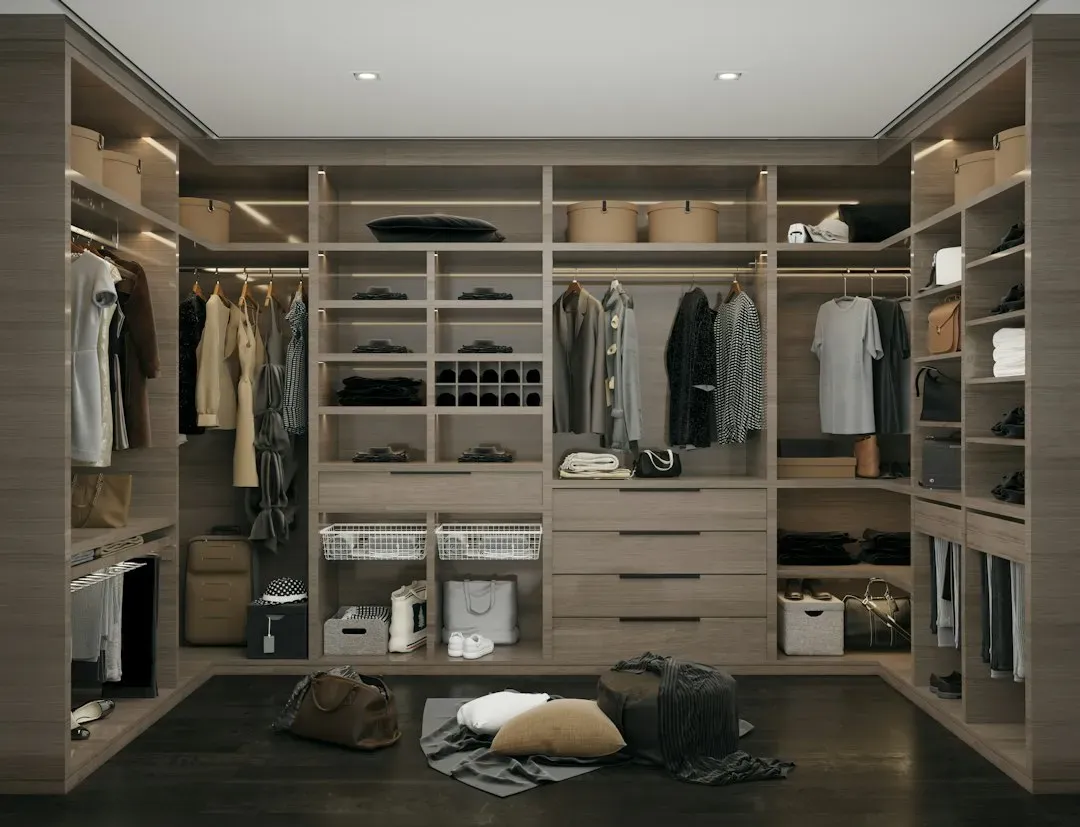
Wedding outfits, old prom clothes, kids’ school jackets and other keepsakes can occupy closet space for decades. Retirement is a common moment to reassess them, particularly during downsizing.
Organizing experts often suggest photographing meaningful items, then keeping only a small memory box. That way the memory stays, and the closet doesn’t turn into storage. Some families pass select pieces to children or grandchildren who actually want them.




Leave a Reply