
In many American households in the 1960s, the family dog or cat came with an unspoken job description for the kids. Parents often saw pets as a way to teach responsibility, and children were handed tasks long before anyone talked about enrichment or pet wellness plans. The routines were simple, a little rough around the edges, and usually done before or after school.
Records of exact chores from that decade are mostly anecdotal, drawn from memoirs, family recollections, and the general habits of mid century homes. What follows describes the tasks that were widely typical of the era, not a formal survey. Some would raise eyebrows with a veterinarian today.
Filling the Food Bowl Twice a Day
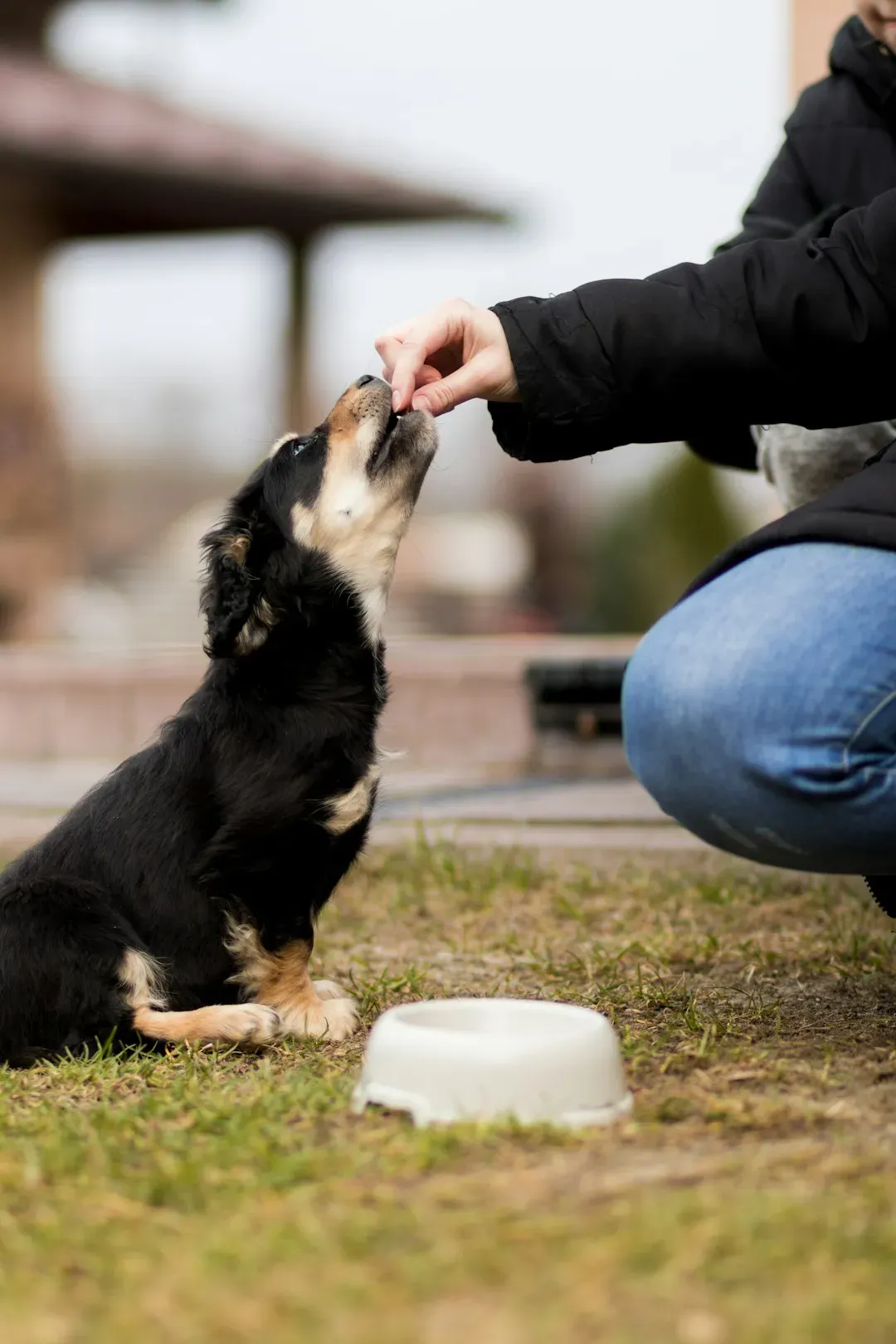
Feeding was the classic starter chore. A child scooped kibble or opened a can, often from a metal tin with a hand crank can opener, and set the bowl down on the kitchen floor or back porch. Dry commercial dog food was well established by then, though many families still gave pets table scraps too.
Missing a meal was the fastest way to lose pet privileges. Parents tended to treat feeding as a daily test of reliability, and a hungry dog nudging at the back door made the lesson hard to ignore.
Refreshing the Water Dish
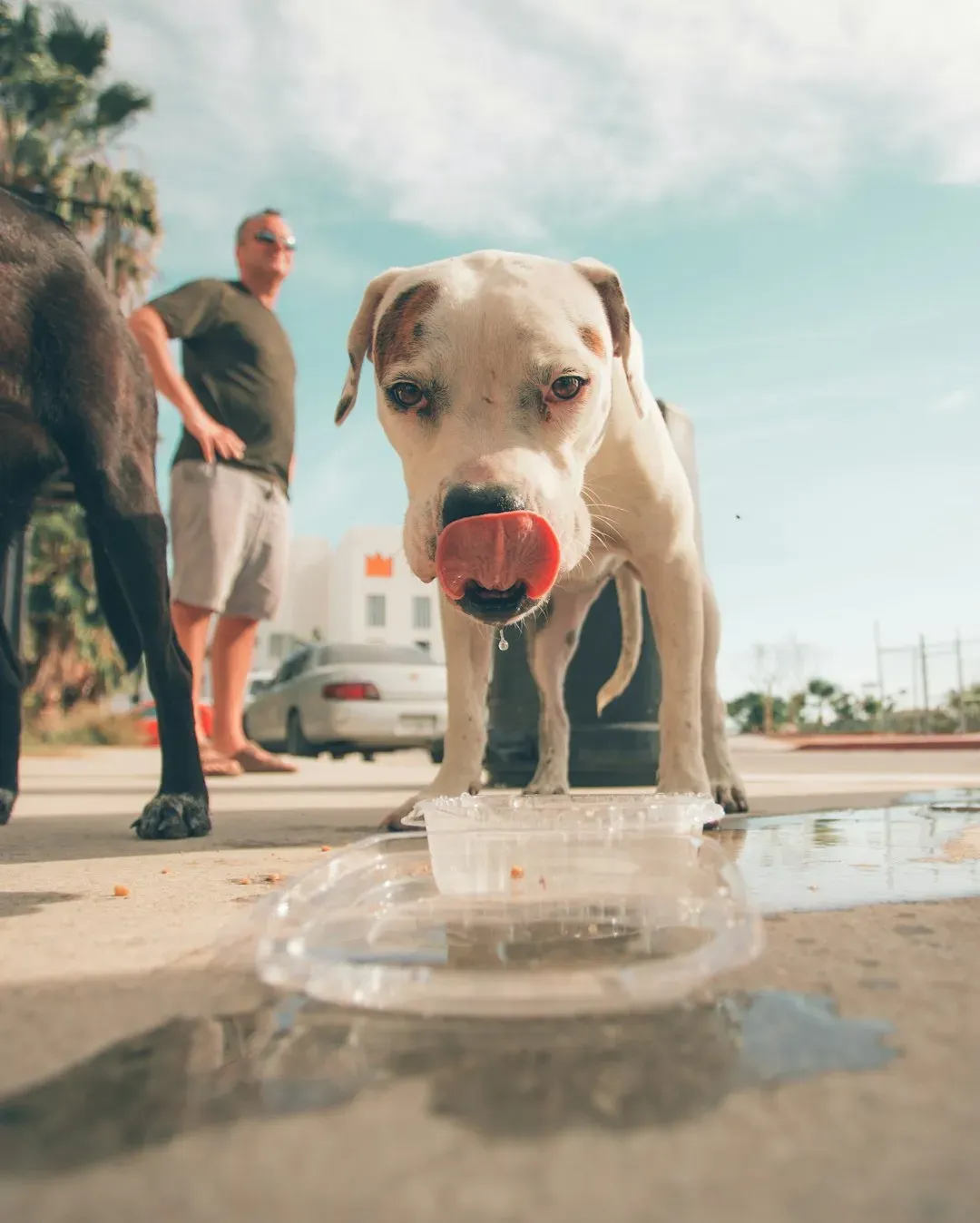
Right alongside feeding came water duty. Kids dumped the old water, rinsed the dish under the kitchen tap or garden hose, and refilled it. In summer, this one mattered more, since pets often lived partly outdoors.
It was a small task, but it was easy to forget. Dishes were usually plain metal or heavy ceramic bowls, and a grimy ring around the edge was a common sign that someone had been slacking.
Walking the Dog Around the Neighborhood
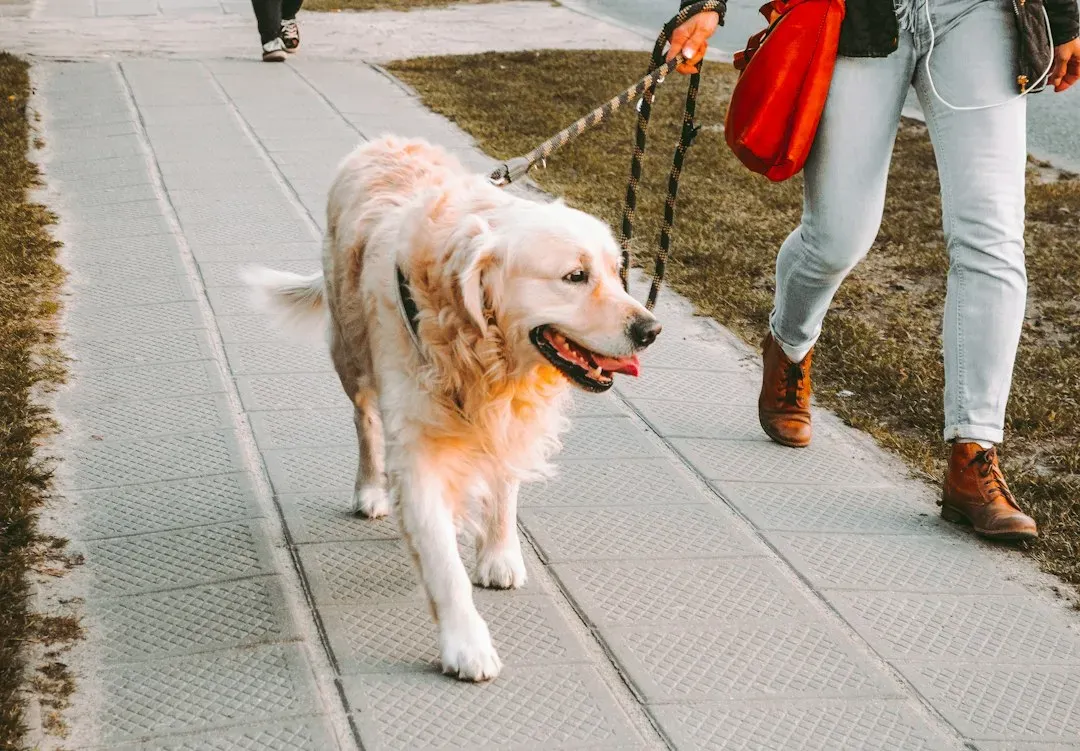
Dog walking in the 1960s looked different from today. Leash laws existed in many towns, but plenty of dogs still roamed fairly freely, so a walk was often just a stroll with a leash clipped on for the busy streets. Kids might take the dog around the block after dinner.
Parents expected children to stay close to home and be back by dark. The walk doubled as exercise for the child and gave the dog a chance to burn off energy before bedtime.
Cleaning Up the Yard
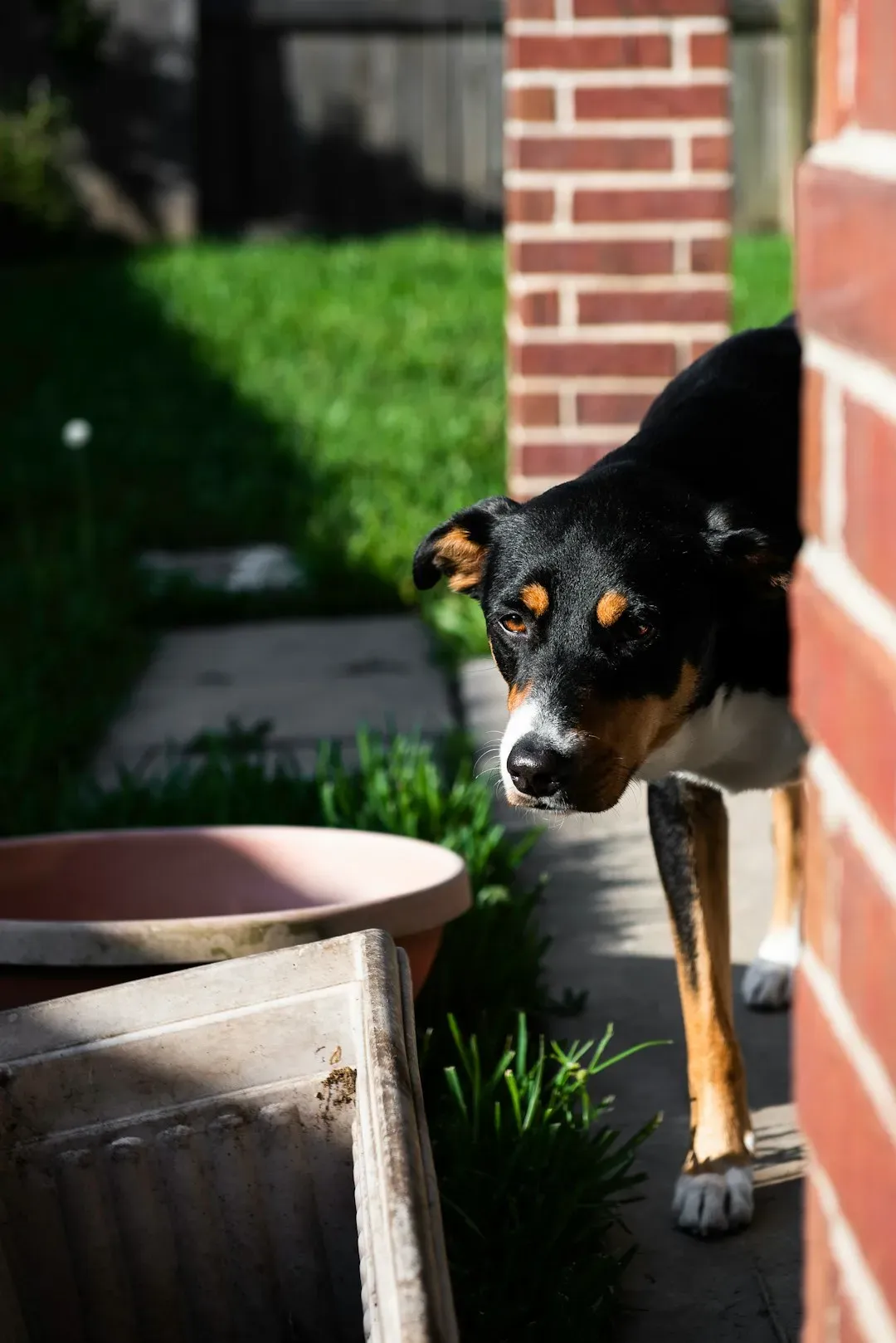
Picking up after the dog was a yard chore, not a sidewalk rule. Pooper scooper laws did not arrive until the 1970s, when New York City passed one of the first well known ordinances in 1978. In the sixties, the job usually meant scooping messes from the backyard with a shovel so the family could actually use the lawn.
It was an unglamorous assignment, and most kids remember dodging it. Still, a parent with a shovel pointed at the grass tended to settle the matter.
Changing the Newspaper or Litter Box
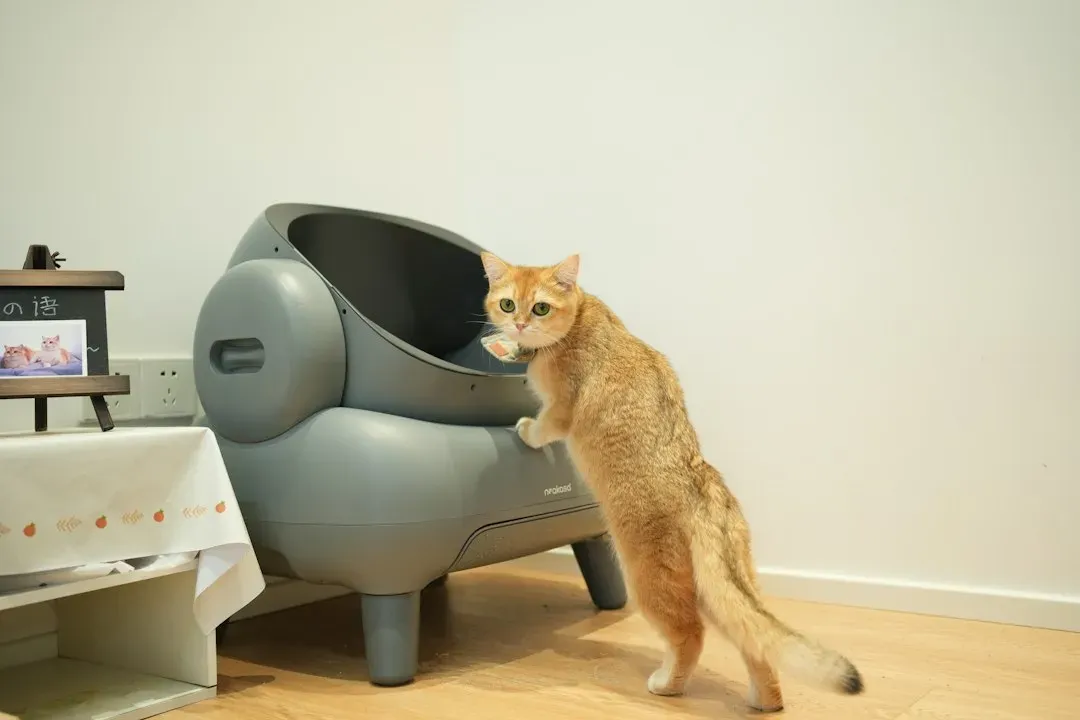
Cat litter as a product was only invented in 1947, when Edward Lowe began selling clay granules, and it spread gradually over the following years. Many households in the sixties still used newspaper, sand, or ashes in a box, and cats often spent plenty of time outdoors anyway. Kids who had an indoor cat were usually in charge of emptying the box.
The task was typically done into a paper bag or the outdoor trash can. It was smelly work, and it taught children quickly that pets were not only fun.
Brushing Fur and Basic Grooming
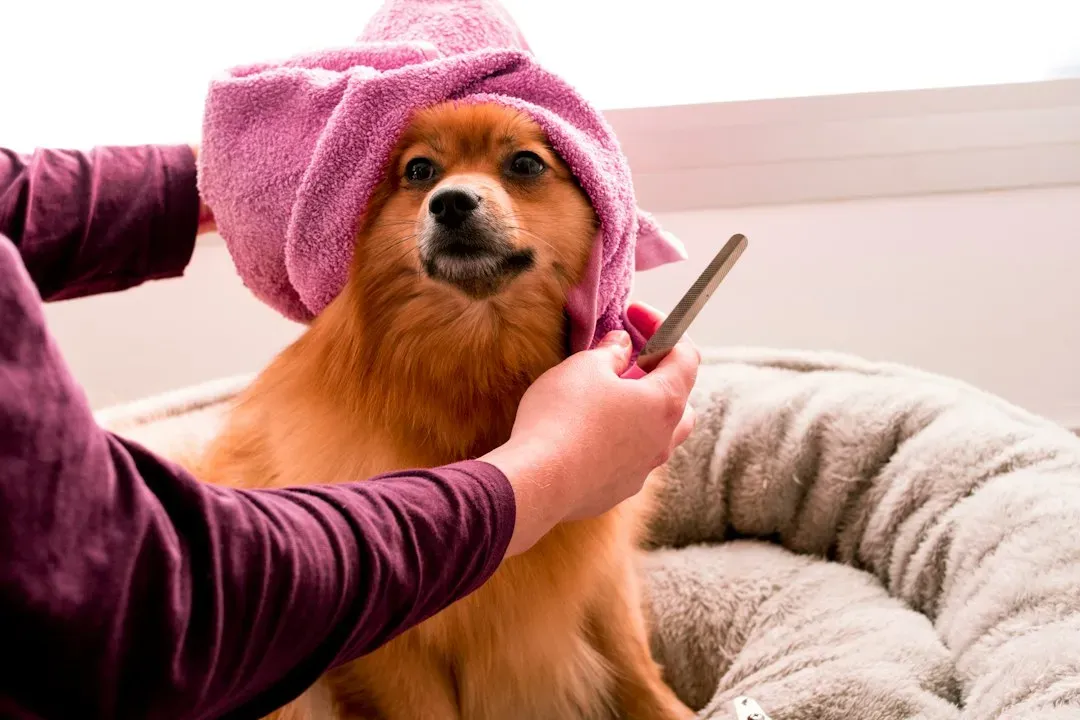
Brushing a long haired dog or cat was a weekend job in many homes. Children used a simple wire brush or comb, working out burrs and tangles picked up outdoors. Professional groomers existed, but most families handled the basics themselves.
Baths were occasional and often turned into a backyard event with a tub or garden hose. Kids did the scrubbing, and the dog usually did the shaking.
Giving the Dog a Bath
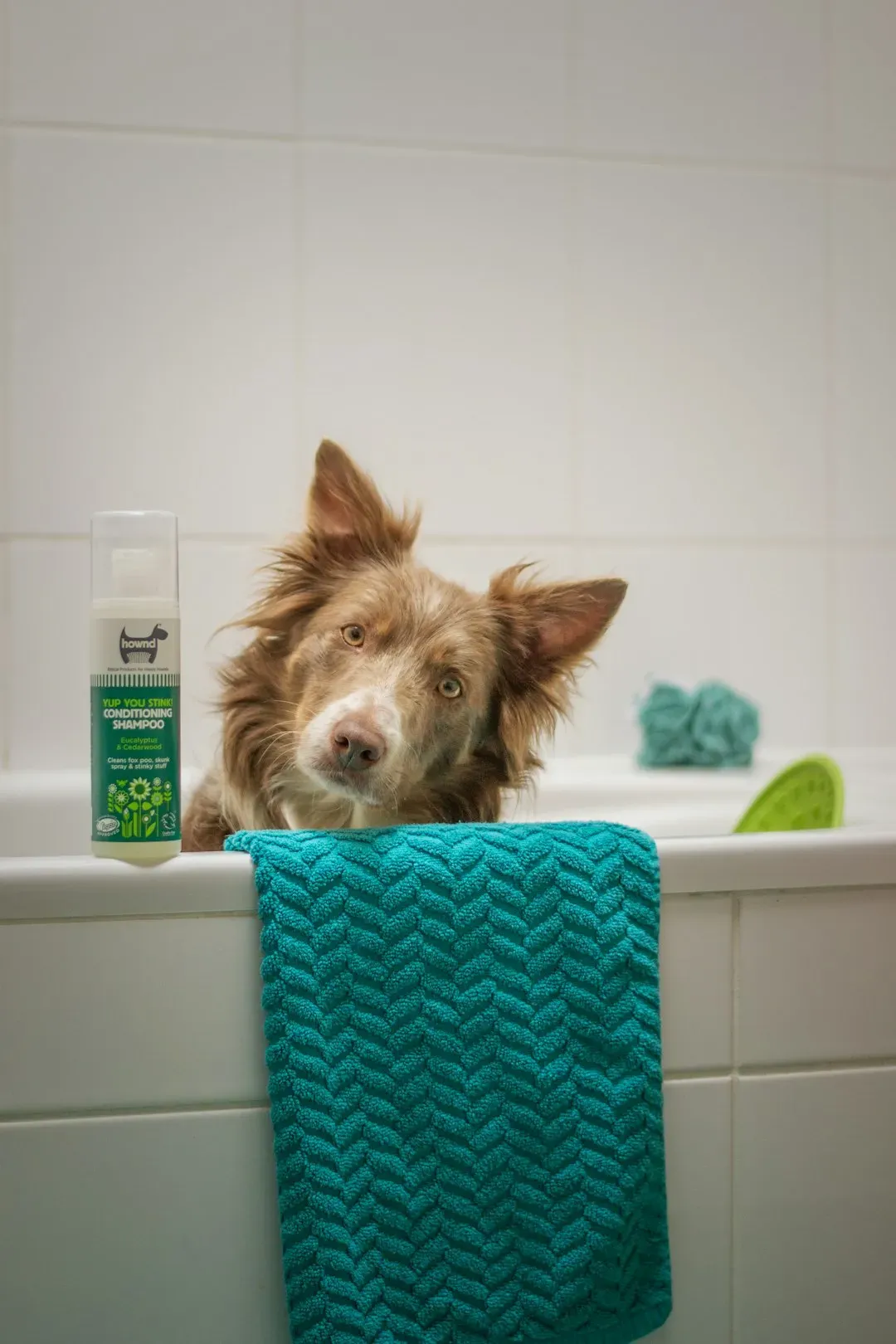
Bath day was less about routine and more about necessity, typically after the dog rolled in something foul. A child filled a galvanized tub or the bathroom sink, lathered the pet with whatever mild soap was handy, and rinsed with a pitcher. Specialty pet shampoos were available, though not every family bought them.
Parents supervised, but kids carried most of the labor. The reward was usually a wet, happy dog and a floor that needed mopping afterward.
Cleaning Cages, Tanks, and Hutches
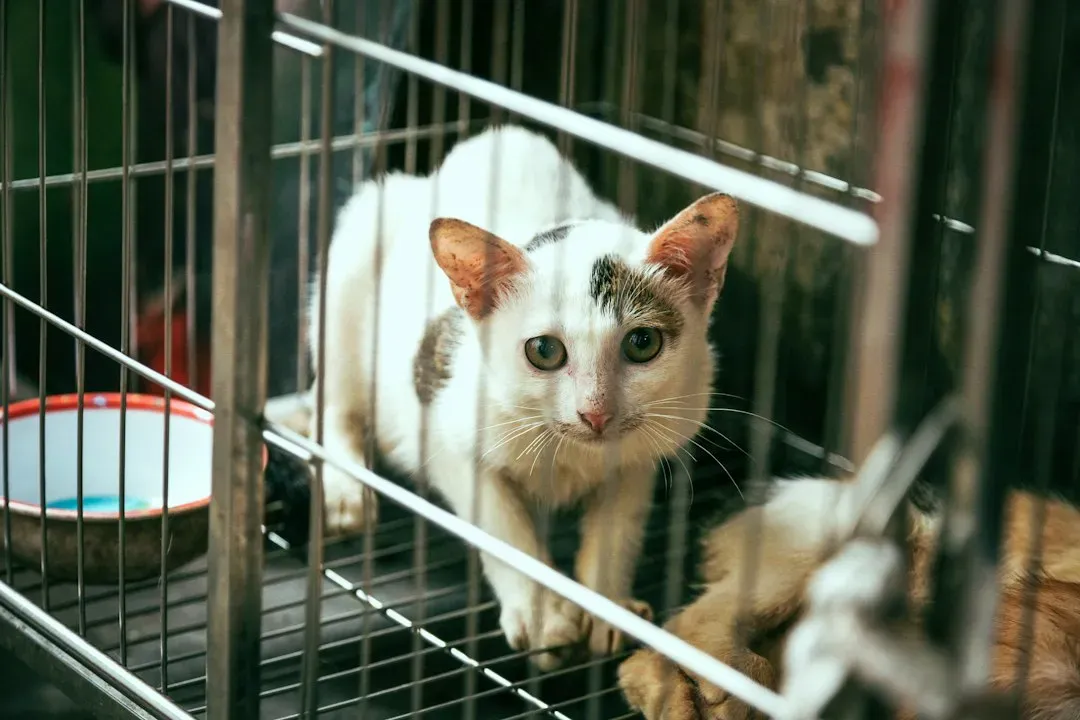
Not every pet was a dog or cat. Goldfish, hamsters, parakeets, and rabbits were common children’s pets, and each came with its own cleaning duty. Kids replaced cage liners, scrubbed fish bowls, and refreshed bedding or birdseed.
Fish bowls without filters needed frequent water changes, and many children learned this the hard way. Keeping a small animal alive often depended entirely on whether the child stayed on top of the cleaning schedule.
Making Sure the Pet Was Safe at Night
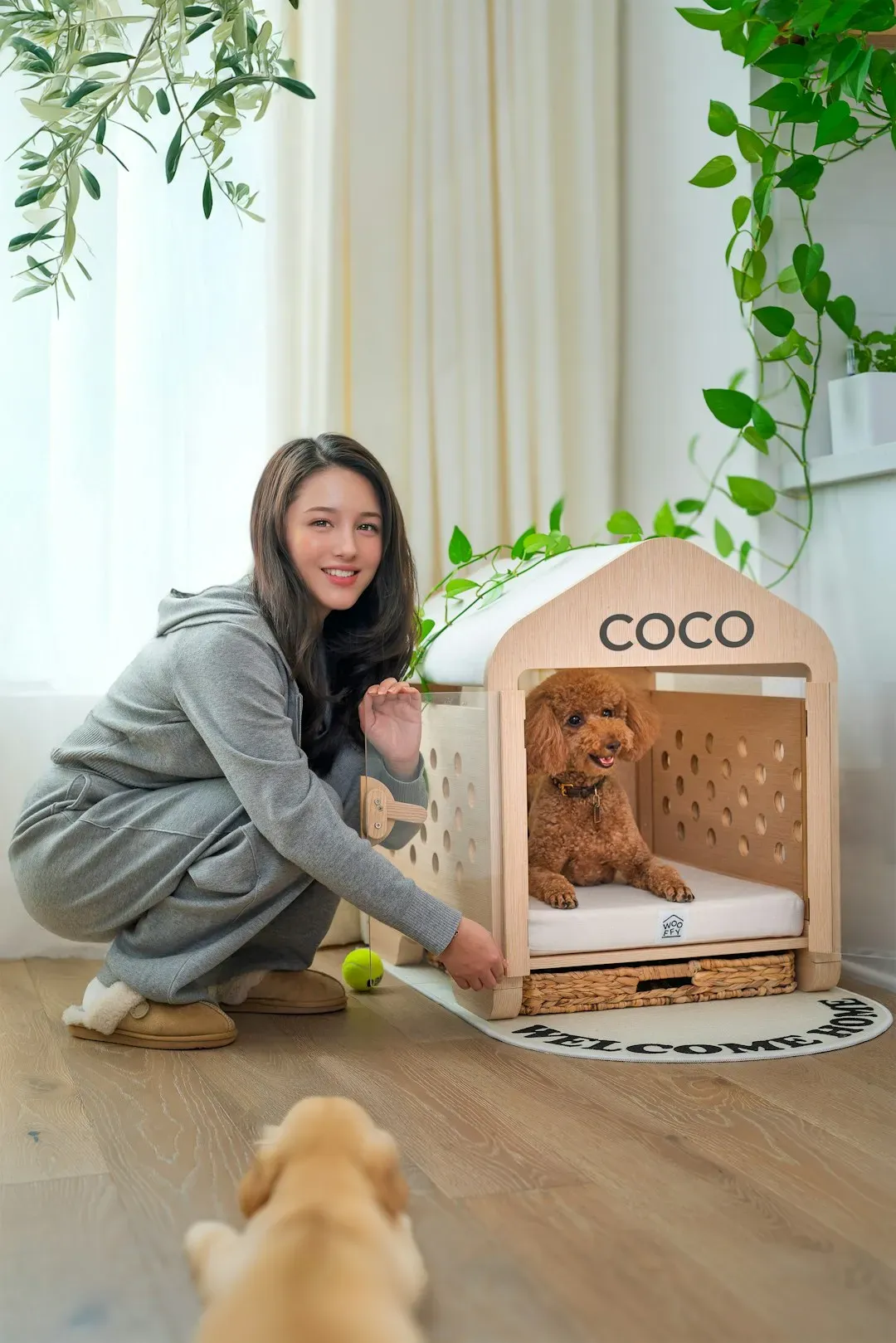
The last chore of the day was bringing the pet in or checking its shelter. Kids called the dog inside, latched the doghouse, or covered the birdcage with a cloth for the night. Outdoor dogs were common then, so checking on them was part of closing up the house.
It was a simple end of day routine, usually handled right before bed. Parents counted on it, and a forgotten pet left outside in bad weather tended to produce a stern conversation the next morning.




Leave a Reply