
Puppy photos tend to show the soft ears and the sleepy, belly-up naps. They rarely show the 3 a.m. trip outside in the rain. New owners often arrive at the first week with a picture in their heads that real life doesn’t quite match.
None of this means something is wrong with you or the dog. Veterinary and behavior groups have long described these stages as normal parts of early development. Here are eight that first-time owners most often describe as hard to enjoy.
Night Waking and Broken Sleep

Young puppies have small bladders and can’t be expected to hold it all night. Many trainers suggest that very young pups may need a bathroom break once or twice overnight, and that this usually fades as they mature. The schedule can feel endless when you’re living it.
The American Kennel Club advises that puppies be crated near the owner at first so you can hear them stir. That helps you respond quickly, but it also means your own rest is interrupted. Most households find the nights improve gradually over several weeks rather than all at once.
Potty Training Setbacks

House training is rarely a straight line. A puppy can go several days without an accident and then have three in one afternoon. Behavior experts commonly point out that physical control and routine develop over months, so mistakes are expected.
Punishing accidents tends to backfire, since a pup may learn to hide instead of to wait for the yard. The ASPCA recommends frequent trips outside, especially after eating, drinking, waking and play. Rewarding success immediately is the part that is easy to forget when you’re frustrated.
Constant Biting and Mouthing
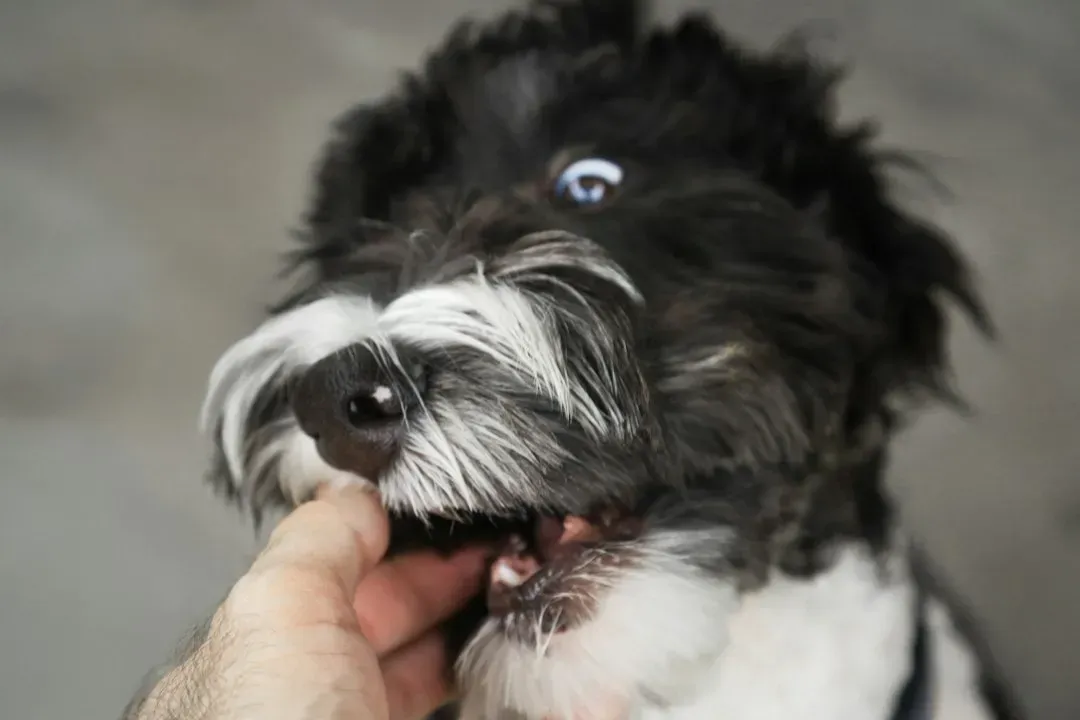
Puppies explore with their mouths, and their baby teeth are sharp. Hands, sleeves and ankles become targets, often during excited play. Many owners say that this phase wears on them more than they expected.
Teething adds to it. Puppies generally begin losing baby teeth at around three to four months, and adult teeth are typically in place by about six or seven months. Redirecting to chew toys and pausing play when teeth touch skin are the usual advice from the AKC and the Humane Society.
Destructive Chewing

Shoes, table legs and charging cables all look like toys to a bored or teething puppy. It can feel personal, but it’s mostly developmental. Chewing helps relieve gum discomfort and burns off energy.
The practical fix is less about discipline and more about management. Keeping valuables out of reach, offering appropriate chews and supervising closely all help. Some cables and household items can also be dangerous if swallowed, which adds stress for new owners.
Separation Anxiety and Alone Time Training

A puppy has just left its littermates, so being alone can be distressing. Crying in the crate or whining when you leave the room is common in the early weeks. Hearing it can be hard, particularly for people who work from home or worry they’re being unkind.
Trainers generally recommend building up alone time in small steps. Short, calm absences and a comfortable resting spot usually work better than long stretches early on. If distress is intense or doesn’t ease, a veterinarian or certified trainer can help rule out a bigger problem.
The Heavy Time Commitment

A puppy needs feeding, outings, play, training and supervision spread across the whole day. Many owners say they underestimated how much of their schedule this would take. Even a quick errand becomes a planning exercise.
Veterinary guidance often notes that young puppies need several small meals daily, which adds to the routine. Over time, the structure becomes easier because the dog learns the rhythm too. Early on, though, it can feel like a full time job on top of your actual one.
Unexpected Costs

The adoption fee or purchase price is only the start. Vaccines, spay or neuter surgery, microchipping, food, a crate, toys and training classes all add up in the first year. Pet cost surveys from groups such as the ASPCA and the American Pet Products Association have consistently shown first year expenses well above ongoing yearly costs.
Emergency visits are another worry, since puppies are prone to swallowing things they shouldn’t. Some owners look at pet insurance or set aside a dedicated savings fund. Planning ahead doesn’t make the bills fun, but it reduces the shock.
The Adolescent Phase

Just as a puppy seems to be getting it, adolescence arrives. Between roughly six months and a couple of years of age, many dogs become more distractible and test limits. Commands they knew well may seem to vanish.
Trainers often describe this as a normal stage and encourage patience and consistency. Short, regular practice sessions and rewards help keep skills from slipping. Owners who expected steady progress often find this the most discouraging stretch of all.





Leave a Reply