
Interior designers spend their careers reading rooms the way editors read manuscripts, spotting the small errors that most homeowners walk past a hundred times without seeing. Within seconds of stepping through a front door, a trained eye is already cataloging scale, light, flow, and finish, forming an impression long before anyone says a word about paint colors or furniture brands.
That first scan is not about judgment so much as pattern recognition, built from years of seeing what works and what quietly does not. Below are twelve details that designers almost always notice first, and why each one matters more than it might seem.
1. The scale of the furniture relative to the room
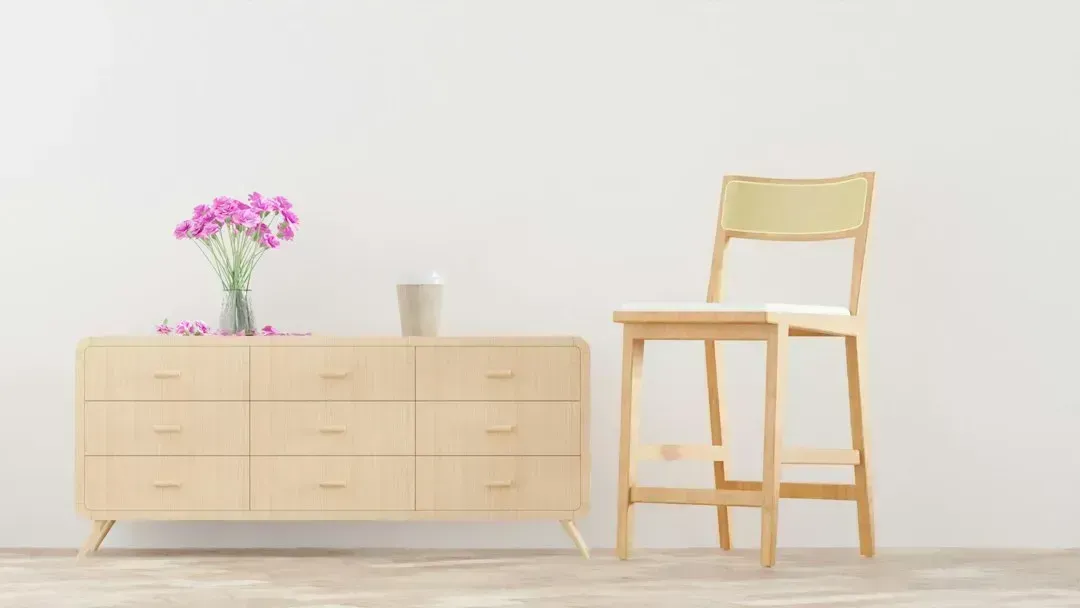
One of the fastest tells is whether furniture fits the proportions of a space. A sofa that is too large crowds a room and blocks natural walkways, while an undersized sectional can leave a living room feeling empty and disconnected, even if every individual piece is beautiful on its own.
Designers are trained to think in terms of negative space, not just objects, so they notice immediately when a room feels either stuffed or sparse. Scale mistakes are among the most common issues in everyday homes, largely because furniture is often bought online without measuring the actual room first.
2. How natural light moves through the space
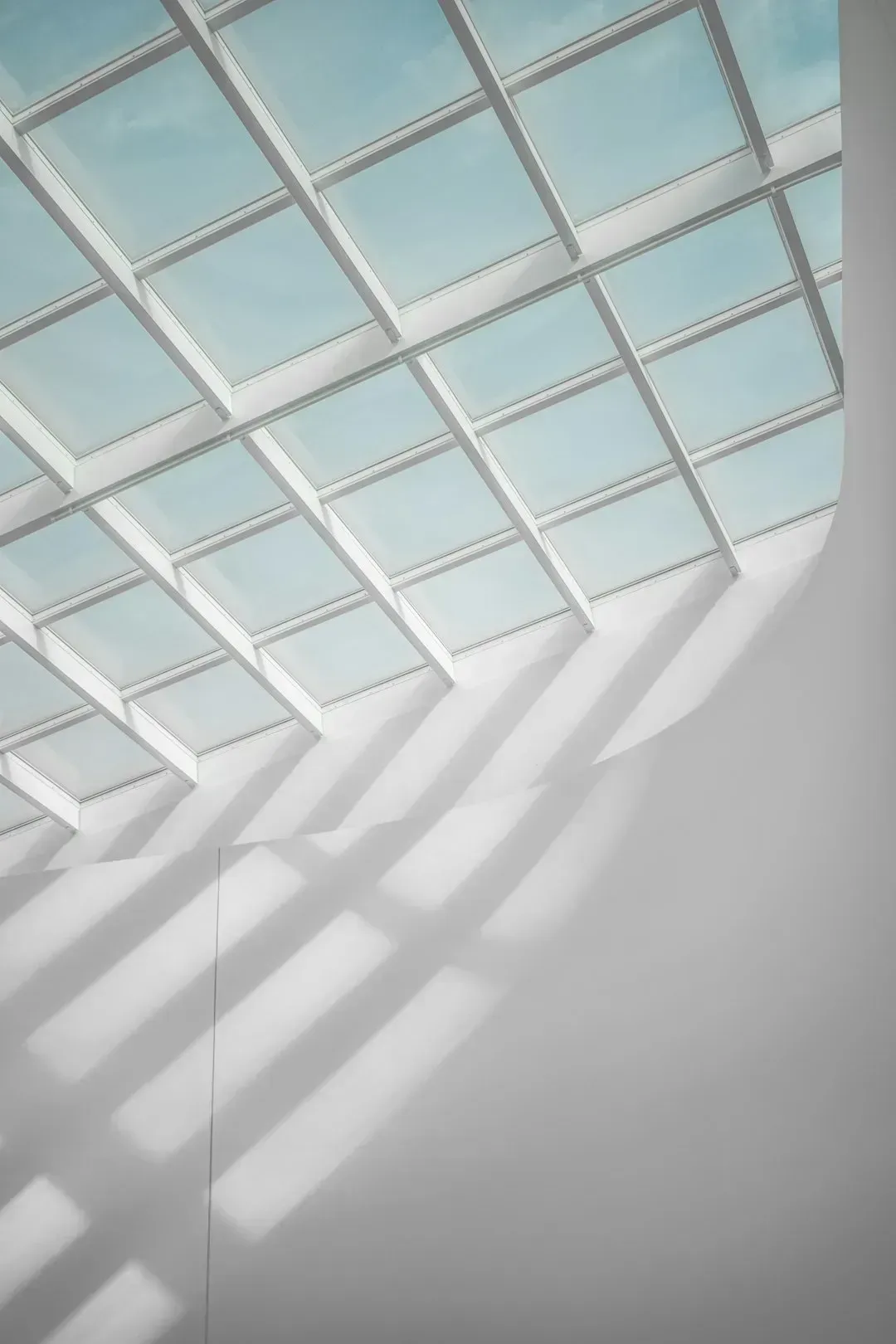
Before noticing colors or decor, many designers clock where the windows are and how light behaves at that particular hour. A room that faces north will read cooler and dimmer than one bathed in southern light, and that single fact shapes almost every other design decision that follows.
They also notice whether window treatments are blocking light unnecessarily or whether mirrors and glossy surfaces are being used to bounce it around. Light quality affects mood and perceived room size more than almost any other single factor, which is why it tends to register first, sometimes before a designer has even looked at the furniture.
3. The condition and finish of the walls

Scuffs, uneven paint lines, or a color that clashes with the flooring are easy to spot for someone who looks at wall finishes professionally. Designers often mentally note whether a wall color is working with the architecture of the room or fighting against it, particularly in older homes with less-than-perfect drywall.
They also pay attention to sheen level, since a high-gloss finish in a busy hallway will show every fingerprint and imperfection, while flat paint in a bathroom can trap moisture and stain over time. These small material choices tell a designer a lot about whether a previous renovation was thoughtfully planned or done in a rush.
4. Whether the lighting layers actually work together

A single overhead fixture doing all the work in a room is one of the quickest giveaways that lighting was never properly planned. Designers look for a mix of ambient, task, and accent lighting, and they notice right away when a space relies on one harsh source instead of a layered approach.
They also register color temperature, since a room mixing warm bulbs with cool ones can feel visually chaotic even if nothing else is wrong. Lighting design has become a bigger focus in recent renovation trends, with dimmable and tunable fixtures increasingly standard in higher-end remodels since the early 2020s.
5. The flow between rooms and traffic patterns
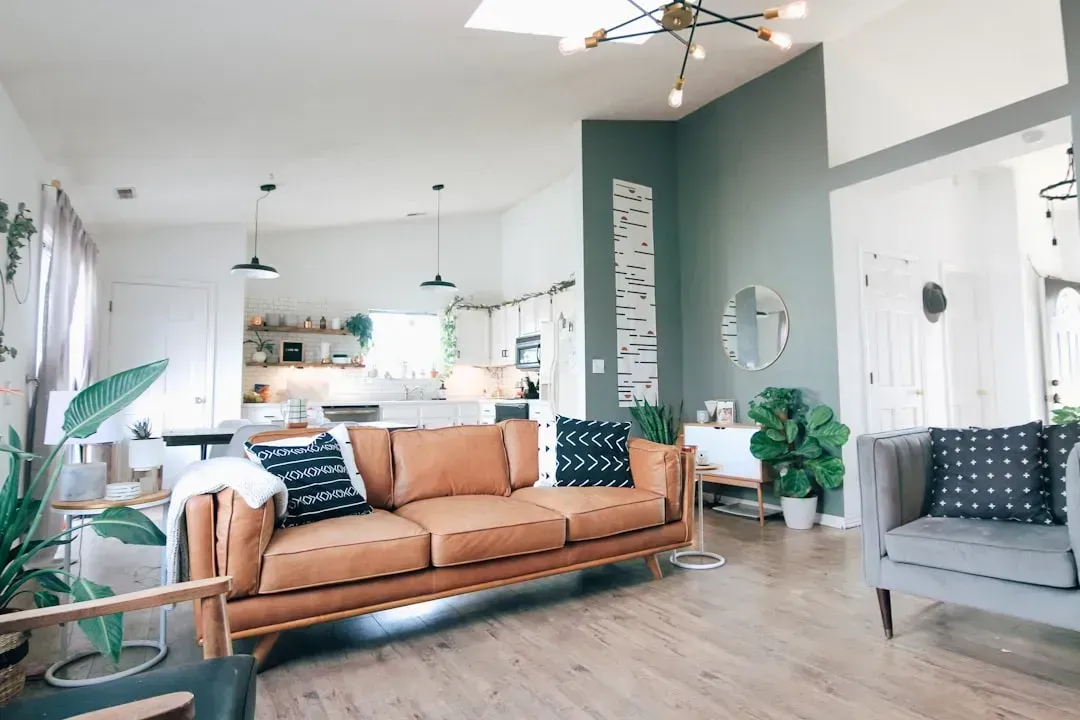
Designers instinctively trace the path a person would walk from the front door to the kitchen, or from the living room to the backyard, checking whether furniture placement forces awkward detours. A coffee table set too close to a sofa or a dining chair that blocks a walkway are the kinds of small obstructions that stand out immediately to a trained observer.
Open floor plans, which have dominated new construction and renovations for much of the past two decades, actually make traffic flow more complicated to manage well, not less. Designers notice quickly whether a home’s layout supports natural movement or whether people have simply adapted around poor furniture choices without realizing it.
6. The scale and placement of artwork
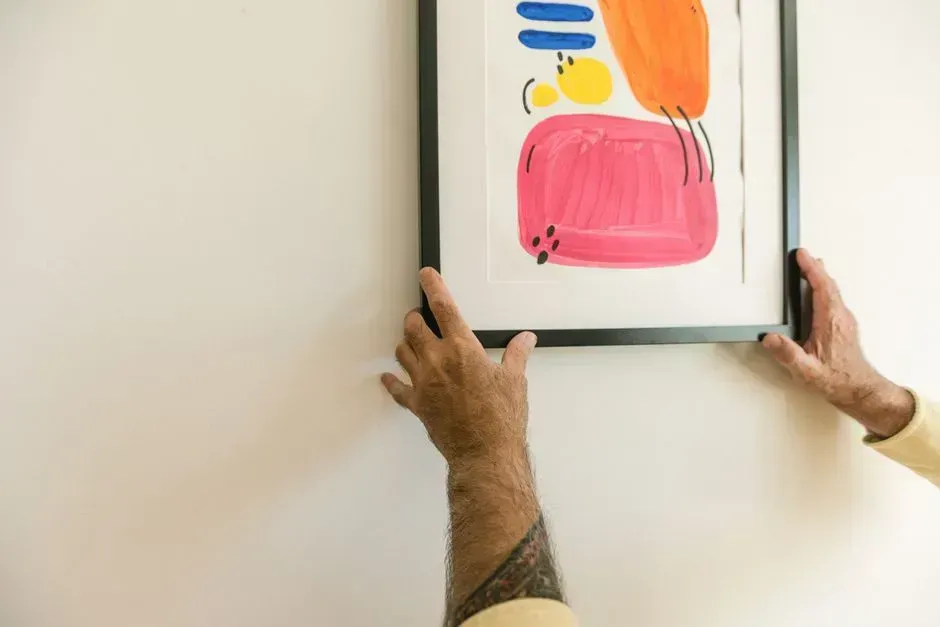
Art hung too high is one of the most common mistakes designers see, since most people hang pieces at a height meant for standing eye level rather than the eye level of someone actually seated in the room. Frame size relative to the wall matters just as much, and a small piece floating alone on a large wall reads as an afterthought rather than an intentional choice.
Designers also notice whether artwork relates to the furniture below it, since a gallery wall or statement piece works best when it is grouped or scaled to the furniture it sits above. This is a detail many homeowners overlook entirely, even in otherwise well-decorated rooms.
7. The condition and style of flooring

Flooring sets the tone for an entire room, and designers notice quickly whether it complements the architecture or feels mismatched with the era of the home. Scratches, uneven transitions between rooms, or rugs that are too small for the seating area are all details that catch a professional eye within moments of entering.
Rug sizing in particular is a frequent issue, since a rug that only fits under a coffee table rather than anchoring the full seating arrangement can make a room feel disjointed. Flooring material choices, from engineered hardwood to luxury vinyl plank, have shifted significantly in the past few years as homeowners look for more durable and moisture-resistant options.
8. Whether window treatments are proportioned correctly
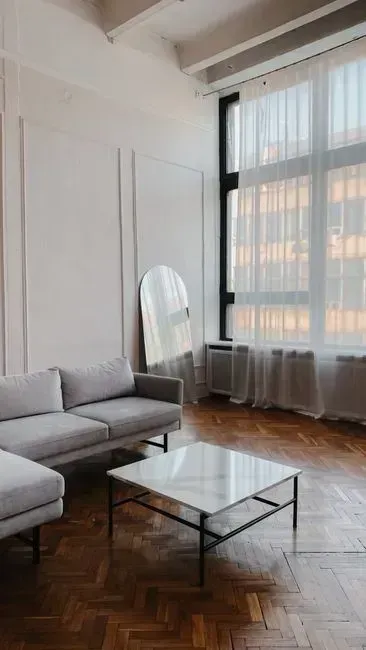
Curtains hung too short or mounted directly on the window frame instead of higher on the wall are an instant signal to designers that the treatment was chosen without much planning. Proper curtain height and width can make ceilings look taller and windows appear larger, which is why designers often mention this as one of the simplest, most affordable upgrades homeowners overlook.
They also check whether the fabric weight and opacity suit the room’s function, since a sheer panel in a bedroom does very little for privacy or light control. This detail is easy to fix but is one of the most common oversights in otherwise well-furnished homes.
9. The presence, or absence, of a cohesive color palette
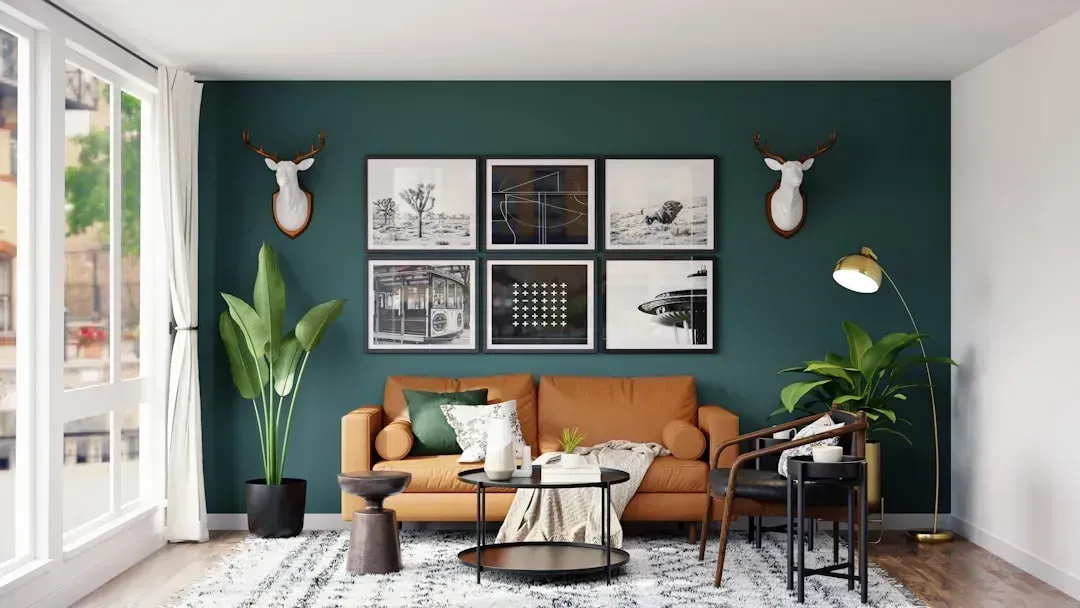
A designer’s eye moves quickly across a room to check whether colors relate to one another with some kind of logic, whether through a consistent undertone, a repeated accent color, or a deliberate contrast. Rooms that feel visually chaotic often have too many competing colors introduced without a unifying thread tying them together.
This does not mean every home needs to match perfectly, since eclectic and maximalist styles have grown in popularity in recent years. Even in more eclectic spaces, however, designers notice whether the variety feels curated or accidental, and that distinction is usually obvious within the first few seconds.
10. How storage and clutter are being managed

Visible clutter, overflowing shelves, or furniture doing double duty as a catch-all surface are immediate signals about how a home actually functions day to day. Designers notice whether storage solutions were built into the design from the start or added later as a workaround for insufficient planning.
This detail matters because it reflects lived reality rather than staged appearance, and designers often say that a home’s storage habits reveal more about daily life than any decor choice. Closed storage, multipurpose furniture, and built-ins have become increasingly popular design solutions as home sizes in many markets have stayed flat or shrunk relative to previous decades.
11. The condition of hardware, fixtures, and small details

Mismatched cabinet pulls, outdated light switch covers, or dated faucet finishes are small details that a homeowner might stop noticing over time, but they stand out instantly to a designer. These finishing touches are often the least expensive elements to update, yet they carry outsized influence over how polished or dated a space feels overall.
Designers also notice consistency across a home, since mixing finishes like brushed nickel in one room and matte black in another can create a subtle sense of disunity even if each choice looks fine individually. Finish consistency has become a bigger focus in recent renovation guidance, particularly as more homeowners tackle partial updates room by room rather than full-house remodels.
12. The overall sense of intention behind the space
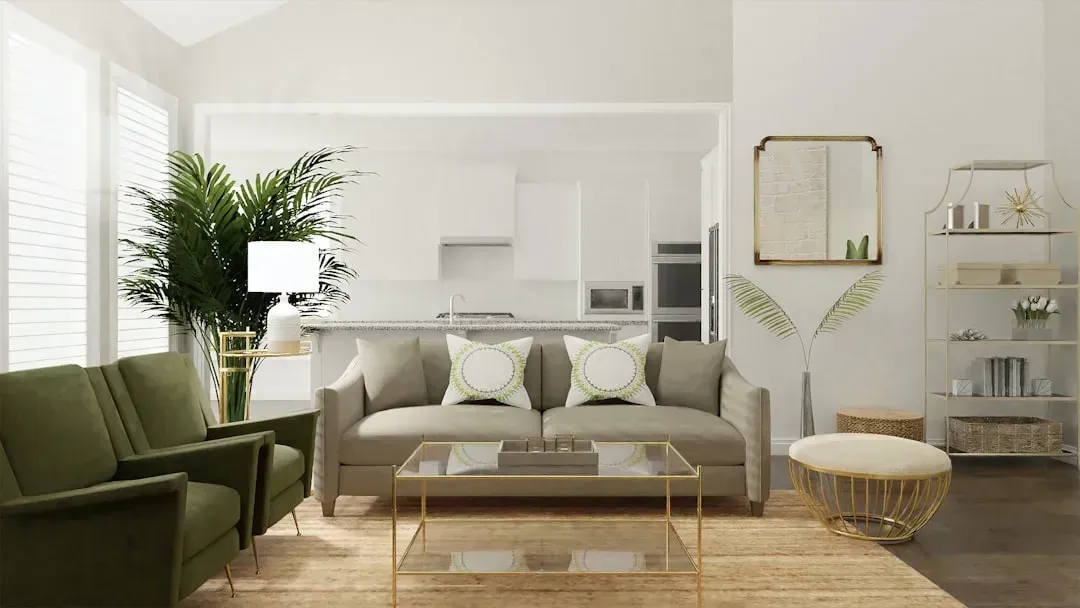
Perhaps the most telling thing designers notice is whether a home feels like it was designed with a plan or assembled piece by piece without much forethought. This is less about any single object and more about the overall coherence, whether furniture, color, lighting, and layout are working together toward a consistent feeling.
A home does not need to be expensive or trend-forward to read as intentional, since even modest, budget-conscious spaces can feel thoughtfully composed. Designers often say this overall sense of cohesion, more than any individual furniture piece or color choice, is what separates a house that feels finished from one that still feels like a work in progress.
Each of these details is small on its own, but together they explain why some rooms feel effortlessly put together while others, despite plenty of money and effort, never quite settle into place.




Leave a Reply