
There’s a noticeable difference between someone who cooks to feed people and someone who cooks to delight them. It doesn’t always show up in the ingredients or even the recipes. It surfaces in the small, almost invisible choices made throughout the process, the way salt is used, when acid is added, how a dish is tasted before it reaches the table.
Refined taste in the kitchen isn’t really about expensive equipment or obscure techniques. Most people think it means expensive ingredients or mysterious foodie jargon, but in reality it’s small, repeatable decisions made at the grocery store and in the kitchen. Here are thirteen genuine signs that your cooking has crossed that line.
1. You Season in Layers, Not All at Once
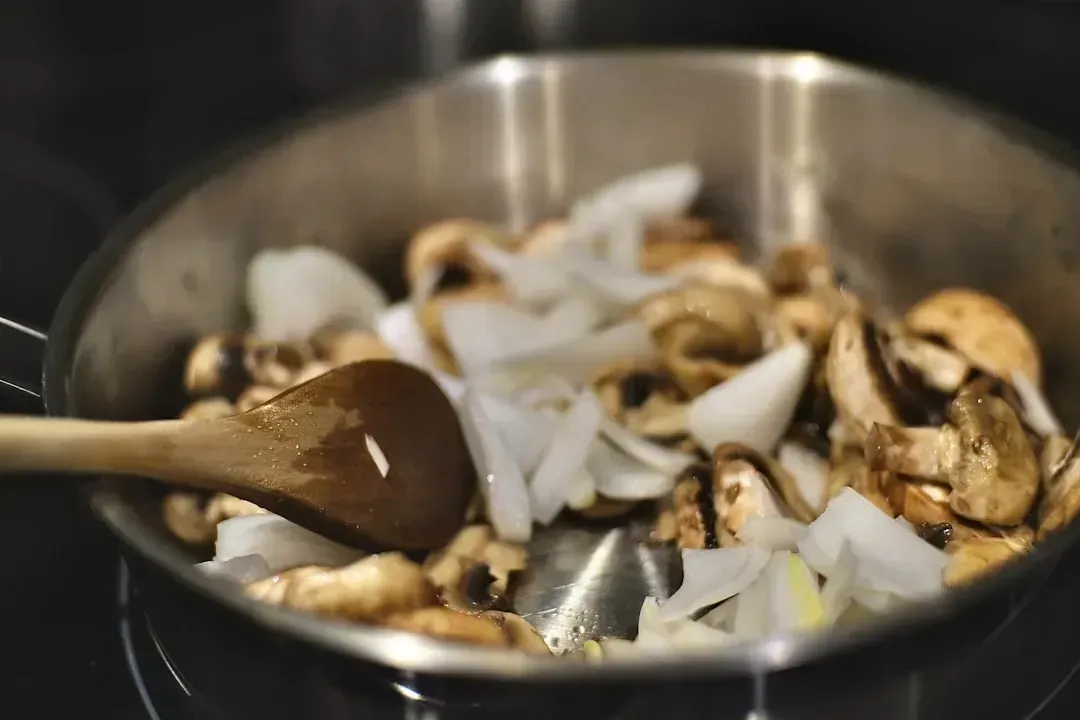
When you’re a great cook, you don’t just dump salt in at the end. Instead, you know how to build layers of flavor by seasoning the onions as they sauté, knowing how to get the flavor out of herbs when cooking, and finishing with a final seasoning adjustment. This technique alone separates good cooks from the great ones.
Starting with a small amount of seasoning and gradually building up is key, because it’s easier to add more seasoning later than to fix an overly seasoned dish. By adding seasonings gradually, you have better control over the final flavor profile. Layered seasoning transforms a dish from functional to genuinely memorable.
2. You Understand the Role of Acid

Salt and acid are the primary tools for balance, with salt to enhance and acid to brighten and cut richness. A refined cook knows that a squeeze of lemon or a splash of good vinegar at the right moment can do more work than almost any other ingredient in the kitchen.
If you’re cooking a creamy dish rich in flavors, infusing a touch of acidity into it, such as squeezing a bit of fresh lemon juice, is a great idea. This contrasting taste breaks the monotony and adds depth and complexity of flavors. Knowing when a dish is “almost there” and recognizing that acid is the missing piece is a genuinely uncommon skill.
3. You Cook Seasonally by Instinct
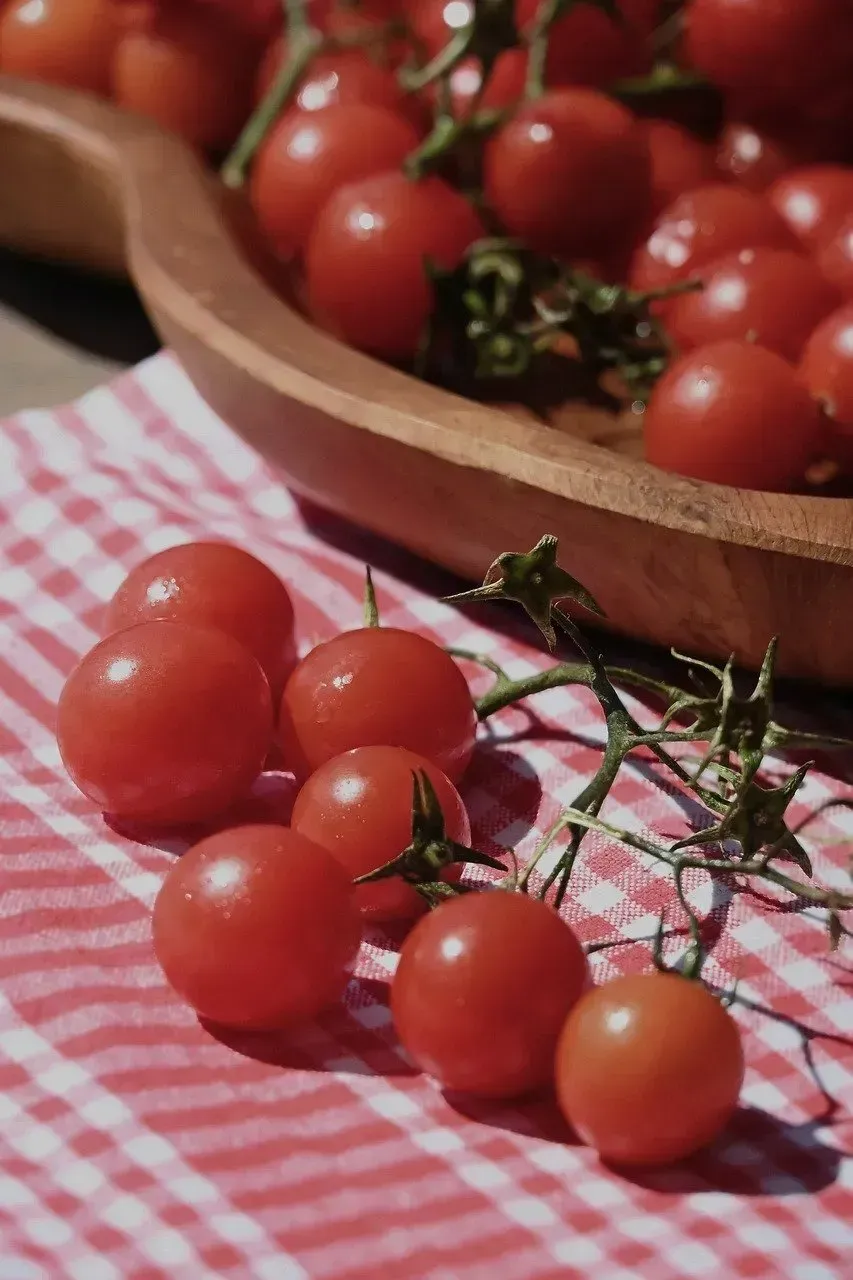
When you choose what’s in season, you’re choosing peak flavor with almost zero extra effort. Tomatoes grown for August taste like sunshine; tomatoes grown for January taste like water with a red filter. Buying seasonal produce also nudges you to cook a little differently each month, which keeps your palate curious instead of bored.
Cooking with in-season produce makes meals brighter, fresher, and often more affordable. Fruits and vegetables at their peak need less seasoning, and nature does the heavy lifting. Refined cooks don’t fight the calendar. They work with it, and the food tastes noticeably better as a result.
4. You Welcome Bitter Flavors on the Plate
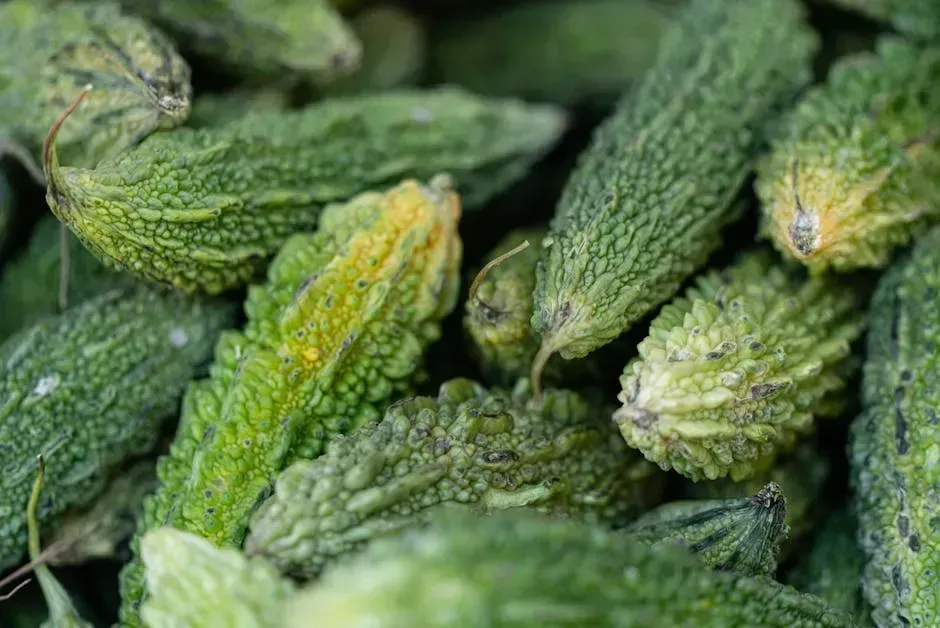
Refined taste isn’t just about sweet and salty pleasures. It’s about range. If you put radicchio, grapefruit, or unsweetened cacao in your cart on purpose, you’re playing in the part of the flavor spectrum most folks avoid. Bitter makes everything else pop.
Loving radicchio, endive, or rapini is like passing the palate SAT. Bitterness is the last flavor most of us learn to enjoy because it used to signal “maybe poison” in our evolutionary wiring. Choosing bitterness on purpose means you’re tasting for what comes after the initial shock – peppery oils, minerality, and a cleansing finish that makes the next bite taste clearer. It’s a sign of a genuinely trained palate.
5. You Toast Your Spices Before Using Them
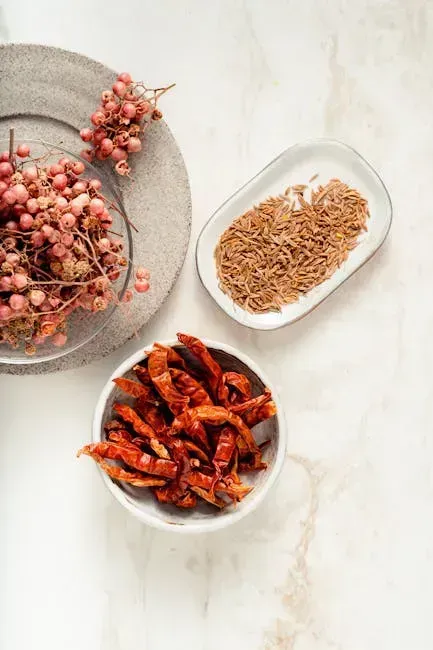
Seasoning your food slowly avoids oversalting it and burying other taste layers. You should also toast your spices to bring out the flavors, which trains your tongue to recognize their different identities. Toasting is one of those quick steps that most home cooks skip, but its impact is immediate and unmistakable.
Picking up different fresh herbs like dill, cilantro, rosemary, and thyme, along with spices such as cinnamon, nutmeg, and cumin, and tasting each in their raw form builds familiarity with how they behave. A cook who toasts their spices isn’t following a trend. They’re respecting the ingredient.
6. You Know When to Let the Maillard Reaction Do the Work
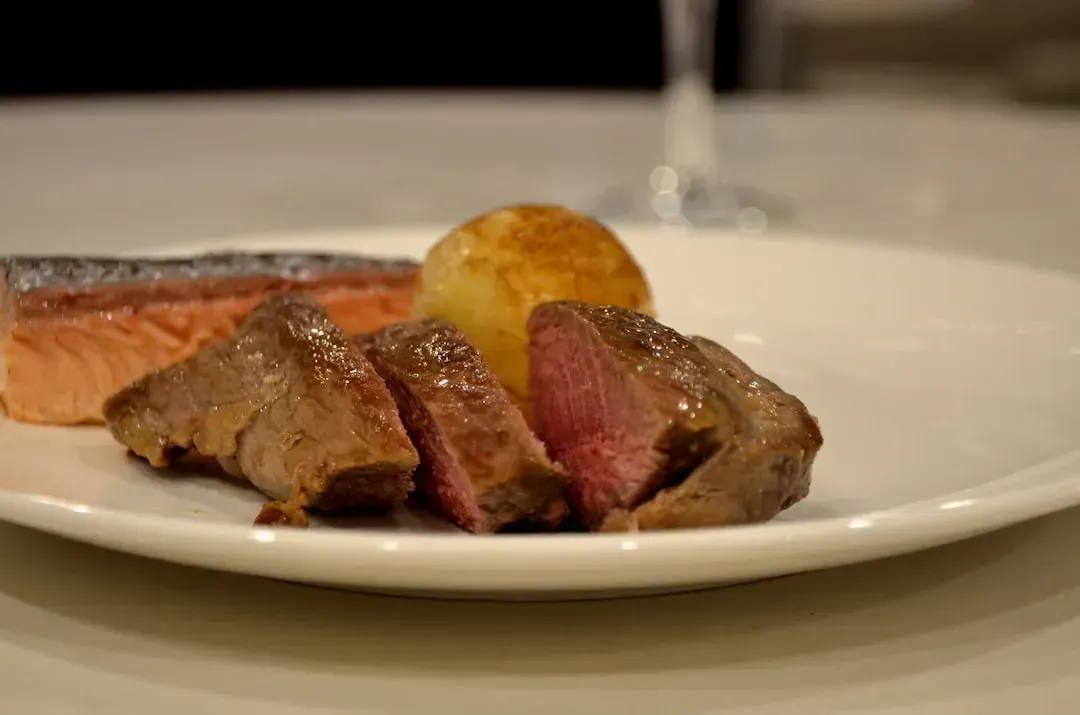
The Maillard reaction is a chemical reaction between amino acids and reducing sugars that creates melanoidins, the compounds that give browned food its distinctive flavor. Seared steaks, fried dumplings, cookies, breads, toasted marshmallows, and falafel all undergo this reaction. Refined cooks don’t crowd their pans. They give proteins space and heat to actually brown.
The important thing about the Maillard reaction isn’t the color, it’s the flavors and aromas. It should really be called “the flavor reaction,” not the “browning reaction,” as the molecules it produces provide the potent aromas responsible for the characteristic smells of roasting, baking, and frying. If you instinctively crank the heat before searing and resist the urge to stir too early, that’s a real sign of refinement.
7. You Taste Constantly and Adjust as You Go
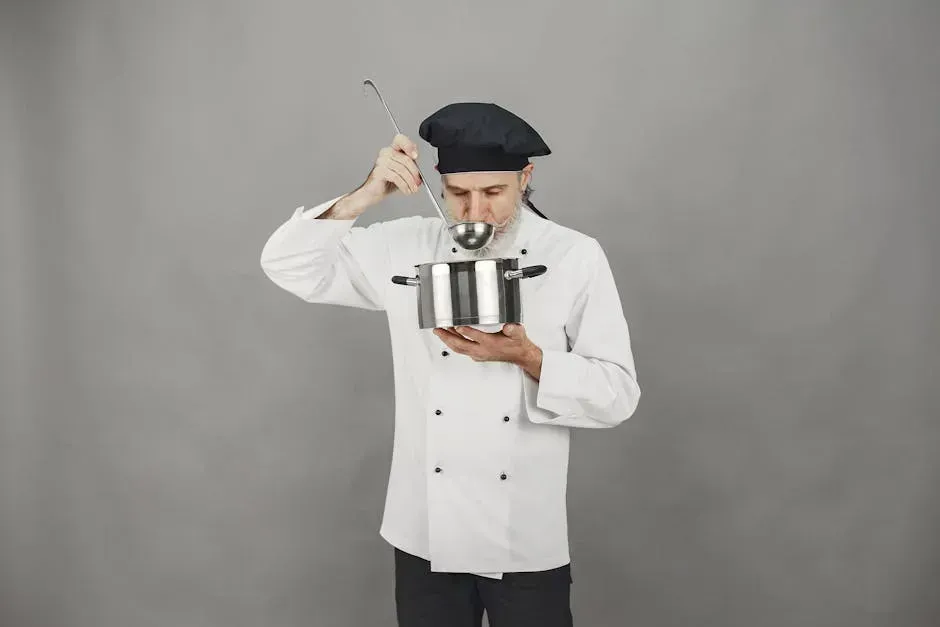
A refined palate isn’t just for wine sommeliers. It’s a fundamental skill for any cook who wants to move from following recipes to creating them. The ability to discern subtle flavors, understand how they interact, and identify what a dish needs is what separates good cooks from great ones.
Developing your palate, the process of learning how to taste and balance flavors, is a skill that great chefs never stop working on. As you cook, taste your individual ingredients, try to isolate different flavors, and work on determining what might be absent or underrepresented in a dish. Tasting constantly isn’t obsessive. It’s the foundation of everything else.
8. You Understand Umami Without Having to Think About It
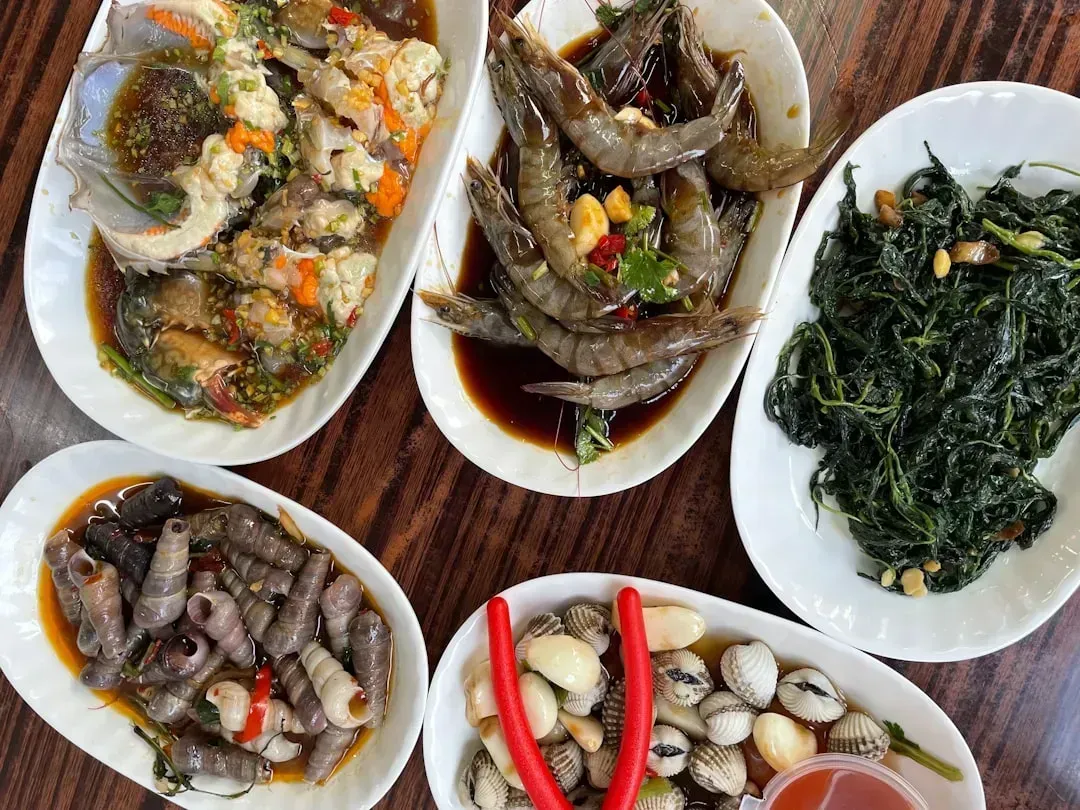
Though umami is often confused with saltiness, it has a distinctive depth and comforting quality that goes beyond salt. Umami is key to enhancing savory dishes; if the flavor of something savory feels a bit weak or underdeveloped, umami might be the answer.
When a sauce feels like it’s missing something, or a soup tastes flat, it often needs a boost of umami. A dash of soy sauce, a spoonful of miso paste, or some grated Parmesan cheese can often provide that missing layer of complexity. Knowing instinctively to reach for mushrooms, fish sauce, or aged cheese when something tastes incomplete is a strong marker of a developed palate.
9. You Rest Meat Without Being Told To
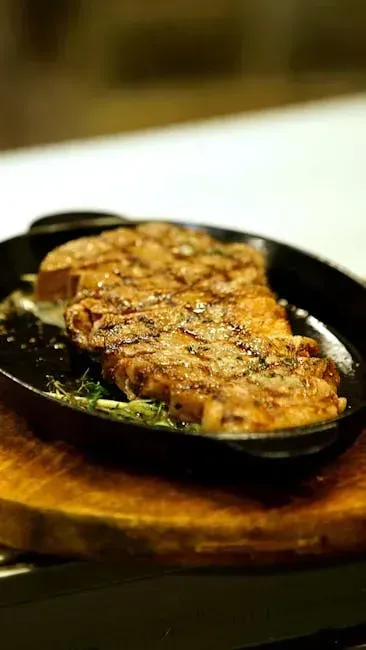
Resting proteins after cooking is one of those habits that separates patient, experienced cooks from impatient ones. If you carve the meat without letting it rest, the cooking juices escape and end up on the plate, leaving the meat dried out and less flavorful in the mouth.
Mastering the art of cooking meat relies on a good understanding of heat distribution. By allowing the heat to spread evenly and the juices to circulate throughout the meat, you can achieve excellent results every time. A cook who automatically tents their steak and waits, even when hungry guests are watching, has genuinely internalized what good texture requires.
10. You Think About Texture as Seriously as Flavor
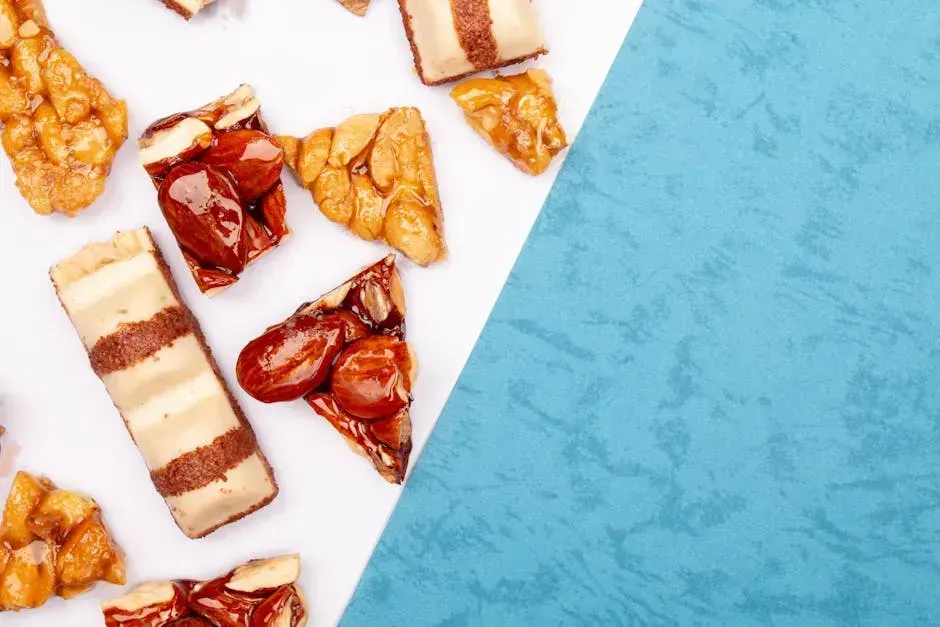
Touch enhances our flavor experience through mouthfeel and how textures are perceived on the palate, such as crunchy, smooth, fatty, or gelatinous. Refined cooks don’t serve all-soft or all-crisp plates. They engineer contrast deliberately, knowing that texture shapes the experience as much as taste does.
By layering soft and crunchy elements, incorporating hot-and-cold contrasts, and varying mouthfeels on every plate, chefs can create dishes that captivate both the palate and the sense of touch. When you find yourself adding a handful of toasted breadcrumbs or a scattering of raw herb to a silky braise, that’s exactly the kind of instinct at work here.
11. You Have a Pantry That Reflects Genuine Curiosity
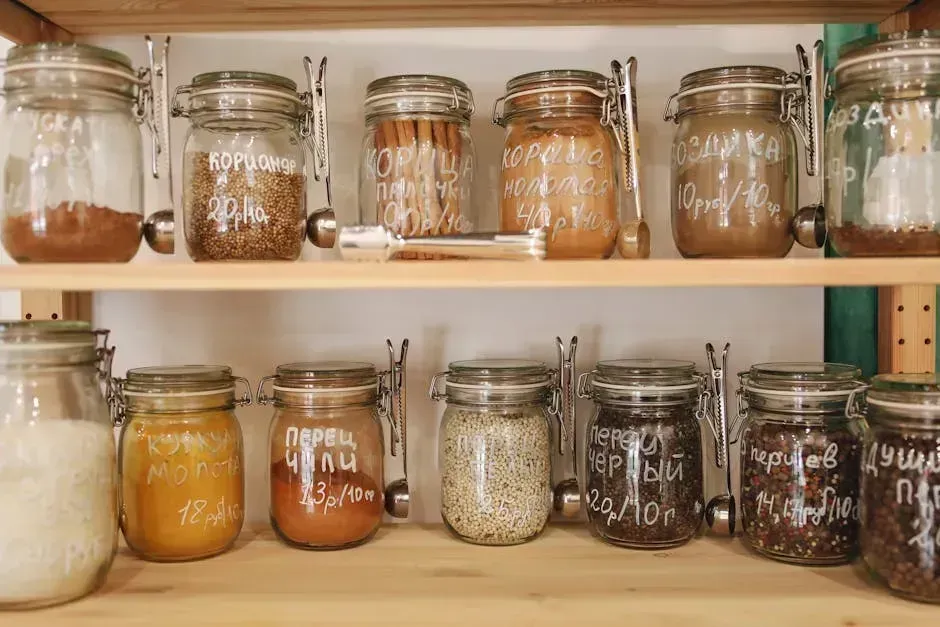
Signs of culinary expertise include being able to throw things together knowing the different combinations of foods, herbs, and spices will go together well, experimenting with dishes by adding a twist on classics, and having a very well-stocked pantry with all kinds of ingredients like masala leaves, curry powder, mustard seeds, and different types of oils.
Gourmet cooking often incorporates diverse ingredients and techniques from around the world. Exploring international cuisines widens your flavor horizon and challenges your palate. You encounter unfamiliar spices like sumac and za’atar, fermented ingredients like kimchi, and different approaches to balancing tastes, such as balancing heat with acidity in Thai food or layering spice in Indian dishes. A pantry stocked out of genuine curiosity rather than habit is always a telling sign.
12. You Personalize Recipes Rather Than Follow Them Precisely
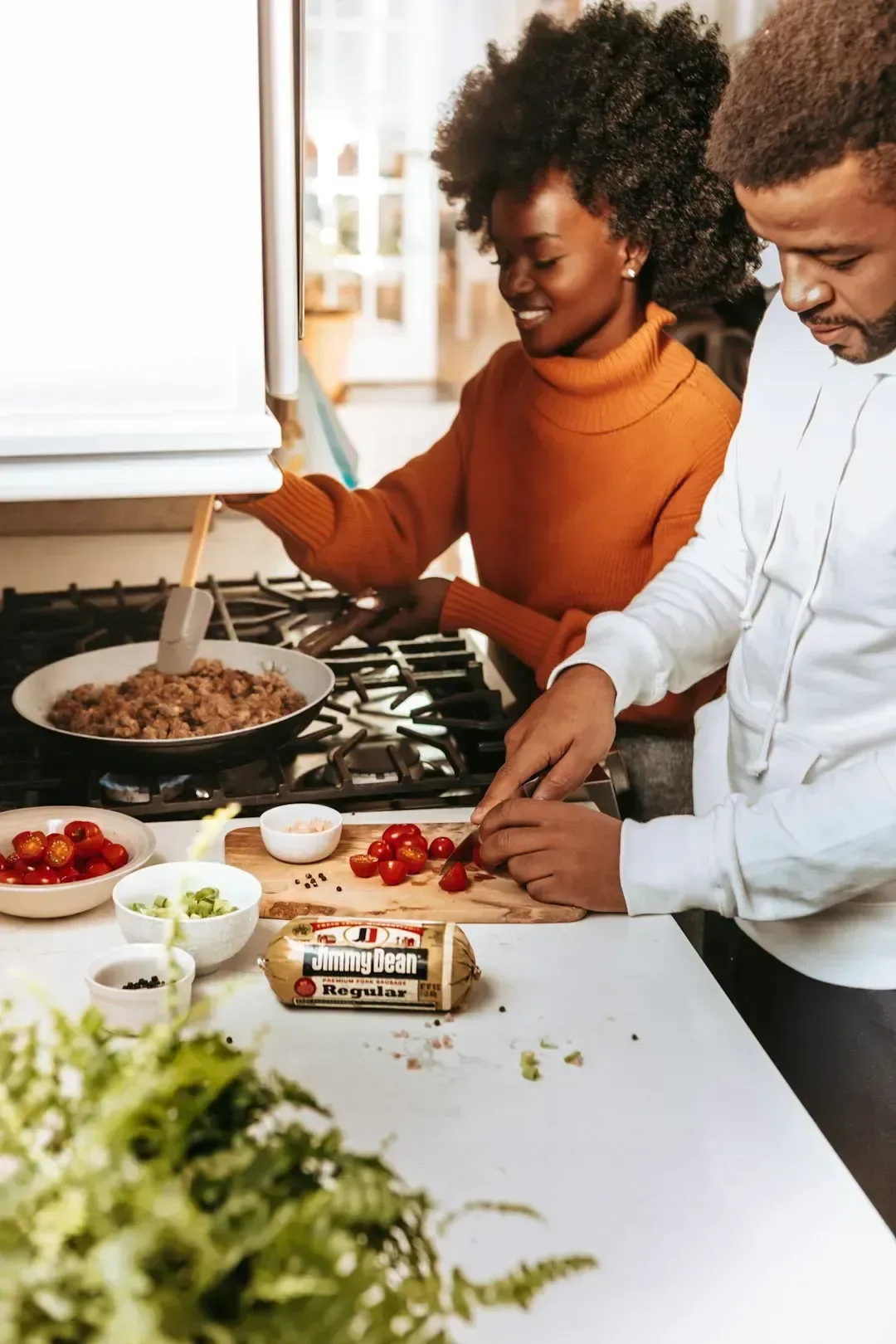
As you progress in your culinary journey, you naturally begin to develop a personal cooking style. This style reflects your preferences, experiences, and personality in the kitchen. For culinary enthusiasts, establishing a unique cooking style is a fulfilling aspect of skill development in cooking.
You’ve developed your own way of transforming classic dishes. There’s a unique twist that can make your version richer. This personalization shows that you’ve moved beyond just following instructions to creating your own style. Following a recipe is a starting point. Adjusting it based on what you know, what you’re tasting, and what the dish needs is where real confidence lives.
13. You Pay Attention to How a Dish Is Plated
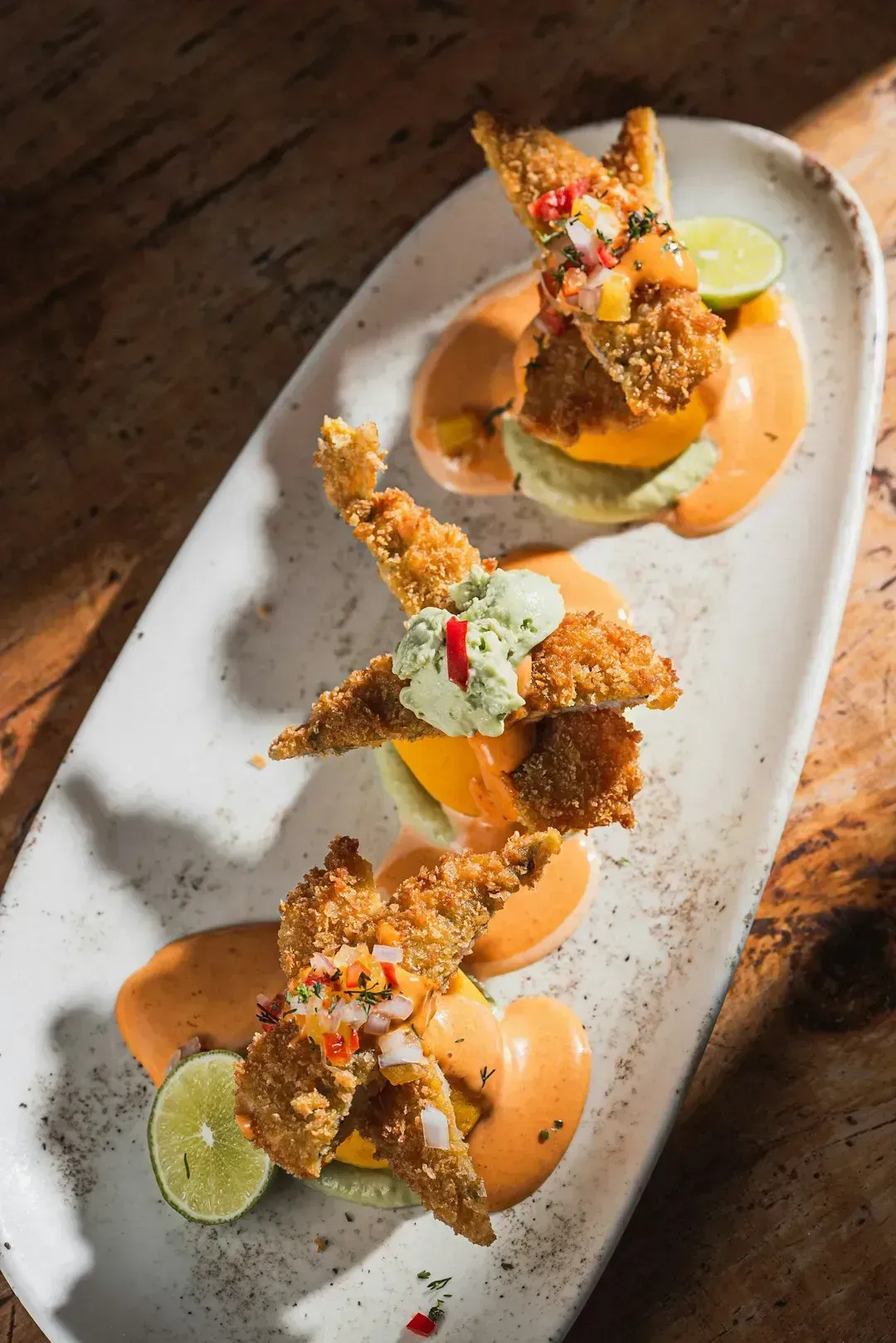
Taste matters most, but presentation adds that final polish. Plating doesn’t require restaurant flair; simple attention to color, shape, and balance makes food more appealing. Using contrasting colors like orange carrots with green herbs, or arranging ingredients neatly on a plate, creates visual impact. Different textures, like a crunchy topping on a soft dish, add dimension.
Research conducted by Oxford psychologist Professor Charles Spence indicates that the presentation of food can significantly enhance the taste of a dish. Skilled chefs meticulously design the layout of ingredients to create a symphony of flavors and textures, enticing diners even before the first bite is taken. When you wipe the edge of a plate before serving it, or pause to consider where the sauce should go, you’re not being precious. You’re completing the dish.
Refined taste in cooking accumulates quietly. It’s the sum of small decisions made consistently, over time, without applause. The salt added at the right moment, the acid that lifts an entire dish, the patience to let something rest. None of it is glamorous, but all of it is real.




Leave a Reply