
What’s notable is how deliberate the choices have become. People aren’t picking these places at random. The cities drawing the most arrivals aren’t random. They tend to share a specific mix of accessible visa pathways, lower costs, and the kind of daily life that feels like a genuine upgrade. Here’s a closer look at the six cities standing out the most right now.
1. Lisbon, Portugal

Portugal has become something of a proving ground for the broader relocation trend, and Lisbon sits at the center of it. Portugal’s immigration agency recorded over 19,000 U.S. citizens living in the country at the end of 2024, up from roughly 14,000 in 2023, a jump of more than a third. Around 4,800 U.S. residents obtained Portuguese residence permits in 2024 alone.
Lisbon is where the overwhelming majority of those new arrivals land first, remaining the easiest on-ramp for many Americans because it combines international energy with strong infrastructure, good public transport, and the widest range of English-speaking services. Cost still matters here too. Consumer prices in Portugal are, on average, roughly half those in the United States, while the average monthly cost of living for a couple in Lisbon runs about $2,500, and Portugal ranked 7th on the Global Peace Index’s list of the safest countries in 2024. The one catch is housing. Demand has increased in popular cities like Lisbon and Porto, which has driven up housing competition and made affordable rentals harder to secure.
2. Mexico City, Mexico
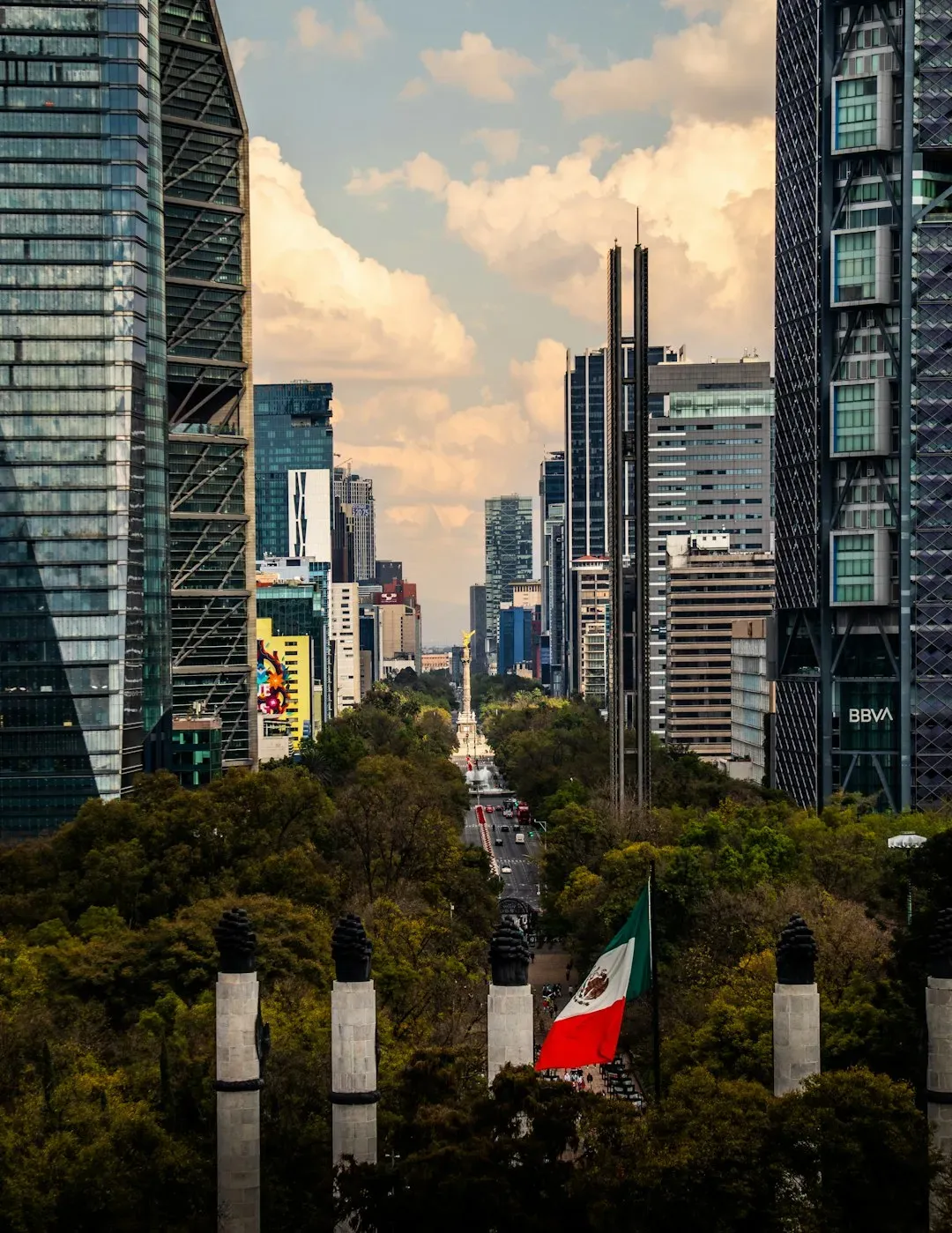
No country pulls in more Americans overall than Mexico, and Mexico City has become the face of that movement. Mexico leads all international destinations for American emigrants, with nearly 800,000 U.S. citizens making the move in 2024 alone, drawn by proximity to the United States, a lower cost of living, and established expatriate communities. That’s not a niche trend anymore. It’s the single biggest destination on the list by a wide margin.
Mexico City in particular has become the urban center of that surge, drawing remote workers, creatives, and younger professionals who want a cosmopolitan city without a U.S. price tag. The country offers a range of scenes beyond the capital too. Mexico City’s cosmopolitan buzz contrasts with Mérida’s safety and Yucatán character, while San Miguel de Allende and Lake Chapala host long-standing expat communities with active social scenes. On the paperwork side, the process is fairly predictable. U.S. citizens can stay in Mexico for up to 90 days without a visa or 180 days with a tourist visa, but those seeking longer-term residency typically begin by applying for a temporary residency visa.
3. Barcelona, Spain
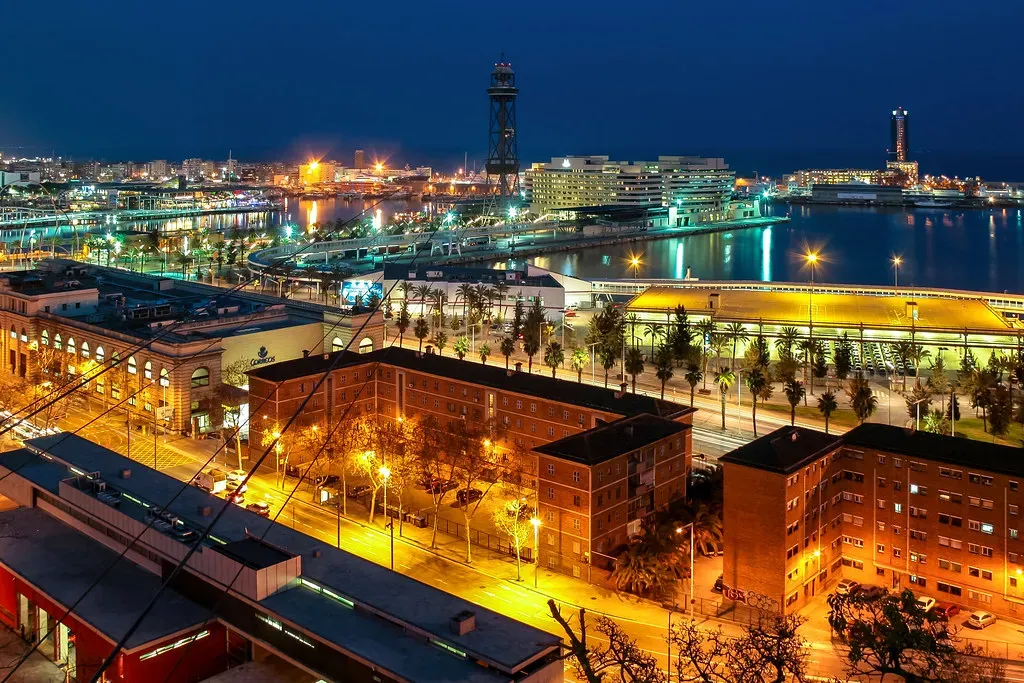
Spain has quietly become one of the biggest winners of the European relocation wave, and it’s Barcelona pulling in the largest share of that attention. Spain absorbed the largest U.S. permit cohort in the European Union, according to Eurostat data, with Barcelona leading that surge on the city level, drawing Americans with its mix of Mediterranean lifestyle, international infrastructure, and a growing portfolio of visa options. The appeal isn’t just about the weather, though that certainly helps.
Spain is a top choice for Americans seeking a balance of culture, affordability, and lifestyle, and digital nomad and retirement visa options make it accessible, while cities like Barcelona and Valencia offer strong public transit and walkability. The growth trend has been consistent rather than sudden. Spain has emerged as a European favorite among American expats seeking a Mediterranean lifestyle combined with modern amenities, and has shown impressive growth in the American expat population, reflecting new visa incentives and lifestyle appeal. Everyday budgets tend to go further here than in most major U.S. cities, which is part of why the momentum hasn’t slowed.
4. Chiang Mai, Thailand

Thailand has been a fixture on expat radar for years, but the mix of people arriving has changed. Chiang Mai, in the north, is a favorite for its cooler climate and laid-back lifestyle, and many digital nomads prefer this city for its vibrant tech scene and coworking spaces. It’s less about beach retirement now and more about a working lifestyle that happens to be dramatically cheaper.
Healthcare tends to be a recurring surprise for newcomers. Healthcare quality in Thailand often surprises American expats with its combination of advanced medical technology and affordable pricing, and private hospitals in Bangkok and other major cities provide world-class care at fractions of American costs. The visa landscape has also matured considerably. Thailand’s Long-Term Resident visa offers a ten-year option for retirees, remote workers, high-net-worth individuals, and professionals, making it one of the more forward-thinking residency programs in Southeast Asia. The cost of daily living remains significantly lower than most U.S. cities, which continues to be the primary pull for relocating Americans.
5. Dubai, United Arab Emirates
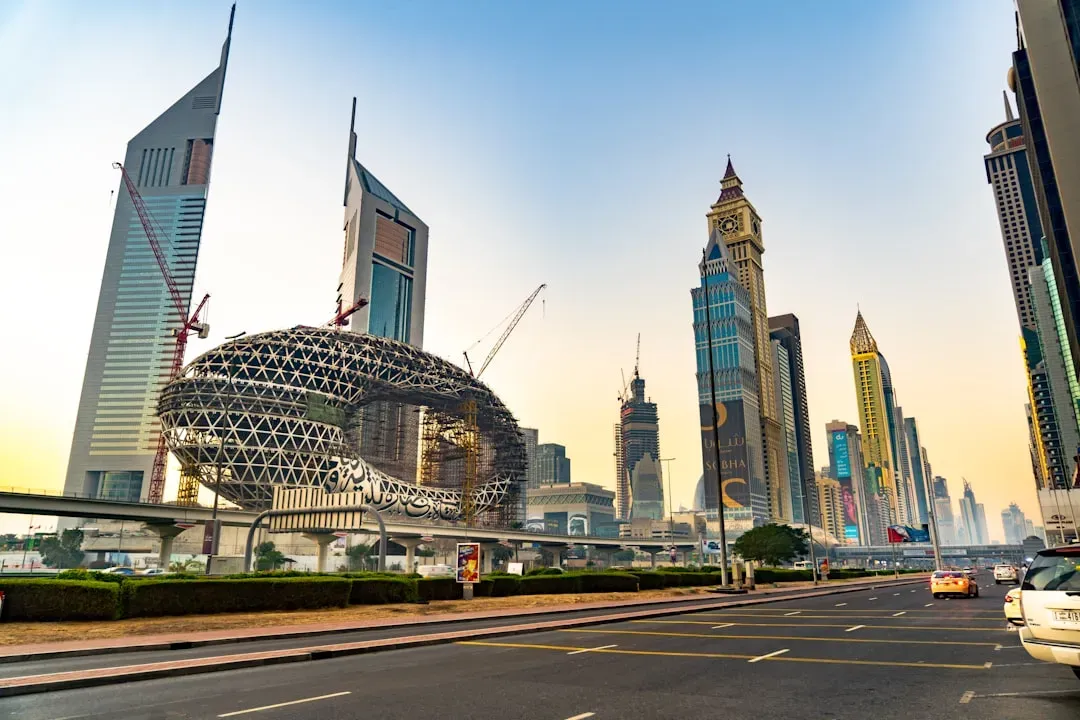
Dubai occupies a different lane entirely from the other cities on this list, aimed less at budget-conscious remote workers and more at professionals chasing tax advantages and career growth. Researchers estimate that more than 40,000 Americans now call the UAE home, drawn by Dubai’s zero personal income tax, English-language business environment, and a range of long-term residence options including the Golden Visa and Remote Work Visa. The growth here has been fast and fairly visible.
Recruiters report a roughly one-quarter year-on-year rise in U.S. passport holders using Dubai coworking spaces, while relocation agencies say demand for international schools has created waiting lists in popular districts. The industries fueling this aren’t evenly spread. The trend is especially strong among tech, finance, and healthcare professionals whose employers allow location-agnostic work. It’s worth being upfront about the tradeoffs, though. Dubai is not a budget relocation. Housing, private health insurance, and schooling costs are substantial, and the city rewards those who arrive with a clear financial plan and strong professional income.
6. Rome, Italy

Italy rounds out the list, and it’s a bit different from the other entries in that the pull is cultural as much as it is financial. Cities like Rome, Milan, and Florence remain popular among American expats, and Italy has long attracted Americans who arrive as tourists and quietly start looking at apartment listings. That pattern, showing up on vacation and leaving with a plan to come back permanently, keeps repeating itself.
Italy’s Elective Residency Visa is ideal for retirees and financially independent individuals, while its new Digital Nomad Visa, launched in 2025, supports remote workers. Rome carries most of the weight among Italian cities on this list. Rome remains the anchor, offering deep cultural infrastructure and a pace of life that feels fundamentally different from major U.S. metros. It’s also part of a broader European pattern worth noting: France, Italy, Spain, and Portugal are sometimes referred to in immigration circles as Europe’s Big Four, consistently drawing the largest numbers of American arrivals.
Taken together, these six cities tell a fairly consistent story. Visa rules have loosened just enough, remote work has removed the old requirement of a local employer, and established American communities in each place make that first year abroad far less intimidating than it used to be. None of this suggests a mass exodus from the United States. It does suggest that for a growing number of people, moving abroad has stopped feeling like a fantasy and started feeling like a plan with actual steps attached to it.




Leave a Reply