
There’s something quietly ironic happening in homes across the country right now. The generation that grew up with TikTok, streaming everything, and apartments furnished in flat-pack minimalism is turning around and reaching for the exact same objects their grandparents owned. Not out of irony, either. Out of genuine want.
The market for vintage and nostalgia-driven products is experiencing significant growth, primarily fueled by younger generations like Gen Z and millennials who are actively seeking emotional connections to the past. Whether it’s the texture of something physical, the comfort of something familiar, or simply a reaction against the cold geometry of the last decade’s interiors, the trend is real. Here are the seven boomer home staples that Gen Z is suddenly, and rather seriously, seeking out again.
Vinyl Records and the Turntable That Goes With Them
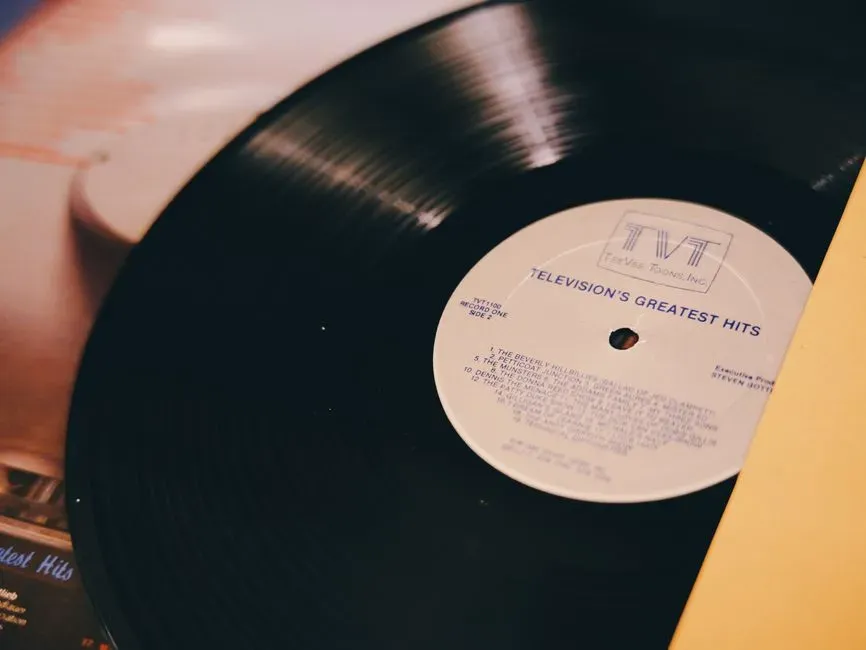
Vinyl records are popular again, and it’s not just audiophiles or nostalgic boomers fueling the resurgence. Gen Z is playing an outsized role in the revival of vinyl sales, which have grown on average by roughly eighteen percent annually in the past five years. That kind of sustained growth doesn’t happen by accident.
About three in five Gen Z consumers say they buy records, according to Futuresource Consulting’s Audio Tech Lifestyles report. Interestingly, Gen Z isn’t necessarily buying them for the sound alone. Around four in ten record buyers in the United States don’t even own a turntable. More than half of Gen Z fans say they like vinyl for its aesthetic, while more than a third use records as home decor. The album cover hung on a bedroom wall has become its own form of interior design.
Bold, Patterned Wallpaper
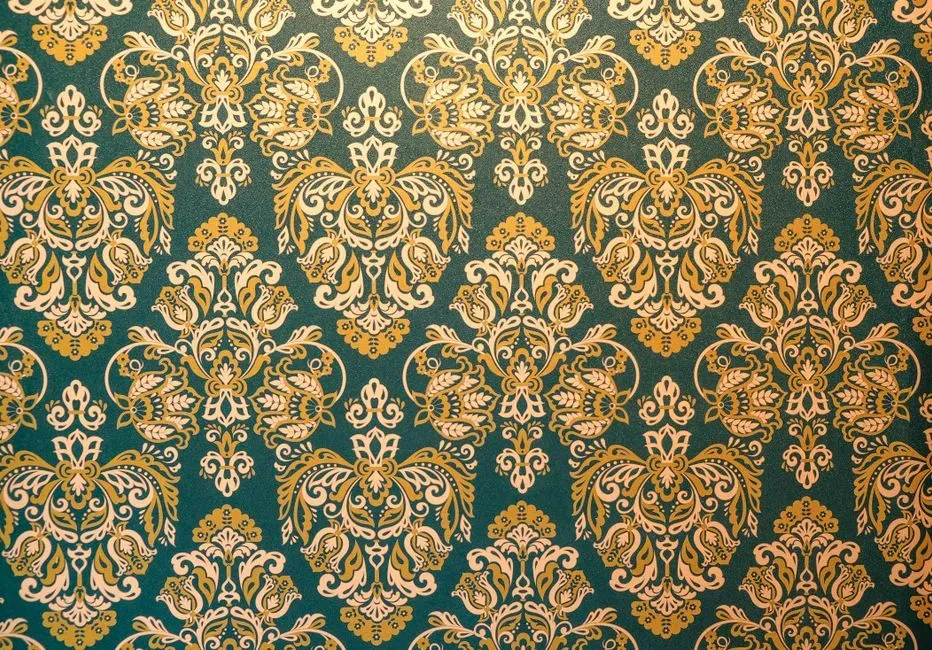
Back in the day, wallpaper wasn’t just a design choice – it was a statement. Boomers loved their walls covered in bold, dramatic patterns, from floral prints to geometric designs that turned heads. Over time, this trend was replaced with minimalist paint jobs, but bold wallpaper is back and bigger than ever.
One of the biggest nostalgic comebacks in interior design, wallpaper is now used in many different decorative ways. While wallpaper of the past may have been considered a little too precious for modern tastes, today it comes in all sorts of prints, colors, and patterns that suit just about every design palette. Wallpapering unexpected spots in the house, like ceilings, is a popular way to reimagine the material of yesteryears. All in all, wallpaper offers an easy way to inject personality into a space without a full redesign.
Houseplants Everywhere
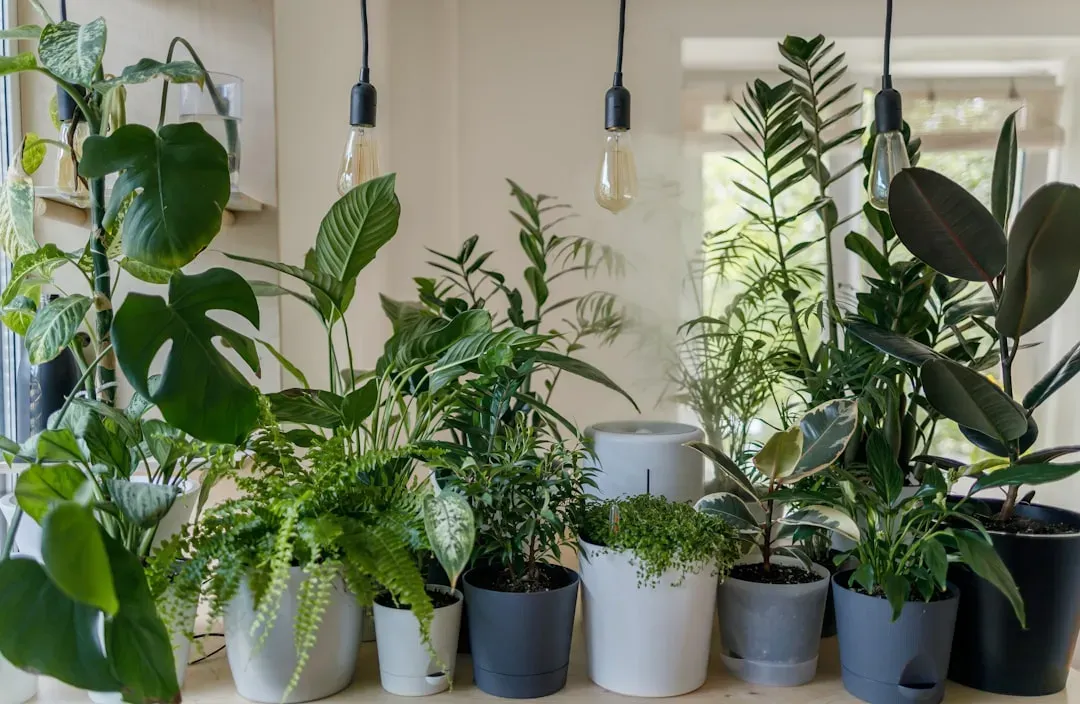
Boomer homes were often filled with houseplants, from ivy trailing down macramé hangers to the ever-popular spider plant perched on a windowsill. Today’s plant craze feels like a direct nod to that era, with Gen Z embracing greenery in a significant way. Plants are no longer just decor – they’re a lifestyle. People are creating indoor jungles, learning about propagation, and turning their homes into lush, calming retreats.
Gen Z and millennials are spending more time cultivating their own herbs, vegetables, and flowers. Axiom’s 2025 Gardening Outlook survey showed that roughly two thirds of Gen Z spent more time gardening in 2024 than in previous years. Gardening is more than just plants – it is a form of leisure, a way to save money, and a way to experience nature. That’s not a small shift. It’s a generation choosing to grow something real.
Cast Iron Cookware
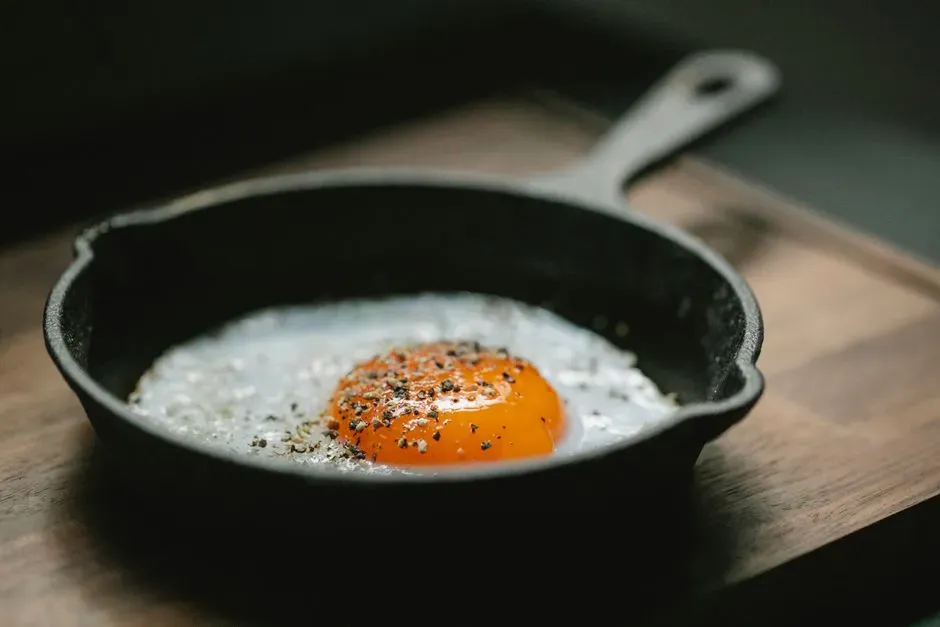
If your parents or grandparents had a well-worn cast iron skillet, you know how much they swore by it. Boomers used cast iron because it was durable, versatile, and got better with age. That philosophy resonates strongly with a generation that’s grown skeptical of disposable, trend-chasing consumer goods.
Classic wooden cutting boards and cast-iron pans are making a comeback, with many preferring these timeless pieces over mass-produced alternatives. This shift reflects a desire for authenticity and durability in kitchen tools. Vintage enamel cast iron cookware, like pieces from Le Creuset from the 1960s and 1970s, has already survived decades of use and will probably outlast most things in a modern kitchen. Vintage pieces often feature unique colors no longer in production, and the enamel cast iron construction distributes heat in a way that affects how food actually tastes.
Kitschy Collectibles and Display Cabinets
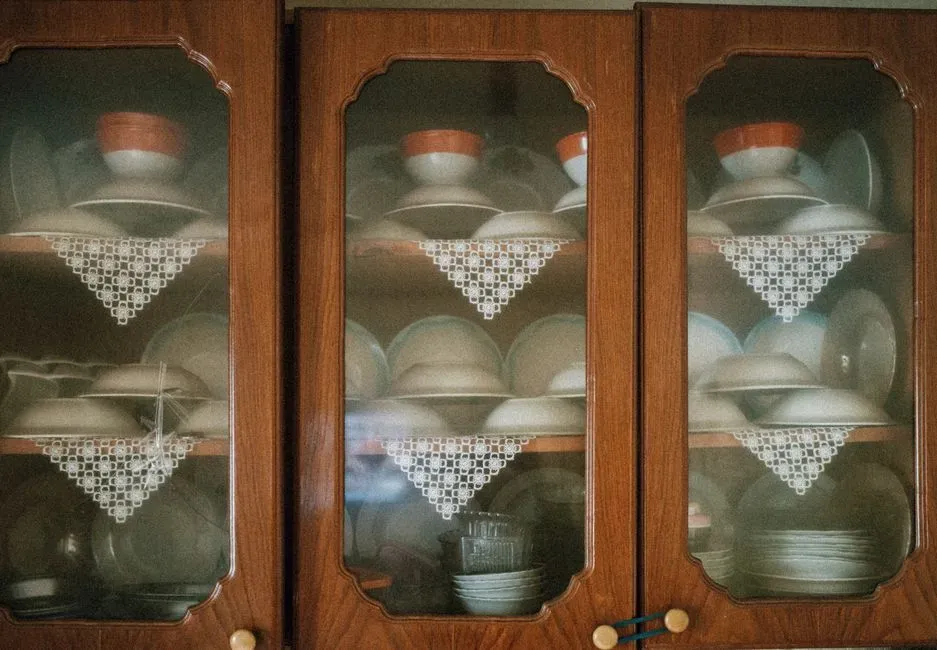
Advertising boomed in the mid-century, giving rise to fun, quirky, and sometimes cheesy collectibles from big companies. While it may have felt like an outdated, cluttering trend of bygone eras, collectibles and memorabilia are making a big comeback through the lens of dopamine decor. While streamlined, minimalist decor has dominated design preferences in recent years, dopamine decor and the practice of collecting and displaying is sparking joy in a different way, igniting happiness through fun, kitschy things.
China cabinets were once a sign of a well-appointed dining room, filled with prized glassware and heirloom dishes. As open-concept living gained popularity, these cabinets were relegated to storage or abandoned altogether. Now, they’re back in style, reimagined as display shelves for curated collections. Whether it’s vintage glassware, travel mementos, or books, these cabinets are being used to add charm and personality to modern homes.
Handmade Textiles – Macramé, Embroidery, and Crochet
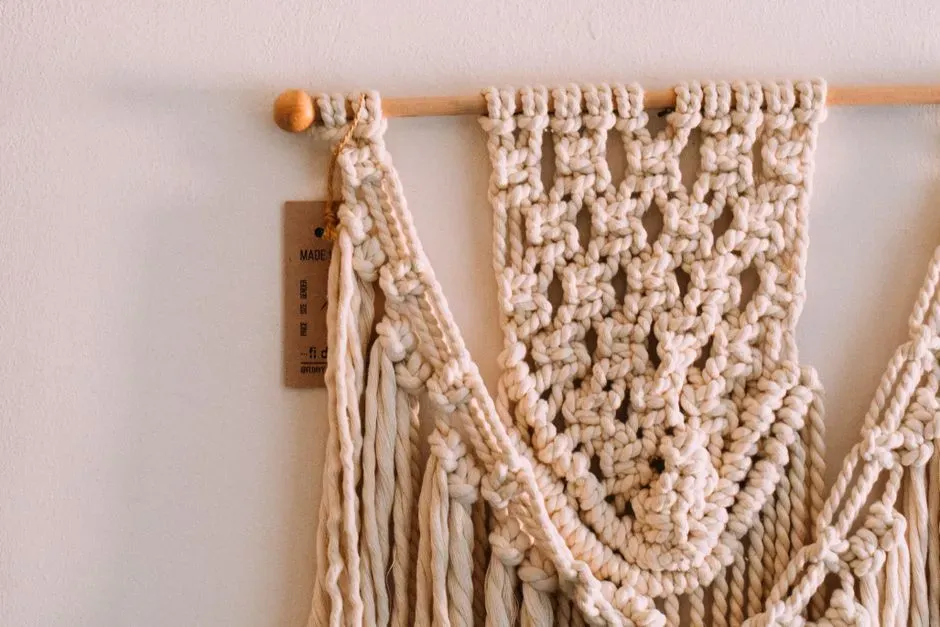
Handmade crafts like crochet and macramé were staples in boomer homes, adorning walls, furniture, and even plant hangers. While these pieces fell out of favor for a while, they’re making a comeback as part of the boho-chic movement. Today’s homeowners are using macramé wall hangings, crochet blankets, and handmade rugs to add texture and personality to their spaces. This trend also ties into the growing appreciation for artisanal, one-of-a-kind pieces that bring warmth and authenticity to a home.
Embroidery is popping up as a vintage throwback, popular among the cottagecore crowd. What makes this nostalgia-core in particular is that warm feeling you get when surrounded by embroidered throws – it’s like being back in grandma’s house, but perhaps a touch classier and a little more elevated for the Gen Z home. The 2026 Creativity Trend Report from Michaels reveals that searches for analog activities such as knitting and painting have increased by well over a hundred percent. People are making things again, and finding real satisfaction in it.
Maximalist Color Palettes
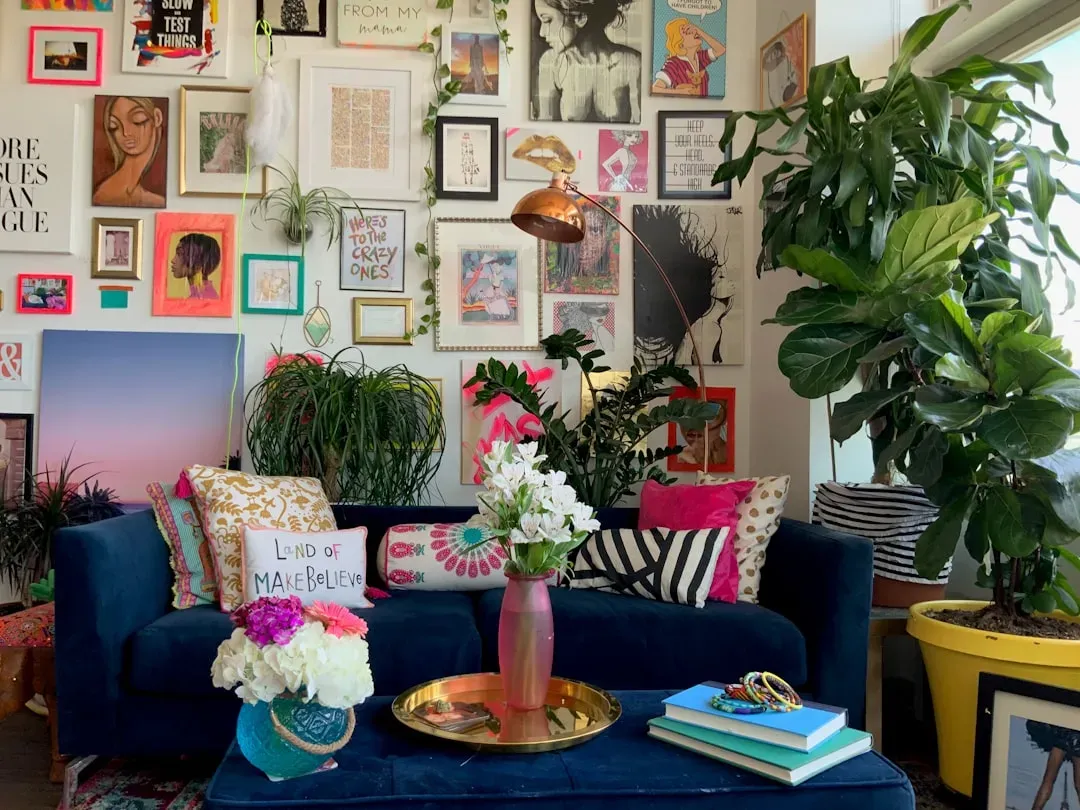
Gen Z’s influence is leading to a shift towards intentional maximalism, curation, and nostalgia, directly contrasting the minimalism and neutral tones that previously dominated interior design. The era of greige walls may genuinely be behind us. Gone are the days of modern, austere neutrals. The nostalgic trend instead focuses on bright maximalist colors of mid-century palettes, bold neons of the 1990s, and the deep jewel tones of Victorian decor. Powerclashing, a term borrowed from fashion, describes purposefully clashing big, bold colors to create a vibrant room-scape.
The mid-century was a maximalist’s decor paradise, and even though furniture got sleeker over the decades, loud and bold decor was never truly sidelined. Funky mid-century prints and patterns with geometric shapes and psychedelic curves were all the rage. Today, Gen Z is bringing the funk back with similar prints on textiles and wallpaper. There’s a certain confidence to it – a willingness to commit to a room that says something, rather than a room that says nothing at all.
What’s happening here is more than aesthetic cycling. Social media platforms like TikTok play a crucial role in amplifying this trend, transforming personal memories into shared, searchable experiences. Brands are leveraging nostalgia to create deeper emotional connections with consumers, offering a sense of rootedness amidst rapidly evolving trends and technologies. For a generation that came of age entirely online, the tangible, the handmade, and the worn-in carry a weight that a perfectly curated digital feed simply can’t replicate. Grandma’s house, it turns out, had more going for it than anyone gave it credit for.

Leave a Reply