
There’s a certain social contract most of us quietly honor: we notice things about the people we love, and we say nothing. Not out of cruelty, but out of care. Some observations feel too personal, too uncomfortable, or simply too hard to frame without causing offense. The habits that come with aging often fall squarely into that category.
The truth is, many of these behaviors creep in so gradually that the person experiencing them is the last one to notice. Friends bite their tongues, adult children change the subject, and the habit quietly solidifies. Here are nine of the most common ones that people around you almost certainly see – but will probably never bring up.
1. Repeating the Same Stories Without Realizing It

Repeating the same story over and over, or asking the same question across days or even weeks, is a well-recognized age-related pattern. It’s usually connected to mild forgetting or to a very human need to feel connected and validated. The person telling the story doesn’t experience it as repetition – to them, it feels fresh and worth sharing every time.
There’s a deeply human need to make sense of what has happened in one’s past. Added years give us a chance to reflect on our history from a distance, and recounting old stories is one way many seniors work through that process. Still, when the same anecdote appears three times in one dinner conversation, the people at the table are keeping a quiet tally they’ll never show you.
2. Turning the TV Volume Up Way Too Loud
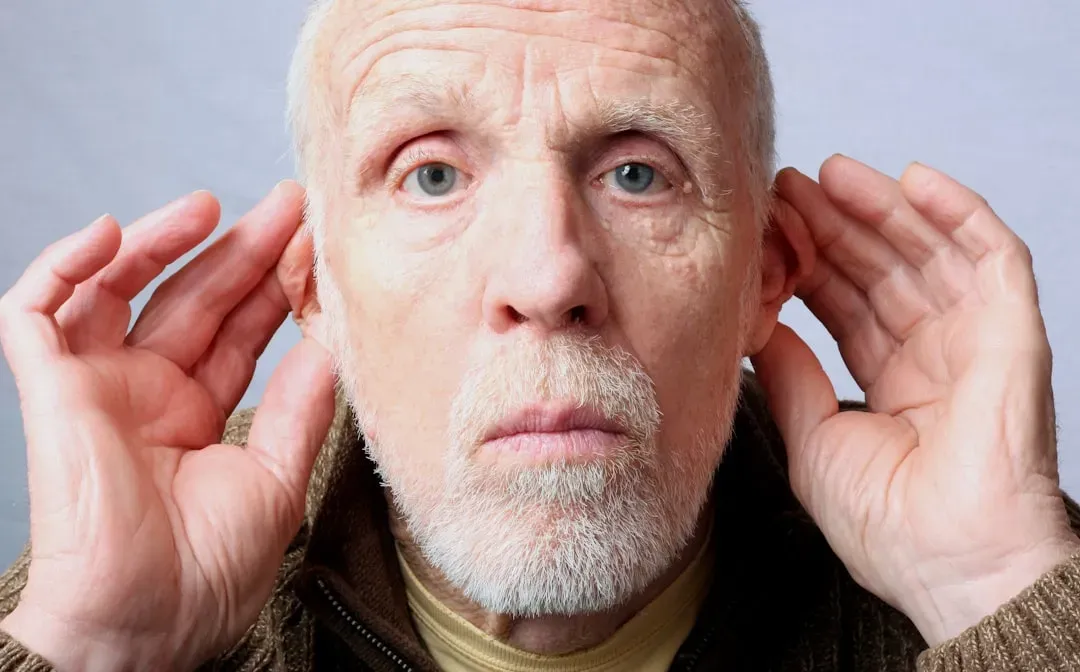
In old age, hearing often becomes impaired for various reasons. When this happens, it can lead to frustration, and it can cause older adults to gradually withdraw from social gatherings to avoid the effort of straining to hear. A less visible side effect is that the television volume creeps upward, week by week, until it’s rattling the walls of the next room.
Mild hearing loss triples the odds of perceived memory decline, so getting a hearing assessment should be an early priority. The challenge is that hearing loss tends to happen so incrementally that most people genuinely don’t register how loud things have gotten. Family members, meanwhile, are reaching for their earplugs.
3. Driving Far Too Slowly or Avoiding Certain Roads Entirely

Older drivers who are aware of their declining functions tend to adopt a cautious driving style to compensate for their declining abilities. This shift is largely self-protective and completely understandable. The issue is that others in the car – or trailing behind on the highway – often notice the change long before the driver acknowledges it themselves.
Subtle changes in everyday driving habits may be early warning signs of brain changes and higher dementia risk, even before traditional memory and thinking symptoms appear. Research has uncovered a notable disparity between older adults’ self-perceived driving skills and the challenges they actually face, particularly those caused by age-related limitations such as vision and memory decline. It’s one of those gaps that passengers notice long before the driver does.
4. Talking to Themselves Out Loud More Often

With older adults, certain life factors – like retirement, reduced social interaction, or more time spent alone – can increase the habit of speaking aloud. Older adults might talk to themselves for a variety of reasons, including managing daily tasks and using speech as a tool for clarity or focus. Narrating the morning routine or muttering through a grocery list out loud is genuinely helpful as a cognitive strategy.
Self-talk happens when a person speaks thoughts, plans, or feelings aloud. These aren’t conversations meant for someone else – they’re more of an expression of what’s on the speaker’s mind. It can catch family members off guard, especially when they walk into a room mid-monologue, but more often than not it’s a perfectly normal coping tool rather than a cause for alarm.
5. Becoming Noticeably More Rigid About Routine
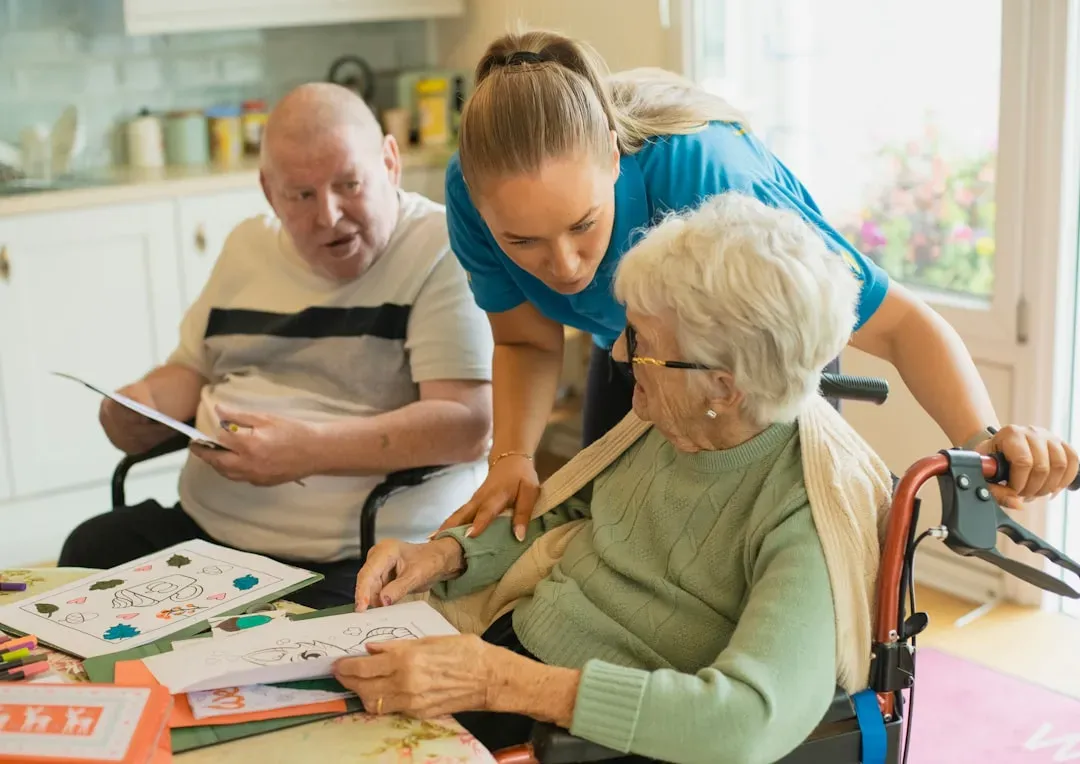
Older adults often become more cautious, frequently avoiding unnecessary risks. This behavior may arise from a need to maintain safety and well-being, and some seniors show a stronger preference for routine while becoming less interested in spontaneous socializing. The person living it doesn’t experience this as rigidity – they experience it as preference, comfort, and control over a world that can otherwise feel increasingly unpredictable.
Aging brings physical, psychological, and emotional changes in seniors, some of which can impact behavior. Many of these shifts are generally considered normal as long as they don’t interfere with daily life or relationships. Still, the people around you notice when plans can no longer flex around your lunch schedule, or when changing a reservation causes visible stress that seems disproportionate to the disruption.
6. Losing Track of Time Mid-Conversation

Mild forgetfulness is common with age. Seniors may misplace keys, glasses, or a phone occasionally, take longer to recall names or dates, and need more time to process information. That processing gap often shows up in conversation as a kind of pause or drift – a moment where the thread of what was being said seems to slip away before it’s caught again.
Forgetfulness and moments of memory lapse are common signs of aging. Some examples include misplacing things, missing an appointment, or occasional trouble finding words that are “on the tip of the tongue” during a conversation. The people listening politely fill in the blanks, finish the sentence in their heads, and wait. Nobody says anything. It’s an act of quiet kindness that happens dozens of times a day in homes across the world.
7. Withdrawing from Social Situations Without Explaining Why

Withdrawing from others and showing a lack of interest in things once enjoyed are telltale signs of isolation and loneliness. Others may notice more frequent napping or long stretches of passive television watching. What doesn’t always get said is that this withdrawal often isn’t conscious. It tends to happen gradually, as social outings start feeling more draining than rewarding.
Declining health paired with a disability or limited mobility can cause an older adult to feel like an inconvenience to others. Because of this, it is common to isolate oneself, which can lead to loneliness and eventually depression. The people who love them notice the empty chair at Sunday dinner, the declined invitations, the phone calls that get shorter. They worry. They just don’t always know how to say it.
8. Commenting on Physical Discomforts Constantly Without Seeking Help

Some signs of aging are subtle, like a slight change in the taste of certain foods. Others are more noticeable, like recurring aches and joint pains. What tends to puzzle the people nearby is a specific pattern: the aches are mentioned repeatedly, often in detail, yet a doctor’s appointment to address them is quietly avoided or indefinitely postponed.
Health conditions like chronic pain, sleep disturbances, or illness can cause changes in behavior. Medications prescribed to manage these conditions may also have side effects that affect mood or behavior. This creates a loop that’s hard for outsiders to interrupt. The complaints are real, the reluctance to address them is real, and the family watching from the sidelines often feels helpless to break the cycle without overstepping.
9. Becoming More Emotionally Reactive or Easily Irritated
Agitation and anxiety commonly increase with age and can cause noticeable personality changes. Older adults might feel more nervous or on-edge than they used to, or get frustrated more easily. A situation that would have rolled off a person’s back in their fifties can feel genuinely upsetting in their seventies, and the emotional response is often proportionate to how things feel internally – not to how things look from the outside.
Sudden anger, frustration, or increased suspicion can be linked to several causes, including cognitive changes, medication reactions, and emotional distress from loneliness or depression. The people around aging adults often absorb these flare-ups without comment, chalking it up to a bad day or a difficult stage of life. What they rarely say is that the shift has become consistent, predictable, and worth a conversation – ideally with a doctor.
None of these habits appear overnight, and none of them are cause for embarrassment. They’re part of a slow, deeply human process that every person who lives long enough will move through in some form. The reason nobody mentions them isn’t indifference – it’s that love frequently shows up as patience, and patience is often silent. If some of these descriptions feel familiar, it’s worth knowing that awareness itself is a kind of advantage. Most of the patterns described here respond well to simple attention, modest adjustments, and the occasional honest conversation with someone who actually wants to help.




Leave a Reply