
Most small bathrooms aren’t a lost cause. They’re just mismanaged. Cramped fixtures, dark paint, clunky storage, and poorly placed lighting all conspire to make a room feel even smaller than it actually is. The good news is that none of those problems require a sledgehammer to fix.
The changes that make the biggest perceptual difference are often the cheapest ones: a different tile orientation, a mirror hung a few inches higher, a vanity swapped for a floating version. What follows are nine adjustments that interior designers and renovation experts consistently recommend for small bathrooms, grounded in how the eye reads space rather than how many square feet are actually there.
1. Switch to a Floating Vanity
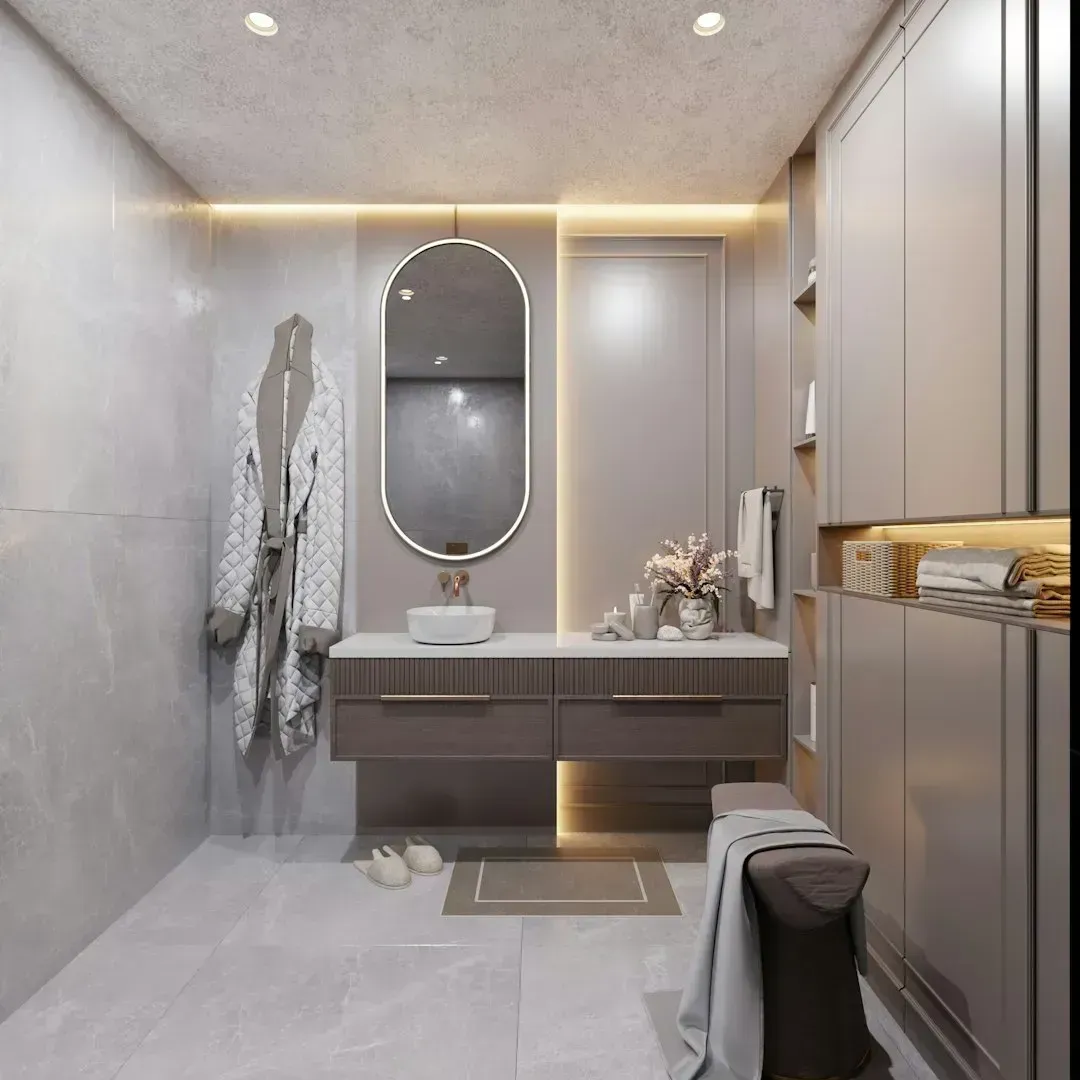
A wall-mounted vanity creates the illusion of more space by floating off the floor, making cleaning easier and giving the bathroom a clean, considered finish that reads as intentionally designed. The visual trick is simple: when you can see floor beneath the cabinetry, the room reads as larger because the sightline travels further before hitting a hard stop.
Floating vanities are very much in style in 2026, with their minimalist design creating a sense of spaciousness and clean lines. The wall-mounted vanity trend has evolved from a fad to a staple in contemporary bathroom design, especially appreciated for its space-saving qualities and ease of cleaning underneath. If you need storage, slim drawers mounted at eye height or a small recessed niche keep things tidy without eating into floor space.
2. Go Oversized With Your Mirror
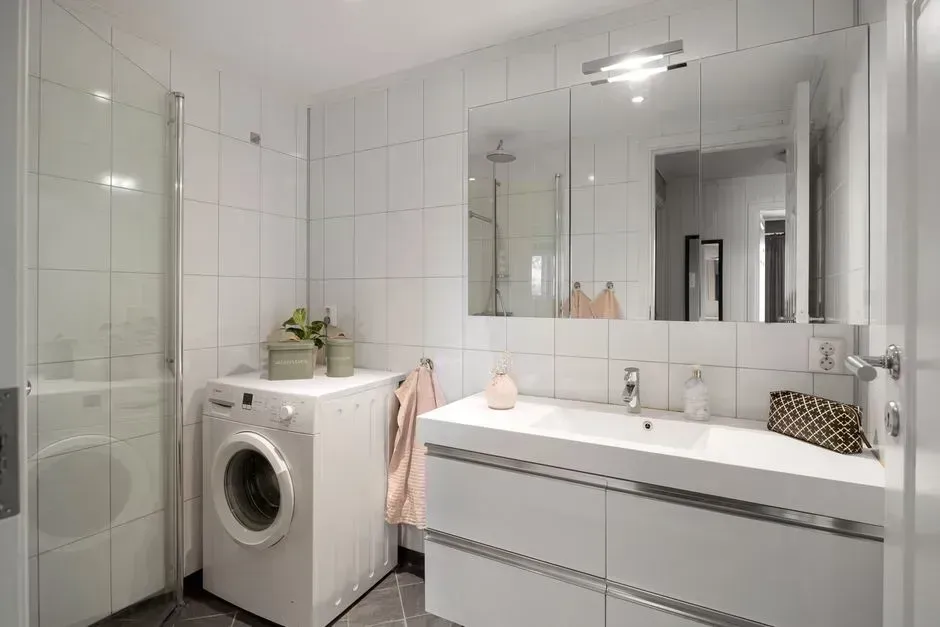
A mirror is an easy way to add the illusion of depth. An oversized mirror can make walls “disappear,” making the bathroom feel larger than it is, while also reflecting light to make the small bath feel brighter and lighter. The common mistake is hanging a mirror that’s too small for the wall, which actually makes the room feel more compressed rather than expansive.
The correct mirror size can harness the power of natural light, helping to brighten up the bathroom space. A strategically placed mirror can reflect sunlight streaming in through windows, amplifying its effect and making the room feel more inviting and spacious. In smaller bathrooms, this reflection of natural light can create the illusion of a larger, airier space, enhancing the overall ambiance. For the biggest impact, hang the mirror opposite a window or light source rather than just above the vanity.
3. Lay Large-Format Floor and Wall Tiles
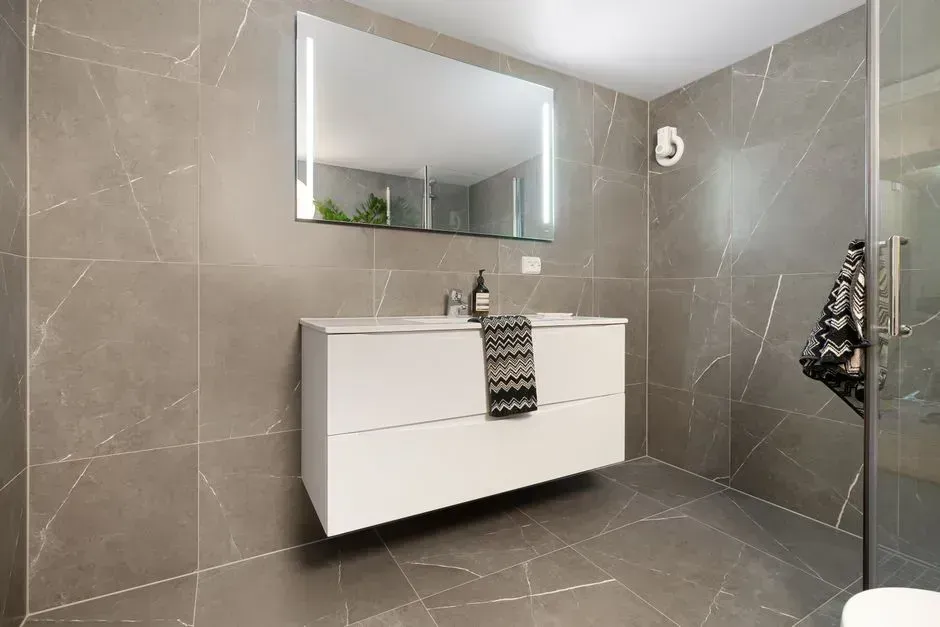
Tiles play a much bigger role in how a bathroom feels than most people give them credit for. Larger-format tiles tend to suit smaller bathrooms because they reduce the number of grout lines, creating broader, quieter surfaces that allow the eye to move more freely across walls and floors. Fewer lines mean fewer visual interruptions, which is exactly what a tight space needs.
Small bathrooms thrive on light, and glossy tiles are particularly effective for creating a bright, airy feel, reflecting light to make the room feel spacious and luxurious. If you’re committed to a smaller tile format in the shower enclosure, pair it with large-format tiles on the main floor to balance the visual weight across the room.
4. Install Vertical Tile to Pull the Eye Upward
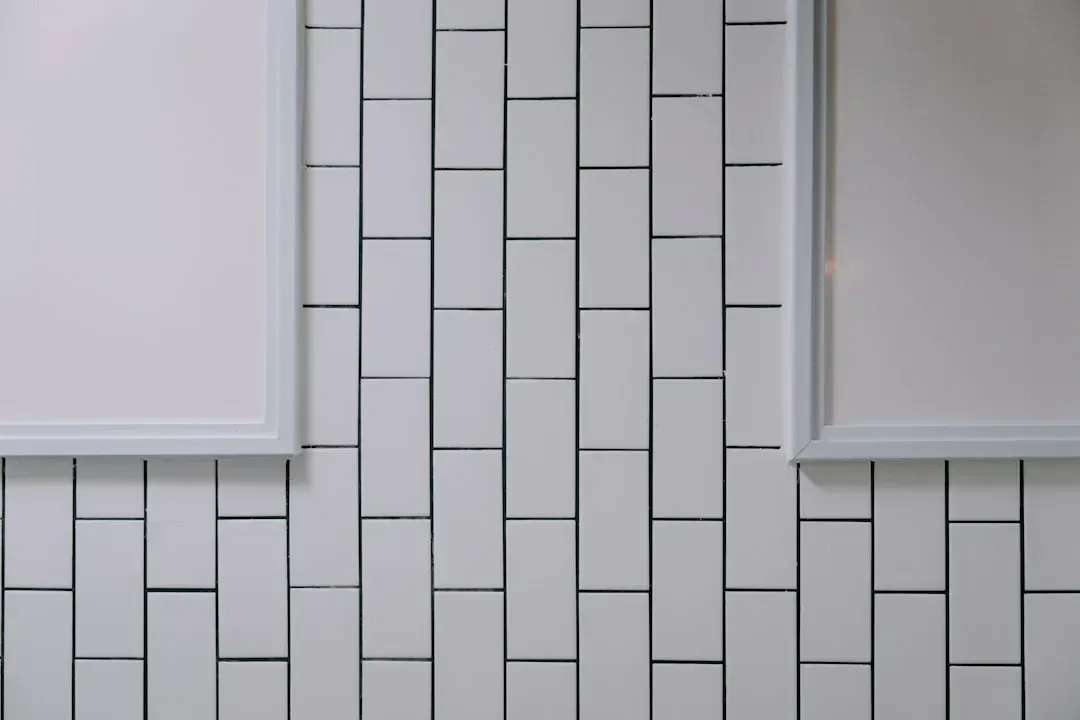
Installing tile in a vertical pattern draws the eye upward, and this subtle shift makes ceilings appear taller and gives the illusion of more space. Vertical subway tile is a classic, timeless option that works with nearly any aesthetic. It’s one of the few layout choices that costs exactly the same as horizontal but delivers a meaningfully different spatial result.
If you’re dealing with a low shower ceiling, consider extending the tile to cover overhead. Using tile throughout a shower, including the ceiling, makes the small space feel larger, and the vertical stack provides the illusion of height. This works especially well in narrow bathrooms where the ceiling height is the room’s only generous dimension.
5. Paint the Ceiling the Same Color as the Walls
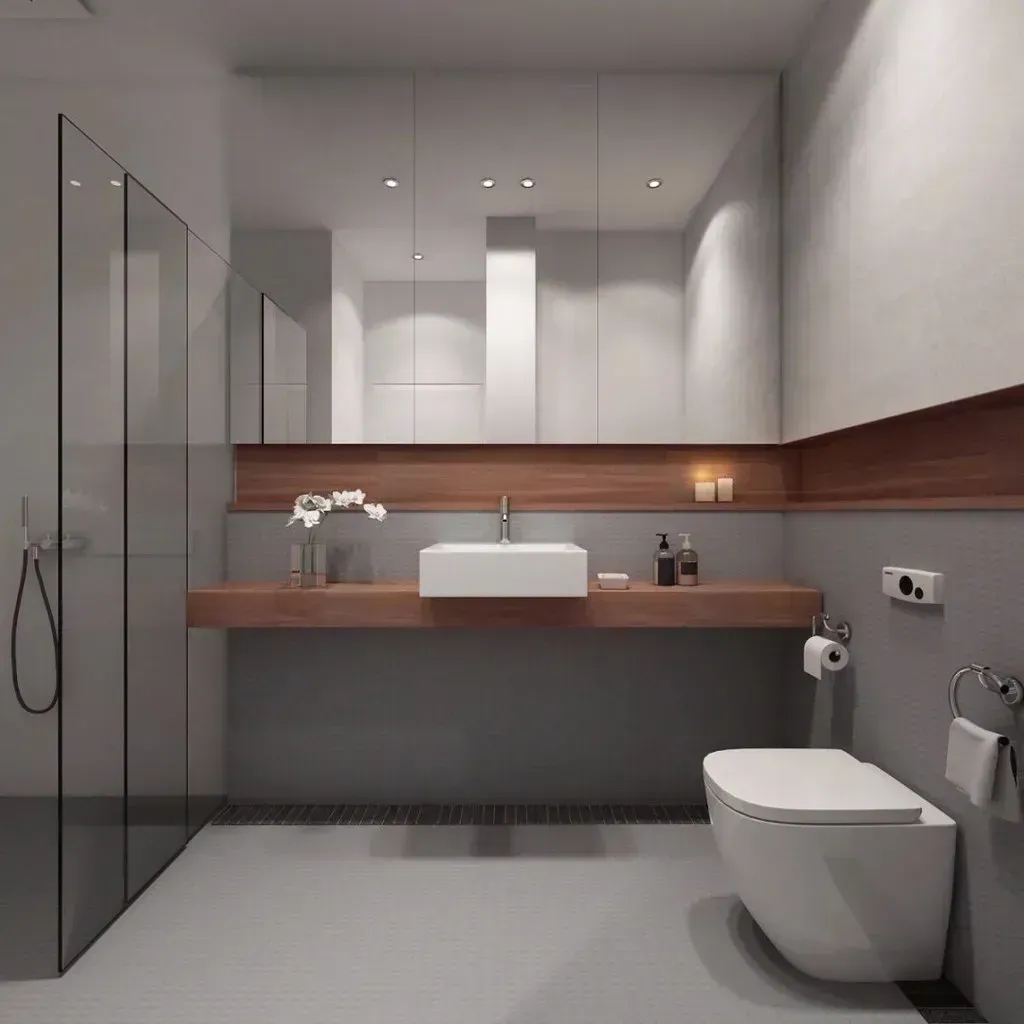
If your bathroom has an average height or lower ceiling, avoid painting the ceiling white. It may seem counterintuitive, but painting the ceiling the same color as the walls, or even a darker color, will visually elongate the ceiling height, making it seem taller. White ceilings create a sharp horizontal cut that the eye reads as a low lid pressing down on the room.
A painted ceiling can visually expand the height of a small room and wrap the space in a cocoon of color. This approach, sometimes called color drenching, works because it removes the visual break between wall and ceiling, making the room feel like one continuous, enveloping space rather than a box with a lid on it. The technique costs nothing beyond an extra can of paint.
6. Use a Light, Cohesive Color Palette Throughout
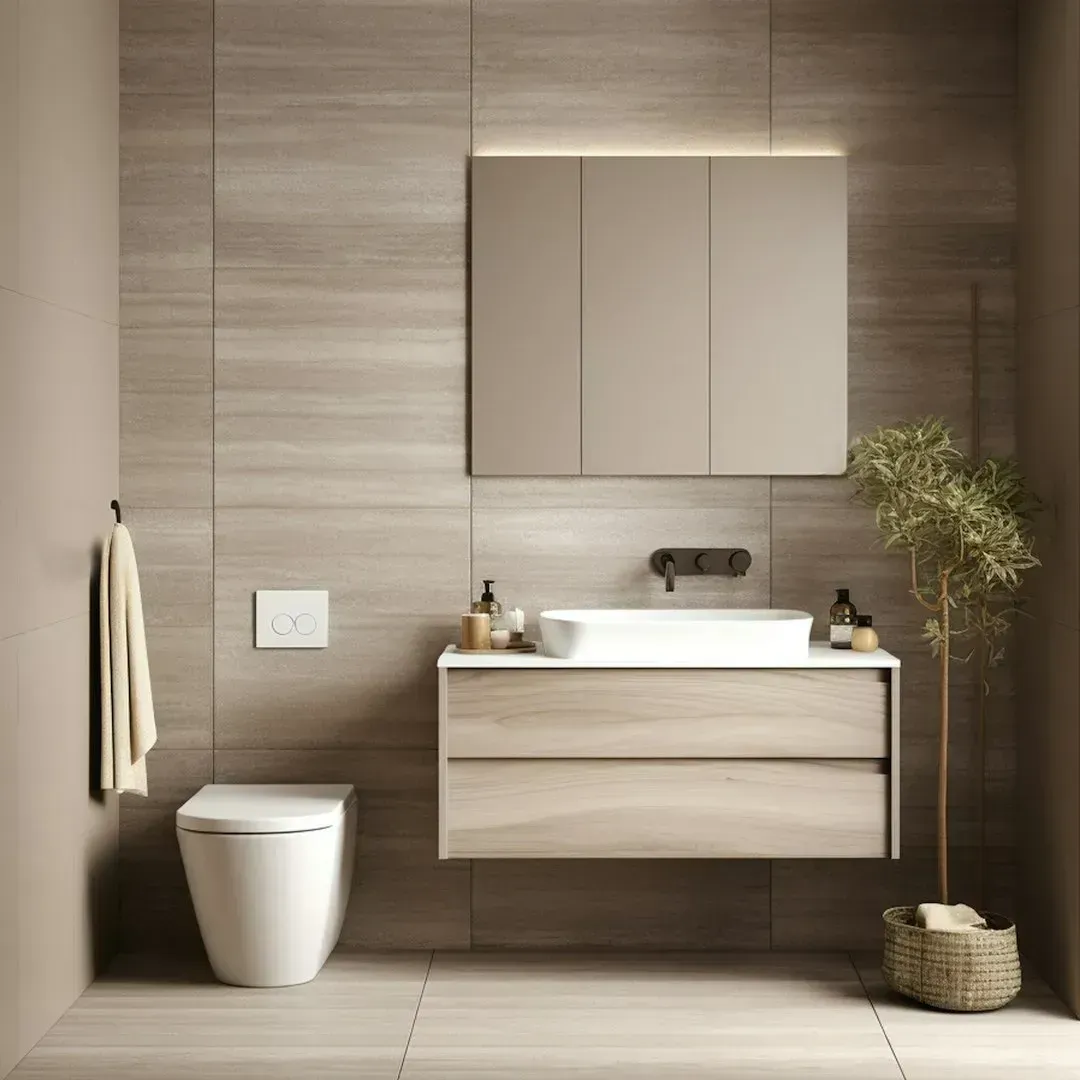
White immediately makes any space feel larger and lighter. For a modern small bathroom, choosing a semi-gloss or gloss finish reflects light and will amp up the brightness level significantly. The key word is cohesive. When walls, trim, fixtures, and floors all pull from a similar tonal family, the eye doesn’t snag on contrasting boundaries and the room feels unified and open.
A single color palette can do wonders in small spaces. Shades like white, beige, or light grey keep the look clean and uncluttered. That doesn’t mean the space has to feel sterile. Texture is your tool here: a slightly rough stone tile, a woven cotton mat, or a matte-finish vanity all add visual interest without introducing the busy contrasts that shrink a room.
7. Replace a Shower Door With a Glass Panel or Curtain
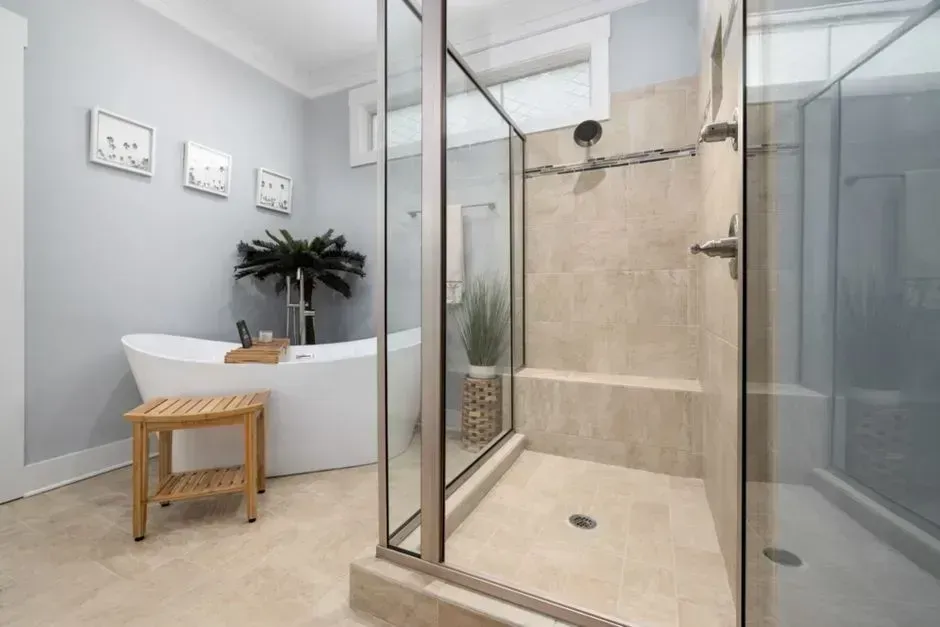
In tight conditions, consider a glass panel instead of a glass shower door. It keeps most of the water in the shower and frees up needed elbow room. A hinged door swings inward or outward, stealing functional space in a room that may only be five feet wide. A fixed panel or a frameless sliding alternative eliminates that problem entirely.
A shower curtain that moves back and forth saves space over a glass door that moves in and out. If a frameless glass panel is outside the budget, a light-colored curtain hung close to the ceiling on a ceiling-mounted rod achieves a similar spatial effect at a fraction of the cost. The height of the rod is what matters most: the higher it sits, the taller the room appears.
8. Add a Recessed Medicine Cabinet for Hidden Storage
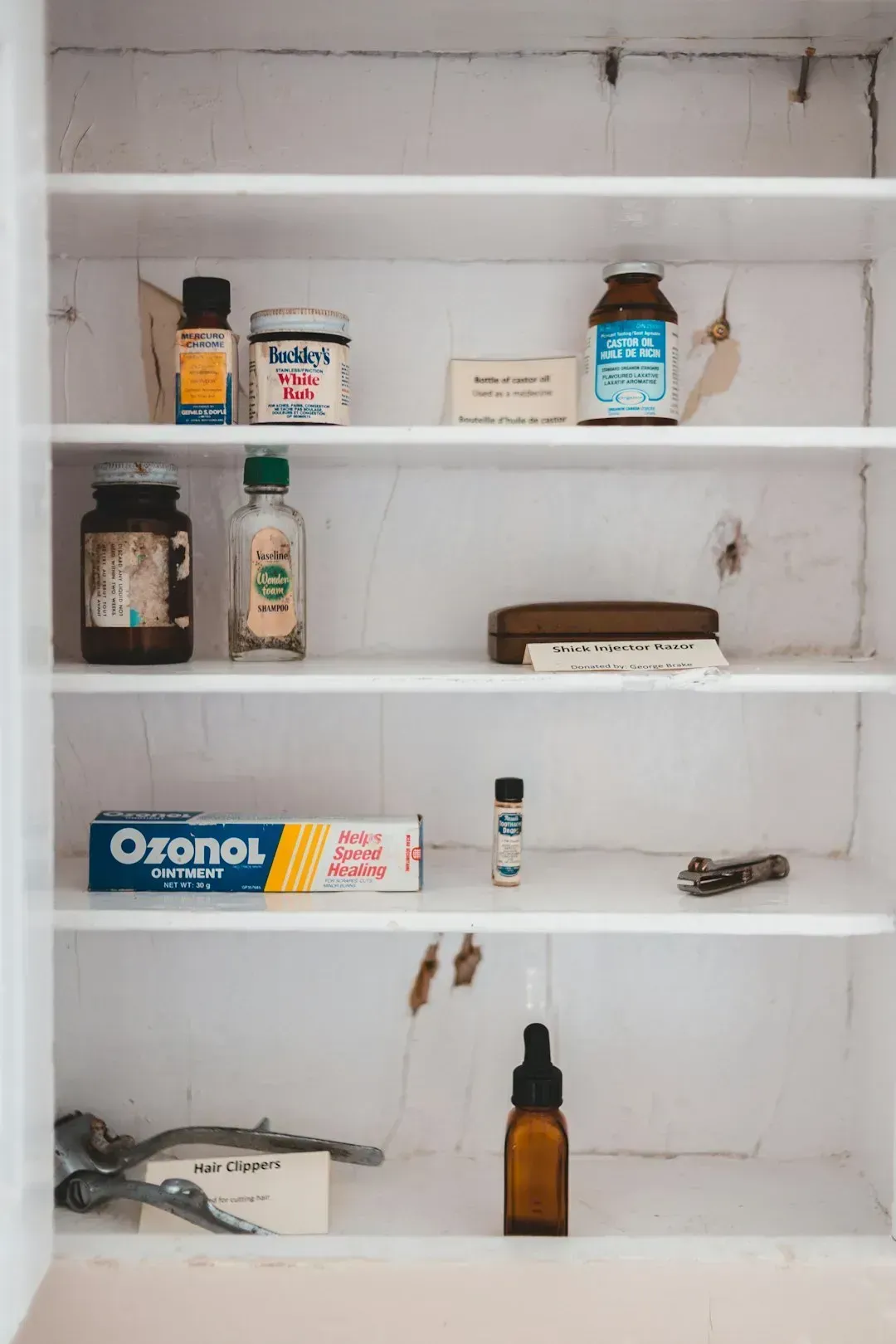
The sense of space depends not only on light reflection but also on the visual clarity of the space. Messy skincare products, toothbrushes, and razors on the bathroom countertop act as visual noise. A medicine cabinet stores these items invisibly, freeing up countertop space. A clear counter reads as a larger counter, which in turn makes the whole room feel roomier.
A backlit mirror creates a minimalist touch to modern bathrooms. Not only does it serve as ambient and task lighting, but it also removes the need for wall sconces that can make the space feel somewhat cluttered. It also leaves wall space for shelving if you’re tight on room for storage. Recessed cabinets and backlit mirrors can even be combined into a single unit, which is one of the more efficient moves available in a small bathroom remodel.
9. Layer the Lighting Instead of Relying on One Overhead Fixture
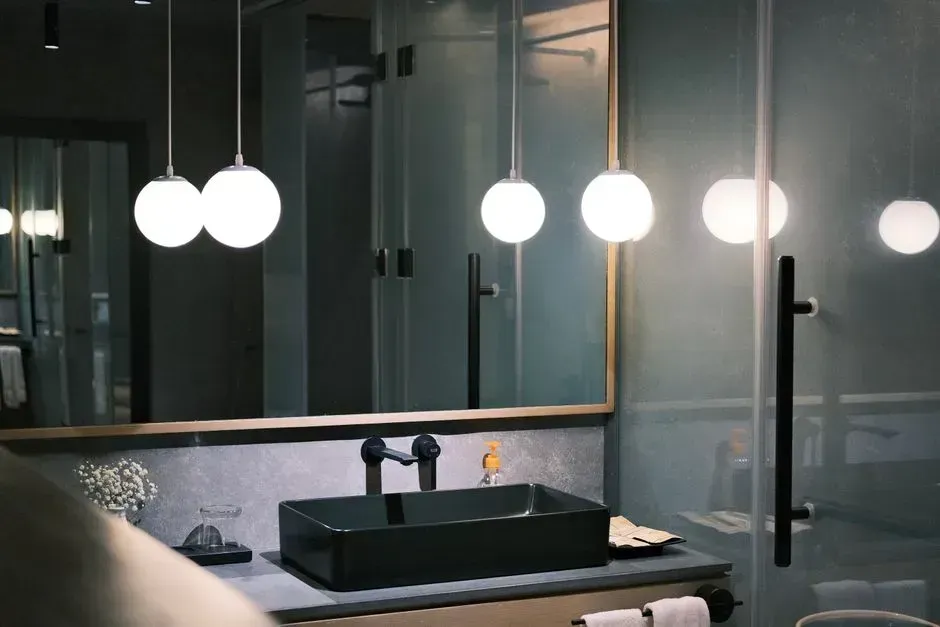
Layered lighting, including overhead, vanity, and even accent lighting, can brighten dark corners and instantly expand the feel of the room. A single ceiling fixture leaves the corners of the room in shadow, which the brain interprets as walls closing in. Adding a second light source, even a simple plug-in sconce or an illuminated mirror, eliminates those dark zones and makes the room read as larger.
Lighting plays a key role in the functionality and ambiance of a bathroom. Incorporating layers of light with fixtures such as LED bathroom vanity lighting can create a bright, welcoming environment while highlighting the vanity area effectively. The most efficient single upgrade here is swapping a standard bathroom mirror for a backlit LED version. It adds task lighting exactly where it’s needed, bounces light off the wall behind, and does double duty as a design feature that makes the room feel considered rather than cramped.
None of these nine changes require a building permit, a structural engineer, or weeks of construction disruption. Most of them can be done room by room, budget permitting, with each one building on the last. A floating vanity opens up the floor. An oversized mirror doubles the perceived depth. Layered lighting fills the corners. Together, they shift how the room feels more than any single square foot of added floor space ever could.


Leave a Reply