
Sit down at a table with a baby boomer and within the first ten minutes, you’ll hear it. Some remark about the portion, a comparison to how something used to taste, or a question nobody under forty would think to ask. It’s not rudeness. It’s not even habit, exactly. It’s the language of a generation shaped by diner booths, family casseroles, and a food culture that treated meals as serious, communal business.
These phrases carry the full weight of a generation raised on predictable menus, laminated prices, diner-booth intimacy, and a service culture that treated the customer’s comfort as the organizing principle of the meal. That world is largely gone, but the language stuck. Here are nine phrases that give it all away.
“Got Any Specials?”
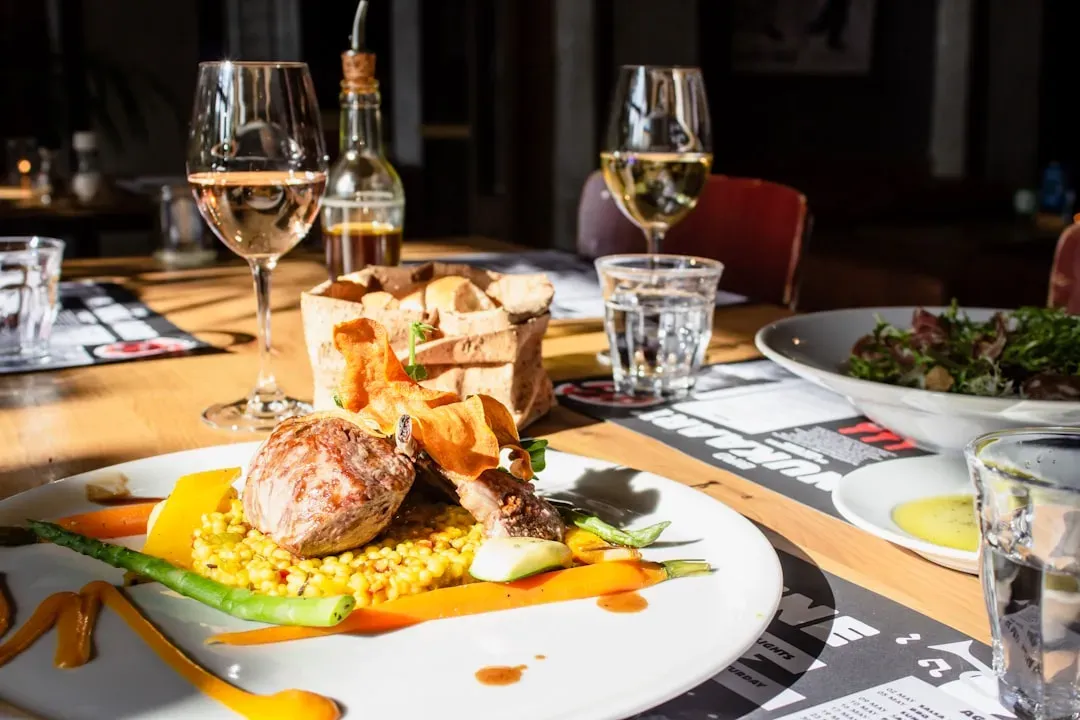
This question often arrives early in the ordering process, sometimes even before menus are in hand. For boomers, a generation hyper-focused on value and getting the biggest bang for their buck, discovering a daily special that could shave a few dollars off the bill is genuinely exciting. It’s practically a reflex at this point.
This one comes out like clockwork, even if the chalkboard is two feet away. It tells you they were raised to ask a real person for the inside track and to respect the ritual of the server sharing the highlights. They learned that a meal begins with conversation, not just selection. Younger diners have already scrolled through the menu online before they walked in the door.
“That’s Not How It’s Supposed to Taste”
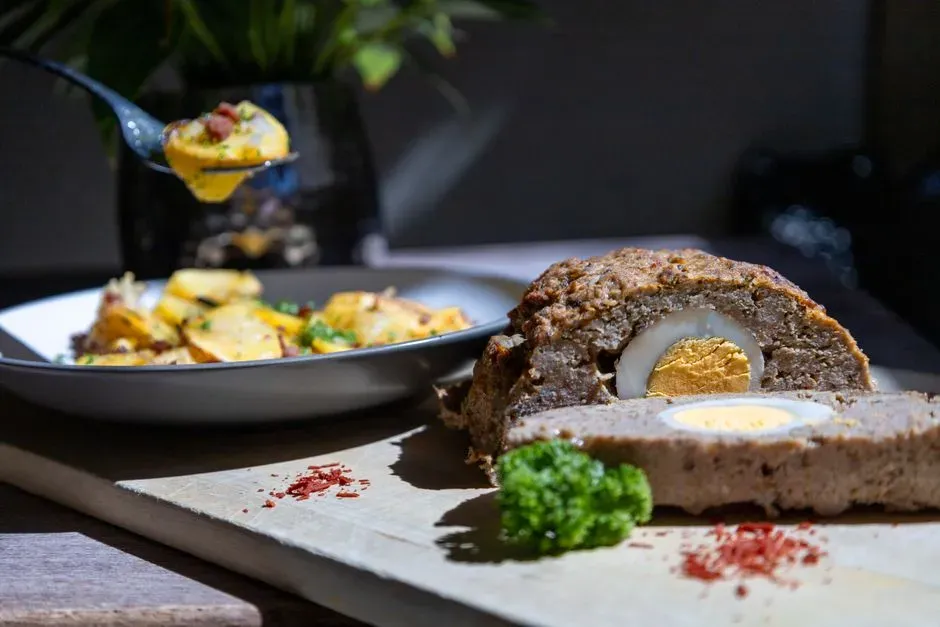
When a boomer says this, they’re comparing the dish in front of them to a cherished comfort food memory bank built over decades. They’re not necessarily dismissing new or elevated versions of their favorites. They’re just verbally noting the difference, and perhaps giving themselves a moment to miss the way they remember their tried-and-true iterations prepared.
They grew up with scratch-made family recipes and classic comfort foods that didn’t change from week to week. When you’ve spent 60 years eating meatloaf the same way, even a slightly different version can feel like a personal betrayal. It’s nostalgia dressed up as food criticism, and it lands that way every single time.
“Are You Going to Finish That?”
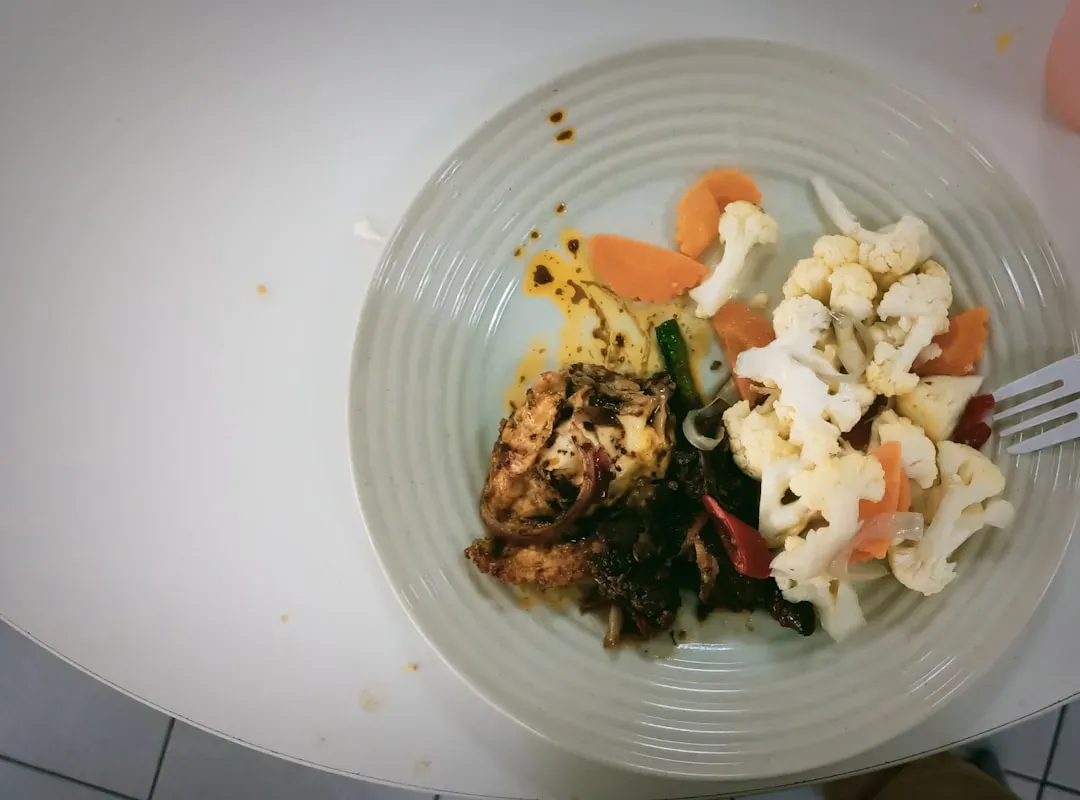
If a boomer leans over the table and asks if you’re going to finish your food, chances are it’s not just a curious inquiry. This is a genuine question that’s potentially just as loaded as that baked potato you ordered alongside your meal. The table goes briefly quiet. Younger diners blink.
Even though boomers themselves didn’t live through the Great Depression, the no-waste mentality was drilled in from an early age. Food was precious, and nothing edible was thrown away, ever. It makes sense that this question would surface instinctively, even in our modern age, where access to food is more abundant and portions are often significantly larger than in decades past.
“The Portions Are So Small Now”
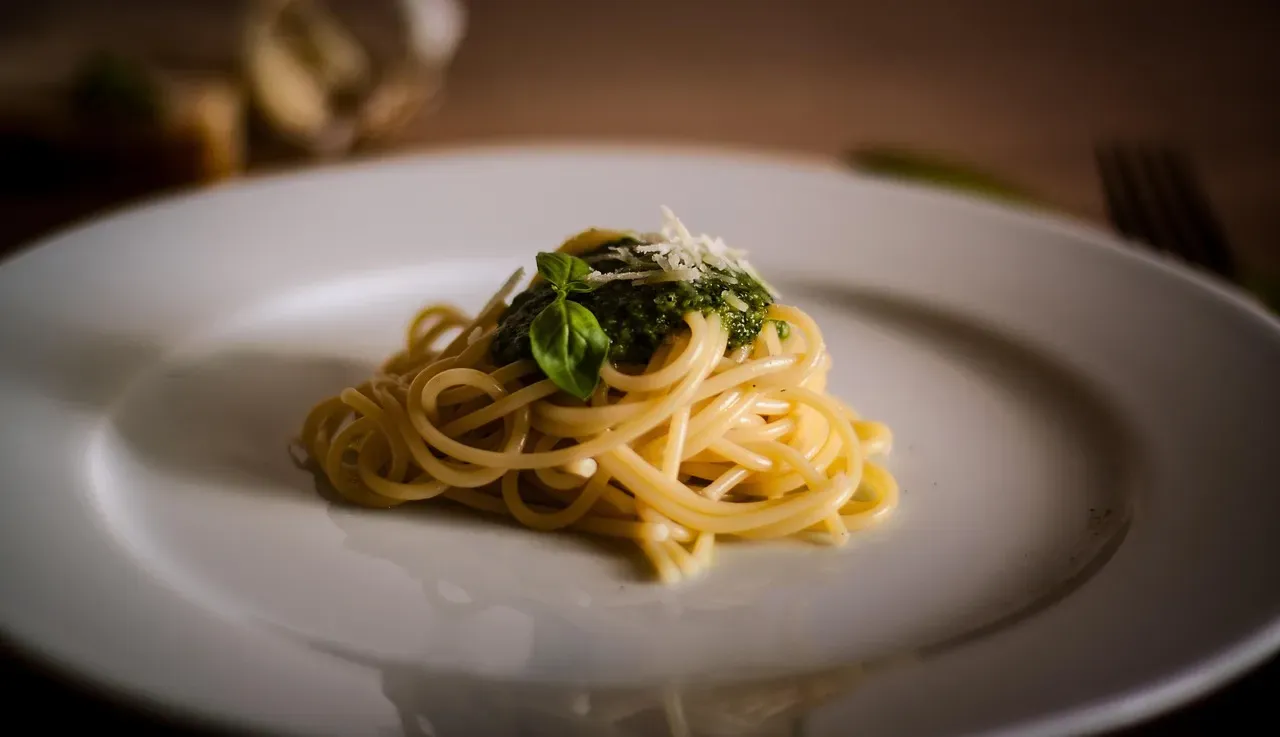
Portions did shrink while prices rose, partly because food costs increased and partly because shrinkflation is a documented industry practice. The boomer at the table is simultaneously right that the plate is smaller and right that it costs more. So the complaint isn’t entirely without merit, which makes it harder to dismiss.
Lunch at a diner in 1965 cost about $1.25. A comparable plate at an American casual dining chain today runs $17 to $22 before tax and tip. That’s a staggering jump in real terms. When a boomer looks down at their entrée and mutters about the size, they’re measuring it against a lifetime of very different expectations.
“I’d Like the Dressing on the Side”
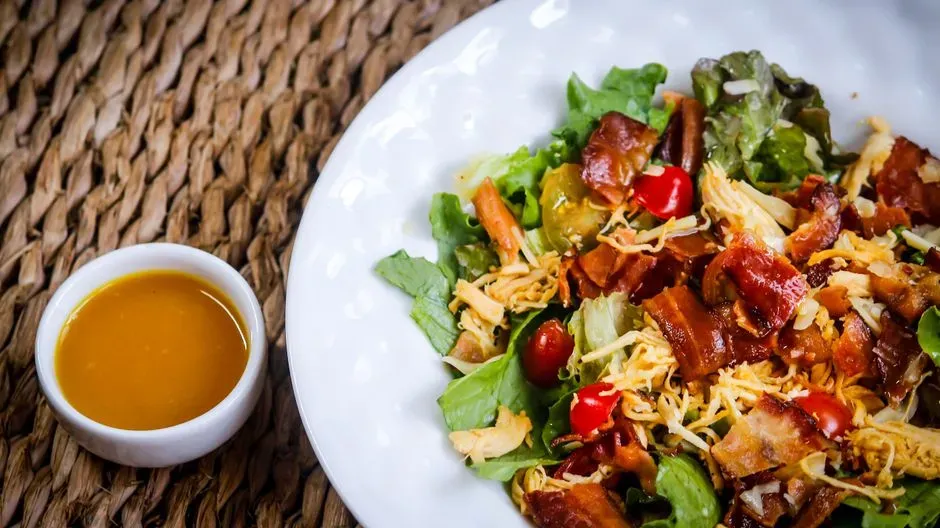
Requests like getting something without garlic, dressing on the side, or swapping fries for a baked potato are classic boomer moves. Boomers aren’t shy about tailoring their meal to fit their tastes or dietary restrictions. The level of specificity can genuinely impress or mildly exhaust a server, depending on the night.
This particular phrase reflects a generation raised to know exactly what they wanted and to ask for it plainly. Boomers look for both better-for-you fare and robust dishes with twists on tried-and-true favorites. They are not adventurous diners, but they do like creative classics. Customization was never about being trendy for them. It was just practical.
“Do You Have Regular Coffee?”
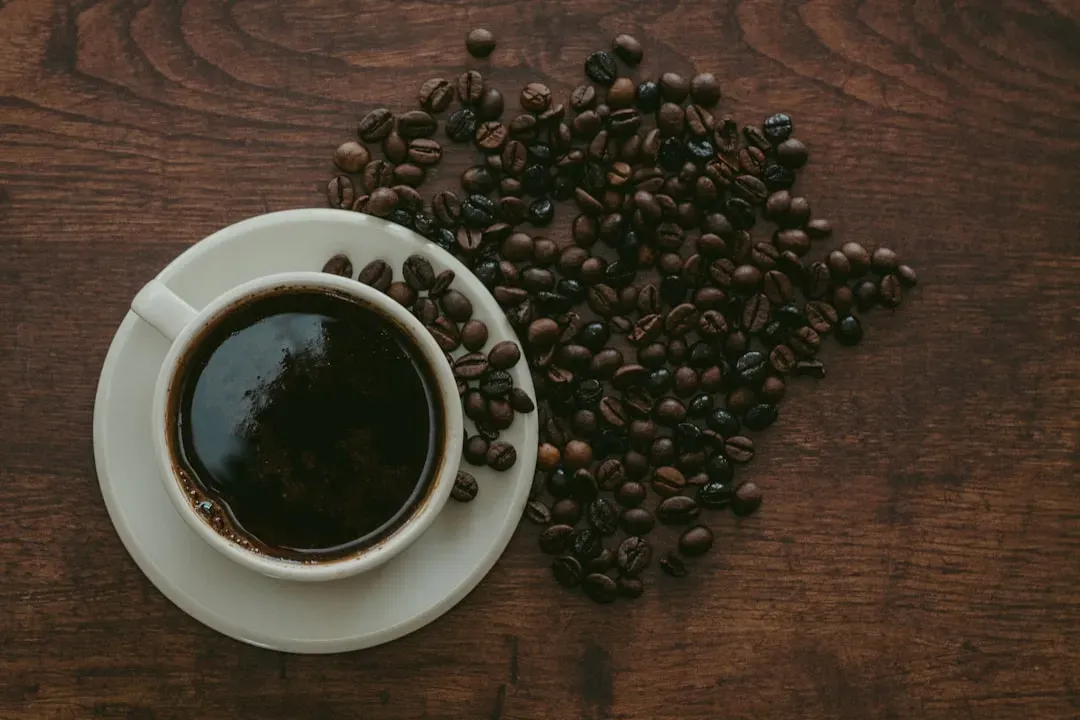
Espresso-based drinks entered the American mainstream dining scene as status objects before becoming preferences. For boomers whose coffee identity formed in the diner era, the foam, the micro-bubbles, and the ceramic tulip-shaped vessel are aesthetic impositions on a beverage that was perfectly functional in a porcelain mug. Filter coffee, the standard drip-brewed version boomers grew up drinking, has a different extraction profile than espresso.
Asking for “regular coffee” in a place that only does pour-overs or cold brew can produce a genuinely puzzled look from the barista. The request itself is a small time stamp. It signals someone who remembers when coffee was simply coffee, served hot, refilled often, and charged at maybe fifty cents a cup.
“This Reminds Me of What My Mother Used to Make”
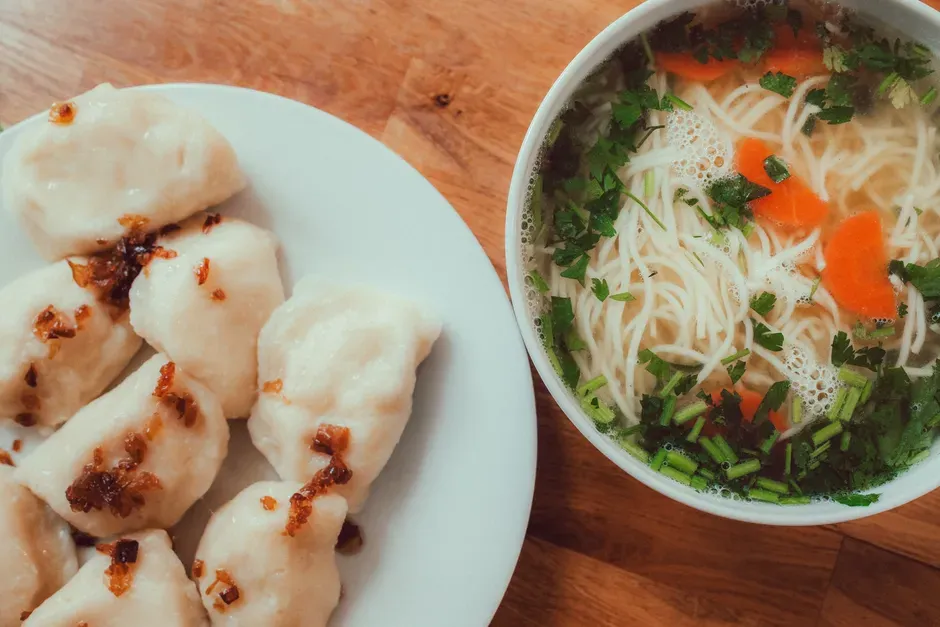
Certain comfort foods act like tiny time machines. They bring back places, people, and feelings with almost zero effort. For boomers, that pull is especially strong because so many of their formative meals were tied to ritual and routine rather than novelty. The comparison to Mom’s cooking comes out naturally, sometimes mid-chew.
For many baby boomers, home cooking carried a specific rhythm. There were routines around shopping, meal prep, and set meal times. Even if those routines were broken later in life, the original pattern can stay powerful. When a dish hits close enough to that memory, saying so out loud is practically involuntary.
“Fifteen Percent Is a Good Tip”

When a boomer declares “that’s plenty” after leaving 15% on the nose, they mean it sincerely. They just happen to be working from a playbook that hasn’t been updated since Reagan was in office. The intent is genuinely appreciative. The math is simply from a different era.
A nationwide 2025 poll of 2,005 Americans found boomers tipping an average of 16.4%, the lowest of any generation. Gen Z leaves 19.3% on average, nudged higher by tablet preset prompts and general awareness of what service workers actually earn. It’s one of those rare cases where the younger generation is spending more, not less.
“Food Just Tasted Better Back Then”
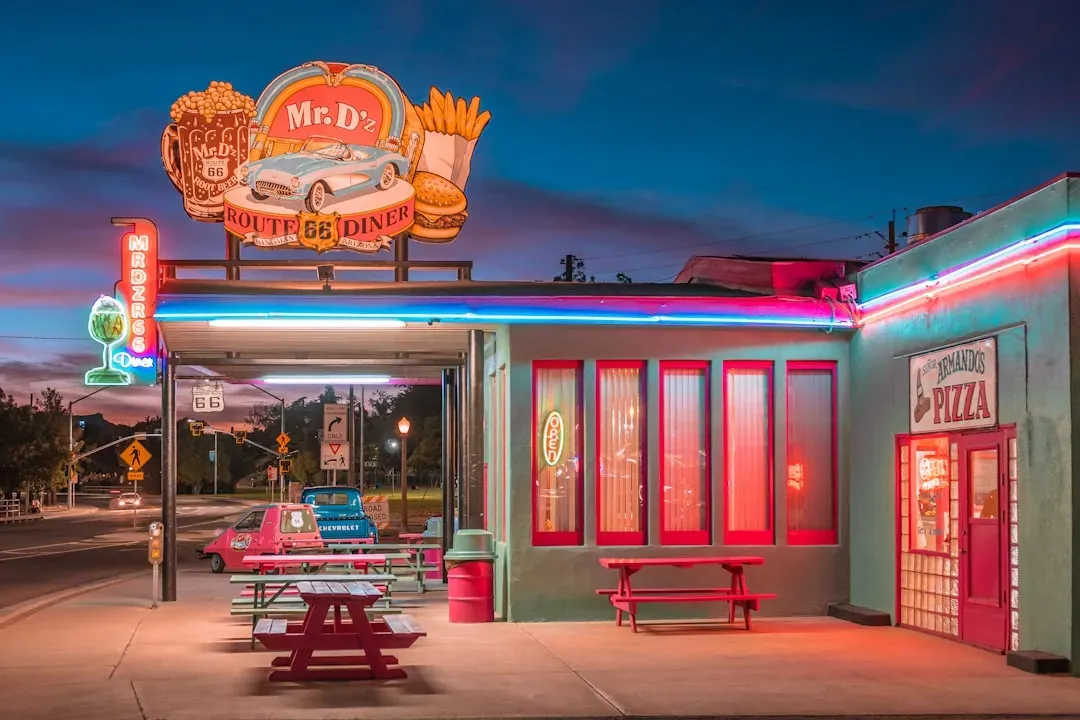
Ask anyone from the baby boomer generation about food, and you’ll probably hear the same thing: food just tasted better back then. Everything felt heartier, and gathering around the table was an everyday thing. Many of the dishes boomers remember most weren’t fancy, but they were dependable, budget-friendly dishes that showed up again and again.
None of these phrases exist in a vacuum. They carry the full weight of a generation raised on predictable menus, laminated prices, diner-booth intimacy, and a service culture that treated the customer’s comfort as the organizing principle of the meal. That world largely no longer exists, and the phrases persist anyway, sometimes as genuine grievance, sometimes as reflex. That last phrase might be the most honest summary of all of them.
The nine phrases above aren’t signs of stubbornness. They’re echoes of a food culture that was genuinely different, built on different prices, different kitchens, and different ideas about what a shared meal was supposed to feel like. Language always outlasts the world that created it, and at the dinner table, that gap between generations is never more visible than the moment someone says the food was just better back then.




Leave a Reply