
1. They have their ID and payment card out before reaching the desk
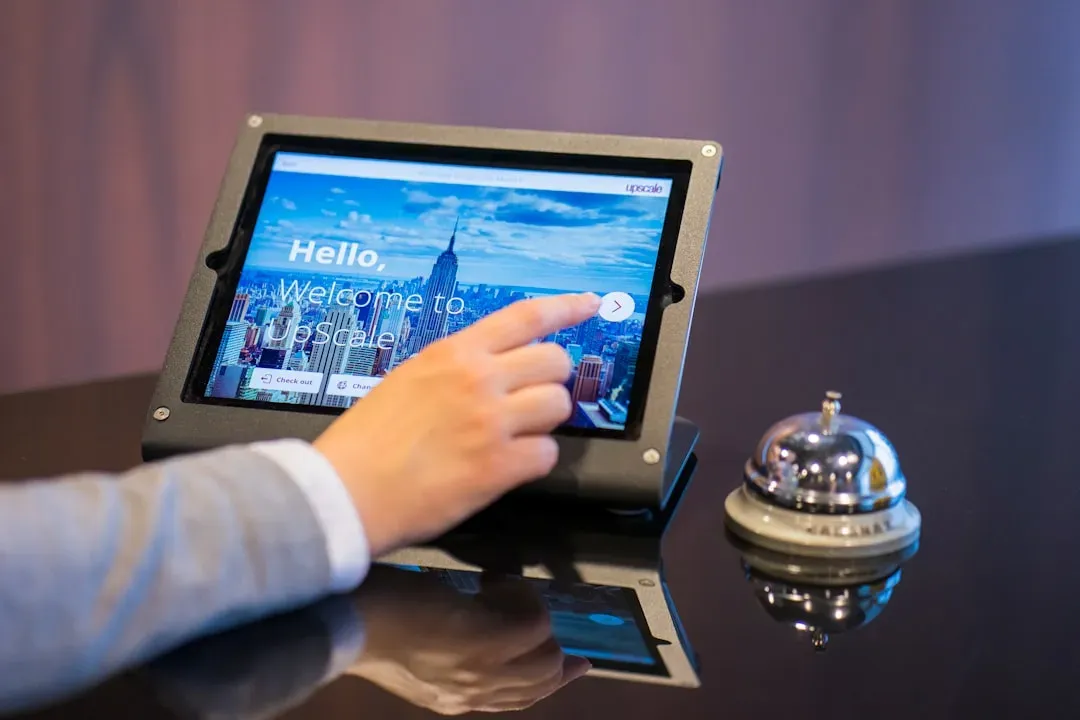
Seasoned guests don’t wait until they’re face to face with the agent to start digging through a bag or wallet. They pull out their driver’s license and credit card while still walking across the lobby, often holding both in one hand ready to go. This small anticipatory move shaves real time off the process and signals to staff that this isn’t someone’s first rodeo.
It also reflects a broader travel habit of pre-staging documents, the same instinct that makes frequent flyers keep boarding passes accessible before reaching airport security. Hotels process thousands of check-ins daily, and agents notice immediately when a guest is prepared versus fumbling. It’s a tiny gesture, but it sets the tone for the entire interaction.
2. They mention loyalty status or membership number unprompted
Experienced hotel guests rarely wait to be asked if they belong to a rewards program. They volunteer it right away, often reciting a membership number from memory or pulling up the app before the agent even finishes a greeting. Major chains like Marriott Bonvoy, Hilton Honors, and World of Hyatt have expanded their loyalty ecosystems significantly in recent years, with perks tied directly to status recognition at check-in.
This habit isn’t just about snagging a room upgrade, though that’s certainly part of the motivation. It’s also about setting expectations for late checkout, welcome amenities, or points posting correctly to an account. Agents tend to move faster and more attentively when a guest identifies their tier immediately, since it streamlines what perks need to be applied.
3. They ask about room location before accepting a key

A first-time guest usually takes whatever room assignment comes their way without much thought. Someone who travels often, though, tends to ask specific questions: is the room near the elevator, is it on a high floor, does it face the street or an interior courtyard. These preferences come from lived experience with noisy hallways or ice machines humming through thin walls at two in the morning.
This isn’t pickiness for its own sake. It’s pattern recognition built from dozens or hundreds of stays where location made the difference between a restful night and a frustrating one. Front desk staff generally appreciate the specificity too, since it helps them match guests to rooms that actually suit their needs rather than guessing.
4. They decline the printed folio and request a digital receipt instead
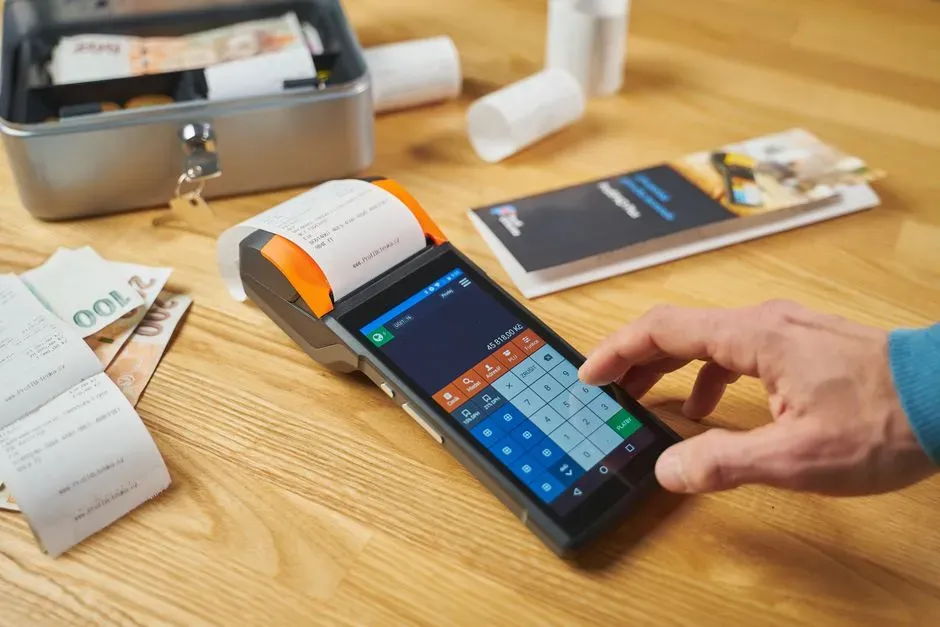
When asked how they’d like their bill, frequent travelers almost always say email rather than print. This reflects both an environmental sensibility and a practical one, since paper receipts get lost in luggage or tossed before an expense report ever gets filed. Many corporate travelers in particular rely on digital folios to streamline reimbursement through apps or accounting software.
It’s a small preference, but it says something about how often someone has been through this exact exchange before. First-time guests often default to whatever the agent hands them, while seasoned travelers already know their own workflow for tracking expenses. The shift toward mobile-first hotel experiences, accelerated significantly since 2023 and 2024 across major chains, has made this the default expectation rather than the exception.
5. They skip the desk entirely using mobile check-in

Perhaps the clearest modern marker of an experienced traveler is walking straight past the front desk toward the elevator, phone in hand, room key already loaded onto a digital wallet. Mobile check-in and digital key technology have expanded rapidly across major hotel brands in the past few years, with Hilton, Marriott, and IHG all investing heavily in app-based entry systems. Guests who use these features regularly know exactly how to navigate the notifications, room assignment screens, and digital key activation without needing help.
This habit also reveals itself in smaller ways, like already having the hotel’s app downloaded before arrival or knowing to keep Bluetooth enabled for the door lock to sync properly. Occasional travelers often still default to physical check-in out of habit or unfamiliarity with the technology. The comfort with skipping the desk altogether is one of the fastest tells of someone who travels for work or pleasure on a frequent basis.
6. They ask about the exact checkout time and late checkout policy in the same breath
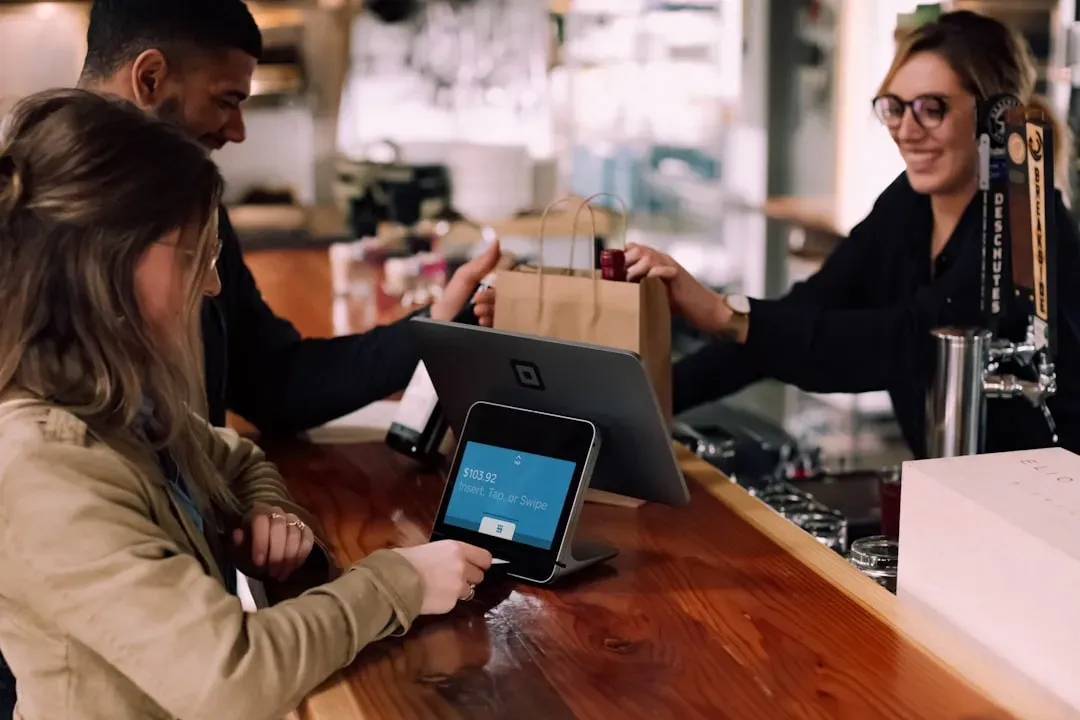
Rather than treating check-in and checkout as separate transactions days apart, seasoned guests often ask about both at once. They’ll confirm the standard checkout time, then immediately follow up about whether late checkout is possible and what it might cost or require. This habit comes from experience with tight flight schedules or back-to-back meetings where an extra hour or two in the room actually matters.
It also reflects an understanding that late checkout availability often depends on occupancy for that specific night, something casual travelers rarely think to consider. By asking early, experienced guests give staff more lead time to flag their room for a later cleaning slot. This small piece of forward planning often results in smoother, less rushed departures later in the stay.
7. They inquire about parking, resort fees, or incidental holds before signing anything

Frequent hotel guests have learned, often the hard way, to ask about additional charges before completing check-in rather than discovering them on the final bill. Resort fees, parking charges, and incidental holds on credit cards have become increasingly common and increasingly scrutinized in the hospitality industry over the past several years. Guests who travel often know to specifically ask how much will be held, how long it takes to release after checkout, and whether parking is included or billed separately.
This habit has grown more pronounced as resort fees have drawn regulatory attention. The Federal Trade Commission has taken steps toward requiring clearer disclosure of these fees, reflecting years of consumer complaints about hidden charges appearing only at checkout. Seasoned travelers who’ve been surprised before simply aren’t willing to be surprised again.
8. They travel light through the lobby, often skipping bell service
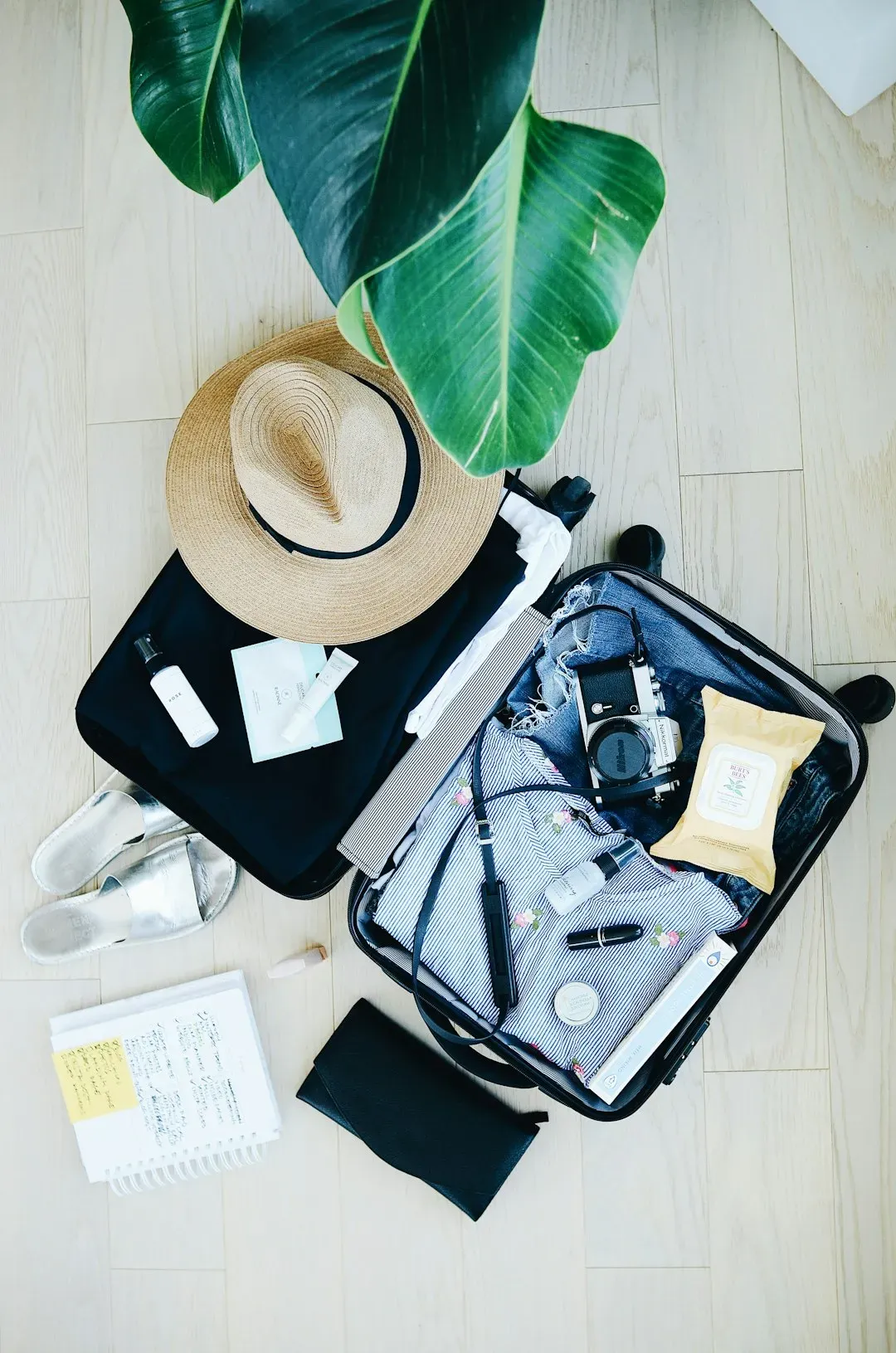
There’s a certain body language to someone who has done this many times before, and it often shows in how they handle their own luggage. Rather than waiting for a bellhop or loading bags onto a cart, frequent travelers frequently wheel their own suitcase straight to the elevator, especially for stays of one or two nights. This isn’t about avoiding a tip so much as valuing speed and independence after enough trips where waiting around cost more time than it was worth.
It also reflects packing habits built from experience, since seasoned travelers tend to pack lighter and more efficiently than occasional ones. A single rolling bag and a day pack replace the multiple suitcases that first-time or infrequent travelers often bring. The confidence of walking unassisted toward an elevator, luggage already organized, is one of the more visible and telling habits on this list.
These eight habits rarely announce themselves loudly, but together they paint a fairly accurate picture of someone who has spent considerable time moving through hotel lobbies around the world. None require special status or insider knowledge, just the kind of practical fluency that comes from repetition.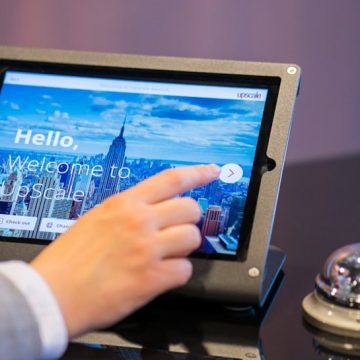

Leave a Reply