
1. They pack a dedicated “flight bag” separate from the rest of their luggage

Rather than digging through a stuffed carry-on for a toothbrush at 2 a.m., experienced travelers keep a small pouch or organizer packed specifically for the flight itself. It usually holds compression socks, earplugs, a sleep mask, lip balm, and a travel-size toothpaste. Everything lives in one predictable spot, so there’s no fumbling in a dim cabin while other passengers try to sleep.
This habit matters more on overnight flights than daytime ones, since the window to actually rest is narrower and every minute spent searching for items is a minute lost. Many flyers also stash a change of clothes or at least a fresh shirt in this bag, which becomes essential on flights crossing eight or more time zones. The goal is simple: land feeling human, not like someone who just wrestled a suitcase for fifteen hours.
2. They eat a real meal before boarding, not during the flight
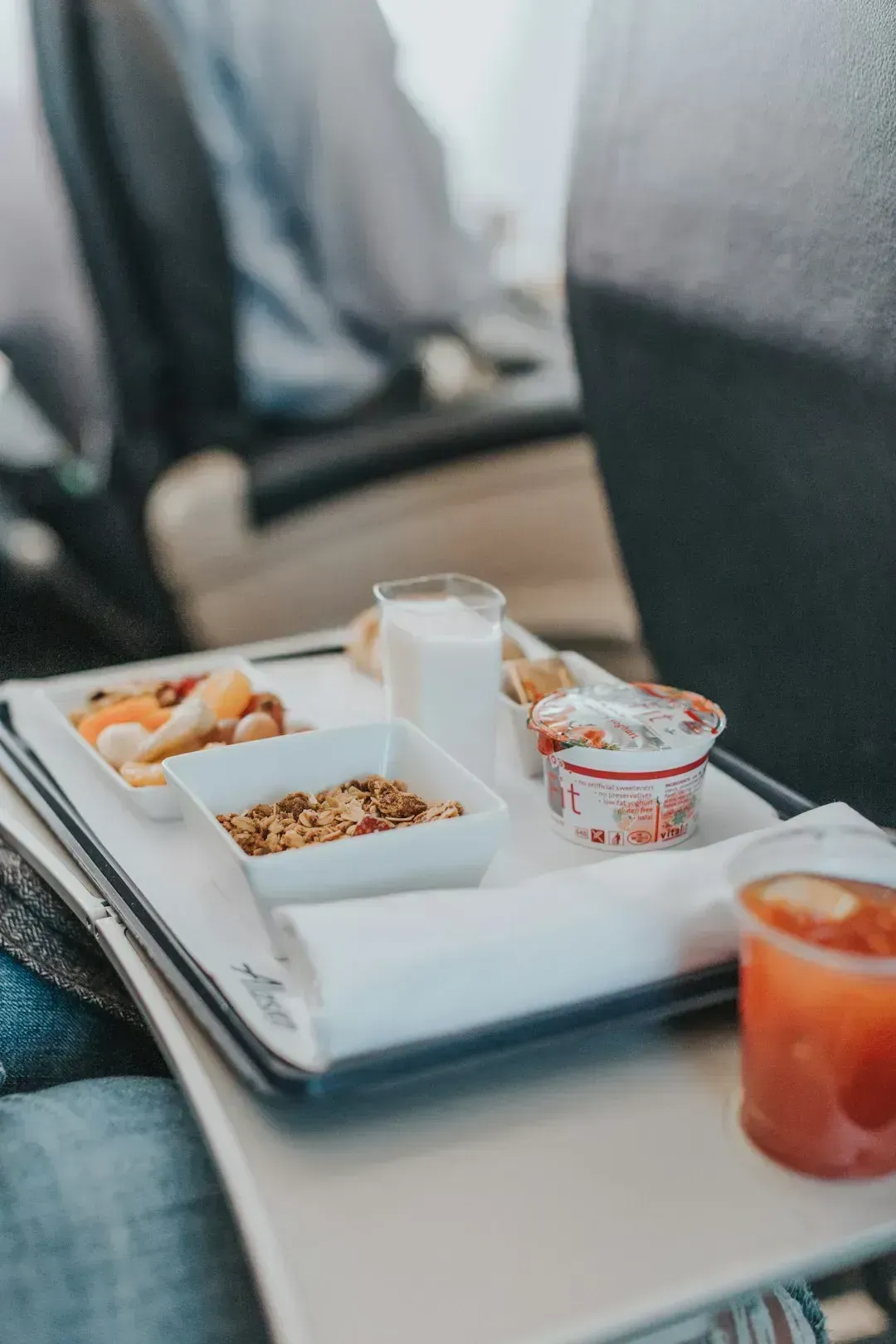
Airline meal service on long-haul routes is often timed around the airline’s schedule, not the traveler’s body clock, which means dinner might not arrive until well past midnight local departure time. Seasoned flyers eat a proper meal in the terminal or lounge beforehand, so they’re not relying on hunger to keep them awake or forcing themselves to eat a heavy tray of food right before trying to sleep. Digestion at altitude is already sluggish thanks to lower cabin pressure and reduced oxygen levels, so a lighter in-flight approach tends to sit better.
Some frequent flyers skip the in-flight meal entirely and instead ask the crew to wake them only for landing service, prioritizing sleep over the second round of food. Airlines including Emirates, Singapore Airlines, and Qantas generally allow passengers to pre-select or skip meals through their booking systems, which makes this easier to plan in advance. Eating on the ground and sleeping in the air is a small scheduling shift that pays off in how rested a person feels on arrival.
3. They dress in layers built for a cabin that’s colder than it looks
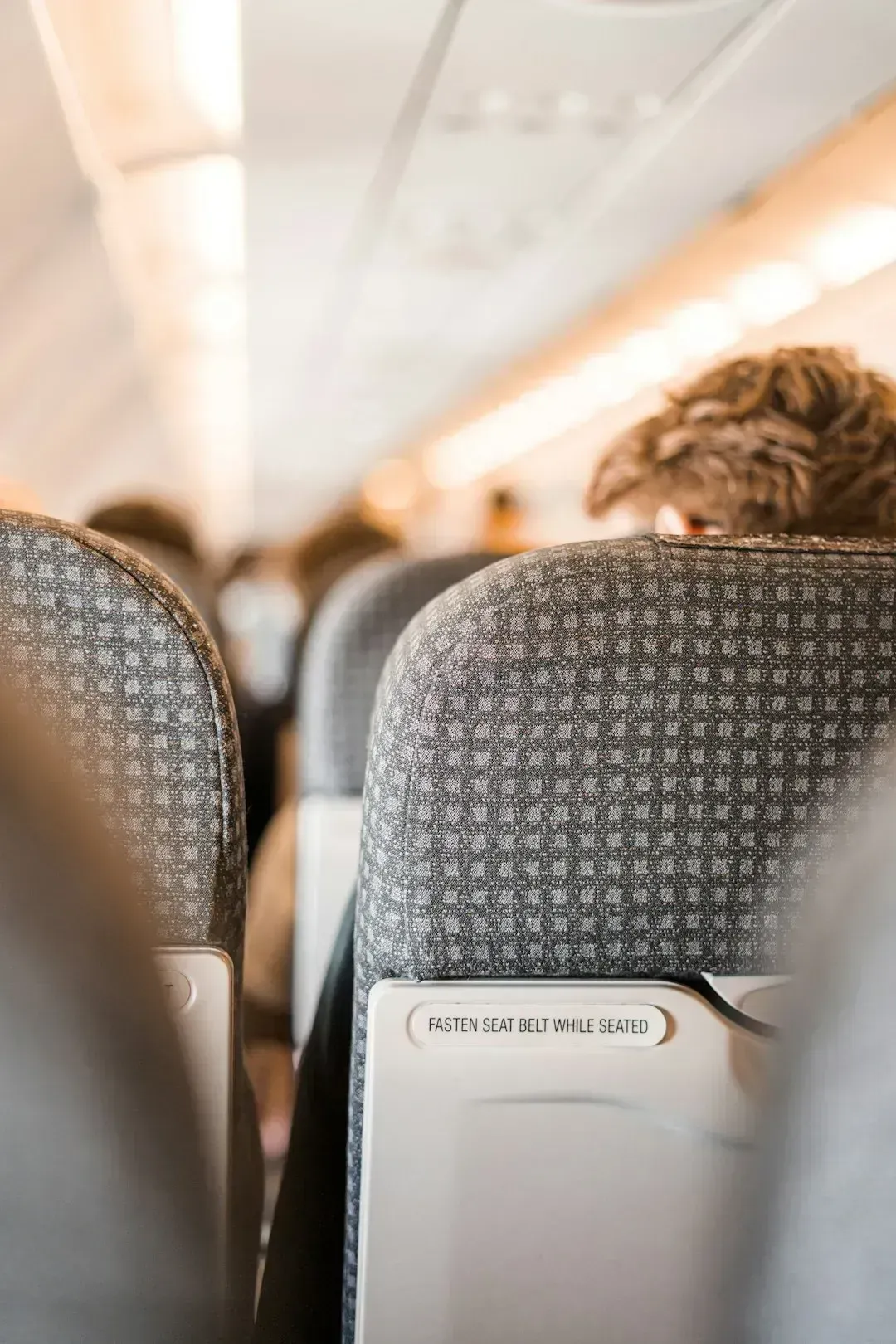
Cabin temperatures on long-haul aircraft typically sit between 22 and 24 degrees Celsius, but the moving air from overhead vents and the lower humidity, often below 20 percent, make it feel noticeably chillier than that number suggests. Frequent flyers dress in layers they can add or remove rather than committing to one outfit for the entire flight. A soft base layer, a light sweater or hoodie, and warm socks tend to outperform jeans and a t-shirt when the goal is actual sleep.
Footwear matters too, since feet swell at altitude due to changes in cabin pressure and reduced circulation from sitting still. Slip-on shoes or compression socks make it easier to move around the cabin without wrestling laces in a cramped seat. The layering habit isn’t about style, it’s about giving the body the flexibility to regulate its own temperature over a ten-plus hour stretch.
4. They hydrate aggressively in the hours before departure
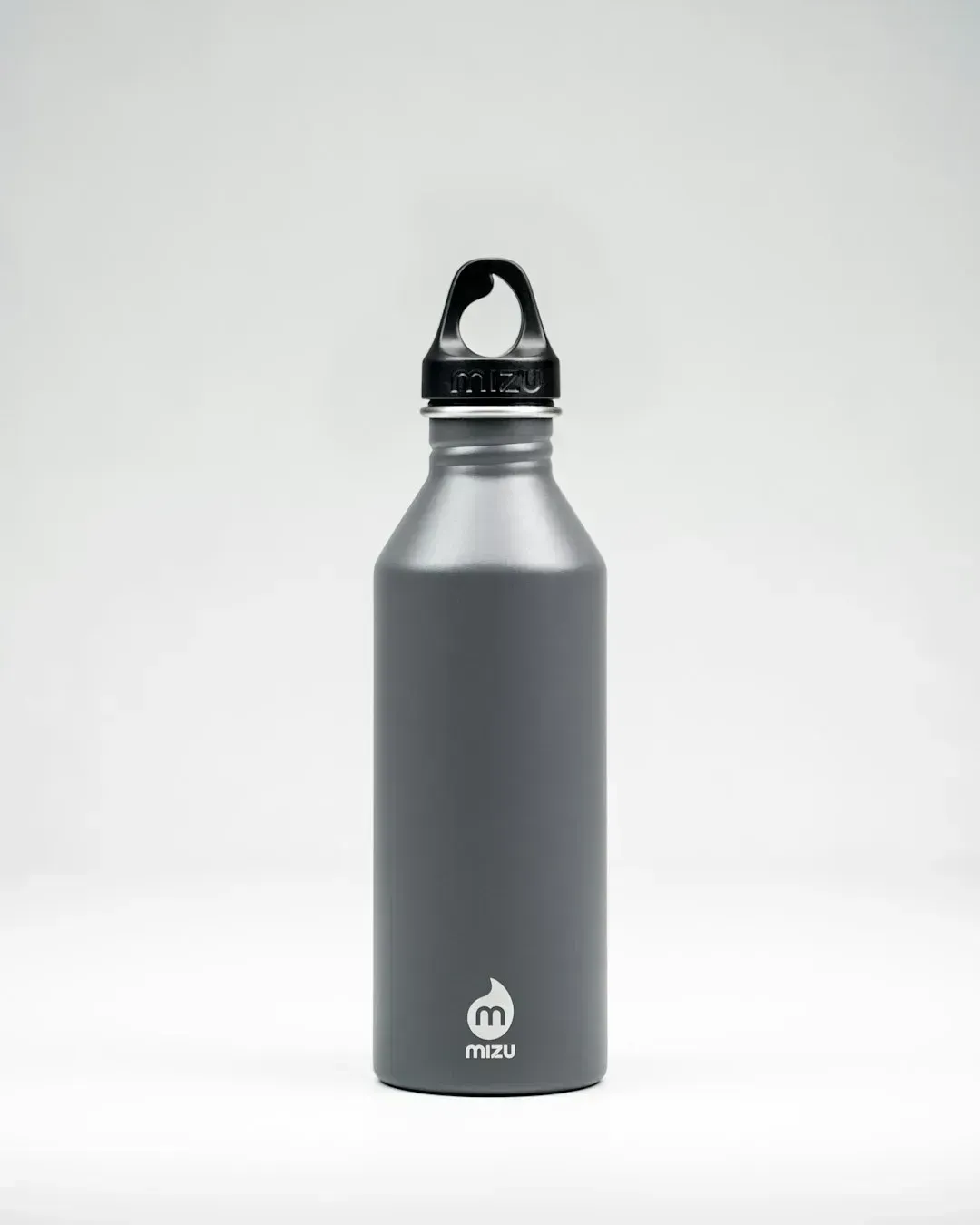
Cabin air on commercial aircraft has notably low humidity, often compared to the dryness of a desert environment, which accelerates dehydration far faster than most passengers expect. Experienced travelers start drinking water well before boarding rather than waiting until they’re already thirsty mid-flight. Some skip or limit alcohol and caffeine in the hours leading up to departure specifically because both are diuretics that work against the body’s hydration on a flight already working to dry it out.
A reusable water bottle, filled after security, is a near-universal accessory among frequent long-haul flyers for this reason. It also means fewer interruptions asking flight attendants for refills once the cabin lights dim and most passengers are trying to sleep. Staying ahead of dehydration before takeoff makes the arrival feel noticeably less foggy than trying to catch up once already airborne.
5. They set their watch, and their mindset, to the destination time zone

One of the more consistent habits among frequent international travelers is mentally “arriving” before the plane even leaves the ground. That means adjusting a watch or phone to the destination’s local time as soon as they board, then trying to eat and sleep according to that new schedule rather than the one they just left behind. Sleep researchers who study jet lag generally support this approach, since aligning behavior with the target time zone as early as possible helps the body’s circadian rhythm adjust faster.
This is especially useful on overnight flights, where the destination’s nighttime often overlaps conveniently with the flight itself. If the plan is to sleep for eight hours because it’s nighttime in the destination city, seasoned flyers commit to that rather than staying awake to watch movies just because it still feels like afternoon back home. The mental shift is as important as the physical one.
6. They choose seats with sleep, not scenery, in mind
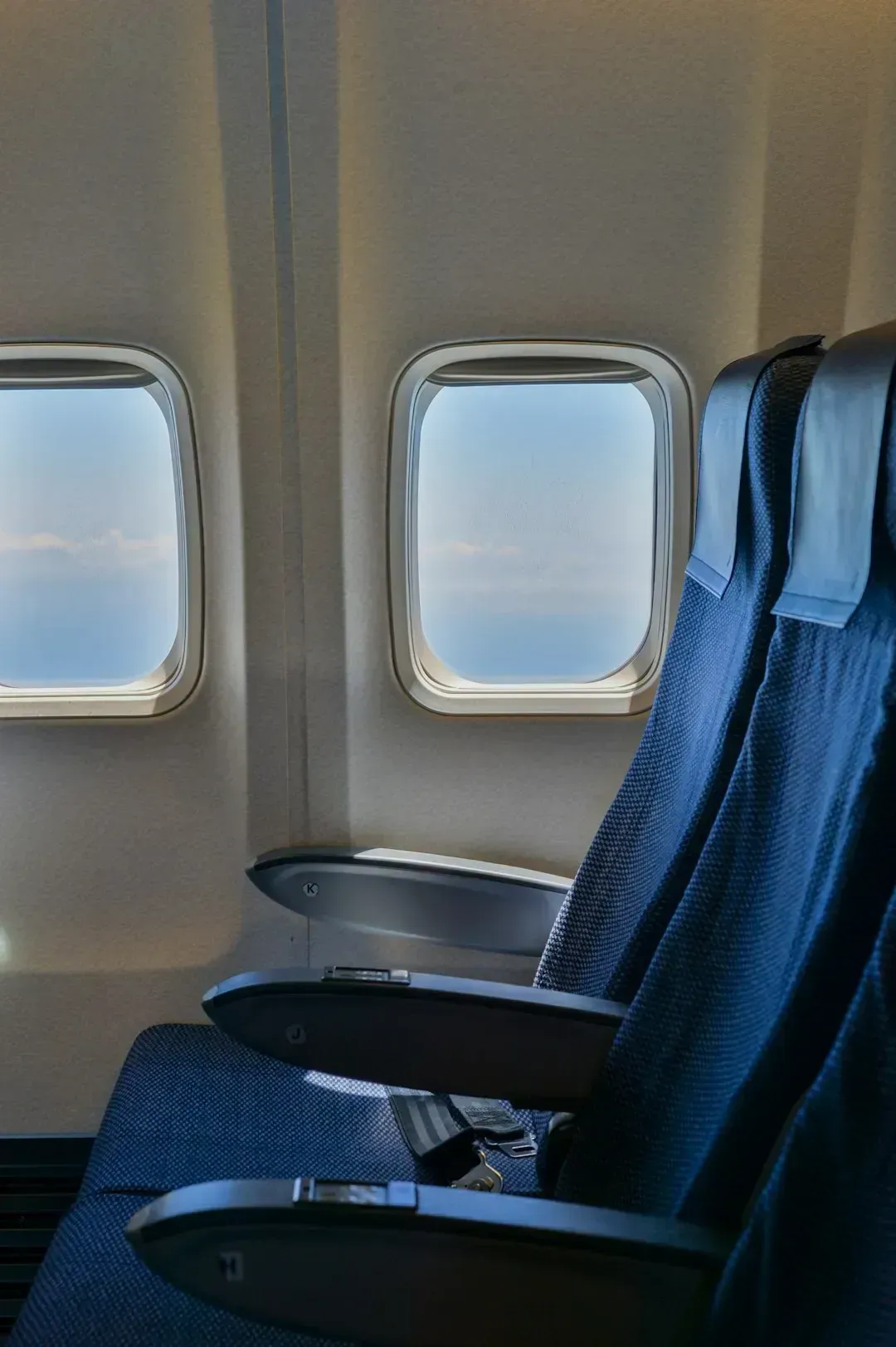
Window seats near the front of the economy cabin, or bulkhead seats with extra legroom, are frequent picks among long-haul regulars because they offer something to lean against and fewer disruptions from neighbors climbing over them to reach the aisle. Seat-selection tools like SeatGuru or a specific airline’s own seat map are commonly used in advance to avoid rows near galleys, lavatories, or emergency exits where noise and light tend to be worse. For those who can access it, a bulkhead or exit row with more space to stretch out makes a measurable difference in sleep quality over ten or more hours.
Some travelers also specifically avoid seats near the back of the aircraft, where engine noise and crew activity throughout the night tend to be more constant. Aisle seats near the front sometimes get chosen deliberately for the freedom to get up without disturbing anyone, especially on flights where standing and stretching periodically helps with circulation. The seat choice is rarely random among people who fly this route type often.
7. They bring their own sleep kit instead of relying on the airline’s
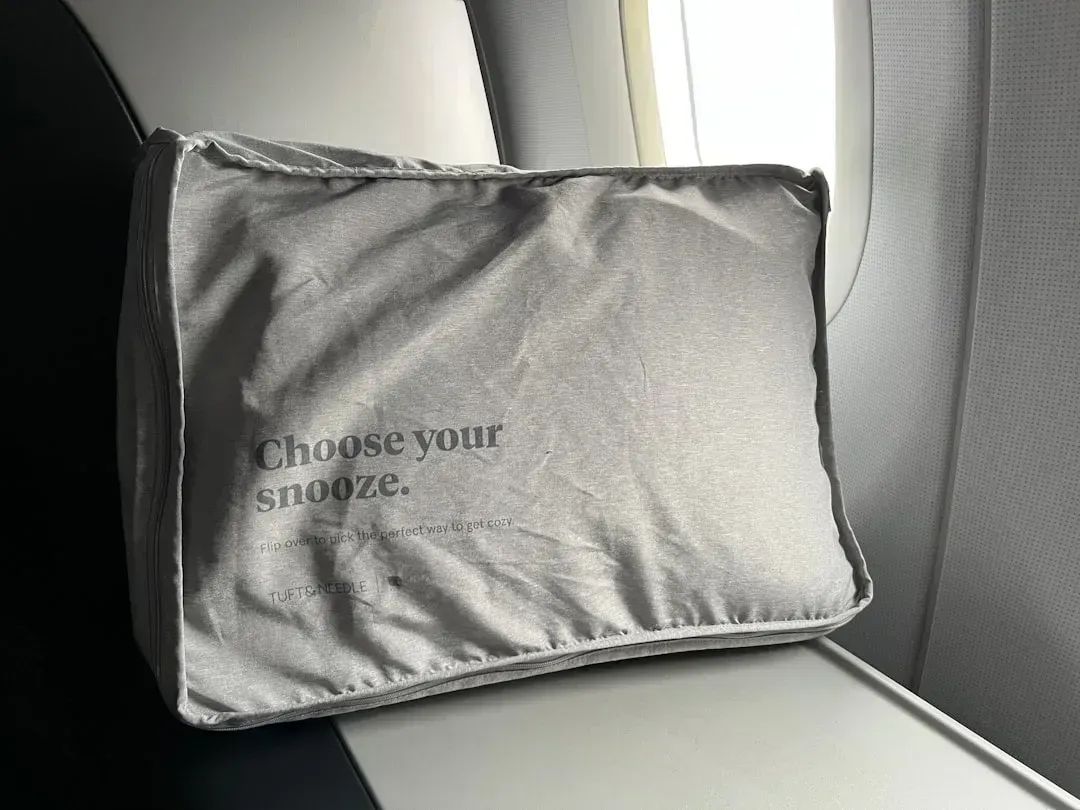
Amenity kits handed out on premium cabins, and sometimes in economy on longer routes, usually include an eye mask and earplugs, but frequent flyers often find these thin and ineffective for actual sleep. Instead, many carry their own contoured eye mask, silicone earplugs, or noise-canceling headphones purchased specifically for travel. The difference between a flimsy paper eye mask and a properly fitted one can be the difference between dozing and genuinely sleeping through several hours.
Neck pillows are similarly personal, and seasoned travelers tend to have a strong preference after trying several types, whether that’s an inflatable travel pillow, a memory foam wrap, or a compressible pillow that clips onto a bag strap. Noise-canceling headphones in particular are frequently mentioned by frequent flyers as one of the single best investments for long-haul comfort, since engine hum is one of the most persistent sleep disruptors on any overnight flight. Bringing familiar, tested gear removes one more variable from an already unpredictable environment.
8. They avoid screens and heavy stimulation in the final hour before their planned sleep window
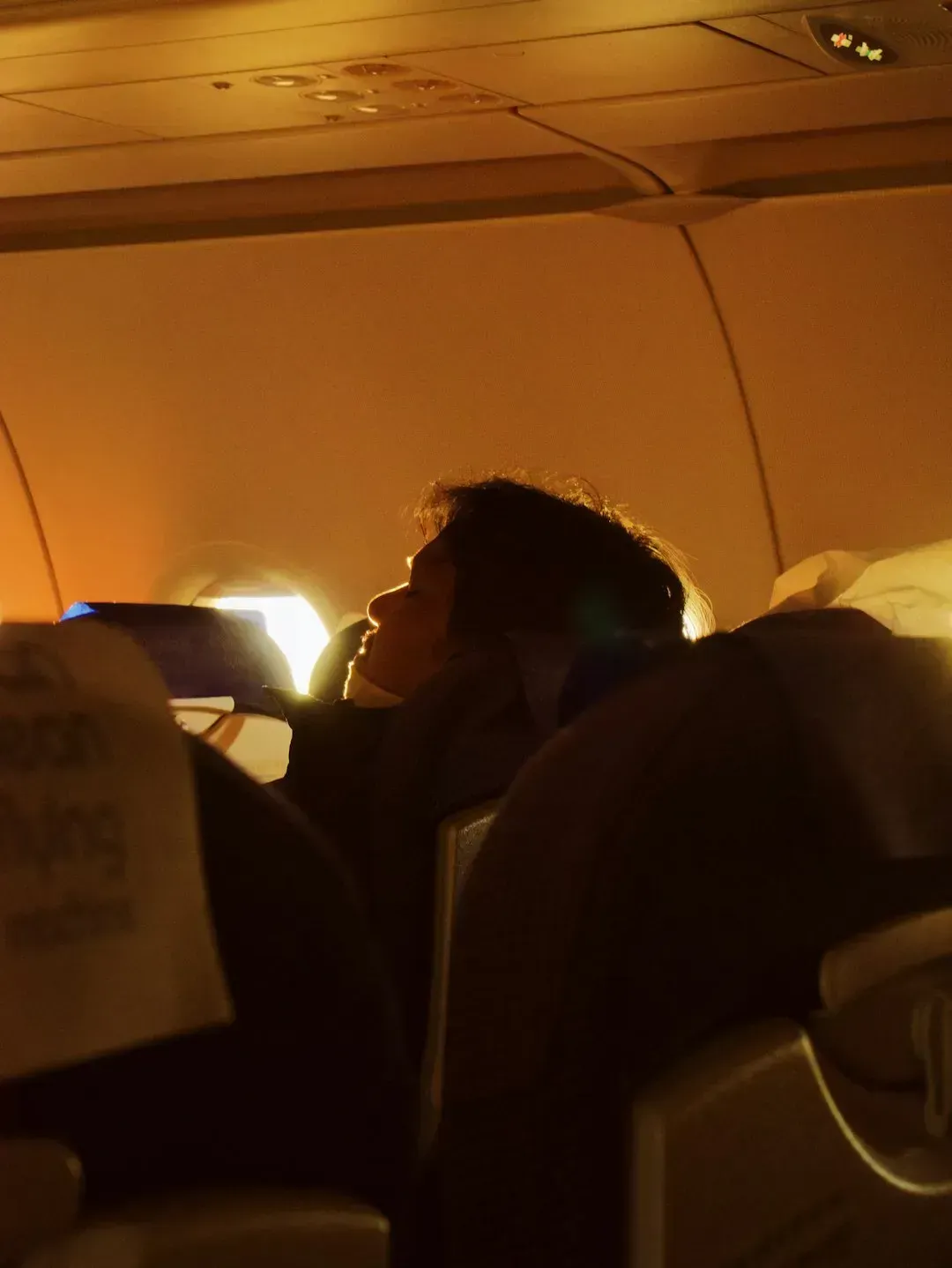
Blue light from phone and tablet screens is known to suppress melatonin production, the hormone that signals the body it’s time to sleep, which makes late-night scrolling counterproductive right before attempting to rest on a plane. Experienced overnight flyers tend to front-load their entertainment, watching a movie or catching up on shows earlier in the flight, then deliberately switching to a book, podcast, or nothing at all as their intended sleep window approaches. This mirrors the kind of wind-down routine sleep specialists recommend at home, just compressed into a cabin setting.
Some also avoid checking work email or news right before trying to sleep, since mental stimulation from stressful content can be just as disruptive as screen light itself. A few minutes of stretching in the aisle, a splash of water on the face in the lavatory, or simply reclining the seat and closing the eyes in silence tends to work better than one more episode of a show. The discipline to stop consuming content, even when bored, is a small but consistent trait among people who fly overnight routes regularly.
9. They plan their arrival routine before they even take off
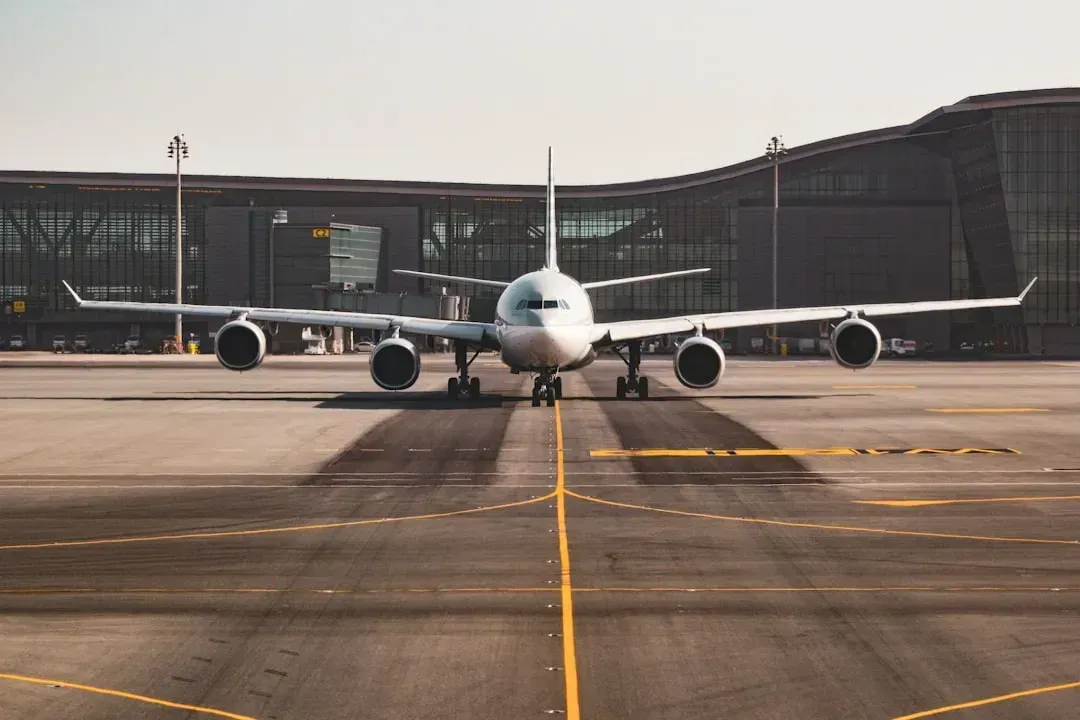
Rather than figuring it out on landing, frequent long-haul flyers often know in advance whether they’ll head straight to a hotel to nap briefly or push through and stay active in daylight to reset their internal clock faster. Sleep experts generally recommend getting outside into natural daylight as soon as possible after an overnight flight, since sunlight is one of the strongest cues for resetting circadian rhythm. Having this plan decided beforehand avoids the common trap of collapsing into a hotel bed for an unplanned four-hour nap that ends up worsening jet lag rather than fixing it.
Many also pack essentials for arrival directly into their carry-on rather than checked luggage, including toiletries and a change of clothes, in case they want to freshen up in an airport lounge or lavatory before immigration. Pre-booking airport transfers or knowing exactly how they’ll get from the arrivals hall to their first destination removes another layer of decision fatigue at a moment when the body is already running on limited sleep. This forward planning, done calmly at home days before departure, is often what separates a smooth landing from a disoriented one.
None of these habits require expensive gear or elite status. They’re mostly about removing friction and decision-making from a part of the journey when the body is already under stress from altitude, dry air, and a disrupted sleep schedule. Put together, they explain why some travelers step off a fourteen hour flight looking rested while others look like they’ve aged a decade in economy class.



Leave a Reply