
1. The Louvre, Paris
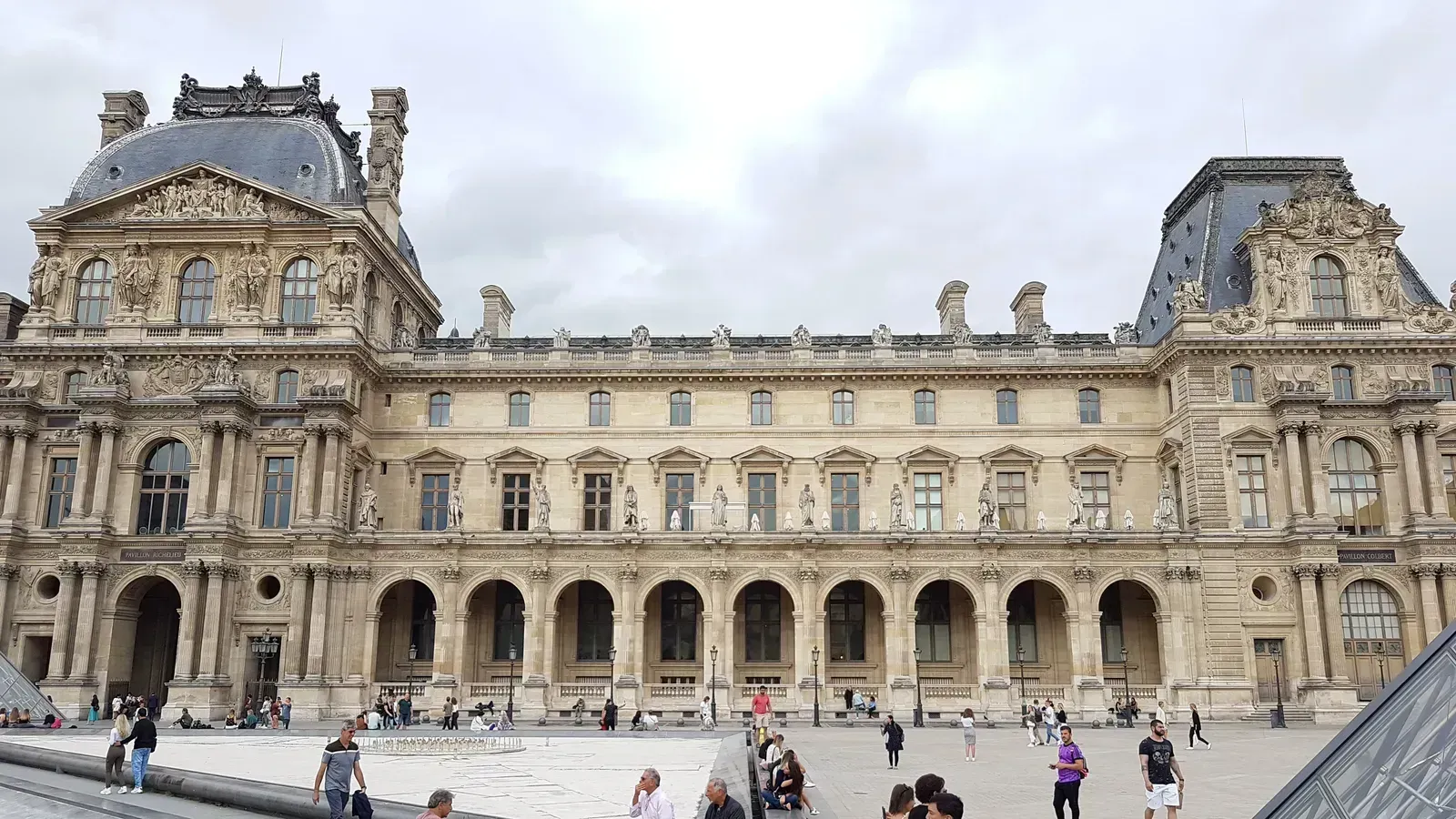
The Louvre remains the most visited art museum on the planet, and the numbers back that up in dramatic fashion. The institution welcomed over 9 million people in 2025, a figure that would be unthinkable for most museums but is fairly typical for this one. Seventy-seven percent of visitors come from outside France, with the United States sending the largest single group, followed by neighboring countries like Italy, the United Kingdom, and Germany.
Parisians, by contrast, tend to visit rarely and often only when free admission windows or a specific exhibition draws them in. Sixty-five percent of French visitors who do go are admitted free of charge, suggesting many locals wait for discounted or complimentary access rather than paying full price like tourists do. The sheer scale of the building, combined with the crush of people angling for a glimpse of the Mona Lisa, is exactly the kind of experience longtime residents say they’d rather skip.
2. The British Museum, London
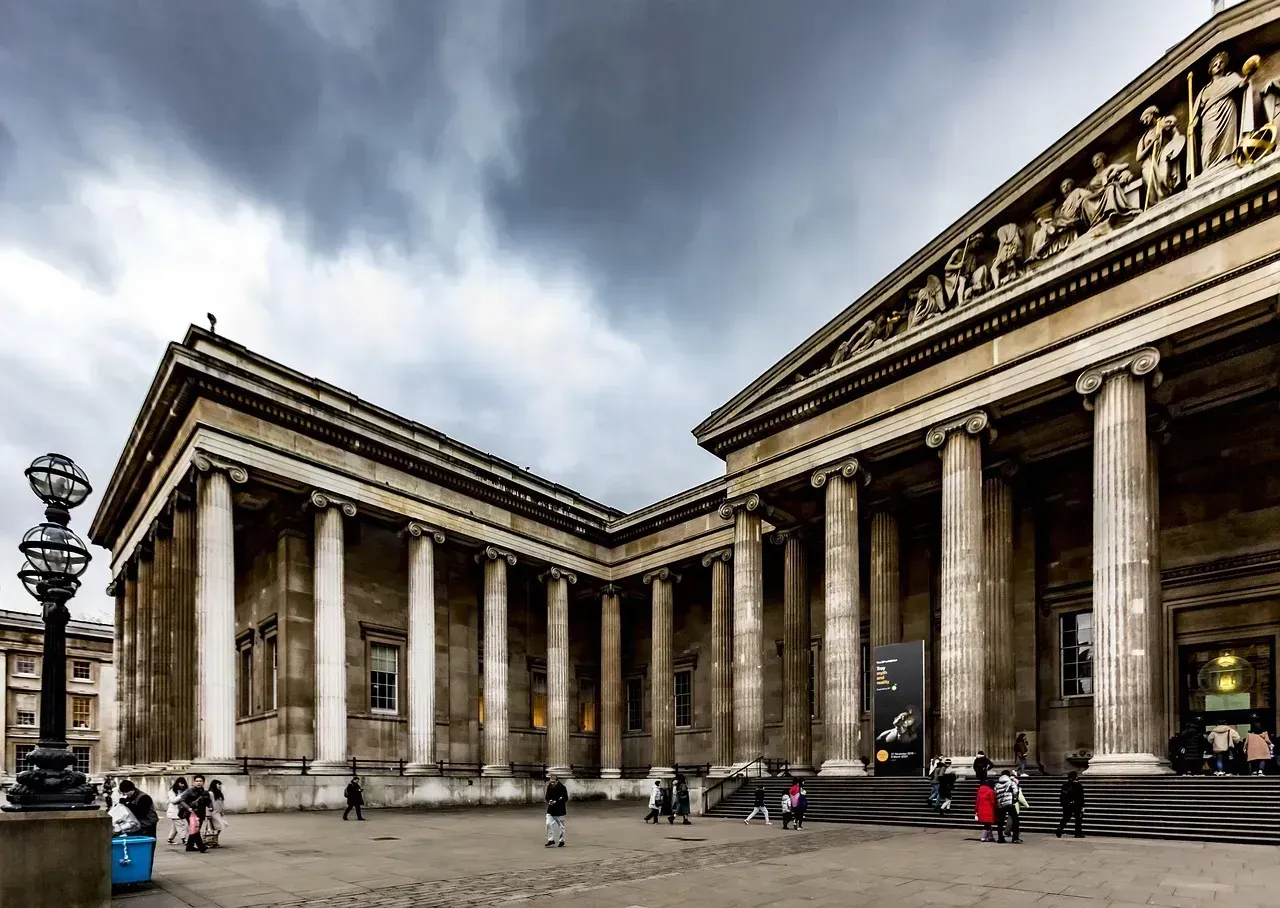
London’s British Museum sits in an odd position: it’s free to enter, yet locals still treat it as something reserved for out-of-towners. The museum recorded 6.4 million visitors in the most recent measured year, a number driven overwhelmingly by international tourism rather than repeat local visits. The scale of the collection, spanning ancient Egypt to classical Greece, makes it a bucket-list stop for first-time visitors to Britain.
For Londoners, the museum’s central location near tourist-heavy Bloomsbury and its perpetual queues make it feel more like a checkbox for travelers than a place for a Tuesday afternoon. Many residents have visited once, often as schoolchildren, and rarely return unless accompanying out-of-town guests. The free admission, ironically, doesn’t translate into local loyalty the way it might elsewhere.
3. The Vatican Museums, Vatican City
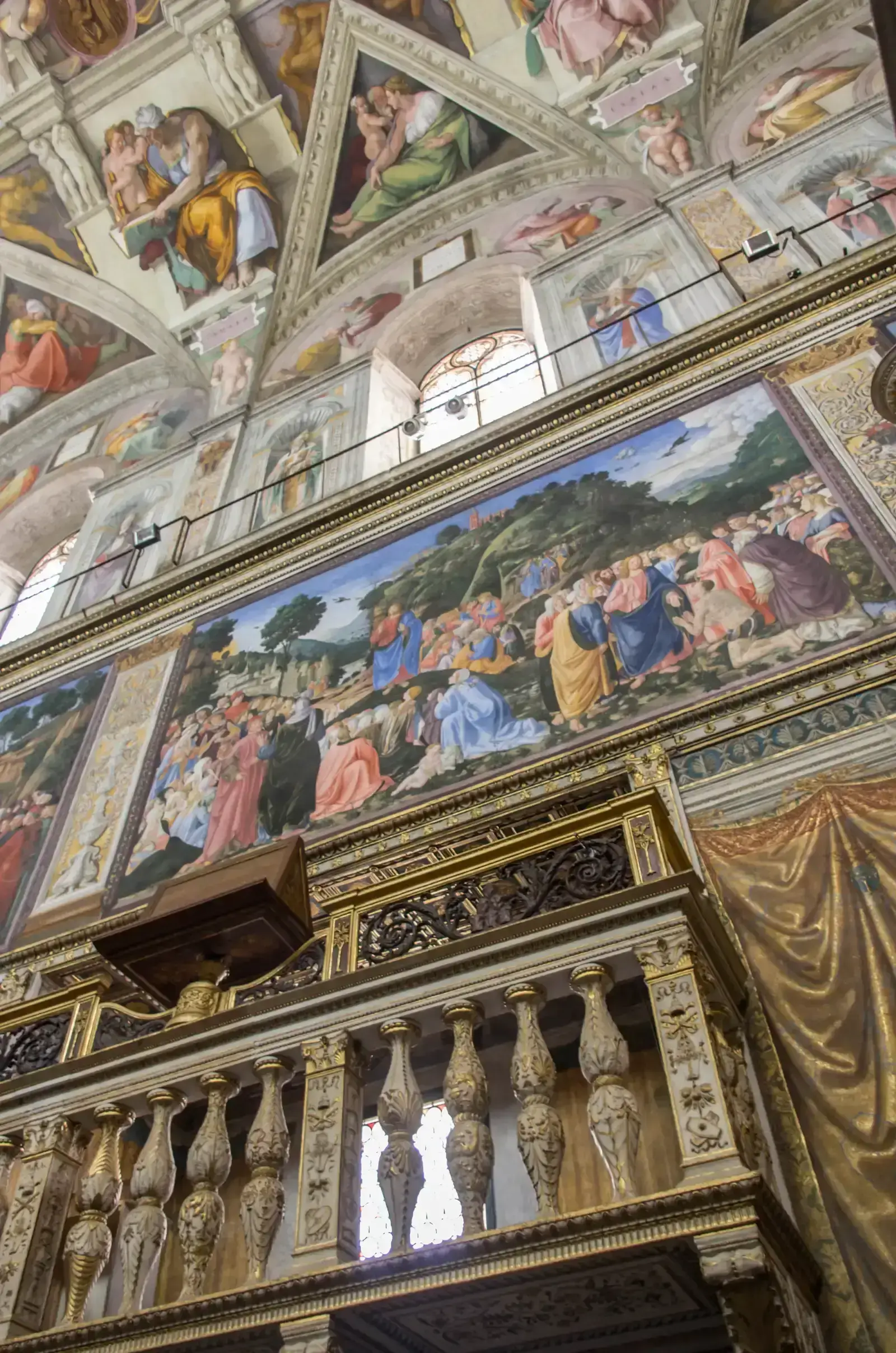
Few museums carry the reputation for crowds quite like the Vatican Museums, home to the Sistine Chapel and one of the densest concentrations of Renaissance art in the world. The Vatican Museums ranked among the most visited art institutions globally, trailing only the Louvre in recent annual attendance figures. Nearly every visitor to Rome builds a full day around this single stop, often booking tickets weeks in advance to avoid the worst lines.
Romans themselves, meanwhile, largely stay away unless there’s a specific reason to go, such as a temporary exhibition or a visiting friend. The combination of long queues, steep entry fees, and the sheer density of tour groups moving through narrow corridors makes it an attraction locals associate more with tourism logistics than with a relaxed museum visit. It’s telling that many Roman families have never walked the full length of the galleries themselves.
4. The Metropolitan Museum of Art, New York
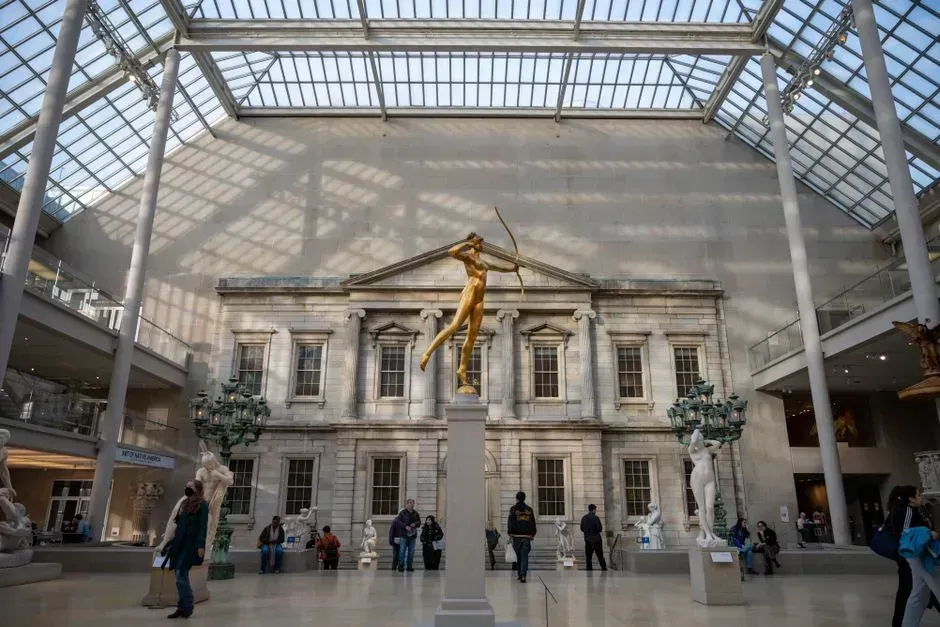
The Met is arguably the most recognizable museum name in the United States, and its visitor numbers reflect that global pull. The museum recorded 6.3 million visitors in the 2025 calendar year, a figure that keeps climbing even as attendance patterns shift elsewhere. Tourists visiting New York routinely place it near the top of their list, alongside the Empire State Building and Times Square.
New Yorkers, however, often treat the Met differently, visiting occasionally for a specific exhibition rather than wandering the permanent collection start to finish. The museum’s sheer size, spanning multiple floors and covering nearly every era of art history, can feel overwhelming for a casual local outing. Many residents instead gravitate toward smaller, more specialized institutions across the city that don’t require half a day to see properly.
5. Anne Frank House, Amsterdam
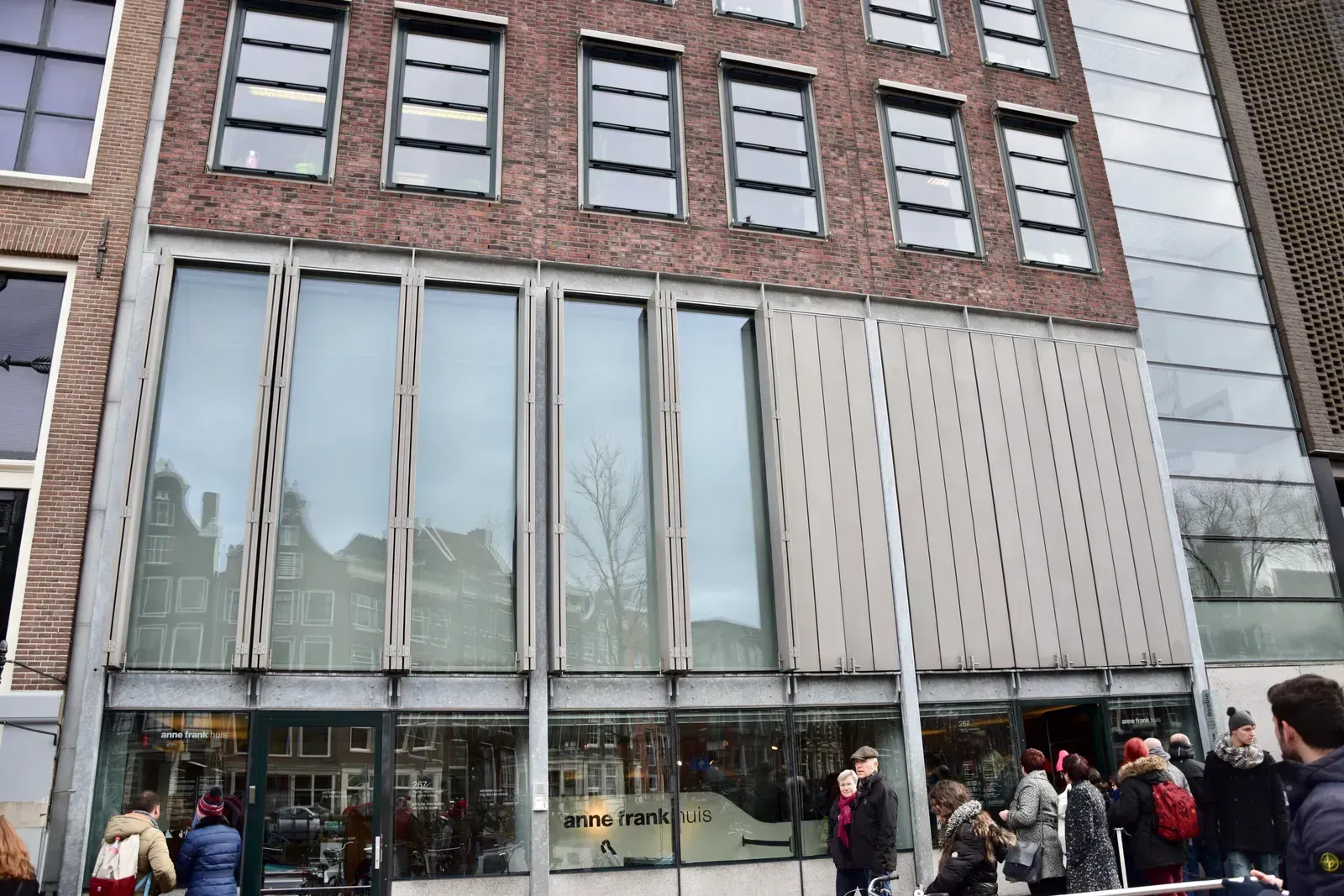
This is a smaller museum by physical footprint, but the demand it generates is entirely out of proportion to its size. The museum hosts around 1.2 million visitors a year, even though demand from every continent is much higher than the building can accommodate. Because it’s a tiny seventeenth-century canal house with a narrow staircase leading to the Secret Annex, capacity is strictly limited no matter how popular it becomes.
Tickets are notoriously hard to secure, with all tickets becoming available every Tuesday at 10am for a visit six weeks later, and they tend to disappear within minutes. Amsterdam residents, who could theoretically walk over on a whim, rarely bother competing for these slots against travelers who have planned their entire trip around a single reserved time. The emotional weight of the visit, combined with the logistical hassle, makes it a once-in-a-lifetime stop for tourists rather than a casual local outing.
6. The Uffizi Gallery, Florence
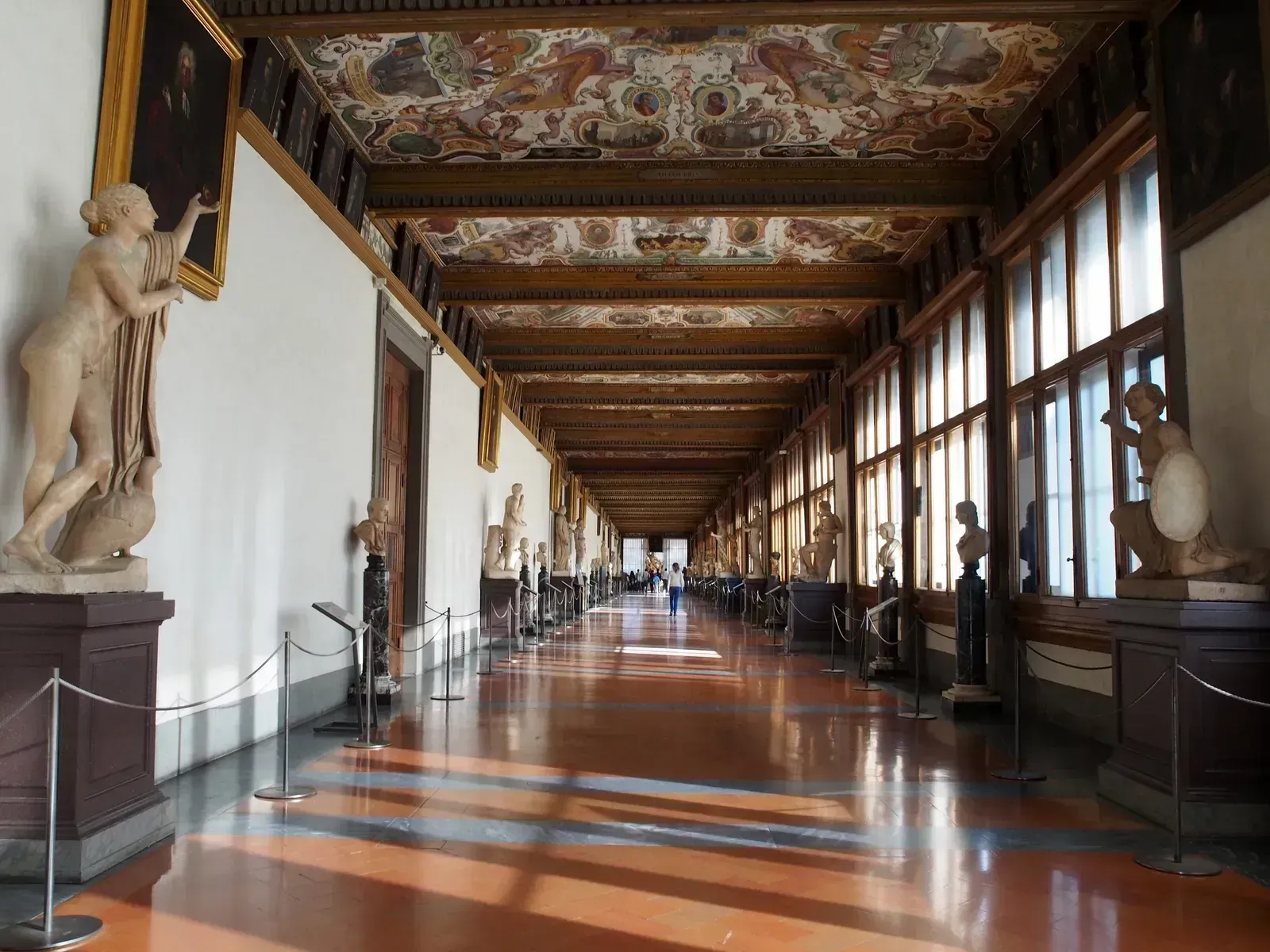
Florence’s Uffizi Gallery holds one of the finest collections of Italian Renaissance painting anywhere, including major works by Botticelli and Michelangelo. For visitors touring Tuscany, it’s often considered non-negotiable, the kind of stop that anchors an entire Italy itinerary around a single city. The lines outside can stretch for hours during peak season, particularly in summer months when cruise groups and school trips overlap with independent travelers.
Florentines, who live surrounded by Renaissance architecture and art in their daily lives, tend to view the gallery as something for out-of-towners rather than a place they need to revisit. Many locals have been once, likely during school years, and see little reason to stand in line again when the same artistic heritage surrounds them on every street corner. The museum’s identity as a tourist landmark has, in a sense, become part of what keeps residents away.
7. The Museum of Modern Art (MoMA), New York

MoMA occupies a curious middle ground between essential cultural institution and tourist trophy stop. Its collection, featuring works by Van Gogh, Picasso, and Warhol among countless others, draws visitors who want to see art history’s greatest hits in one concentrated visit. For many international travelers, a stop at MoMA is treated as almost mandatory when passing through Manhattan.
Locals, particularly those who’ve lived in New York for years, often describe a familiar pattern: an initial visit shortly after moving to the city, followed by long gaps before returning. The membership model helps some residents visit more casually, but the general sentiment among longtime New Yorkers is that MoMA belongs to visitors more than to the neighborhood. Weekend crowds packed shoulder to shoulder in front of famous canvases don’t exactly invite a relaxed local Sunday outing either.
8. The Natural History Museum, London
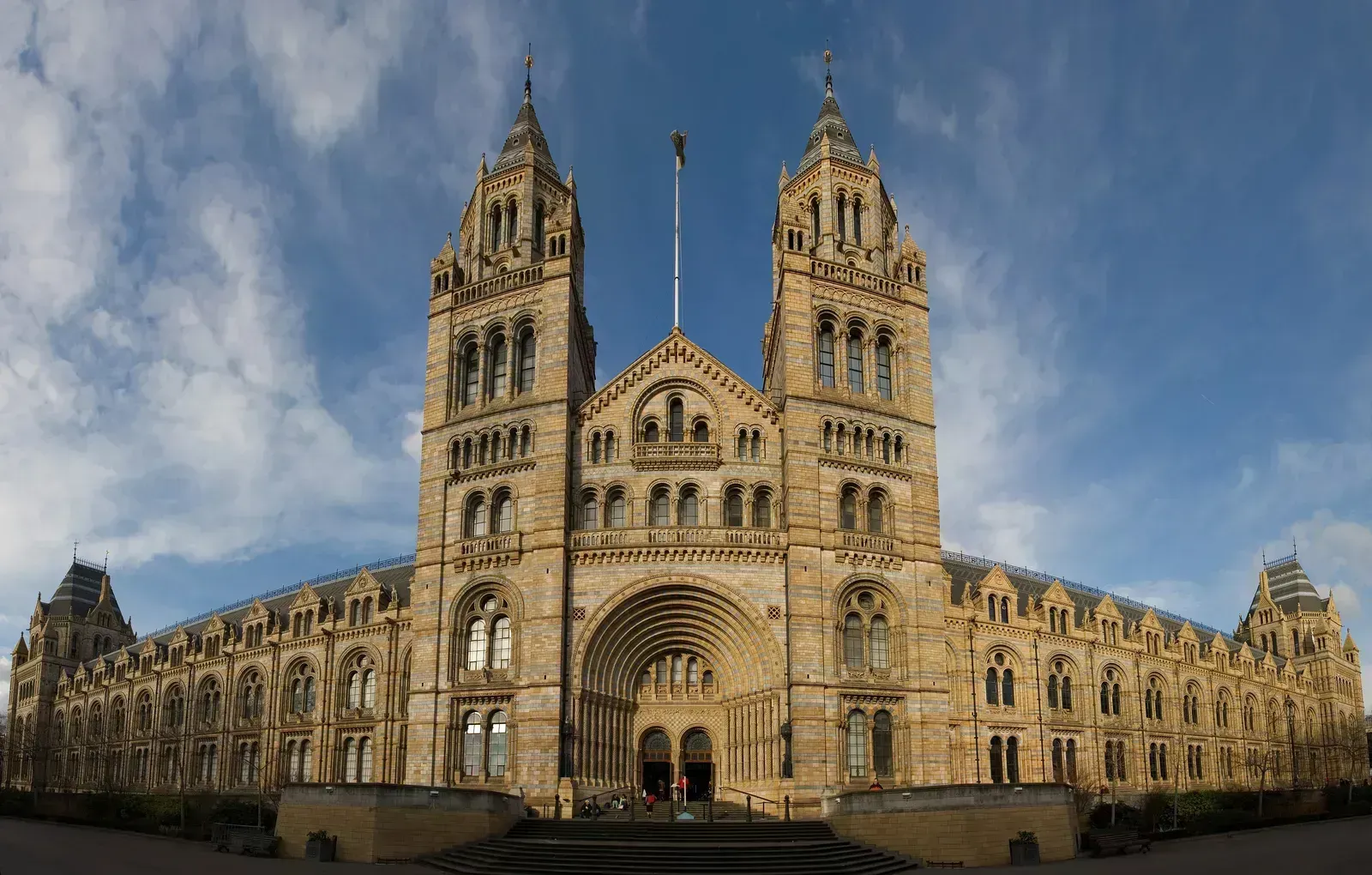
Rounding out this list is another London institution that pulls enormous numbers almost entirely from outside the city. London’s Natural History Museum earned 7.1 million visitors in the most recent count, a figure that places it among the most visited museums in the world regardless of subject matter. Families traveling with children in particular treat it as an essential London stop, drawn by the dinosaur skeletons and the sheer scale of the building itself.
Local families, despite living within easy reach, often report visiting only occasionally, typically during school holidays or when hosting relatives from elsewhere. The museum’s free admission does encourage some repeat local visits, more than paid institutions on this list, but the crowds during peak tourist season still push many South Kensington residents to plan around off-peak hours or skip visits during summer entirely. It remains, in practice, a museum built for the world rather than exclusively for its neighbors.
There’s a pattern running through all eight of these places. The very qualities that make a museum globally famous, its size, its singular icon, its reputation as unmissable, are often the same qualities that push locals toward quieter alternatives. None of this diminishes what these institutions offer. It simply means the crowd inside on any given day is unlikely to include many people who actually live nearby.




Leave a Reply