
Ask a man who dated in the 1980s what he remembers, and the answer is rarely about the fashion or the music. It tends to be something smaller, like the way a phone call could change an evening. Nostalgia is selective, of course, and the decade had its own awkwardness and unfairness.
Still, certain themes come up again and again when people talk about courtship before smartphones. Some of them line up with what researchers have found about modern dating fatigue. Here are eight things many men say they miss.
Meeting People in Person

In the 1980s, most couples met through friends, work, school, church, or a night out. There was no swiping, so the pool of possibilities was the people you actually crossed paths with. That meant a first impression came from a voice, a smile, and a bit of nerve.
Today, the picture is different. Pew Research Center has reported that roughly three in ten U.S. adults have used a dating site or app, and that many users describe the experience as frustrating. Some men say they’d trade endless options for a natural introduction.
Calling a Landline
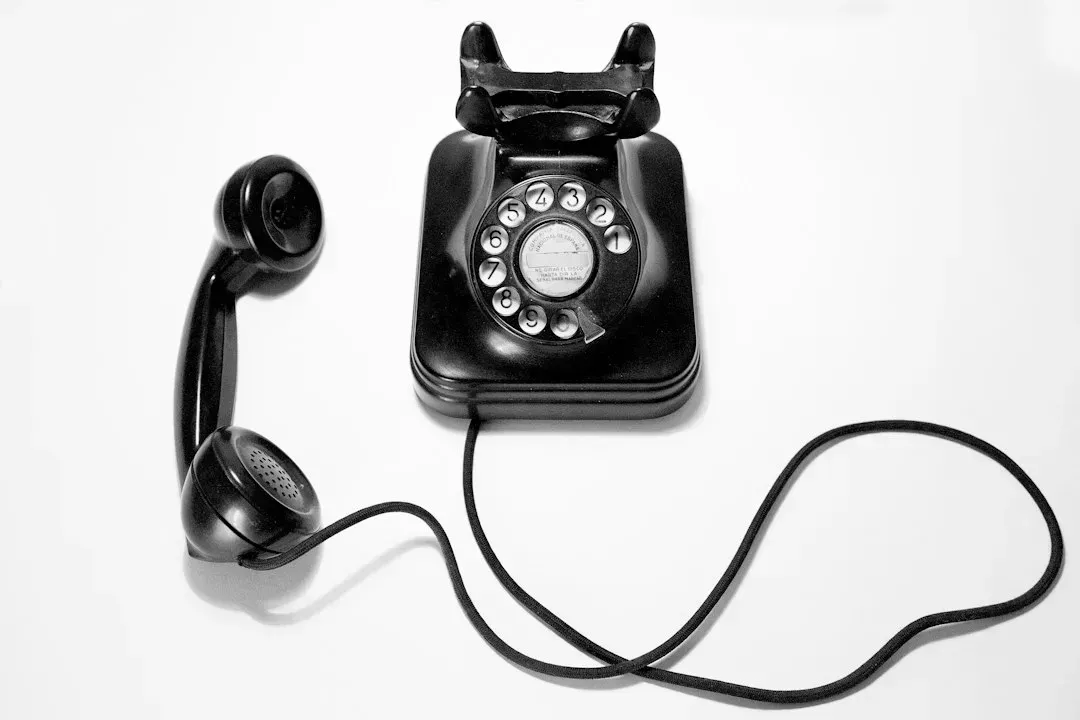
Calling someone meant dialing a number tied to a house, and often reaching a parent first. It was nerve-racking, but it forced a man to be direct. If she picked up, you had a real conversation with no emoji to hide behind.
Many men now say text threads feel thin by comparison. A quick call, they argue, tells you more about chemistry than a week of messages. That’s a personal view, yet it reflects a wider return to voice notes and calls among some younger daters.
Asking Someone Out Face to Face

Asking a woman out at a party or across a counter carried real risk. A rejection happened in front of you, and it stung. Yet many men recall that the risk made a yes feel earned.
Surveys on modern dating suggest that fear of approaching people in public hasn’t gone away. It has mostly moved online, where rejection often looks like silence. Some men say a clear no, delivered kindly, was easier to handle than being ghosted.
Dates That Didn’t Get Documented
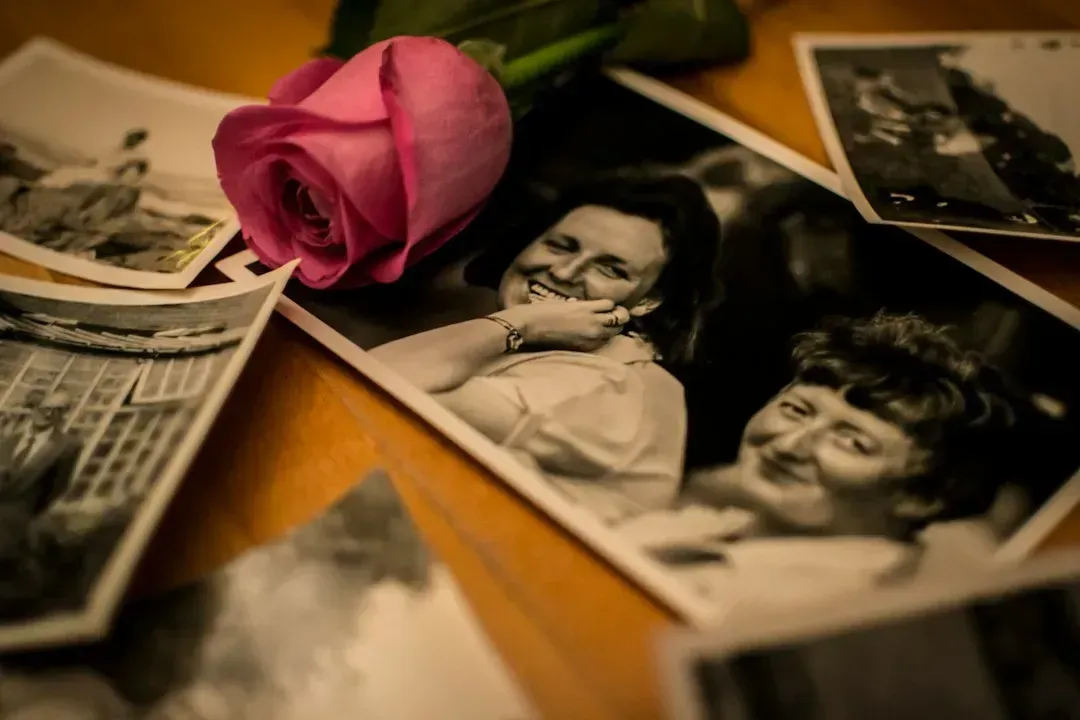
Nobody posted a dinner or a movie night in 1985. There were photos, sure, but they sat in a shoebox until the film got developed. A date belonged to the two people on it.
Men who remember this often say it took pressure off. There was no curated image to maintain and no audience quietly grading the evening. Today’s constant documentation can make early dating feel a bit like a performance.
Fewer Options, Less Second-Guessing
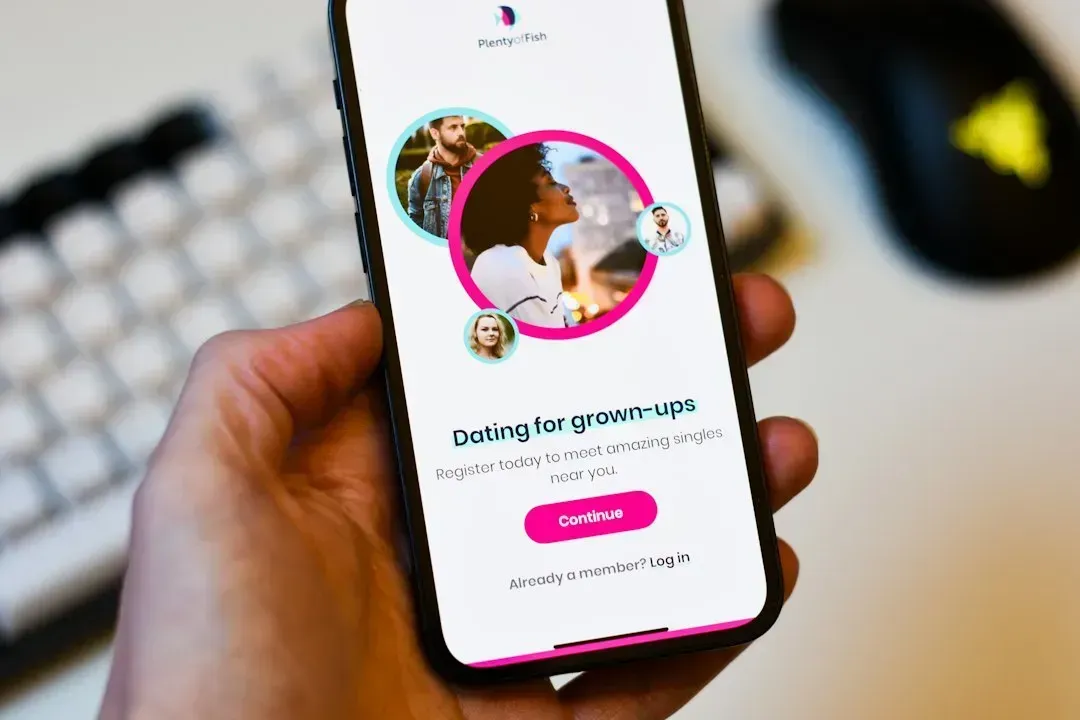
Psychologists have long discussed the paradox of choice, the idea that more options can make people less satisfied with the one they pick. Dating apps put that idea into daily practice. When the next profile is a thumb flick away, commitment can feel optional.
In the ’80s, if you liked someone, you tended to stay and find out more. Men looking back often describe that as simpler, not necessarily better. It meant spending time before deciding.
Mixtapes and Handwritten Notes
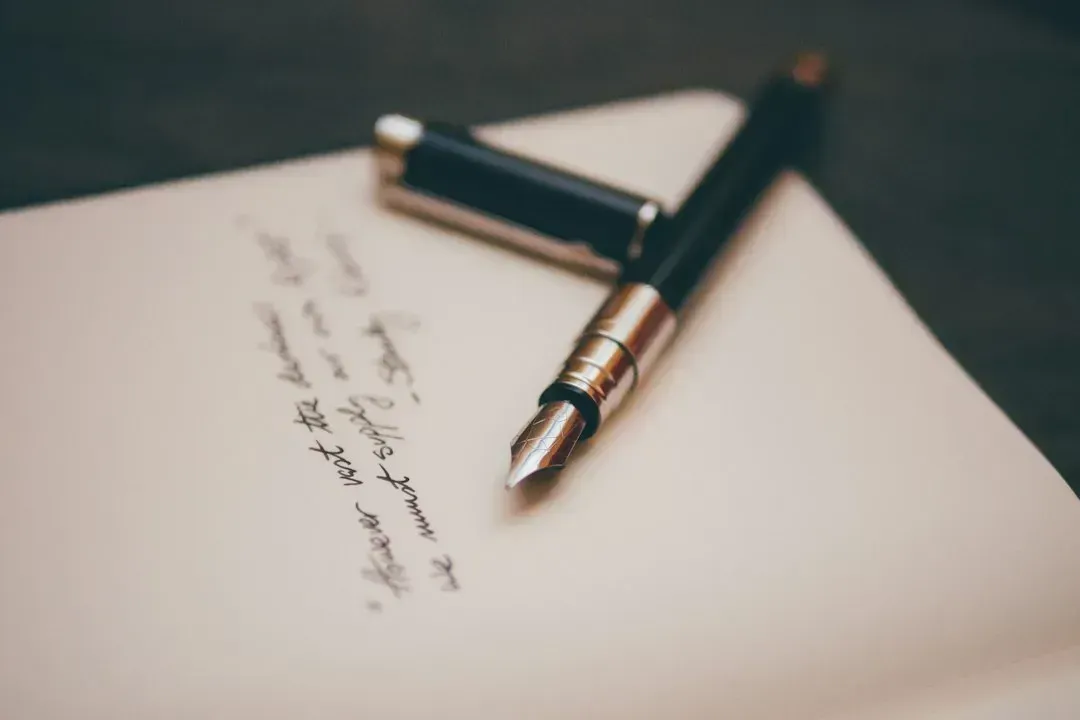
Making a mixtape took an afternoon, a stack of cassettes, and careful timing. Handing one over said something a playlist link doesn’t quite manage. The same goes for a handwritten note passed in a hallway or tucked into a car door.
Those gestures cost effort, and effort was the message. Men often say they miss having a physical object that showed thought. A digital playlist is easier to make, which is precisely why some feel it means less.
Clear Expectations About Going Out
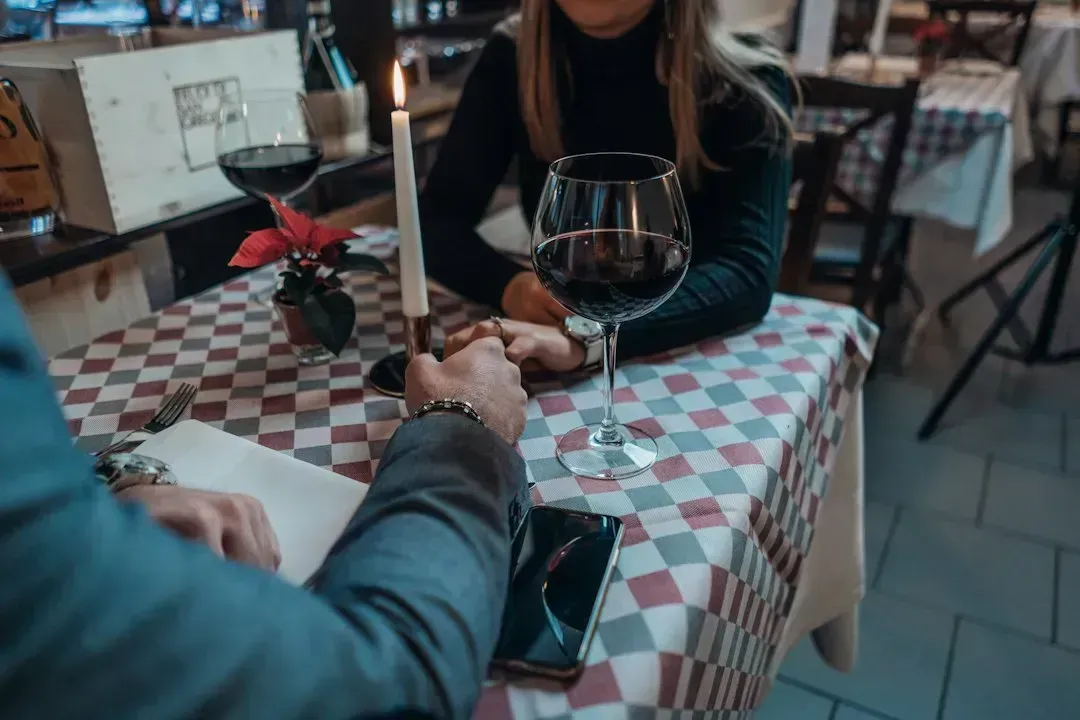
Dating in that era generally followed a recognizable script. A man asked, planned, and picked her up, and everyone knew it was a date. There was less of the modern fog around whether a meetup was romantic or just friendly.
Today, terms like situationship describe a common gray area, and many daters of all genders find it tiring. Some men miss the clarity, though plenty of women at the time found those rigid roles limiting. The script gave certainty, but it also came with pressure.
Taking Time to Get to Know Someone

Without instant messaging, relationships built slowly. You saw each other at set times, and anticipation did some of the work. Letters, long calls, and weekend plans stretched out the early stages.
Many men say that pace made connections feel more solid. Modern dating can compress everything into fast messages and quick judgments. Looking back, they aren’t asking for the past, just a little more patience.




Leave a Reply