
Watching how a dog or cat approaches its food bowl might seem like a small thing, but veterinarians often point to mealtime behavior as one of the more reliable windows into a pet’s life stage. The way an animal eats, how fast it moves toward the bowl, and even how it reacts to changes in food texture can shift noticeably as pets move from puppyhood or kittenhood into their senior years.
These patterns aren’t just quirky observations either. They tie directly into metabolism, dental health, sensory decline, and muscle strength, all of which change predictably with age. Below are nine feeding habits that vets frequently flag as telling signs of how old a pet really is, regardless of what the calendar says.
1. Wolfing Down Food in Seconds
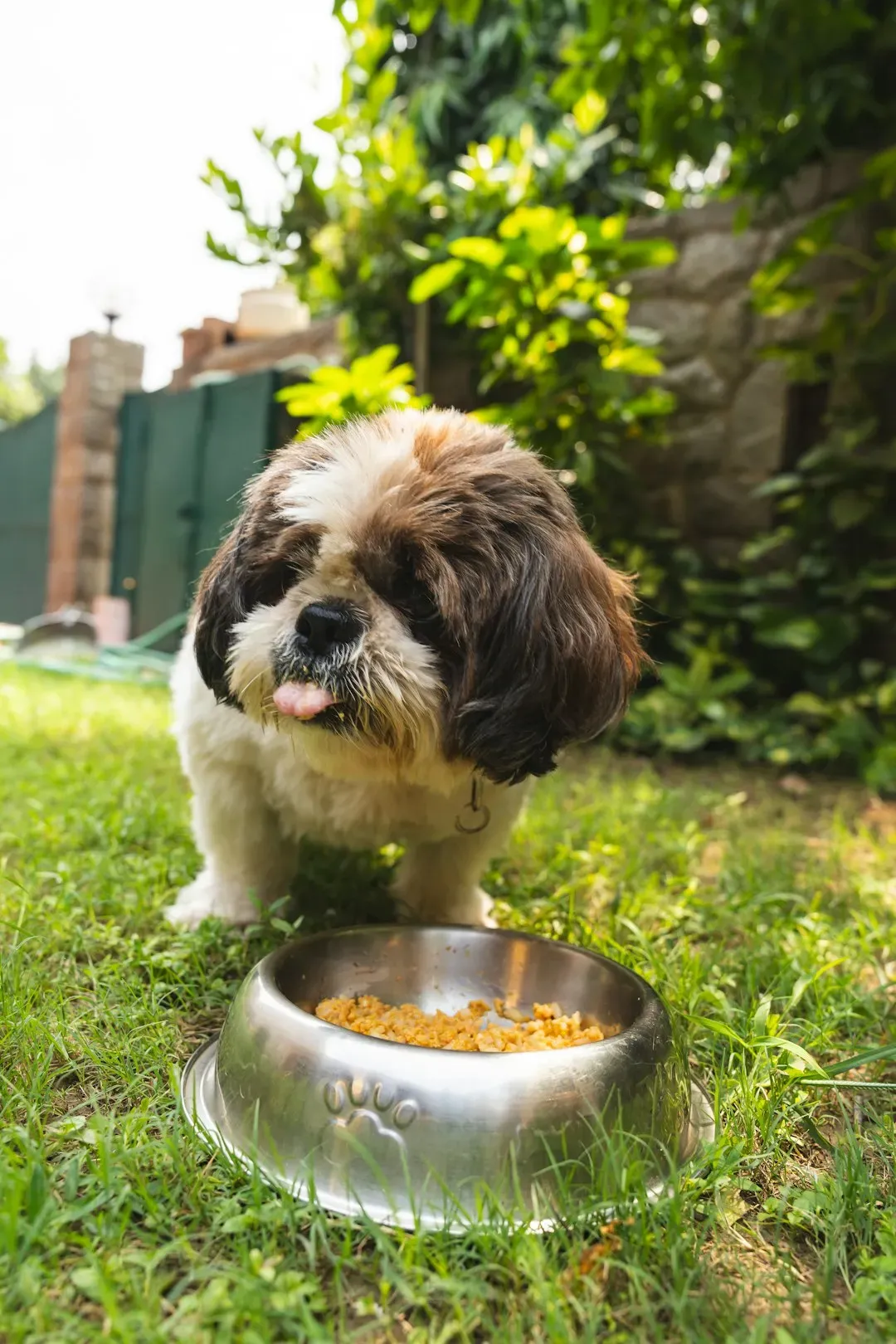
Young puppies and kittens often eat with a kind of reckless enthusiasm, finishing a bowl in under a minute without pausing for breath. This isn’t just excitement, it reflects a still-developing sense of satiety and a metabolism that’s burning through calories at a rapid clip to support growth. Vets note that this fast, almost frantic eating style tends to be most pronounced in animals under one year old.
As pets mature, that urgency generally softens into a steadier, more relaxed pace. An older dog or cat that still eats at breakneck speed may simply have learned the habit early and never unlearned it, but sudden fast eating in a previously calm senior pet can also point to anxiety or a medical issue like intestinal parasites, so context matters.
2. Grazing Throughout the Day
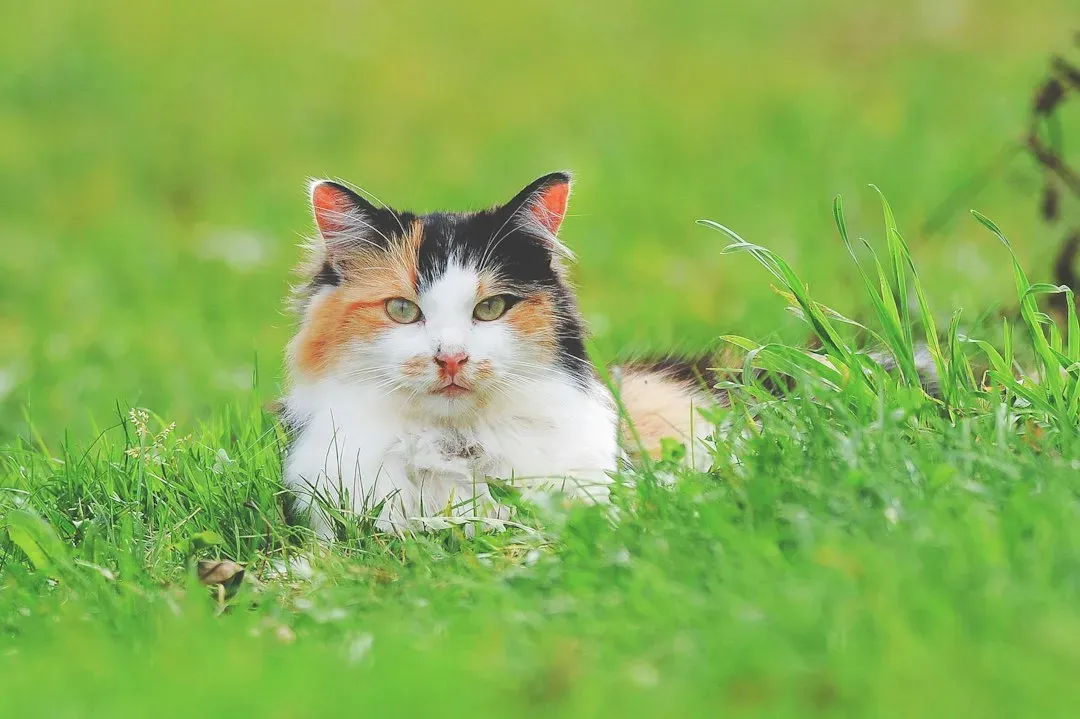
Middle-aged and senior cats in particular tend to shift toward grazing, taking small amounts of food several times throughout the day rather than eating a full meal at once. This is partly behavioral and partly physiological, since older cats can have reduced stomach capacity and slower gastric emptying compared to younger animals. Dogs show a milder version of this too, especially smaller senior breeds.
Grazing isn’t inherently a red flag, but vets often use it as one clue among several when estimating a pet’s age or life stage during a wellness exam. A young, healthy kitten grazing constantly is unusual and worth mentioning to a vet, while the same behavior in a twelve-year-old cat is fairly expected.
3. Needing Food Softened or Soaked
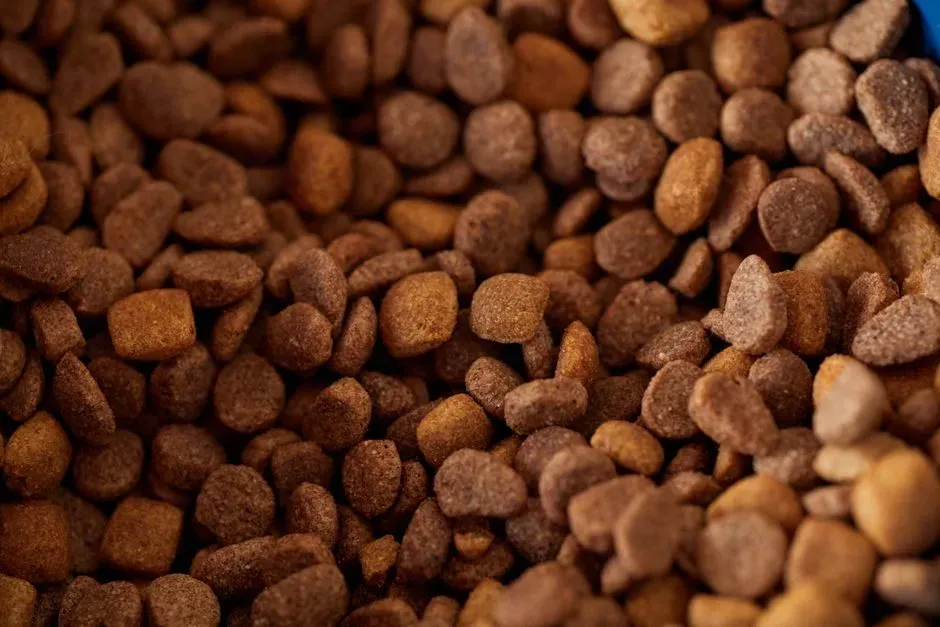
Older pets, especially those over eight or nine years old, frequently develop a preference for softened kibble, whether that means adding warm water, switching to wet food, or choosing smaller kibble sizes. This shift usually traces back to dental disease, worn teeth, or sore gums, all of which become more common with age. Periodontal disease affects a large share of dogs and cats by middle age, and many owners don’t notice until eating habits change first.
Vets often ask directly whether a pet has started avoiding dry kibble or chewing more slowly, since this single detail can help narrow down both age-related dental wear and overall health status. A young pet with healthy teeth rarely shows a preference for soft food unless there’s an unrelated issue like a recent extraction.
4. Losing Interest in Treats
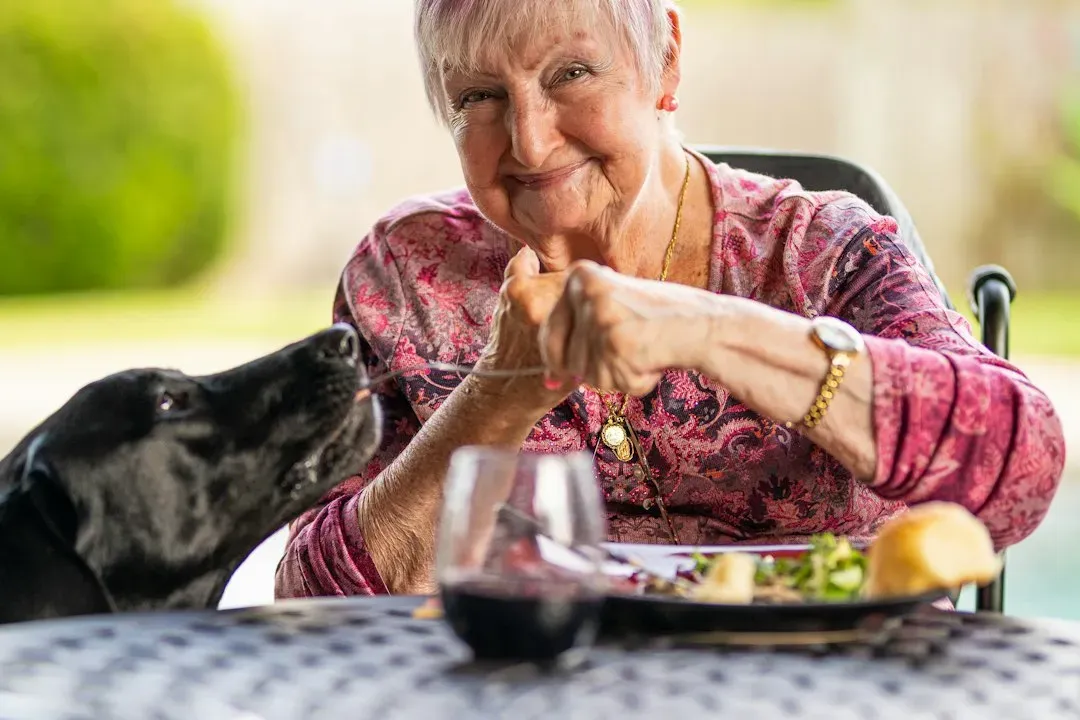
Puppies and kittens are famously treat-motivated, often willing to do almost anything for a small reward during training. That enthusiasm can fade with age, not because the pet stops enjoying food, but because senses of smell and taste gradually decline, particularly in cats over ten and dogs over eight or nine. Vets sometimes describe this as one of the quieter signs of aging, since it happens slowly enough that owners may not connect it to age until asked directly.
A senior pet turning down a treat it once loved isn’t automatically cause for alarm, but a sudden refusal of all food, including favorites, warrants a vet visit. The distinction between gradual disinterest and abrupt appetite loss is something veterinarians pay close attention to during checkups.
5. Begging Less at the Table
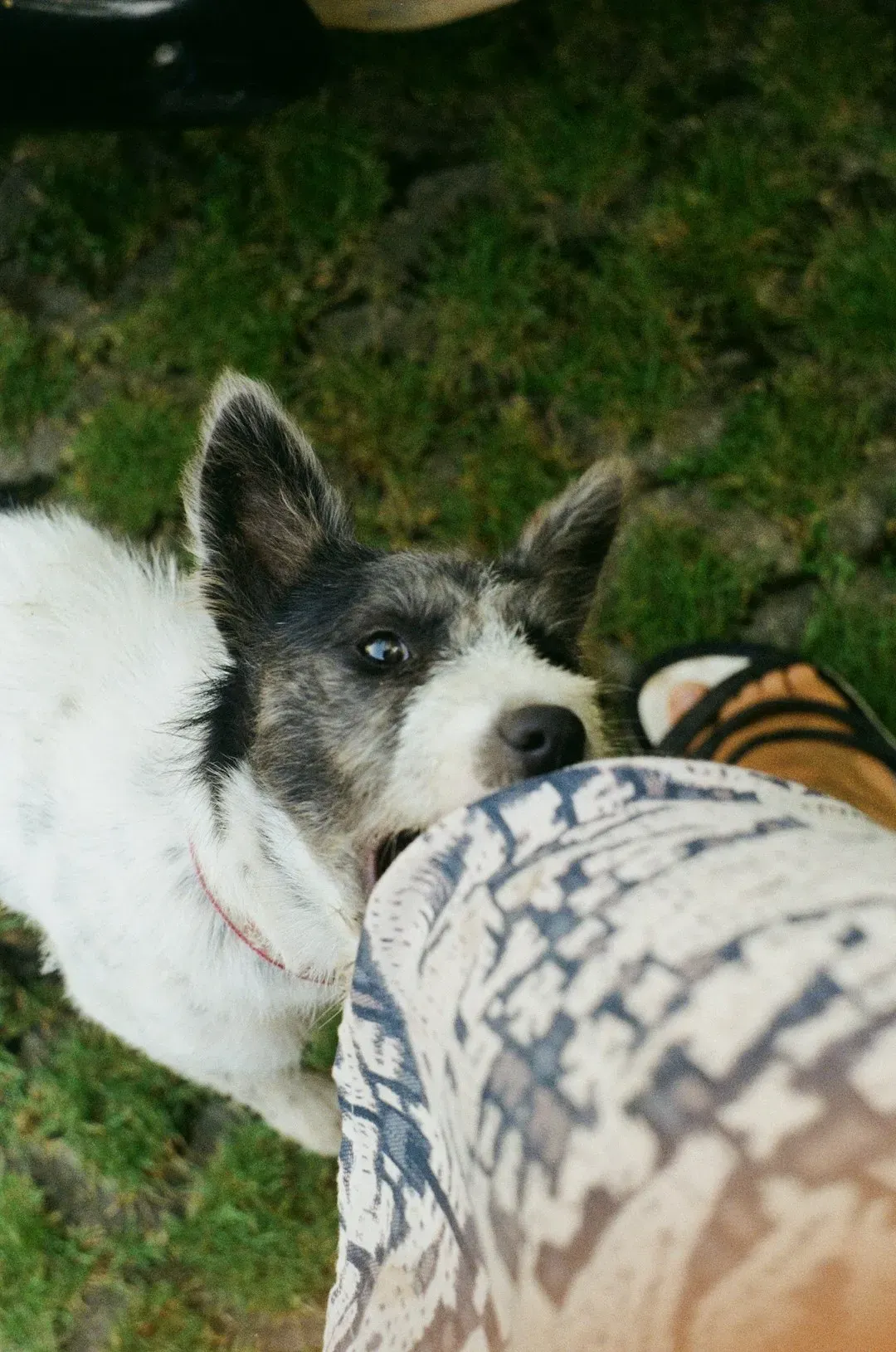
Younger dogs, especially those between one and five years old, tend to be the most persistent beggars, hovering near the table with obvious hope. This behavior often has less to do with hunger and more to do with high energy levels, strong food drive, and a still-developing sense of household boundaries. Puppies in particular haven’t yet learned that begging usually doesn’t work.
Older dogs, especially those past eight or nine, frequently mellow out on this front, choosing to nap nearby rather than actively pursue scraps. Vets sometimes note this shift as part of a broader pattern of reduced activity and lower overall drive that comes with normal aging, separate from any medical concern.
6. Struggling to Reach a Raised Bowl

Elevated food bowls are common in many households, but senior pets, particularly larger dog breeds over seven years old, can start showing subtle difficulty reaching or maintaining position at a raised bowl. This often ties back to arthritis, which affects a substantial portion of senior dogs and reduces comfortable range of motion in the neck and joints. Vets frequently ask owners whether their pet has changed posture while eating, since this detail can reveal joint pain before it becomes obvious in other ways.
Younger, healthy pets typically show no hesitation around bowl height and can easily crouch, stretch, or shift position without discomfort. A noticeable change in eating posture, especially paired with slower movement afterward, is one of the more physically visible age indicators vets look for.
7. Drinking More Water Around Meals
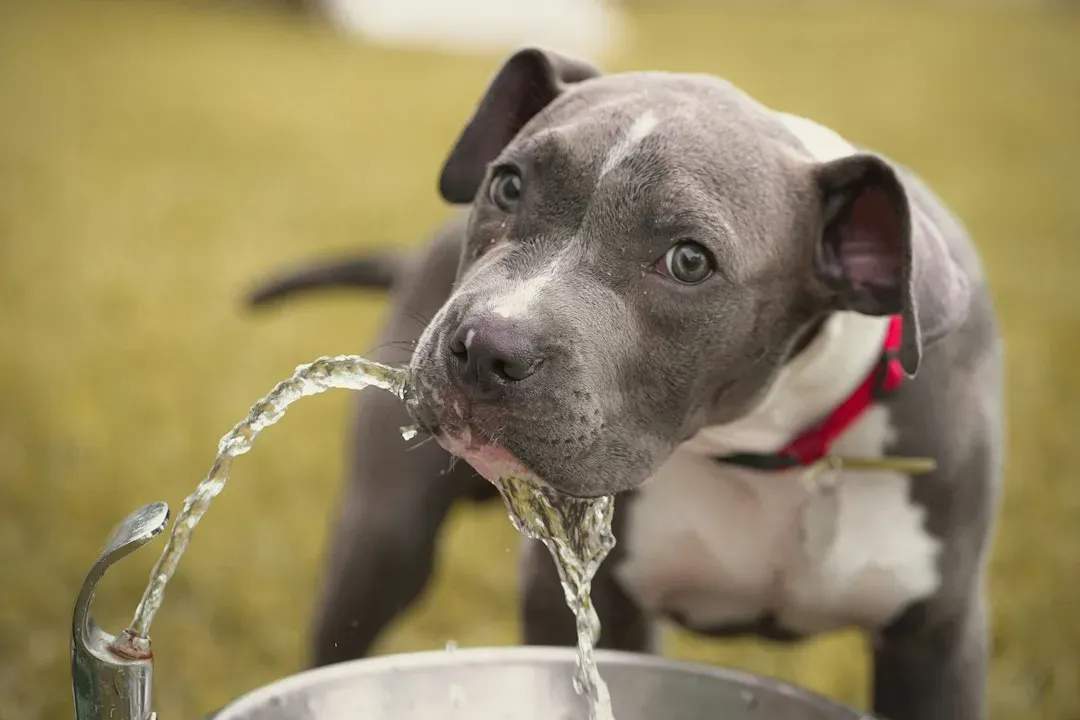
Increased thirst alongside meals is something vets associate with both normal aging and, in some cases, underlying conditions like kidney disease or diabetes, both of which become more prevalent in pets over eight years old. A young, healthy pet typically drinks a fairly consistent amount tied closely to activity level and weather. Older pets, by contrast, may show a gradual uptick in water intake that owners notice specifically around feeding times.
This is one of the habits vets take most seriously, since increased thirst combined with changes in appetite can be an early signal of metabolic changes common in senior pets. It’s rarely diagnostic on its own, but it often prompts bloodwork during routine senior wellness visits.
8. Preferring Consistent Feeding Times
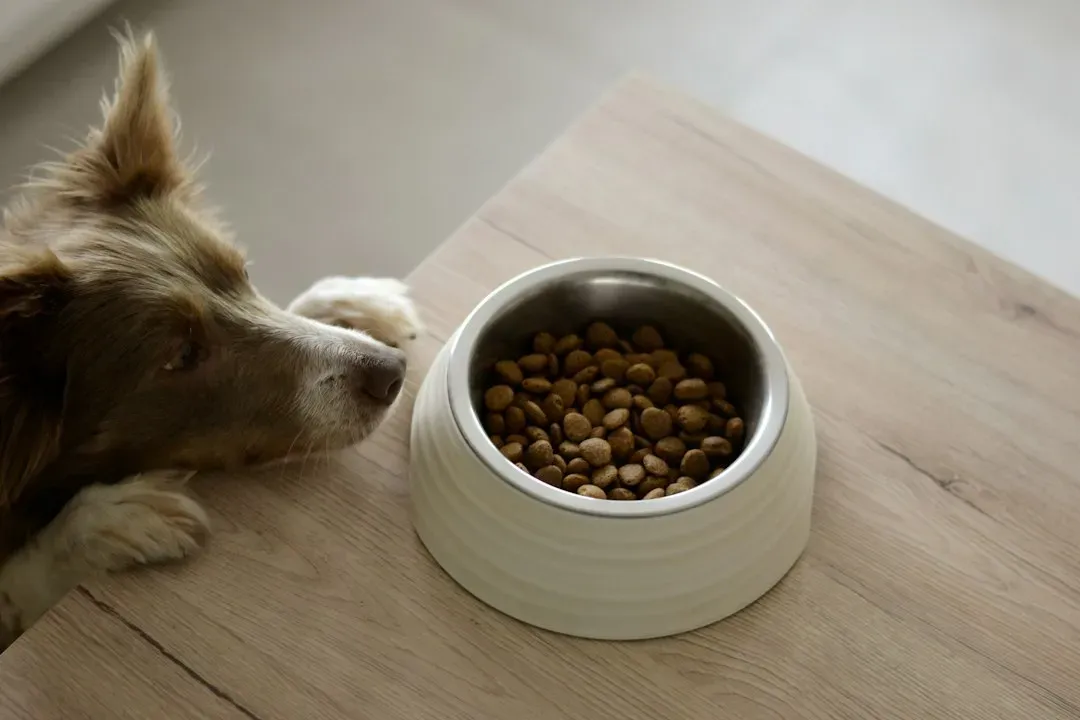
Puppies and kittens are often food-motivated enough to eat whenever offered, showing little concern for strict scheduling. As pets age, many develop a strong internal clock, becoming noticeably more insistent about eating at the same time every day. Vets link this partly to established routine and partly to digestive systems that function more predictably with regular timing, something more pronounced in pets over five or six years old.
This habit tends to intensify further in senior pets, some of whom become visibly anxious or vocal if a meal is delayed by even thirty minutes. It’s generally a benign personality shift rather than a medical concern, though vets do note it as a fairly reliable marker of maturity.
9. Eating More Slowly and Deliberately
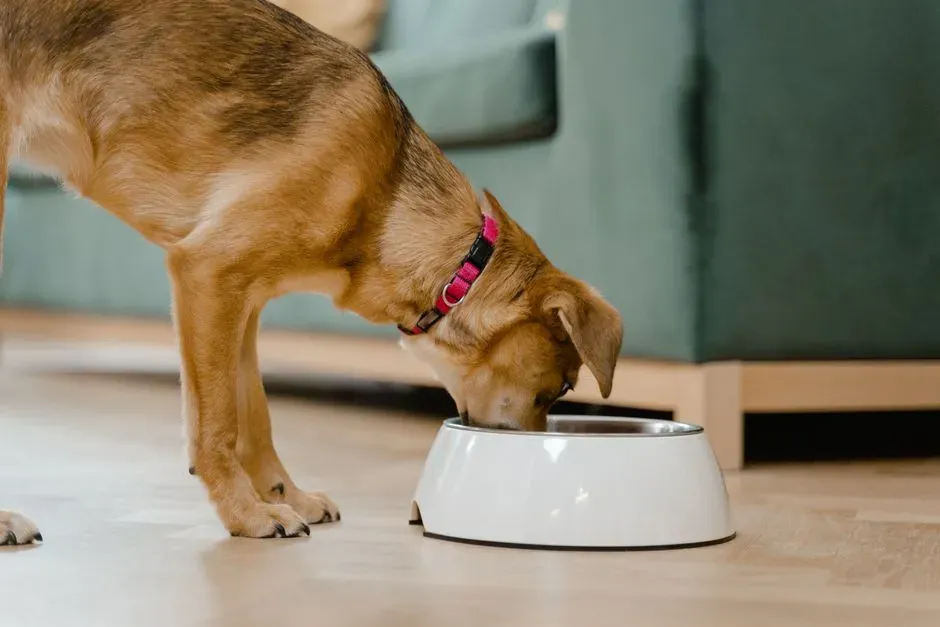
While young pets eat fast out of instinct, senior pets often slow down dramatically, taking noticeably longer to finish the same portion size they used to eat in minutes. This slower pace usually stems from a combination of reduced jaw strength, mild dental discomfort, and a generally calmer temperament that comes with age. Vets frequently observe this shift starting around seven to eight years old in dogs and slightly later in cats.
A slower eating pace on its own isn’t concerning, but vets do watch for pairing with other signs like food dropping from the mouth or reluctance to chew on one side, both of which can indicate dental pain requiring treatment. In healthy senior pets, this slower rhythm is simply part of a broader, gentler approach to daily routines that tends to accompany aging.





Leave a Reply