
1. Handwriting Thank-You Notes
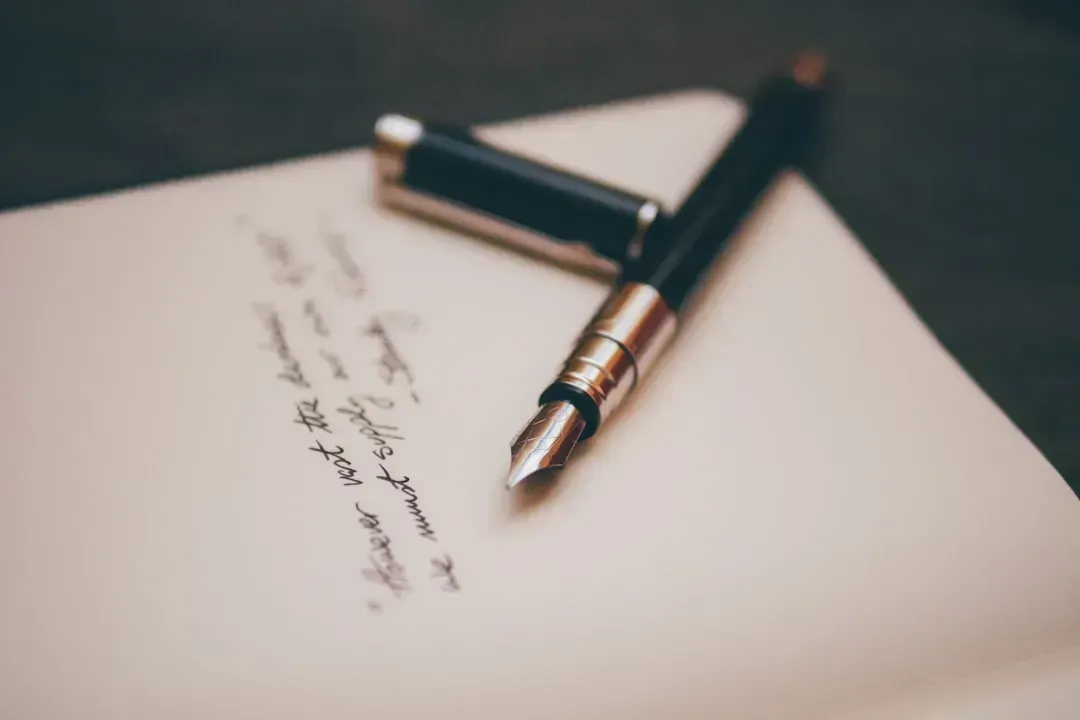
For decades, sending a handwritten thank-you note after a gift, dinner invitation, or job interview was simply what you did. It wasn’t optional or extra credit; it was the expected close to any social exchange involving someone’s time or generosity. Many people over 60 still keep a stash of stationery specifically for this purpose, treating a text message as a poor substitute.
The habit traces back to a time when written correspondence was the primary way people maintained relationships across distance. A 2023 survey by the Emily Post Institute found that younger adults are far more likely to send a thank-you via text or social media, if they send one at all. For older generations, the physical act of writing and mailing something still signals a level of effort that a quick digital message doesn’t quite replicate.
2. Answering the Phone Formally

There was a time when picking up the phone meant identifying yourself clearly, something like stating your name or household right away, rather than a casual “hey” or “yeah.” This wasn’t just about being businesslike. It reflected an era when phone calls were less frequent and more deliberate, so answering properly showed respect for the caller’s effort in reaching out.
Many older adults still answer landlines and even cell phones with a formal greeting, a habit rooted in decades of home phone etiquette. Younger generations, having grown up with caller ID and text-first communication, tend to skip formalities entirely, often just saying “hello” or nothing distinct at all. The shift reflects how phone calls themselves have become less central to daily communication for people under 40.
3. Dressing Up for Air Travel

Flying used to be treated as an occasion, not just a mode of transportation. People over 60 often recall a time when boarding a plane meant putting on slacks, a collared shirt, or a proper dress, not sweatpants or pajama bottoms. This custom stemmed from air travel’s early decades, when flying was expensive and reserved for special trips rather than routine commutes.
Today it’s common to see travelers of all ages in loungewear, but many older passengers still make an effort to look presentable before heading to the airport. This isn’t about vanity so much as a lingering sense that public spaces, including airplane cabins, call for a baseline level of self-presentation. The contrast becomes especially visible on longer international flights, where formality has all but disappeared among younger travelers.
4. Standing When Someone Enters the Room

Standing up to greet a guest, an elder, or someone in a position of authority used to be an automatic social reflex. It communicated attentiveness and respect without needing to say a word. Many people over 60 still do this instinctively, whether it’s rising for a grandparent entering a room or standing when introduced to someone new at a gathering.
Younger generations, raised in more casual social settings, often remain seated during introductions, not out of rudeness but because the custom simply wasn’t reinforced growing up. Workplace and classroom norms have also shifted, with fewer formal cues prompting people to stand. The gesture hasn’t disappeared entirely, but it’s become far less automatic outside of ceremonial or military contexts.
5. Not Discussing Money Openly

For much of the 20th century, talking about salaries, prices paid for homes, or personal debt was considered impolite, even among close friends. People over 60 often still treat financial details as private, something you simply don’t ask about or volunteer in casual conversation. This reticence was reinforced by cultural norms that equated financial privacy with dignity and self-sufficiency.
Younger generations, particularly those active on social media, have moved toward radical transparency about money, openly discussing salaries, rent, and debt as a way to combat pay inequality and financial shame. Pew Research has documented rising openness among younger workers about compensation compared to older cohorts. The generational gap here isn’t really about manners breaking down; it reflects a genuine shift in values around transparency versus privacy.
6. Waiting for Everyone to Be Served Before Eating

At a shared meal, older diners often wait until every plate has arrived and, in some households, until the host takes the first bite before picking up their own fork. This custom comes from formal dining etiquette that prioritized the group experience over individual convenience. It’s a small pause, but it signals patience and consideration for others still waiting on their food.
In faster-paced households and restaurants today, diners frequently start eating as soon as their plate lands, especially in casual settings or with takeout. Younger diners raised on grab-and-go culture often see this waiting period as unnecessary, particularly in group settings where food arrives staggered. The habit persists most strongly at formal family dinners, where older generations still tend to set the pace.
7. Writing Formal Letters Instead of Emails for Serious Matters
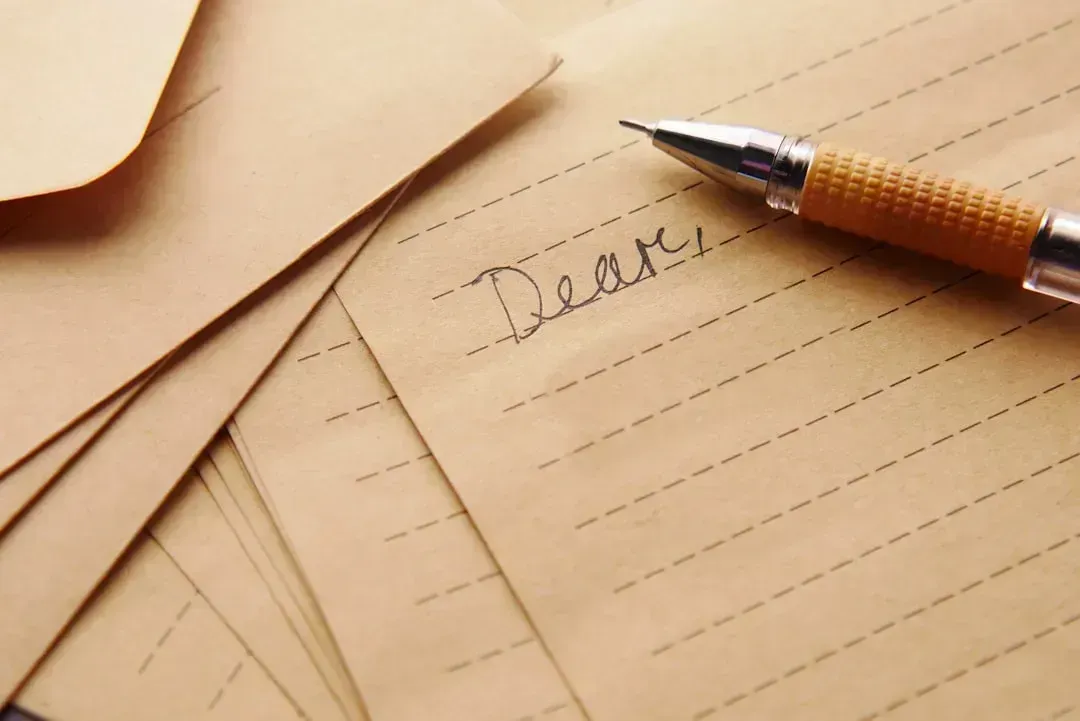
Before email became the default for nearly everything, serious correspondence, resignation notices, complaints, or condolences, was handled through a formally written and signed letter. People over 60 often still feel that certain messages deserve the weight of paper, even if they use email for daily communication. The formatting, tone, and physical signature carried meaning that a typed message doesn’t fully capture.
Younger professionals have largely moved this kind of communication entirely into digital channels, including layoffs and resignations handled over email or messaging apps. This shift has sped up communication considerably but has also removed some of the ceremony that used to accompany major life or career transitions. Older generations sometimes view this change as a loss of gravity around important moments, even while acknowledging its practicality.
8. Removing Hats Indoors
Taking off a hat upon entering a building, especially a home, church, or someone’s office, was considered basic courtesy for generations of men in particular. The custom dates back centuries and was tied to showing deference and respect in shared or sacred spaces. Many men over 60 still do this automatically, almost without registering it as a conscious choice.
Baseball caps and beanies have become nearly ubiquitous indoor accessories among younger generations, worn in restaurants, offices, and classrooms without much thought. The rule has softened considerably as casual dress codes have expanded into nearly every public setting. What was once a firm social expectation is now, at best, a mild personal preference among older adults.
9. Sending RSVP Responses Promptly and in Writing
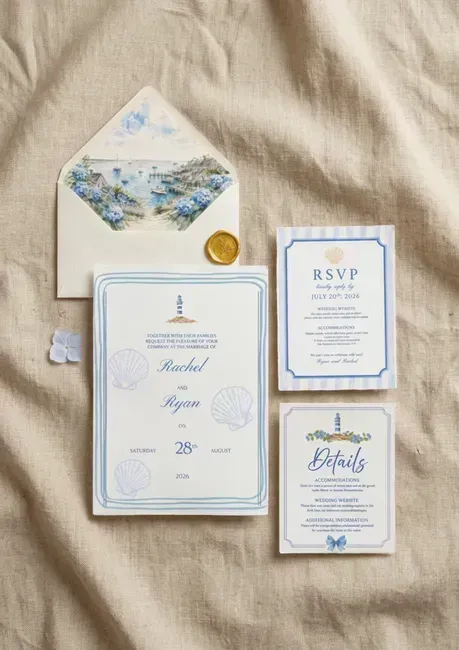
Responding to an invitation promptly, and in writing, used to be considered a basic obligation rather than an afterthought. People over 60 often still mail back response cards or call hosts directly to confirm attendance, treating the RSVP deadline as a firm commitment. This reflected a broader culture where hosts needed accurate numbers well in advance for planning purposes.
Modern digital invitations through apps and group texts have made RSVPs more casual and, frequently, less reliable, with many people leaving responses until the last minute or ignoring them altogether. Event planners have noted rising no-show rates and delayed responses as a persistent challenge in recent years. Older generations tend to view a prompt RSVP as a matter of respect for the host’s effort and expense, not just a logistical formality.
10. Giving Up Seats for Elders or Pregnant Passengers
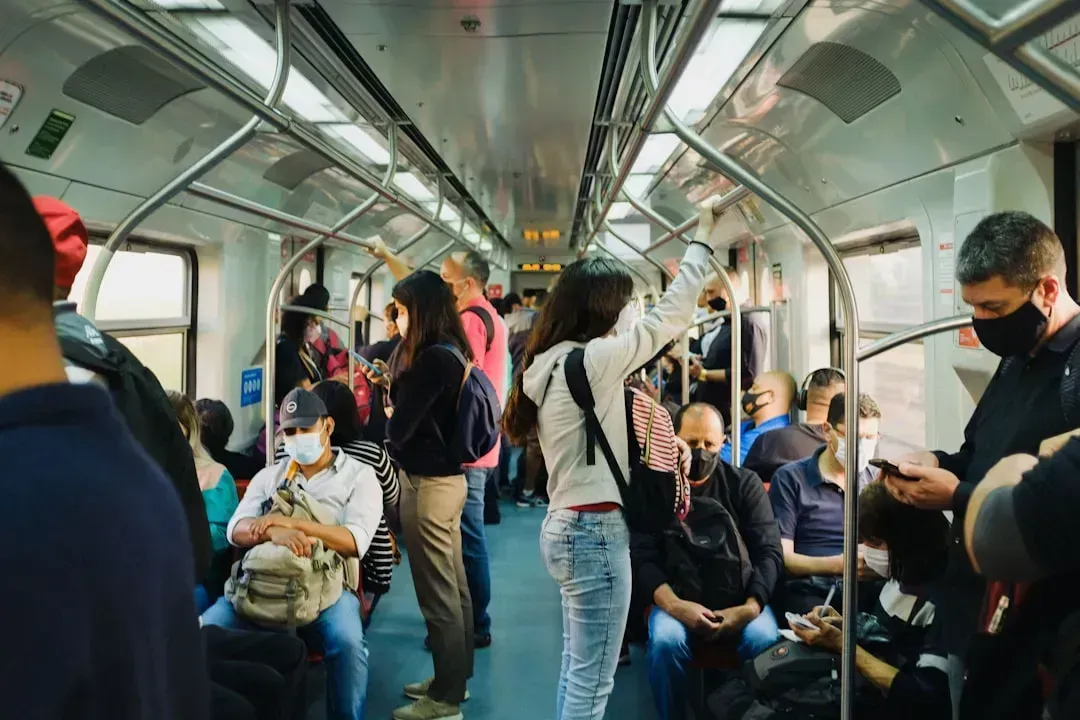
On buses, trains, and in waiting rooms, offering a seat to someone older, pregnant, or visibly struggling used to be an automatic, unspoken rule. People over 60 still tend to notice and act on this instinctively, often standing before being asked. It reflects a broader habit of scanning shared public spaces for who might need consideration.
Surveys on public transit behavior have repeatedly shown that younger commuters are less likely to offer seats, often citing headphones, phones, or simple distraction as reasons they miss the cue. This isn’t necessarily a rejection of the value itself, but rather a symptom of how much attention screens now absorb in public settings. The gesture still happens, just less consistently and less automatically than it once did.
11. Addressing Elders with Formal Titles

Calling adults “Mr.,” “Mrs.,” or “Ma’am” unless explicitly invited to use their first name was standard practice for much of the last century, particularly in the American South and in many immigrant households. People over 60 often maintain this habit, both in how they address others and in how they expect to be addressed by younger people. It was less about hierarchy and more about acknowledging age and experience with a small verbal gesture.
Younger generations have largely moved toward first-name familiarity across nearly all contexts, including with teachers, doctors, and even grandparents in some families. This shift mirrors broader cultural trends toward informality in workplaces and social relationships over the past few decades. For many older adults, though, the loss of formal address feels like a small erosion of the respect that titles used to automatically convey.
These habits didn’t vanish because people stopped caring about courtesy. They faded as daily life sped up, communication moved online, and formality gave way to convenience in nearly every corner of modern living. What remains interesting is how many of these small gestures still linger in households and communities where older generations continue to model them, quietly keeping a different rhythm of politeness alive.

Leave a Reply