
1. Fewer Matches, More Meaningful Ones
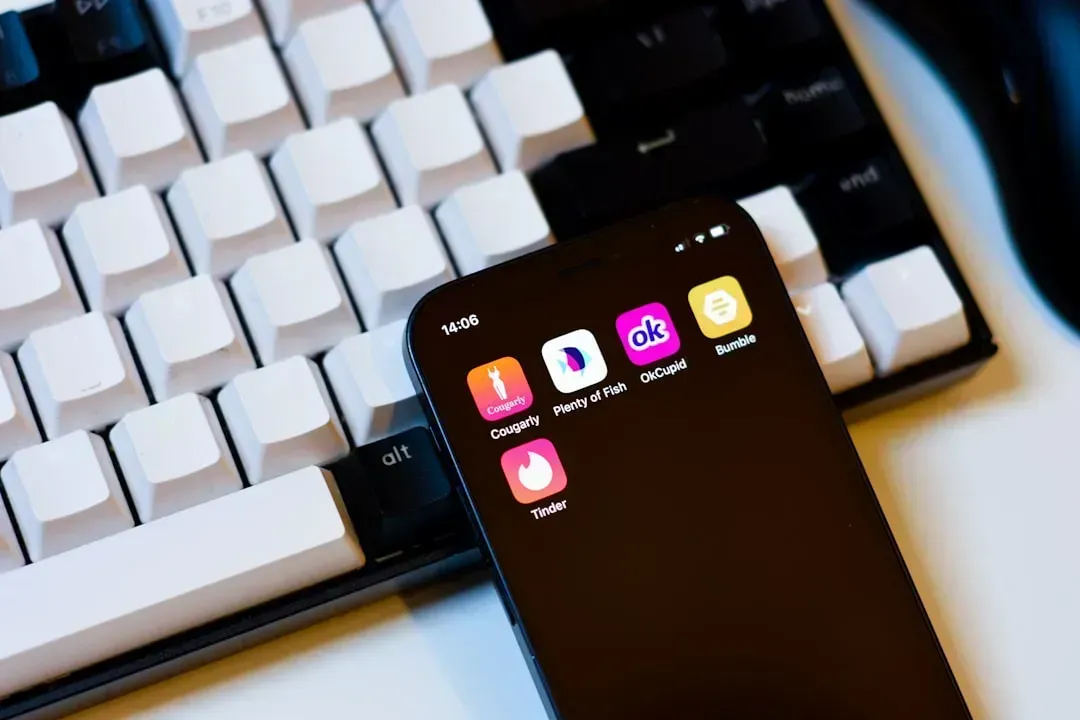
Most women aren’t short on options. If anything, the opposite is true. Pew Research Center found that 54% of women feel overwhelmed by the number of messages they receive, while 64% of men feel insecure about the lack of messages they receive. That imbalance means many women spend more time filtering than actually connecting.
What they privately wish for is a system that rewards depth over volume. Instead of fifty low-effort “hey” messages, they’d rather have five people who read their profile and asked a real question. In one recent survey, 40% of respondents said they struggled to find genuine connections on dating apps. The quantity is rarely the problem. The quality is.
2. A Dating World That Actually Feels Safe
Safety isn’t an abstract concern for most women using dating apps, it’s a lived reality that shapes how they behave online. 56% of women under 50 who have used dating sites or apps say they’ve been sent an unsolicited sexually explicit message or picture, about 43% say they’ve had someone continue to contact them after they said they weren’t interested, 37% say they’ve been called an offensive name, and 11% say they’ve received threats of physical harm. Those numbers explain a lot about why women approach new matches with more caution than enthusiasm.
This caution isn’t paranoia, it’s pattern recognition built from experience. Women are 16 points more likely than men to say dating sites and apps are unsafe for meeting people. What women wish were different isn’t complicated: fewer unsolicited messages, faster moderation, and platforms that treat harassment reports as more than a formality.
3. Less Guessing About What Someone Actually Wants
Mixed signals remain one of the most exhausting parts of modern dating. Someone seems interested, texts constantly, plans a date, then vanishes without explanation. Ghosting has become so normalized that many women no longer take it personally, but that doesn’t mean they’ve stopped wishing it weren’t the default.
What would help is simple honesty about intentions from the start. Surveys show a range of intentions among daters, with some interested in casual dates with just one partner, some wanting the same with multiple partners, and others after only a “friends with benefits” scenario or friendship. When those goals are stated plainly instead of discovered three dates in, it saves everyone time and spares a lot of unnecessary hurt.
4. A Break From the Financial Pressure of Dating
Dating has quietly become an expensive hobby, and the cost adds a layer of stress that rarely gets discussed openly. Dating is expensive, with the average cost being $213 per month and active daters spending over $300 per month. For many women, that’s money spent on outfits, transportation, and premium app subscriptions just to have a shot at meeting someone worthwhile.
It’s not that women expect dates to be lavish. Most would rather split a coffee with someone genuinely present than sit through an expensive dinner with someone checking their phone. What they wish were different is the quiet assumption that spending more money signals more effort, when often the opposite is true.
5. Effort That Matches the Interest Being Shown
There’s a specific kind of fatigue that comes from receiving dozens of messages that all say roughly the same thing. A one-word opener, a generic compliment, a message that clearly wasn’t written with any attention to the actual profile. It’s not that women expect poetry, they just want evidence that someone bothered to read past the photos.
This creates a lot of pressure for online daters who want to stand out and garner more likes with the best possible photos, and if you only have three seconds to impress a match, your photo game needs to be on point. Ironically, that pressure to look perfect often crowds out the kind of thoughtful, specific messaging that actually leads to real conversations. Women consistently say they’d trade a flashier profile for a more sincere first message any day.
6. A Slower, Less Transactional Pace
Modern dating apps are built around speed. Swipe, match, message, meet, repeat, all within days if not hours. That pace can make dating feel more like sorting through a catalog than getting to know a person, and a lot of women say they’d welcome a slower rhythm that leaves room for actual curiosity.
One study found that users went from spending around 100 minutes per day on dating apps in 2015 to 51 minutes in 2025. That drop suggests plenty of people are already pulling back from the constant swiping cycle. Many women see that shift as encouraging, a sign that the industry might eventually favor depth over the endless scroll.
7. Fewer Surprises Between the Profile and the Person
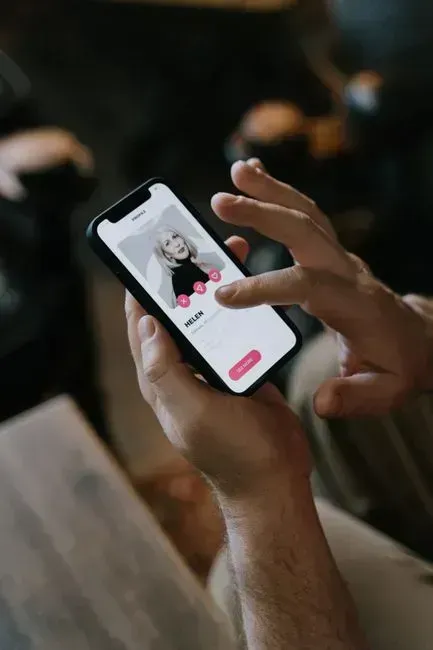
Small exaggerations on dating profiles are common enough that most women expect them, but they still wish they didn’t have to brace for the gap between a profile and reality. Height, job titles, recent photos, all get quietly rounded up in ways that shift first impressions before a date even begins. It’s a minor deception on its own, but it chips away at trust over time.
Roughly seven-in-ten online daters believe it is very common for those who use these platforms to lie to try to appear more desirable. What women say they’d prefer isn’t perfection, it’s accuracy. A slightly less polished but honest profile beats a flawless one that doesn’t match the person who shows up.
8. Less Burnout Baked Into the Process Itself
Dating app fatigue isn’t just a mood, it shows up consistently in research, and women report it more than men do. 80% of women reported feeling some level of burnout, whereas for men it was slightly lower at 74%, research found. That gap suggests the emotional cost of modern dating lands harder on women, even though the apps were supposedly built to make things easier.
Much of that exhaustion comes from the emotional whiplash of hope followed by disappointment, over and over. Pew Research found that among people who had used dating apps in the past year, around 88% of men and 90% of women said they often or sometimes felt disappointed by people they encountered through apps. Women aren’t asking for guaranteed outcomes, just a process that doesn’t feel quite so draining by design.
9. More Room for Connections That Don’t Start on a Screen
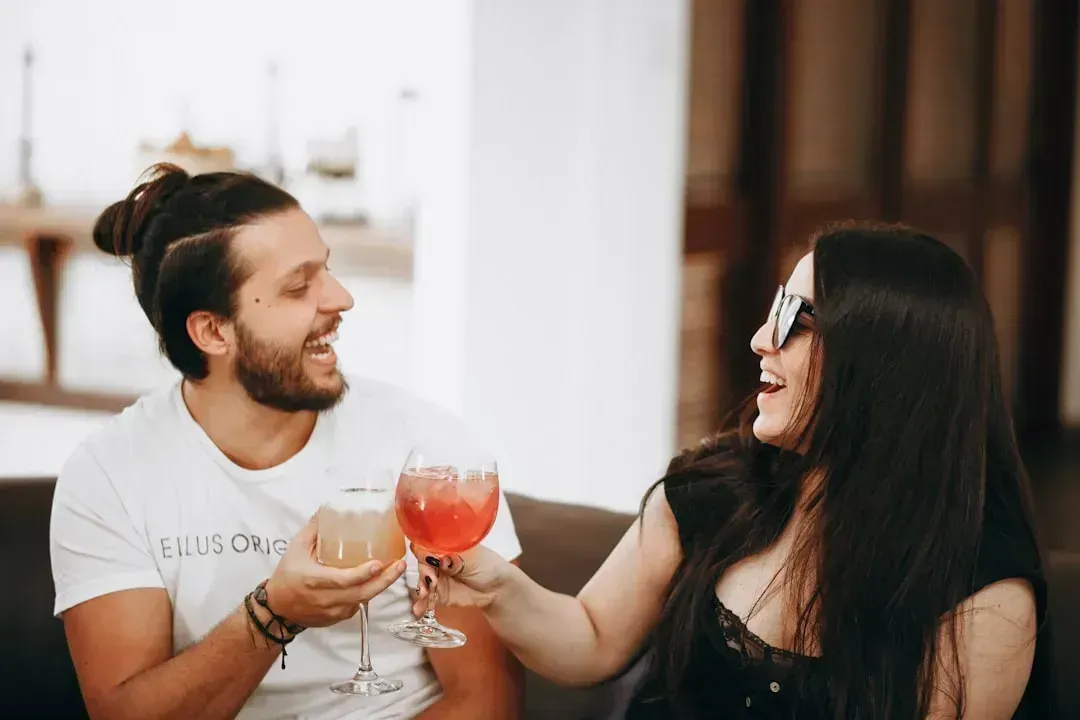
There’s a growing appetite among women for dating experiences that don’t begin with a swipe at all. In-person events, shared hobbies, friend introductions, these feel less transactional and more organic than another round of app matching. It’s less about rejecting technology entirely and more about wanting balance.
Despite being burned out by the swipe treadmill, singles aren’t giving up on finding love, but they are looking beyond the mainstream apps, with a growing trend toward exclusive, high-end dating platforms that emphasize quality over quantity. That shift reflects something many women have said for years: the goal was never to avoid dating, just to avoid the version of it that feels like an unpaid, unrewarding job. None of these wishes suggest women have given up on modern dating altogether. If anything, the opposite seems true. They keep showing up, adjusting their profiles, and giving new matches a chance, even while hoping the whole system eventually catches up to what they’ve been asking for all along.

Leave a Reply