
The fare bucket system hiding inside every flight
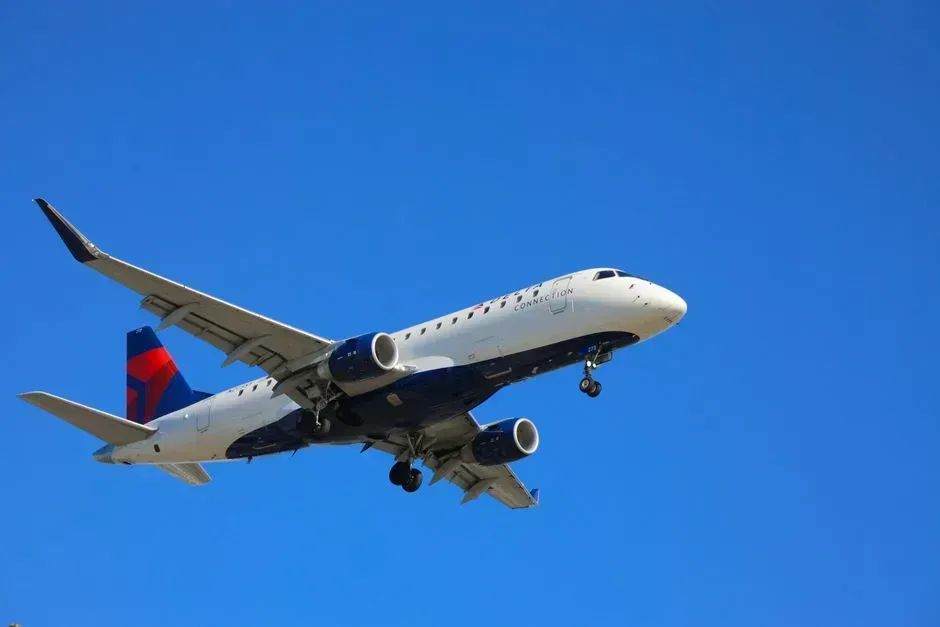
Every seat on a plane belongs to a coded category airlines call a fare bucket, a system that traces back to a simple IATA coding standard meant to separate cabin classes. Over the decades it evolved into something far more powerful: the primary tool airlines use to manage yield, meaning how much revenue they squeeze out of a fixed number of seats. Fare buckets started as a simple IATA coding system to differentiate cabin classes, then morphed into the airlines’ primary yield management tool in the deregulated era, and are now straining to accommodate truly dynamic pricing, with technological leaps from mainframe reservation systems to modern API-based distribution continually reshaping how these fare classes are managed.
The core idea hasn’t really changed even as the technology has: airlines sort travelers into groups based on how much they seem willing to pay. Airlines will likely always categorize customers into buckets by willingness to pay, though those buckets may become more fluid, data-driven profiles within an AI-driven offer management system rather than staying limited to the traditional letter codes, and as of 2025 the older bucket and inventory control system remains very much alive at the core of airline commerce. That’s why two people sitting next to each other on the same flight rarely paid the same amount for their seat.
Dynamic pricing isn’t personal, at least not yet
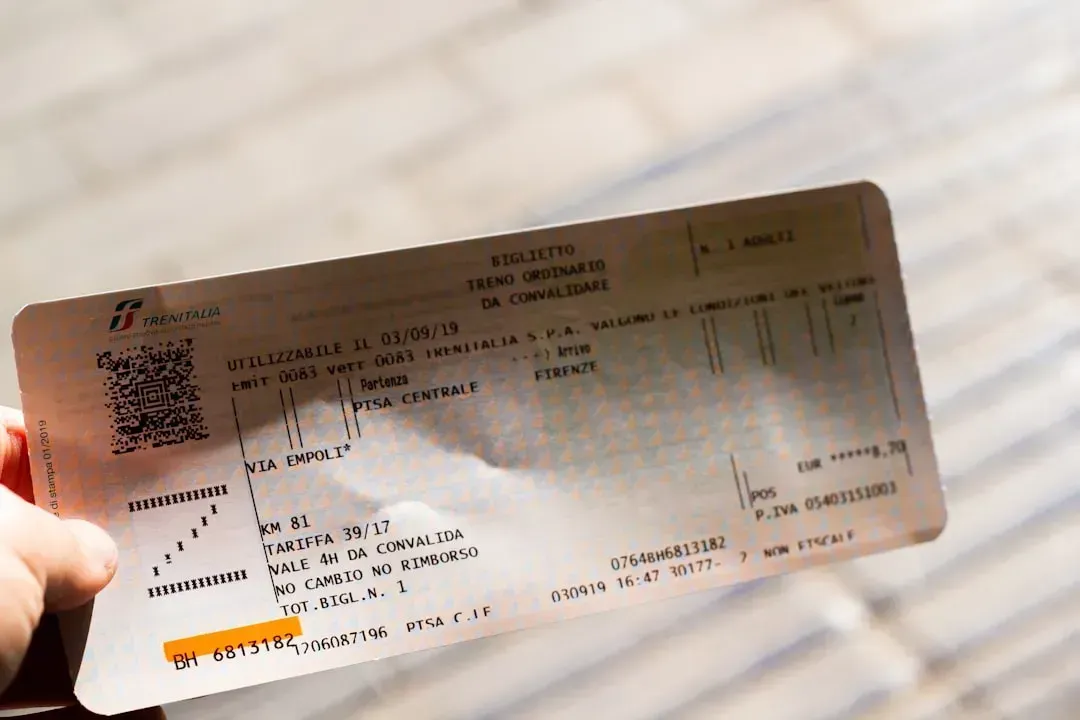
Most of what feels like mysterious price jumping is actually straightforward supply and demand math, run thousands of times a day across a network of routes. Airlines have been using dynamic pricing for years to adjust ticket prices in real time based on demand and availability, and the price you see can depend on a few key factors, like how early you are booking and how many seats are still available. There’s nothing shadowy about that part; it’s closer to a very fast-moving auction than a targeted scheme.
The mechanics are logical once you see them laid out. If a flight from Denver to New York is filling up quickly, the price will probably go up, but if there are still lots of empty seats close to departure, the airline might lower the fare to attract more buyers. Seasoned travelers sometimes treat that second scenario as a rule they can count on, but it only applies when a flight is genuinely undersold, which is far from guaranteed on popular routes.
The AI pricing shake-up that spooked Congress

In 2025, Delta Air Lines confirmed it was expanding its use of an AI-driven pricing engine built by an Israeli startup called Fetcherr, and the plan was aggressive. By the end of 2025, the airline was using AI to determine prices for up to 20% of its fares, up from the 3% previously managed by machine learning after the system was initially launched as a pilot covering just 1% of fares in late 2024. Delta framed this as a faster, smarter version of something airlines have done for a long time, noting that for more than three decades, airlines, including Delta, have used pricing systems and processes, such as optimized pricing, to adjust ticket prices regularly, with prices influenced by customer demand, purchasing data at an aggregated level, competitive offers, route performance, and fuel costs.
Lawmakers weren’t fully convinced that was the whole story. After sharp pushback from senators worried about “individualized” pricing tied to personal data, the airline walked the concept back publicly. Delta Air Lines said it will not use artificial intelligence to set personalized ticket prices for passengers after facing sharp criticism from U.S. lawmakers, telling senators there is no fare product it has ever used, tested, or planned to use that targets customers with individualized prices based on personal data. Other carriers, including American, distanced themselves from the idea entirely, with its CEO arguing publicly that pricing built to exploit personal vulnerabilities would damage consumer trust.
Surveillance pricing, and why the debate refuses to die down
The phrase “surveillance pricing” has become shorthand for a genuine gray area in modern commerce, not just an airline problem. Personalised pricing goes further than ordinary demand-based adjustments, using personal data such as browsing history, purchase habits, device, and even postcode to predict your willingness to pay, so that the price varies with the individual, which some call surveillance pricing, and two people looking at the same product at the same moment might see different prices. Airlines insist their current systems don’t work that way for base fares, but critics point out the industry has quietly used personal-style variables in ancillary pricing for years.
Regulators haven’t settled the question either. Surveillance-style pricing is emerging as a flashpoint in the airline industry, as carriers accelerate their use of artificial intelligence and granular customer data to set fares while regulators consider more oversight to prevent the practice. Until clearer rules exist, the honest answer is that nobody outside the airlines’ own pricing teams knows exactly how much personal signal, if any, quietly feeds into what you’re shown.
Does incognito mode actually save you money?

The advice to clear cookies or search in a private browser window has become travel folklore, and it isn’t entirely baseless, even if it isn’t the silver bullet people imagine. Pricing researchers note that consumer behavior is shifting in response to these worries. Consumers tend to get savvier over time, especially if they feel pricing isn’t working in their favor, and if people start to suspect they’re being charged more based on personal data, they might switch devices, clear cookies, or use incognito mode.
Travel-savings sites have turned this instinct into a checklist, though results vary by route and airline. Booking midweek, since ticket prices often drop on Tuesdays and Wednesdays due to lower demand, using incognito mode to prevent cookies from inflating prices based on search history, staying flexible with travel dates around holidays, and checking nearby airports are common tactics recommended to outsmart airline pricing algorithms. None of these tricks override actual seat scarcity, but they can occasionally nudge you into a cheaper fare bucket before it closes out.
How “extra” fees quietly became core airline income
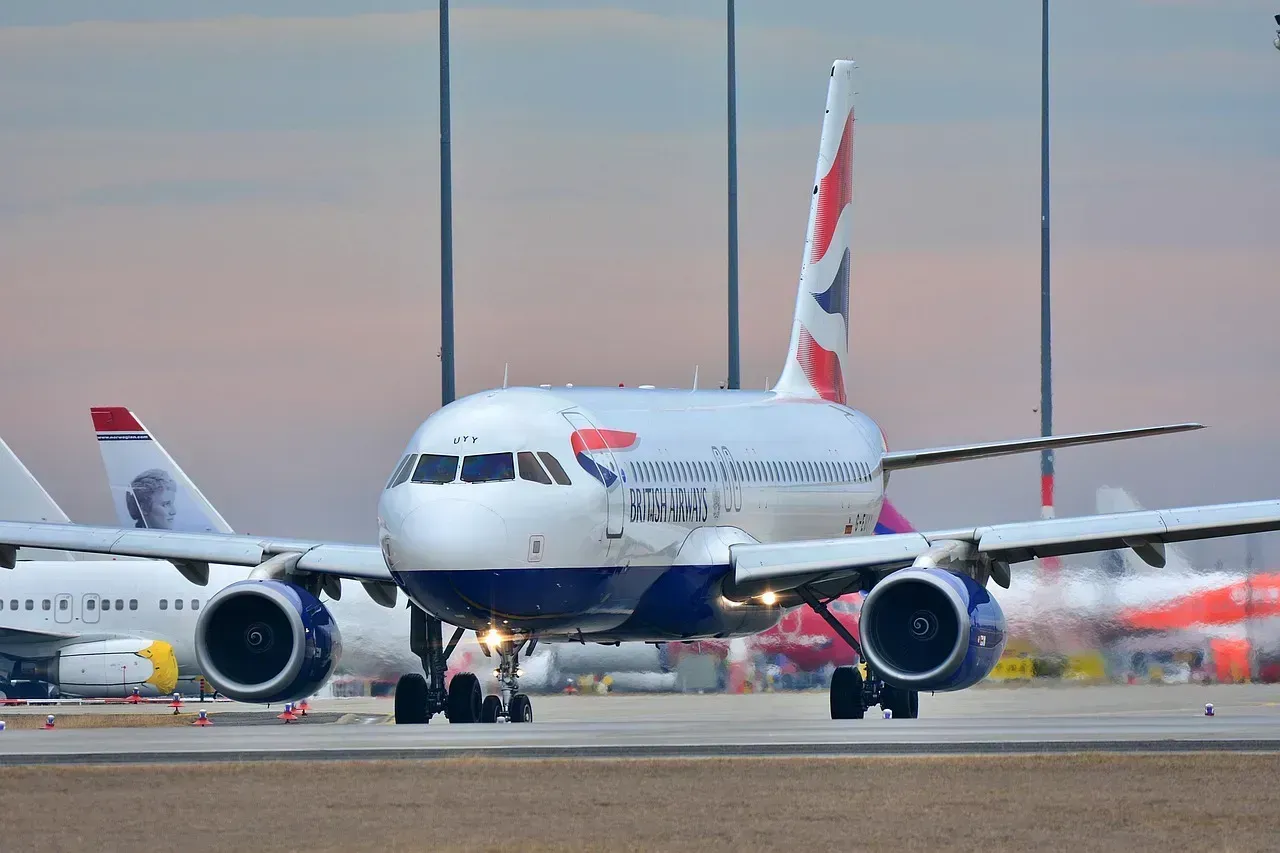
The base fare you see is increasingly just the entry price to a much larger menu. Global ancillary revenue, the money airlines make from things beyond the ticket itself, has grown at a startling pace. Airlines worldwide generated a record $157 billion in ancillary revenue in 2025, up from $148.4 billion in 2024, with ancillary revenue now accounting for 15.7% of total airline revenue, up from 9.1% in 2016.
Oddly enough, this hasn’t made flying more expensive overall, at least on paper. Despite the growing contribution of ancillary fees to airline revenue, consumers ended up paying significantly less overall for air travel, with the global average one-way base fare dropping from $294 in 2016 to a much lower inflation-adjusted figure by 2025. The trade-off is that comparing two ticket prices side by side now tells you far less about the real cost of a trip than it used to.
Basic economy and the unbundling of the ticket
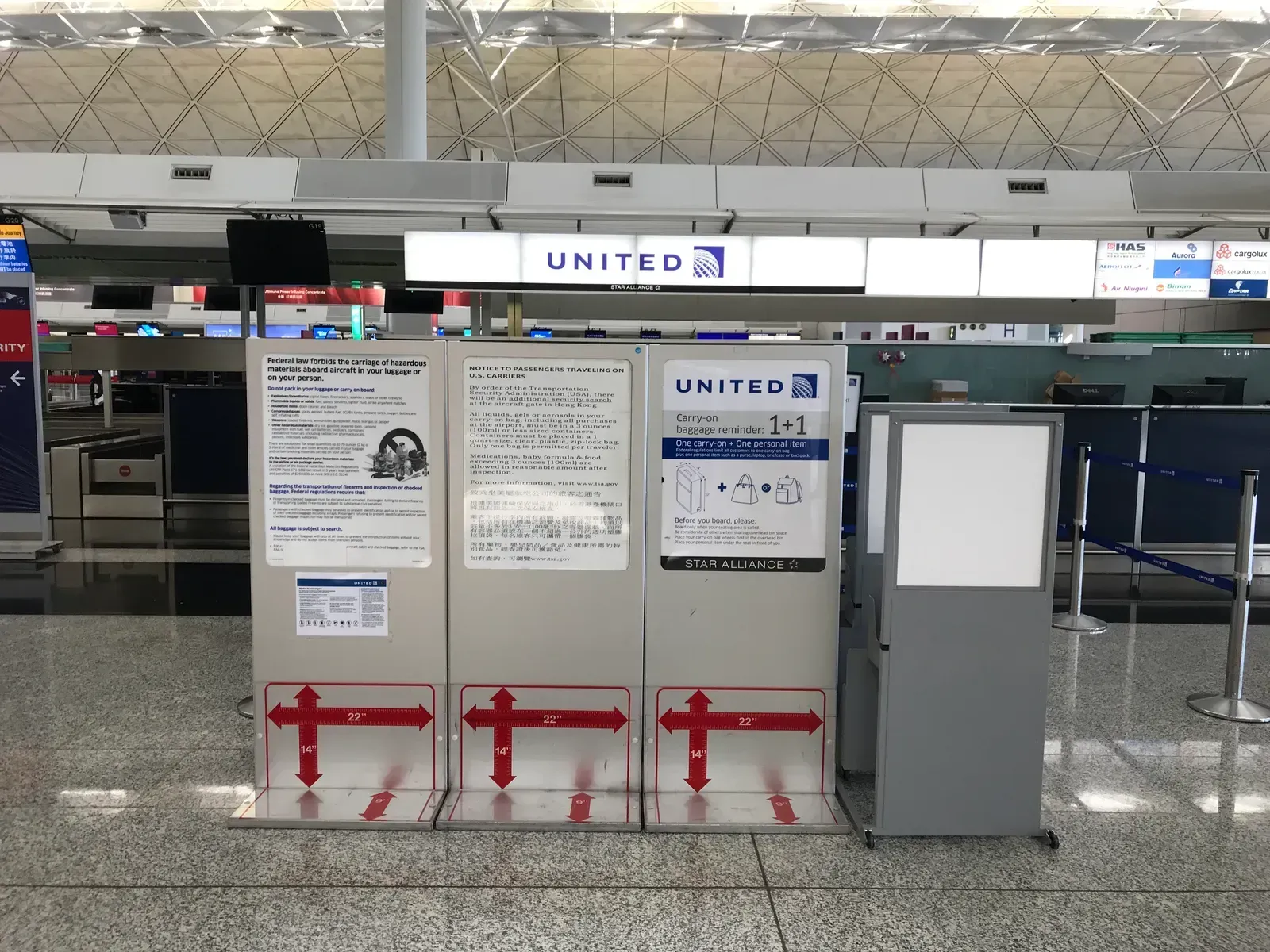
Basic economy fares were built to look like a bargain while quietly stripping out everything travelers used to assume was included. Basic economy is embraced by ever more airlines, ranging from traditional carriers to low-cost carriers all over the world, and while traditional airlines gained traffic through discounted fares, a per-passenger ancillary revenue increase helped offset that fare drop. The strategy works because most travelers don’t calculate the true all-in cost until they’re already mid-booking.
Even carriers once famous for including the basics have abandoned that model. Southwest Airlines, the last major US carrier to hold out, introduced a baggage fee for all but its elite frequent flyers, retiring its iconic Bags Fly Free policy after half a century under mounting investor pressure. Bag costs have kept climbing since, with reporting noting that in April 2026 several large US carriers raised a first checked bag to around $45 and a second to around $55, meaning no major US airline now offers a free checked bag to the general public.
Why “the best day to book” advice is mostly a myth
The idea that there’s a magic day of the week or a precise number of weeks before departure to snag the lowest fare has been repeated so often it feels like fact. In reality, pricing responds to inventory and demand curves that vary by route, season, and airline, not a universal calendar rule. That said, the general pattern holds often enough that travel deal services still build entire products around it.
What’s more reliably true is that flexibility beats timing tricks. Being open to a different date, a nearby airport, or even a slightly longer connection tends to save more money than obsessing over the exact hour to click purchase. The algorithms are reacting to seat scarcity in real time, so the “right moment” to buy is really just before a fare bucket you want closes out, and nobody outside the airline knows precisely when that will happen.
The junk fee disclosure rule that rose, fell, and rose again

Few regulatory stories capture the tug of war over airline pricing better than the fight over “junk fee” disclosure. In 2024, regulators finalized a rule requiring upfront display of baggage, change, and cancellation fees, estimating it would meaningfully cut what travelers overpay. The rule required airlines and ticket agents to tell consumers upfront what fees they charge for a first or second checked bag, a carry-on bag, and for canceling or changing a reservation, with consumers expected to save over $500 million annually in previously hidden fees.
That rule never fully survived the courts. The Fifth Circuit ruled on February 3, 2026, that the Department of Transportation violated administrative procedure when it issued the rule requiring airlines to clearly disclose additional fees upfront in the booking process. By that summer, the rollback was made official, since the July 2026 final rule formalized that outcome by rewriting federal regulations to delete the 2024 language and reinstate the 2011 standard, under which airlines must still publish baggage fee information on their websites but are not required to show the amounts the first time fares appear across every booking channel. The fees themselves never went away; only the requirement to show them clearly up front did.
Loyalty programs and credit cards are the industry’s hidden profit engine
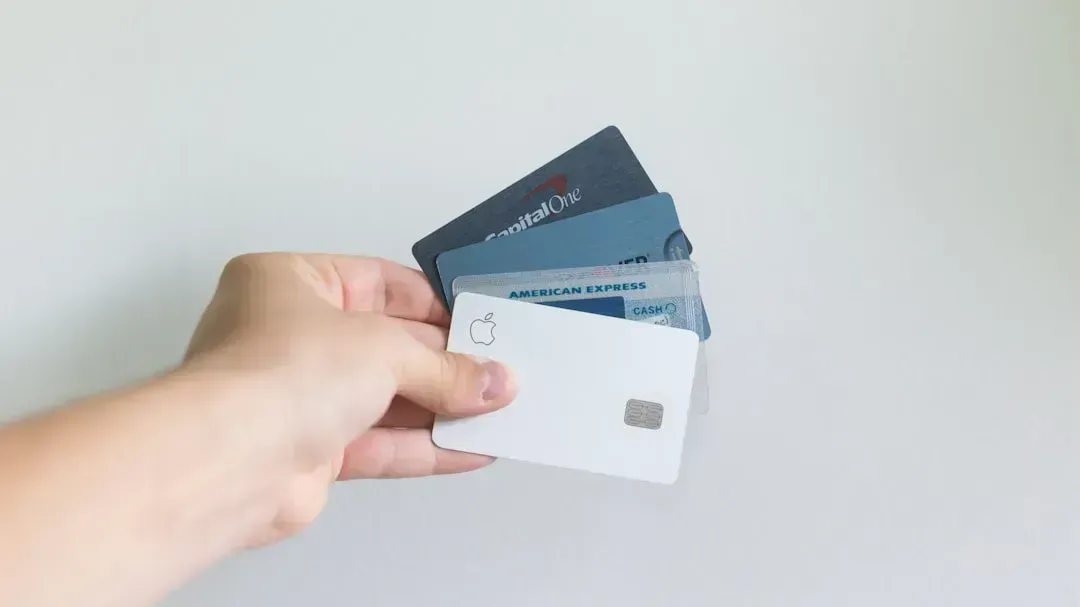
Frequent flyer miles look like a customer perk, but from the airline’s side of the ledger they’re closer to a financial product. Co-branded credit card partnerships now generate staggering sums. The five largest US airlines, Alaska, American, Delta, Southwest, and United, posted $28 billion in loyalty revenue, powered by co-branded credit cards.
This revenue stream often outpaces what most people assume drives airline profit. The top US airlines by total ancillary revenue in 2024 were United at $10.6 billion, Delta at $10.2 billion, and American at $9.2 billion, and the five largest US airlines combined posted approximately $28 billion in loyalty revenue alone, yielding an average of $35.48 per passenger. That’s a meaningful reminder that the seat you’re sitting in may be less profitable to the airline than the credit card offer they mailed you last month.
Codeshares, fare filing, and why routing quietly changes your price
Booking a flight sold by one airline but operated by another, known as a codeshare, adds another invisible layer to pricing. Fares are filed through systems built for interpretability and regulatory compliance, since interpretability is paramount because airlines need to file pricing rules with the Airline Tariff Publishing Company to distribute fares over the travel service network, with a potential rule specifying a set price for a given route, advance purchase window, and departure time. This filing structure is exactly why the same route can carry wildly different prices depending on which carrier’s code appears on the ticket, even if the physical plane and seat are identical.
Newer distribution technology is starting to loosen this rigid structure. Industry systems built around New Distribution Capability are pushing airlines toward real-time, offer-based pricing that isn’t tied to a fixed booking class the way older fare filings were. For travelers, the practical effect is that comparing prices across booking sites, direct airline pages, and third-party agents can surface genuinely different numbers for what looks like the same seat, simply because each channel is pulling from a slightly different pricing pipeline.
Final thoughts
![Final thoughts ([1], CC BY 4.0)](https://nvmwebsites-budwg5g9avh3epea.z03.azurefd.net/ourwabisabilife/c80bde554c5c041bbea864fb25cda9cc.webp)




Leave a Reply