
Most people first look at pet insurance after a vet bill surprises them. The product looks simple, but the fine print decides whether a claim gets paid or denied.
The market has grown quickly. Still, plenty of owners aren’t sure what they’d be buying. This article walks through the basics, one piece at a time.
How Pet Insurance Actually Works

Pet insurance is mostly a reimbursement model. You pay the vet first, then submit a claim and get part of the money back. Some clinics offer direct billing, but that’s the exception.
Your plan has three main levers: the deductible, the reimbursement rate and the annual or lifetime limit. A 90% reimbursement rate means the insurer pays 90% of the covered amount, not 90% of your total vet bill. Excluded costs are taken out before that percentage is applied.
The Three Main Types of Plans

Industry reporting sorts plans into a few categories. Accident only plans cover things like foreign body ingestion, lacerations, motor vehicle accidents, ligament tears and poisoning. They’re usually the cheapest option.
Next come accident and illness plans. These add illnesses such as cancer, infections and digestive problems on top of accident benefits. Then there are plans with embedded wellness, which may include vaccinations, early screening diagnostics, nutrition consultations and dental care. Those tend to cost more.
What Is Typically Covered
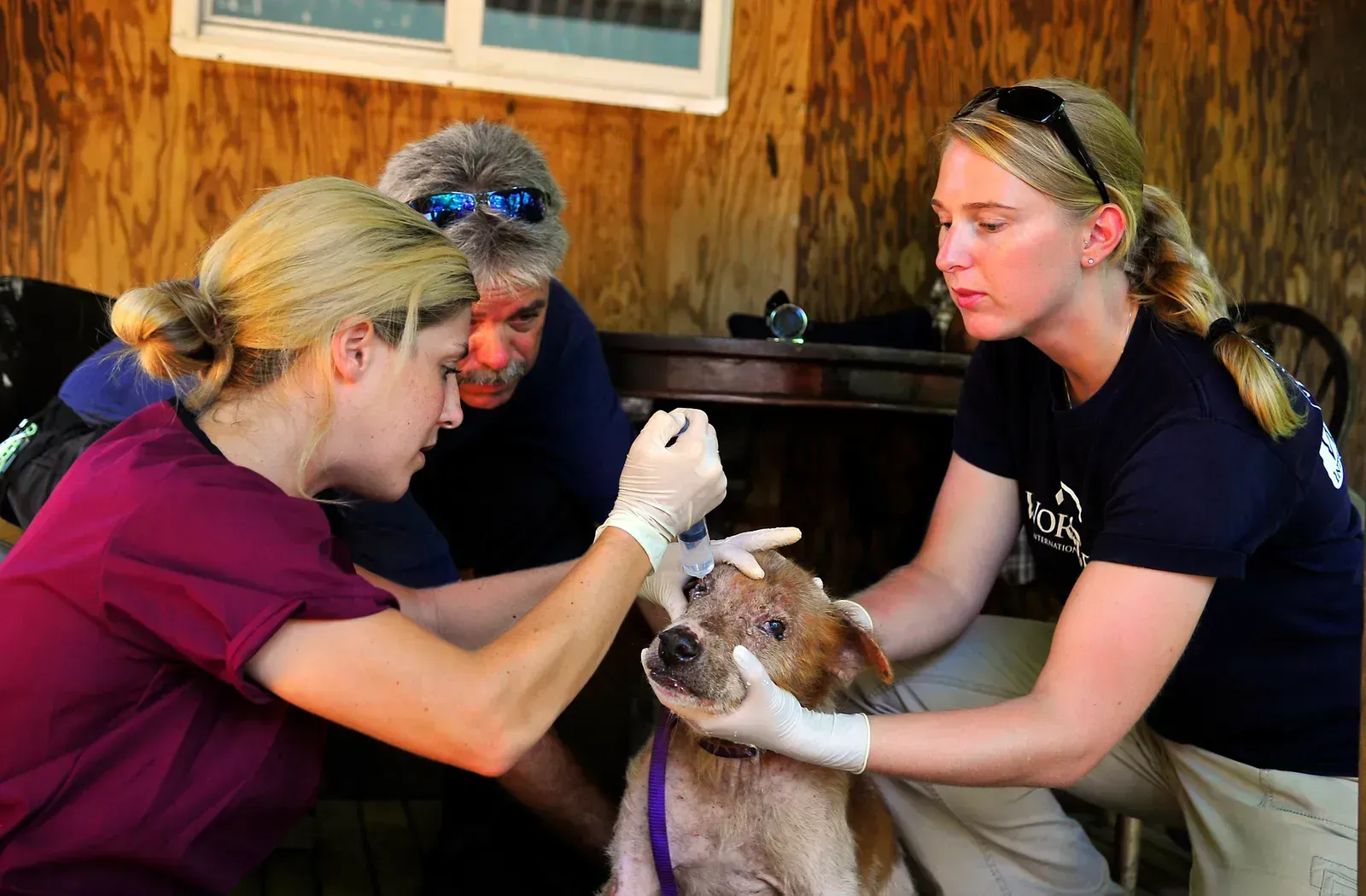
Accident and illness coverage generally handles the expensive, unplanned events. That includes emergency visits, surgery, hospital stays, diagnostics like X-rays and bloodwork, and prescription medication tied to a covered condition. Cancer treatment and chronic illnesses are often included as well, as long as they weren’t there before the policy began.
The claims data shows what owners actually use it for. For dogs, the top conditions were gastrointestinal issues, ear infections, skin conditions, anxiety and behavioral issues, and allergies. For cats, the leading claims involved GI issues, dental disease, urinary tract infections, anxiety and behavioral issues, and respiratory issues.
Pre-Existing Conditions Are the Big Exclusion

Nearly every insurer refuses to cover conditions that showed signs or were diagnosed before coverage started, or during the waiting period. This is the rule that catches people off guard most often. If your dog has already been treated for a skin allergy, later flare-ups will typically be excluded.
Some insurers will reconsider a condition if it’s been cured and symptom free for a set period. Others won’t. That’s why enrolling while a pet is young and healthy matters so much, and why the policy’s definition of pre-existing is worth reading closely.
Routine and Preventive Care Usually Isn’t Included
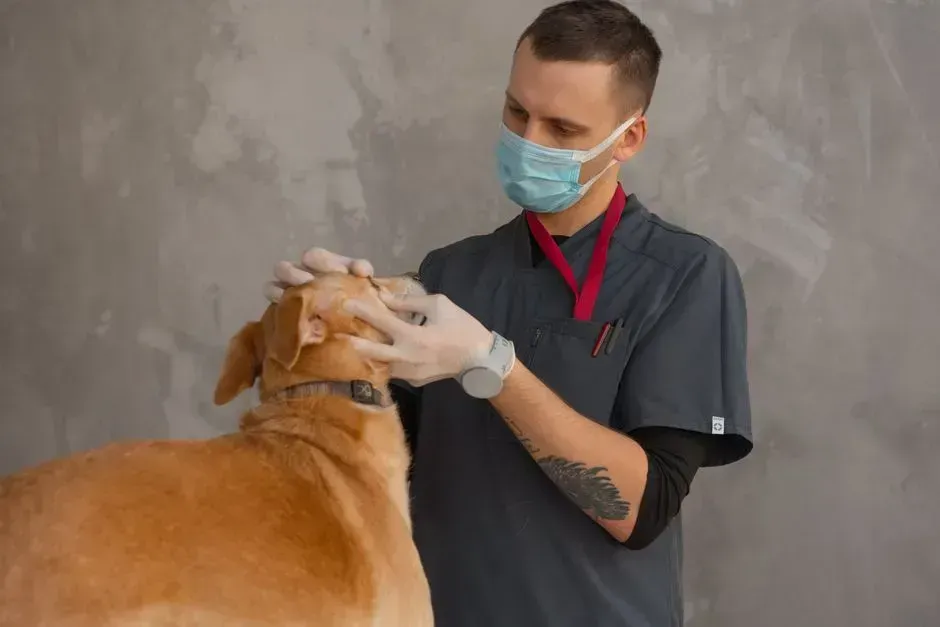
Standard plans aren’t meant to pay for annual checkups, vaccines, flea and tick prevention or routine cleanings. Those are predictable costs, and insurance is built for unpredictable ones. Owners who want them covered can add an optional wellness rider, or pick a plan with wellness built in.
Wellness add-ons work more like a prepaid allowance than true insurance. Reimbursements are capped per service, so it’s worth checking whether the extra premium is larger than what you’d get back. Sometimes it is, sometimes it isn’t.
Other Common Exclusions
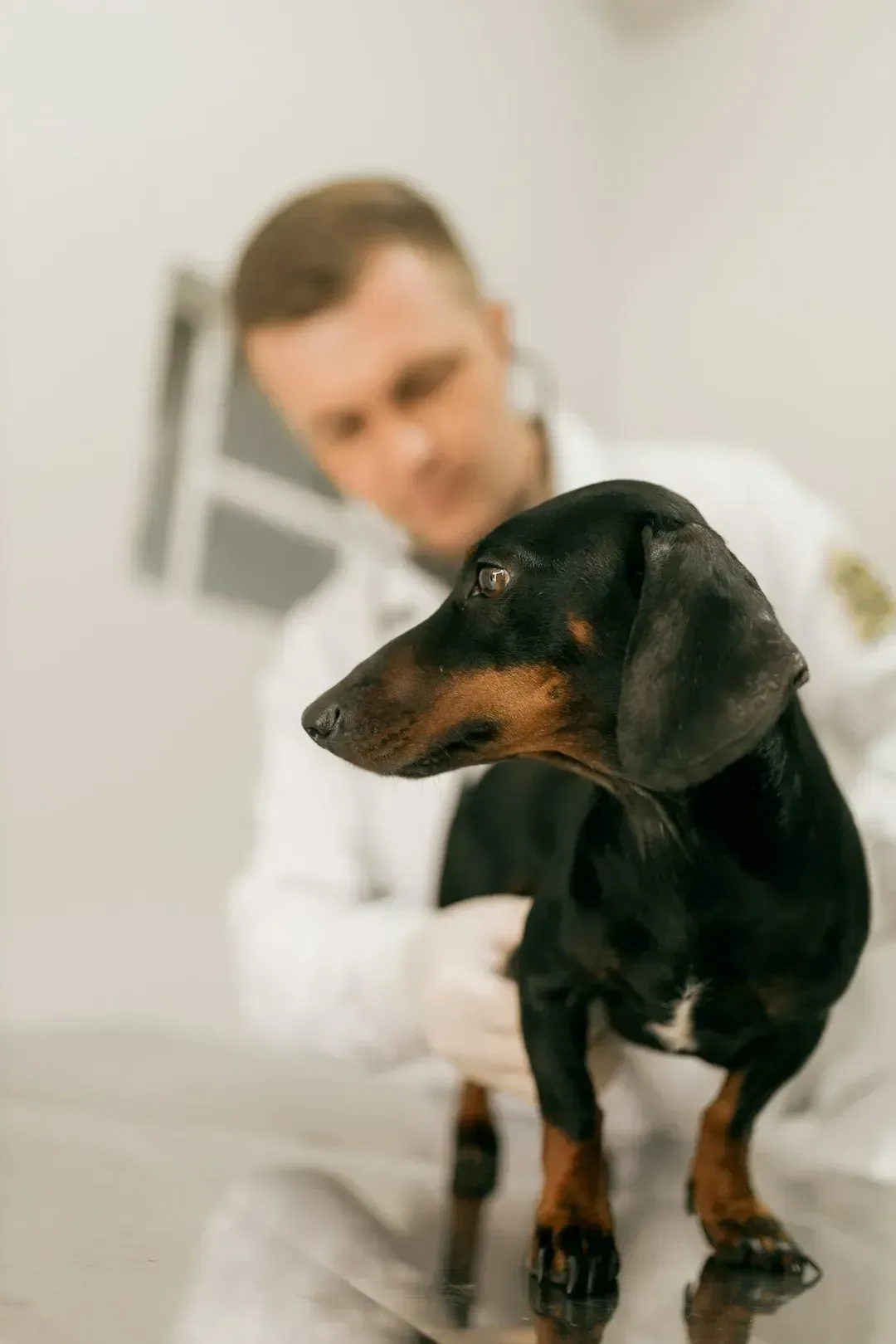
Cosmetic procedures such as ear cropping or tail docking are commonly excluded. So are grooming, boarding, breeding and pregnancy costs. Many policies also limit or exclude behavioral treatment, unless it’s tied to a covered diagnosis.
Breed-specific and hereditary conditions vary widely between insurers. Some cover hip dysplasia or similar issues, while others exclude them or apply waiting periods. Dental coverage is a frequent gray area too, with many plans paying only for injury, not routine disease prevention.
Waiting Periods and Limits to Watch

Most policies don’t start on day one for illnesses. Waiting periods often run from a few days for accidents to a few weeks for illness, and longer for orthopedic problems like cruciate ligament tears. Any condition that appears during that window may be treated as pre-existing.
Limits deserve equal attention. Annual caps can be a fixed dollar amount or unlimited, and some plans set per condition or lifetime limits. Since a single serious illness can run for years, a low cap can quietly shrink what you get.
What It Costs in 2026

Prices have been climbing. The national average for accident and illness coverage is about $70 per month for dogs and $36 per month for cats, per NAPHIA. That’s up about 11.5% for dogs and 12.6% for cats from 2024.
Your own quote can differ a lot. Breed, age, ZIP code, deductible and reimbursement rate all shape the price. Rate increases are also common at renewal, and Florida cleared 12 pet insurance rate hikes averaging 9.25% in late 2025.
Who Buys It and Why the Market Is Growing

North American pet insurance reached 7.6 million covered animals in 2025. Even so, just 4.27% of US pets hold a policy. Dogs are more likely to be covered than cats, at 5.99% versus 2.29%.
Cost pressure is one reason interest keeps rising. A single emergency surgery like bloat or an IVDD repair commonly runs $3,000 to $12,000. Insurance turns that risk into a monthly payment, though whether it pays off depends on your pet and your savings.
How to Compare Policies Before You Buy

Start with the policy document, not the marketing page. Look at the pre-existing condition wording, waiting periods, exclusions for hereditary or dental issues, and how the annual limit is structured. Check how the deductible works too, since annual and per condition deductibles behave very differently.
Then compare quotes for the same deductible, reimbursement rate and limit, so you’re measuring like against like. Ask how claims are filed and how quickly they’re paid. A cheaper plan with tight exclusions can end up costing more than a pricier, broader one.
Final Thoughts

Pet insurance covers sudden accidents and illnesses well, and it mostly leaves routine care, pre-existing problems and cosmetic work out. The details that matter sit in the deductible, the limits, the waiting periods and the exclusion list.





Leave a Reply