
Ask someone born in the 1950s or early 1960s how they ran a household, and you’ll probably hear about jars, lists, and a stubborn refusal to throw things out. Those routines weren’t trendy. They were just how a budget got stretched.
Many of them still hold up. Food prices, energy bills, and repair costs have all climbed in recent years, so old habits look a lot more practical than they once did.
Cooking Most Meals at Home

Eating out was an occasional treat for many boomer families, not a weekly routine. Dinner came from the kitchen, and leftovers often became tomorrow’s lunch. That rhythm kept food spending predictable.
The gap is real. U.S. Department of Agriculture price data have for years shown that food away from home costs noticeably more than food bought at the store. Cooking a basic pot of soup or pasta still beats most takeout on price per serving.
Planning Meals Around a Grocery List

Walking into a store without a list was considered asking for trouble. Many boomers sketched out the week’s meals first, then bought only what those meals needed. It was simple, and it worked.
Impulse purchases are a well known drain on grocery budgets. A list gives you a plan to defend against end-aisle displays and tempting extras. It also helps you notice what’s already in the pantry before buying a duplicate.
Using Up Leftovers Instead of Tossing Them

Wasting food felt close to wasting money, and plenty of boomers were raised with that idea. Sunday roast turned into sandwiches, then stew. Stale bread became toast, breadcrumbs, or pudding.
The stakes are bigger than they look. The USDA has estimated that food waste in the United States amounts to roughly thirty to forty percent of the food supply. Cutting your own share of that is one of the easiest ways to lower a grocery bill.
Growing a Few Vegetables and Herbs

A backyard tomato plant or a row of green beans was common in many households. Even a small plot could cover a good portion of summer produce. Herbs on a windowsill saved those little purchases that add up.
It isn’t free, since seeds, soil, and water cost something. Still, fresh herbs and quick growing greens usually cost much less to grow than to buy. Gardening also pairs well with canning and freezing for the off season.
Buying in Bulk and Stocking the Pantry

Many boomers watched for sales and stocked up on staples like rice, beans, flour, and canned goods. A full pantry meant fewer emergency store runs. It also meant buying when prices were low, not when supplies ran out.
The approach works best with items that keep well and that you actually use. Bulk buying a product you won’t finish just moves the waste to your cupboard. Comparing unit prices on the shelf tag makes the savings easy to verify.
Clipping Coupons and Waiting for Sales
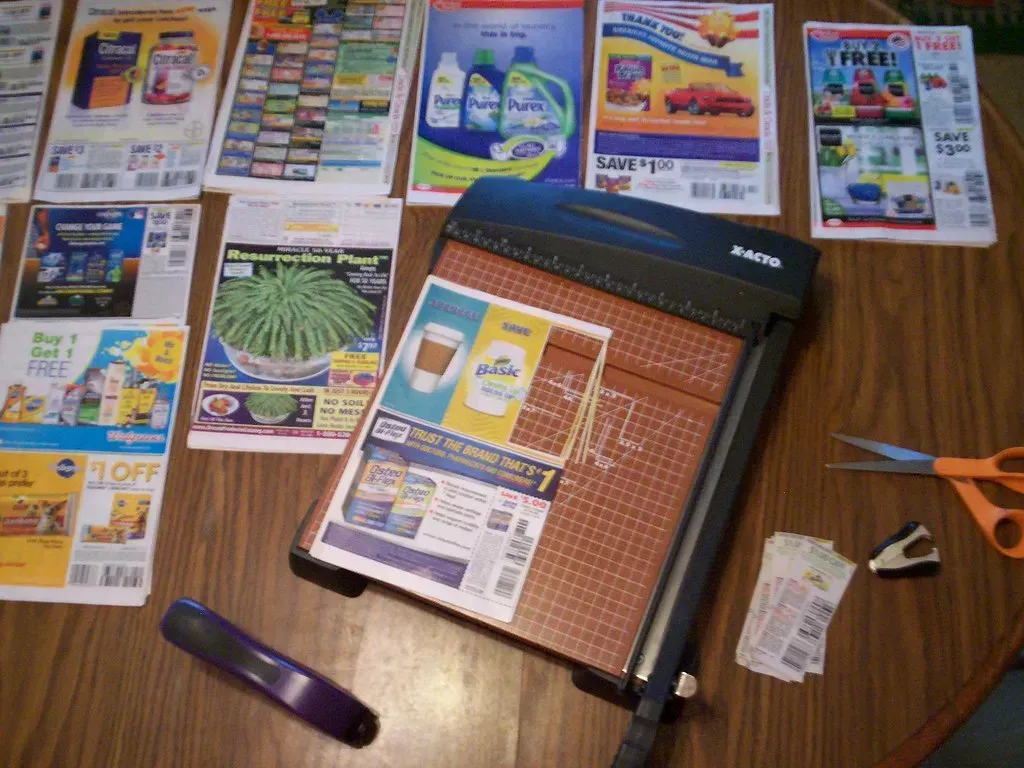
The Sunday newspaper coupon insert was a ritual for many families. Shoppers matched coupons to weekly sales for the biggest discounts. Patience was part of the strategy.
Today the clipping has mostly moved to store apps and digital loyalty programs, but the logic is identical. Pairing a discount with a sale price still beats paying full price. The habit is the same, only the format has changed.
Mending and Repairing Instead of Replacing
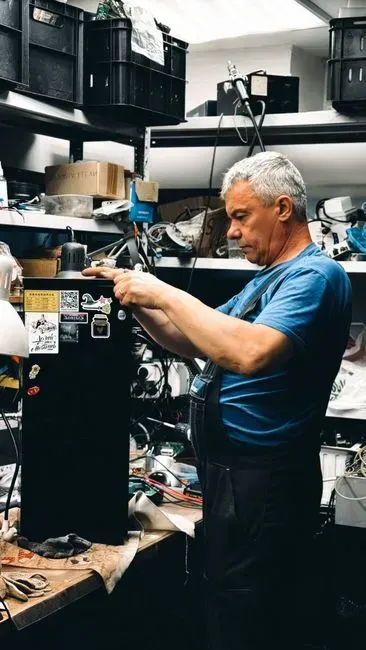
Sewing on a button, patching jeans, and resoling shoes were ordinary skills. Appliances got a screwdriver and a second look before anyone considered buying new. Things were expected to last.
Repair is getting easier again in some places. Several U.S. states, including New York, Minnesota, and California, have passed right to repair laws in recent years, which push manufacturers to provide parts and manuals. A simple fix can still save a lot compared with replacement.
Line Drying Clothes
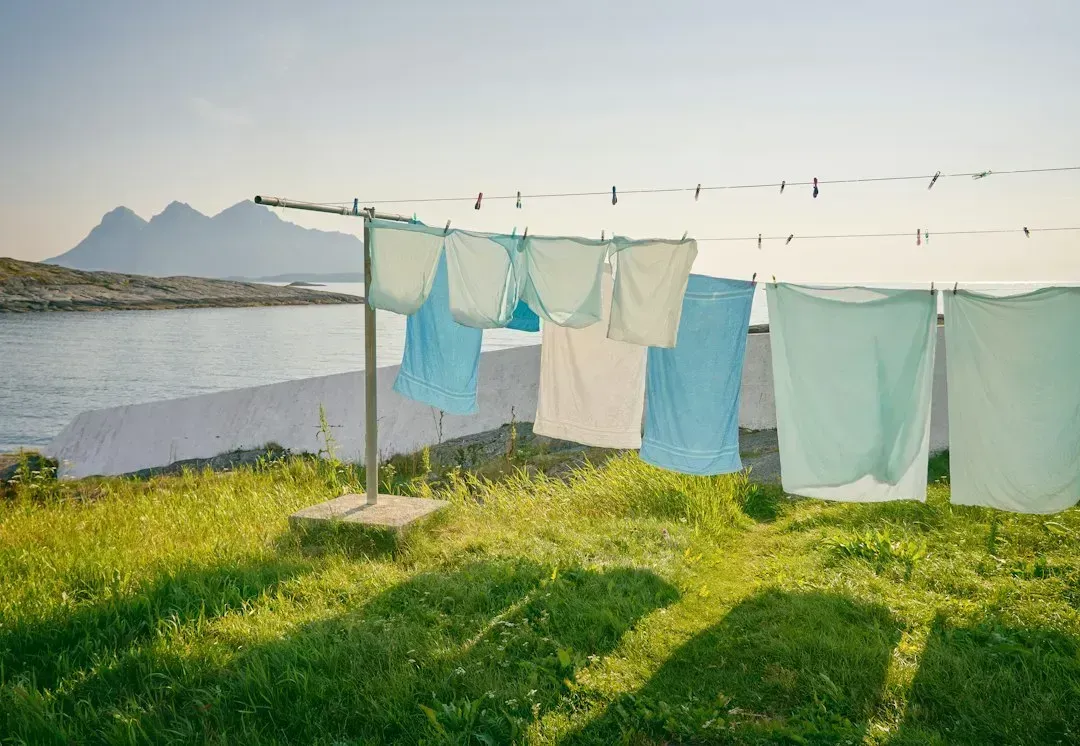
A clothesline in the yard was standard equipment in many homes. Sun and breeze did the work for free. Clothes often lasted longer, too, since dryers are hard on fabric.
Clothes dryers are among the bigger energy users in a typical home, according to the U.S. Department of Energy. Skipping the machine even part of the time trims the electric or gas bill. A foldable indoor rack gets you similar results when the weather is bad.
Turning Off Lights and Managing the Thermostat
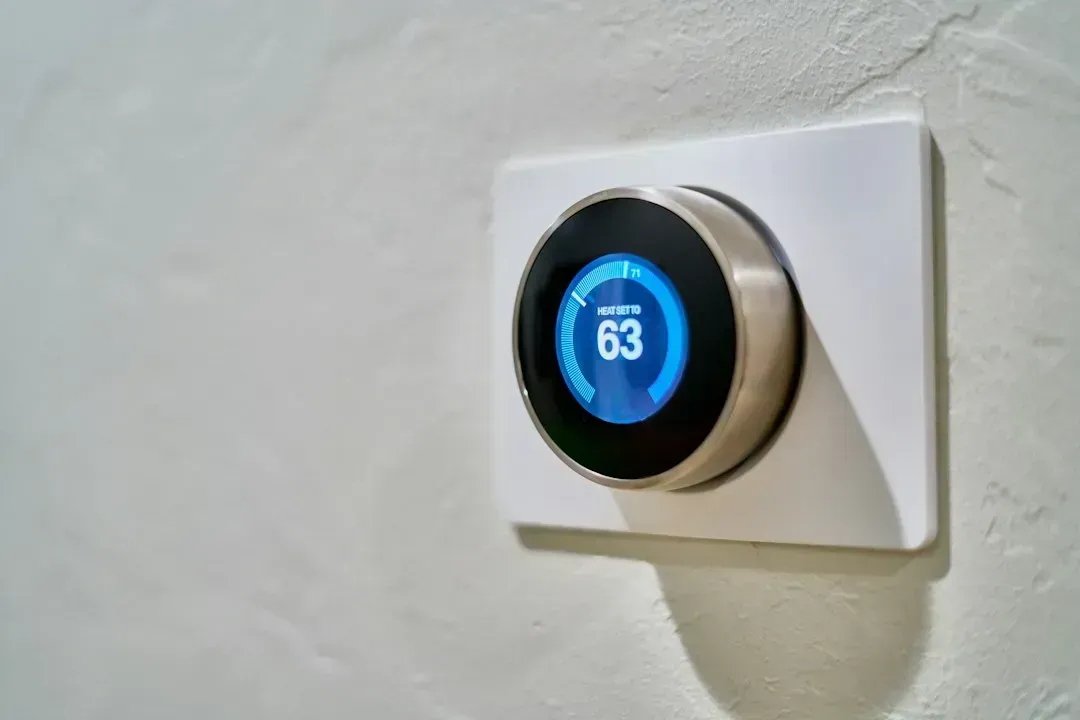
Many boomers grew up hearing to flip the switch when leaving a room. Sweaters indoors and an extra blanket at night kept the thermostat in check. These weren’t dramatic measures, only steady discipline.
The Department of Energy suggests setting the thermostat lower in winter and higher in summer when you’re asleep or away, which can reduce heating and cooling costs. Heating and cooling make up the largest share of energy use in most American homes. Small, consistent changes there matter more than almost anything else.
Reusing Containers, Jars, and Wrapping
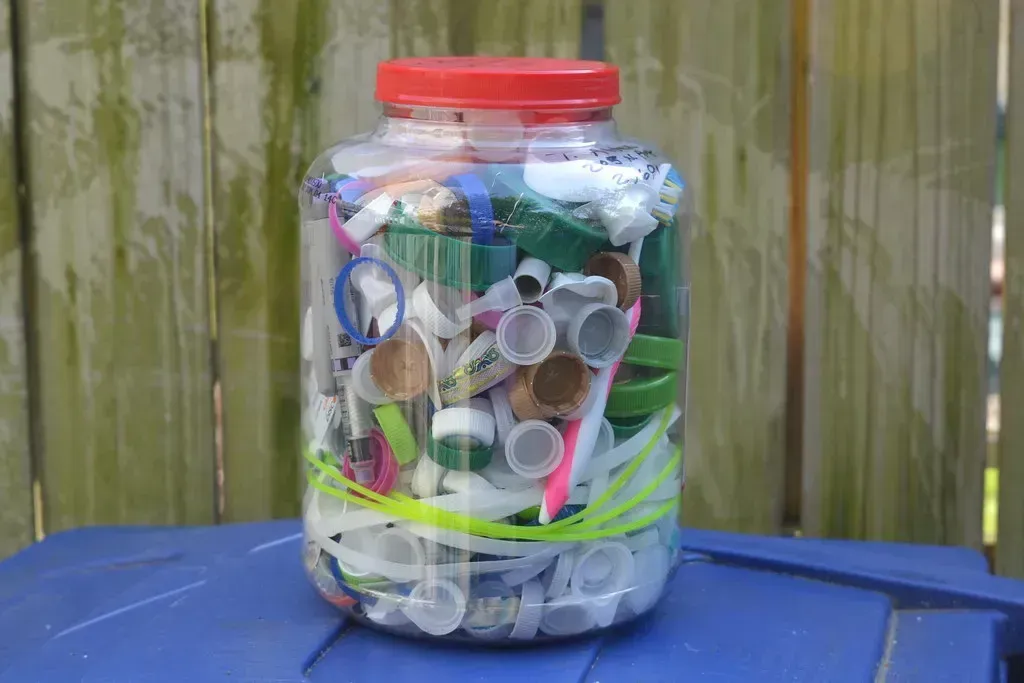
Butter tubs held leftovers, glass jars held screws and dry goods, and wrapping paper got folded for next year. Nothing useful was tossed without a second thought. It was less about thrift for its own sake than about not paying twice.
Today that means fewer disposable bags, containers, and storage products to buy. A well washed jar can replace a drawer full of purchased organizers. It’s a low effort habit that quietly keeps small expenses from piling up.
Paying Cash and Saving Before Buying

Credit cards were less central to daily life, so many boomers saved up for big purchases instead of financing them. Envelope budgeting, where cash is divided by category, was a common way to keep spending honest. When the envelope was empty, spending stopped.
Interest charges are the clearest argument for this approach. The Federal Reserve has reported average credit card rates above twenty percent in recent years, which makes carrying a balance costly. Saving first, then paying, avoids that expense entirely.




Leave a Reply