
Walk through almost any design feed in 2026 and you’ll spot something that looks oddly familiar. A rounded sofa, a patterned wall, a shade of green your grandparents’ den might have worn. The 1990s are creeping back into living rooms, though rarely in the exact form people remember.
Designers describe the revival as selective. They keep the warmth and the comfort, then trim away the clutter. Here are ten trends they’re pointing to, along with what’s different this time.
Warm Wood Finishes
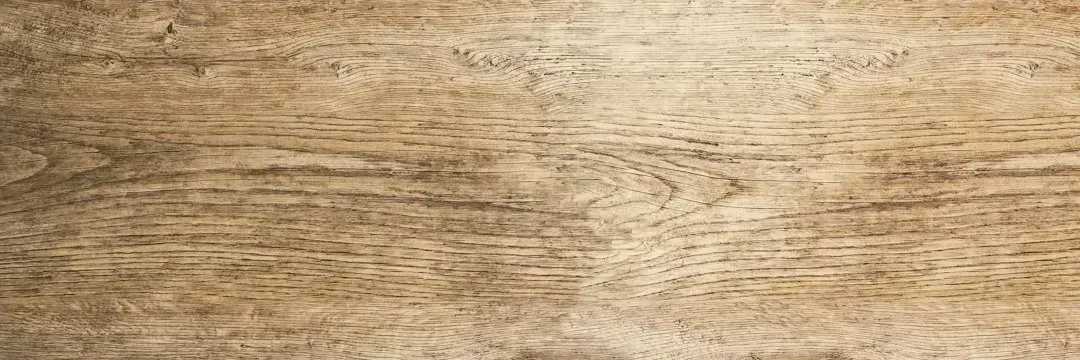
Interior designer Pamela O’Brien told Parade that warm wood has returned in force across the home goods market, from furnishings to cabinetry to accent walls. The shift didn’t come out of nowhere.
She links it to fatigue with black and white interiors, noting that many people grew tired of that look and warmed their homes up with more wood. The updated version leans on lighter oak and natural finishes, which give a cozy feel without looking dated.
Dark, Executive Style Wood Tones
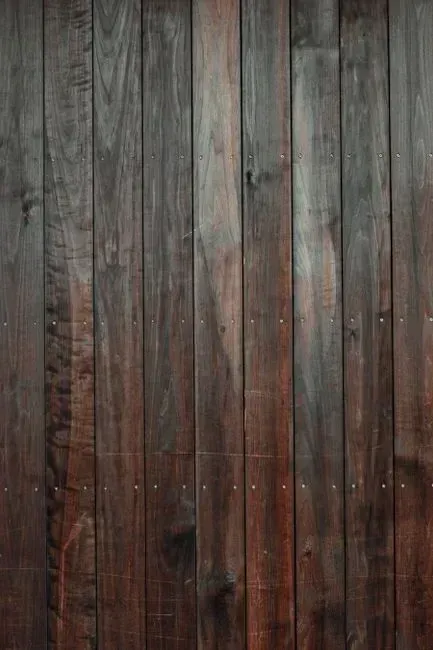
Heavier, darker wood is also getting a second look. One designer quoted by Yahoo described this as a reference to the luxury executive style that was common at the upper end of interior design in the 1990s.
Think study with rich paneling and substantial desks rather than a full room of orange pine. Used in small doses, such as a bookcase or a console, it adds weight to spaces that have felt a bit pale.
Big, Soft Seating
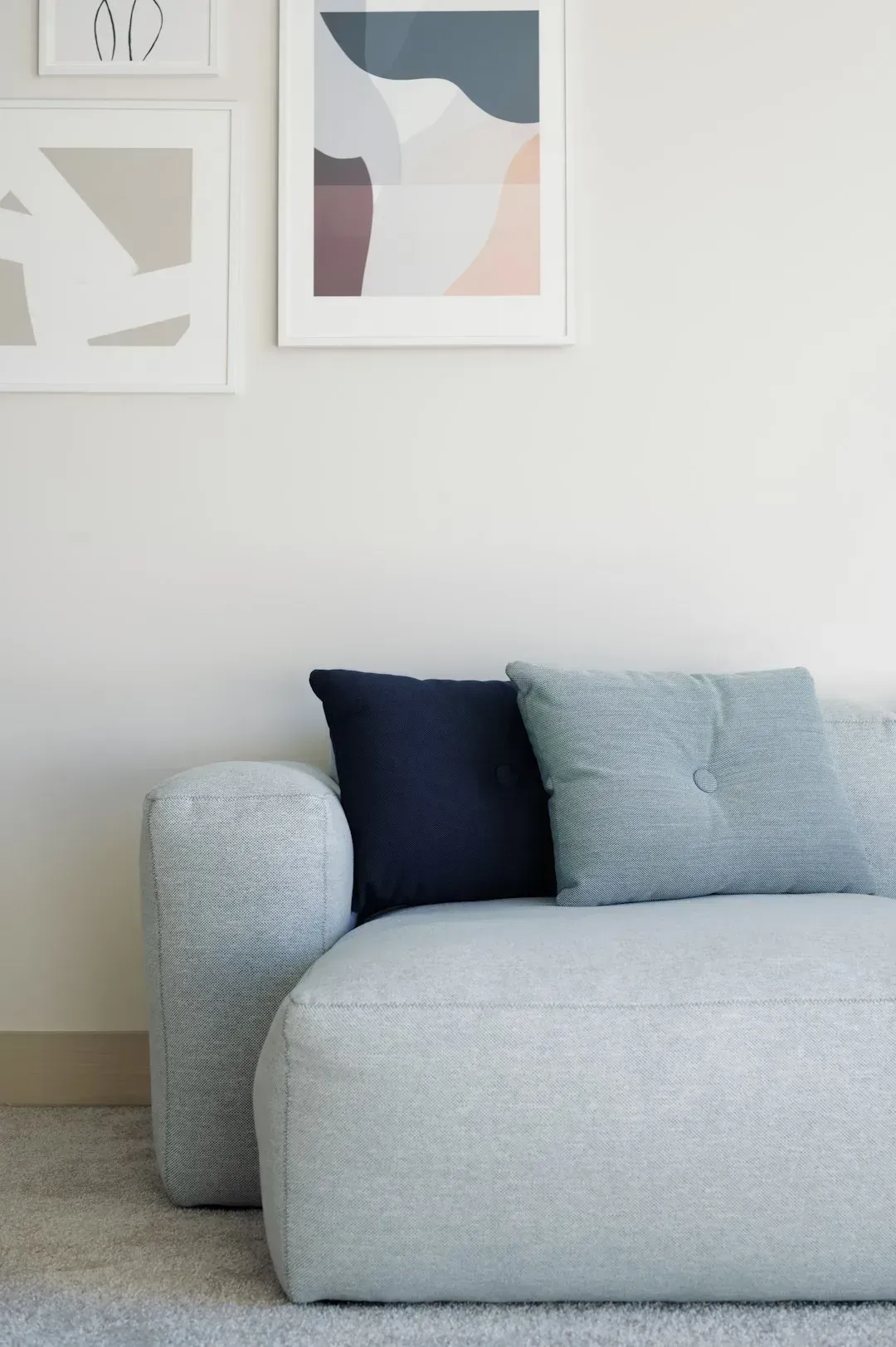
For several years living room furniture trended sleek and streamlined. Now people are ready to get cozy in big fluffy chairs and couches again. Softer cushions, more padding and comfort are back in fashion.
O’Brien says these pieces appeal today as a counterpoint to the low, flat and minimalist modern furniture that has been prevalent in the market. In other words, it’s a reaction to a decade of sitting upright.
Wallpaper, Including the Ceiling

Wallpaper is one of the clearest returns. In its 2026 designer survey, 1stDibs reported that wallpaper is hot, with designers saying they’ll cover entire rooms in it, ceilings included.
O’Brien offers a practical tip along the same lines: paint the ceiling and trim a color found in the paper so the room doesn’t get sliced up. That’s a quiet break from the 1990s habit of wallpaper borders, which one designer in Veranda says now chop up a space and make it feel dated.
Peach Walls and Furniture
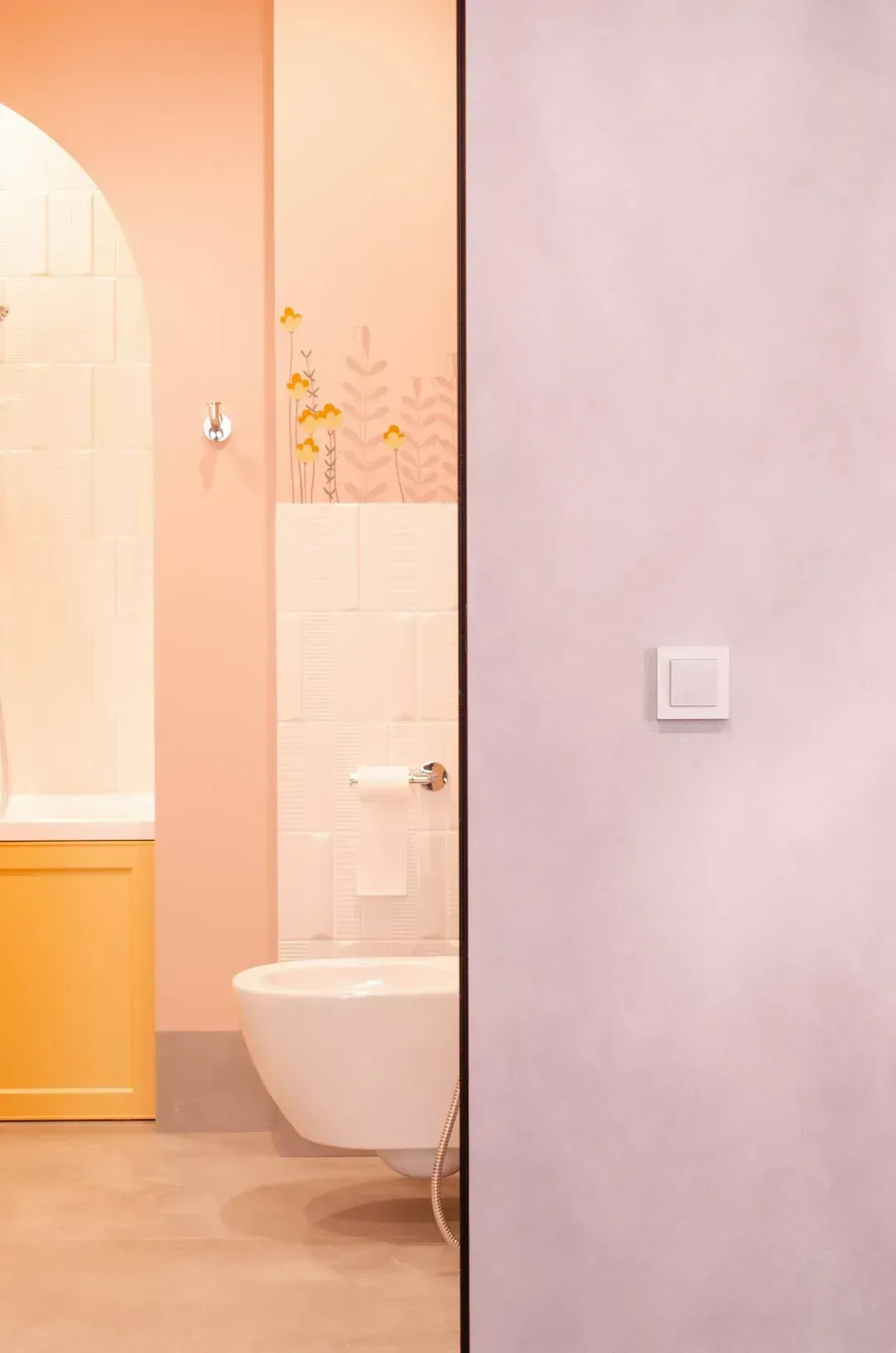
Peach was everywhere in that decade. Homes and Gardens notes that you don’t have to look far into ’90s interiors before you come across peach washed walls and furniture.
The 2026 version is less sugary. Designers are giving it a modern edge, and in one example a warm cantaloupe tone was custom mixed to bring a sense of sunlight and optimism into the space. Modern artwork helps keep the room from feeling like a throwback.
Hunter Green, Softened
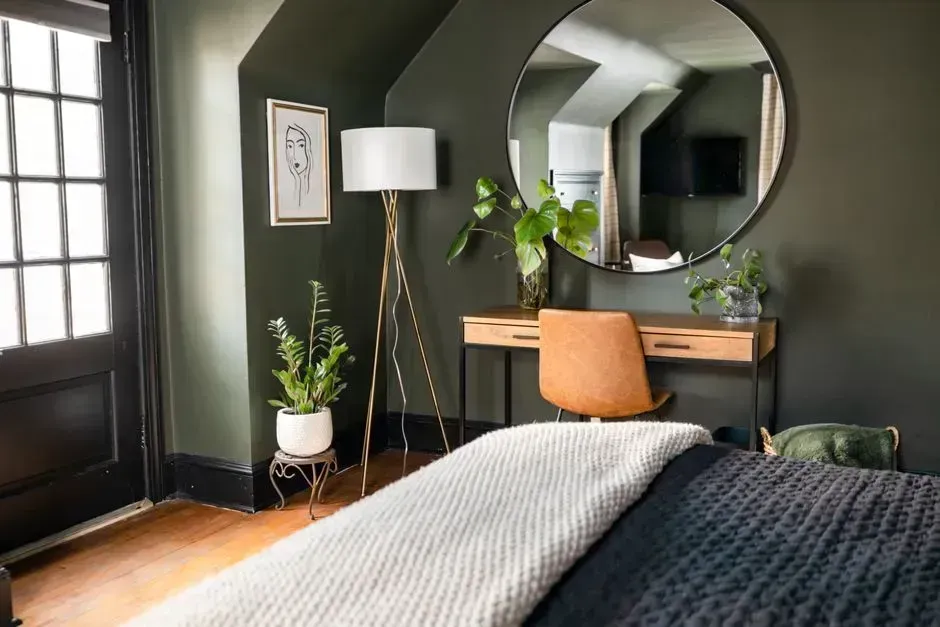
Green has never really gone away, though it has shifted over time. Homes and Gardens says hunter green was a staple in the ’90s, a rich and warming tone that makes a statement.
Today’s take is cooler and more muted. Designer Michelle Gage used Benjamin Moore’s Harrisburg Green in a bedroom, a cool and muted paint that feels fresh and livable. She suggests a medium green suits a guest room or office well.
Butter Yellow
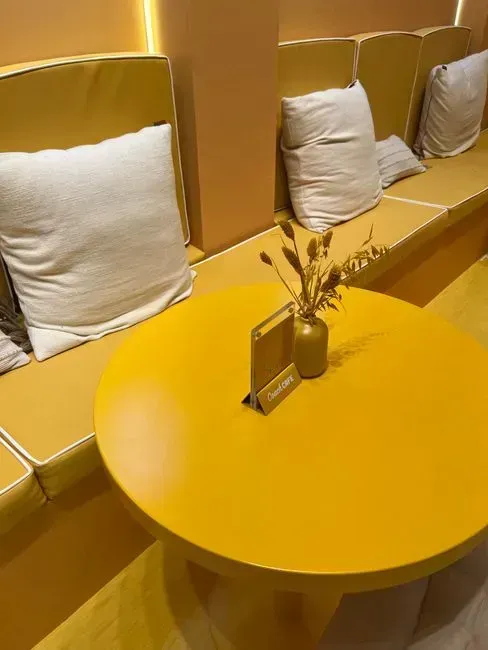
Yellow had its confident moment in the ’90s, when sunny spaces took a bold approach to color. The modern revival is gentler, and butter yellow is the shade driving it.
The 1stDibs survey of hundreds of designers across 17 countries places butter yellow among the gentler hues coming into focus, alongside cornflower blue, baby pink and pistachio. The same report expects color drenching to be big, which means walls, trim and sometimes ceilings in one tone.
Moldings, Paneling and Millwork
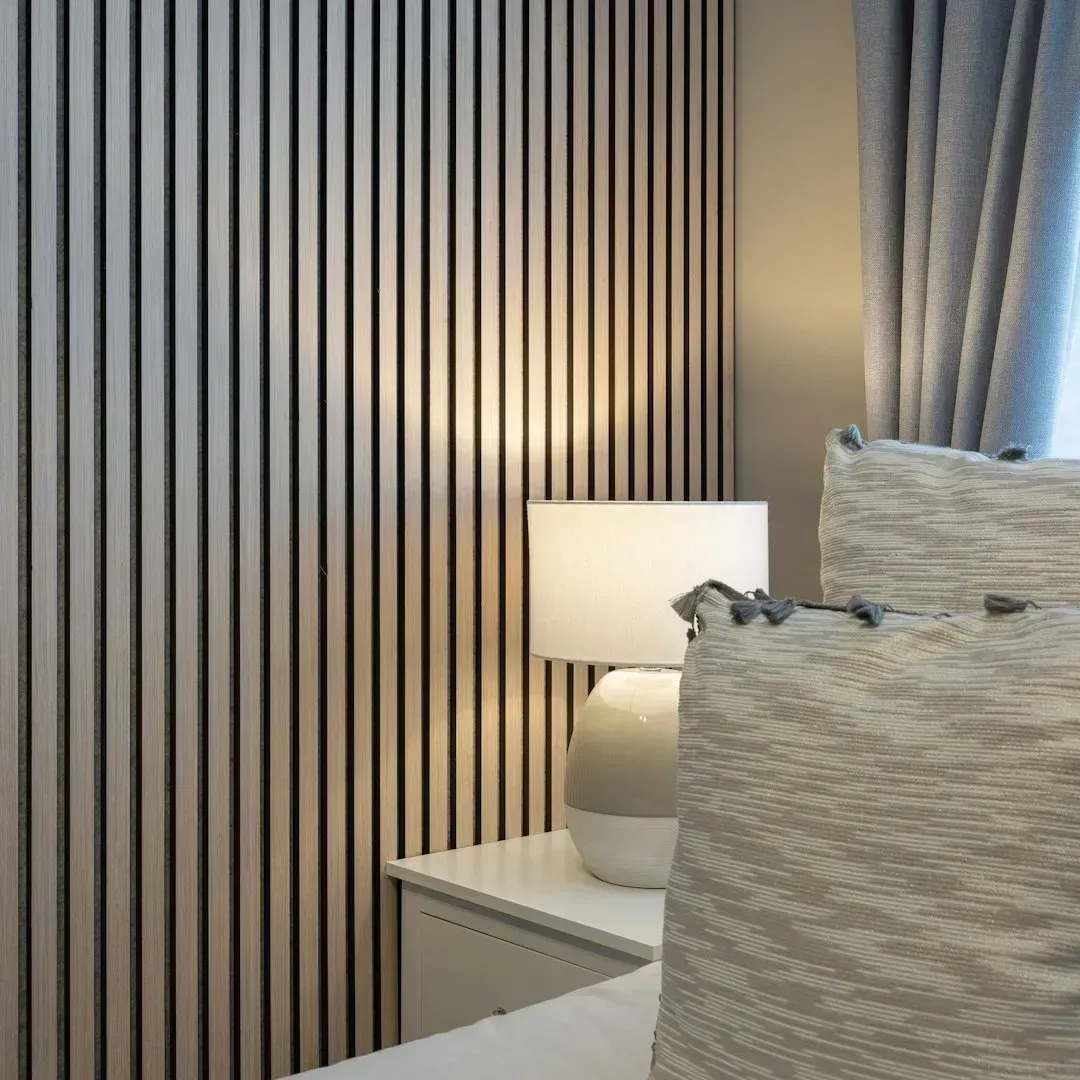
Designer Courtney Blanton describes a full rejection of the cold, gray, stripped back interiors of the last decade. Her list of what’s returning is architectural: moldings, dental detail, paneling and painted millwork.
These details give rooms structure without needing much furniture. A painted panel wall can do what a gallery wall of prints once did, with less fuss.
Layered, Deliberate Color
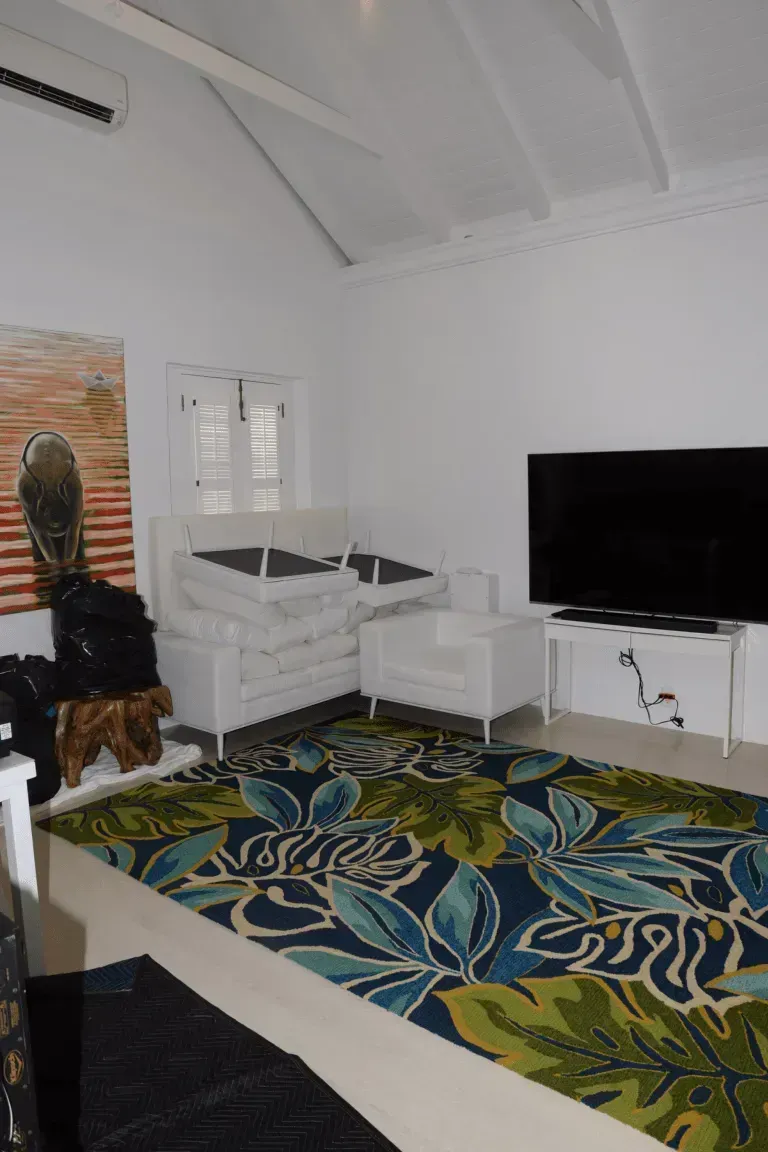
Blanton also says that clients want warmth, character and homes that feel like something. That’s a fair summary of the 1990s mood, minus the matching sets.
In her view, color is back as layered and deliberate, with upholstery and textiles doing as much work as the architecture around them. So a rug, a curtain and a sofa can each carry a shade, rather than the walls doing all the talking.
Shaker Cabinets and Subway Tile
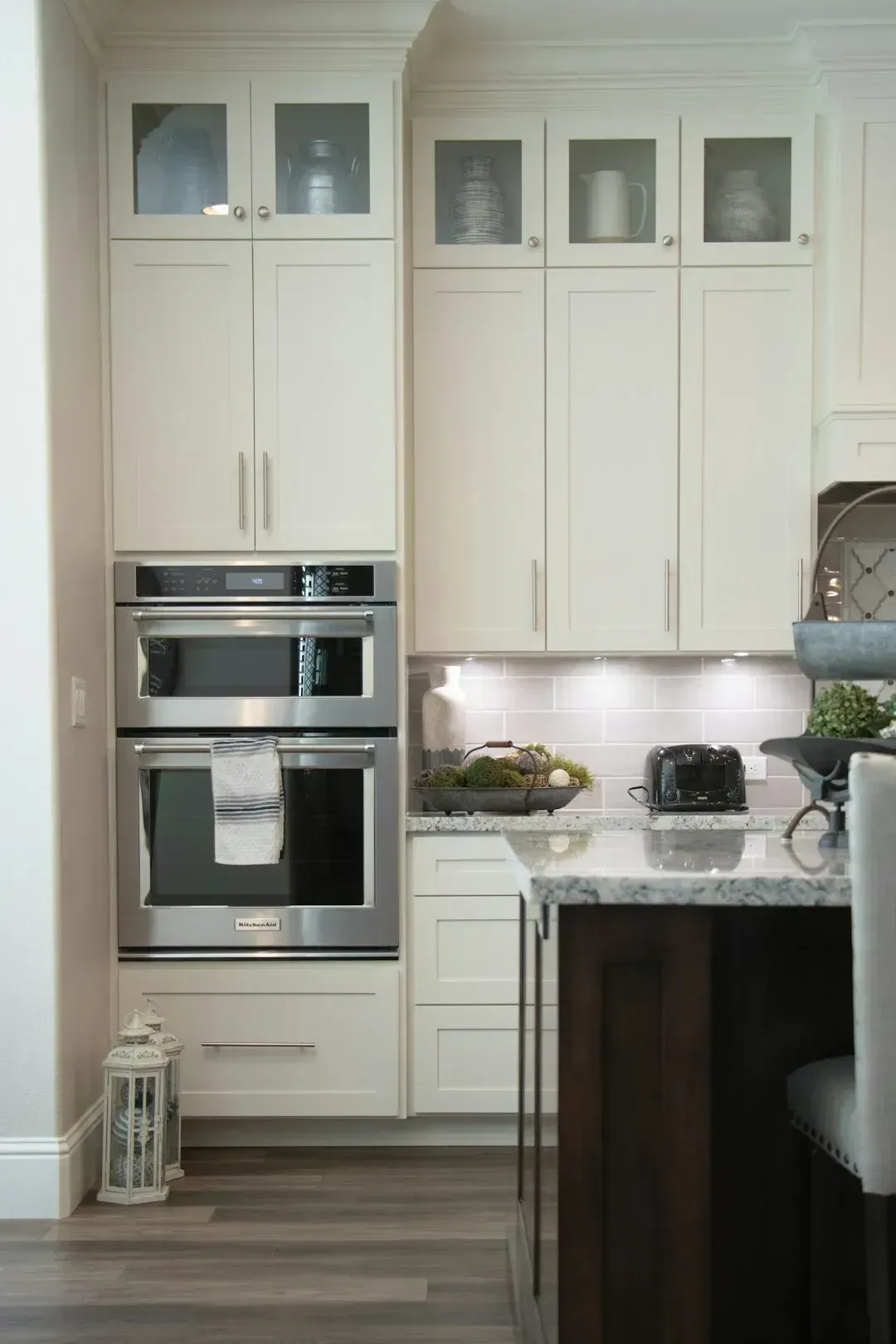
Redfin describes the 1990s and 2000s as a shift toward simplicity, with open layouts, neutral palettes and an emphasis on livability. Kitchens from that stretch are a good example.
The staples include functional shaker style cabinets and subway tile backsplashes that add just enough detail without overwhelming the space. Redfin also lists granite and quartz countertops and clean lined furniture among the finishes that put form and function first.




Leave a Reply