
Rom-coms have always leaned on shorthand. A grand gesture at an airport, a meet-cute involving spilled coffee, a best friend who exists only to dispense advice. But tucked inside those familiar beats sits something less charming: real psychological fears, flattened into punchlines or plot devices that resolve neatly in ninety minutes.
Therapists and relationship researchers who study attachment, anxiety, and trauma tend to wince at how casually these films treat genuine phobias. What looks like a cute character flaw on screen often mirrors patterns that take years of actual work to unwind. Here are eight of the most persistent offenders.
1. Gamophobia, the fear of marriage played for laughs

The runaway bride trope shows up in some form in nearly every wedding-themed comedy, usually treated as a moment of comic panic rather than a legitimate anxiety disorder. Gamophobia, a real and recognized fear of commitment or marriage, often stems from witnessing painful divorces, unstable childhood homes, or personal history with broken engagements. Films tend to resolve it with a last-minute sprint down the aisle, as if the underlying fear simply evaporates once love is declared loudly enough.
Therapists who work with anxiety disorders point out that this framing skips the actual mechanics of fear. Gamophobia doesn’t dissolve because someone gives a heartfelt speech; it usually requires identifying the root trigger and building tolerance slowly. When movies suggest a grand romantic gesture is the cure, it sets an unrealistic bar for real partners trying to support someone with genuine commitment anxiety.
2. Fear of emotional vulnerability disguised as being “guarded”

Almost every rom-com has a lead who’s been burned before and now keeps people at arm’s length, usually softened by the label “guarded” rather than anything clinical. This is often a stand-in for a genuine fear of vulnerability, something attachment researchers link to early relational wounds or inconsistent caregiving. On screen, the walls come down within a single montage, usually triggered by the right kiss or the right rainstorm.
In practice, fear of vulnerability is one of the harder patterns to shift because it’s tied to self-protection instincts that developed for a reason. Couples therapists frequently note that rushing someone past this fear, rather than letting trust build gradually, tends to backfire once the credits would have rolled. The rom-com version skips the part where healing actually takes patience, not just chemistry.
3. Commitment phobia turned into a redeemable bad-boy arc

The commitment-phobic love interest, often written as charming, emotionally unavailable, and secretly wounded, is a genre staple going back decades. Real commitment phobia is frequently connected to attachment styles formed in childhood, particularly avoidant attachment, where closeness itself feels threatening rather than comforting. Movies tend to frame this as a personality quirk that the right partner can simply “fix” through persistence.
Relationship counselors have raised concerns about this pattern because it normalizes chasing someone who is emotionally withdrawn. Avoidant attachment doesn’t typically resolve because a partner is patient or clever enough; it usually requires the avoidant person doing their own internal work. The message that love alone rewires someone’s attachment style is one therapists say shows up surprisingly often in client expectations.
4. Fear of abandonment rewritten as adorable jealousy

Characters who spiral into jealousy, check phones obsessively, or panic when a partner seems distant are frequently played as endearing rather than concerning. Fear of abandonment is a documented psychological pattern, often rooted in early loss, neglect, or unpredictable caregiving, and it can drive exactly these behaviors in adulthood. Rom-coms tend to reward this anxiety with reassurance rather than addressing it, which teaches the audience that the anxious behavior “worked.”
Therapists who specialize in anxious attachment note that constant reassurance-seeking isn’t cute in real relationships, it’s exhausting for both people involved. The fear behind it is legitimate and worth treating with care, but framing it as a lovable quirk rather than something to gently examine sends a confusing signal. It also tends to normalize partners staying in relationships that trigger genuine distress just because the anxious partner is likeable.
5. Social anxiety mistaken for quirky awkwardness
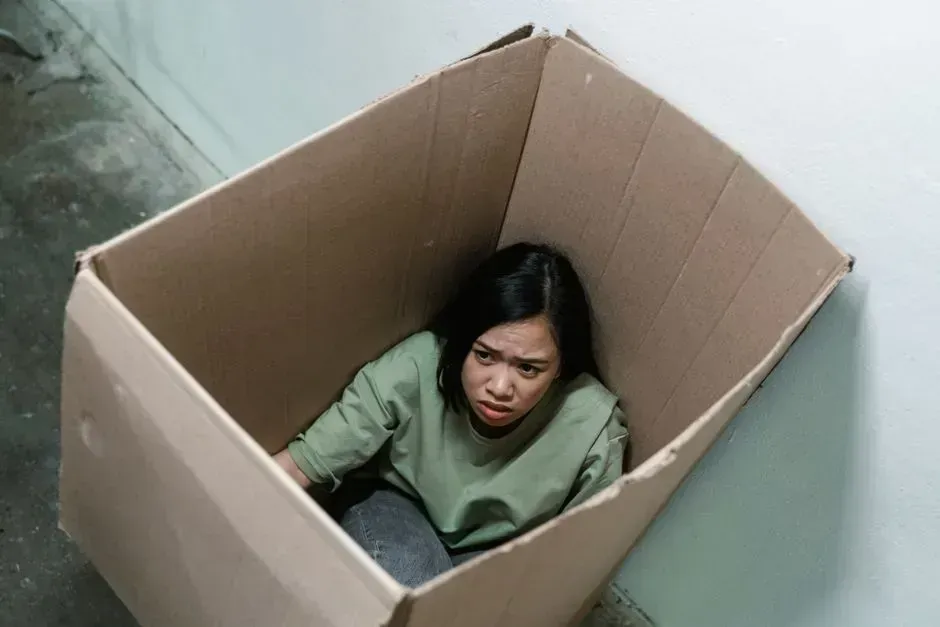
The stammering, tripping, over-apologizing romantic lead has become such a fixture that it barely registers as unusual anymore. What’s often being depicted, whether the script intends it or not, resembles social anxiety, a condition that involves genuine physical symptoms like a racing heart, sweating, and intense fear of judgment. Rom-coms rarely acknowledge this as anything more than charming clumsiness, and the anxiety typically vanishes once the character gains confidence through love.
Clinicians who treat social anxiety disorder point out that it doesn’t work that way in real life. The condition often requires structured exposure and sometimes therapy or medication, not simply meeting someone who makes you feel safe. Turning a recognizable anxiety pattern into a lovable personality trait can make it harder for real people with the condition to be taken seriously.
6. Fear of rejection solved through a single makeover

The “ugly duckling” arc, where a character avoids dating out of a deep fear of being rejected, then transforms after a makeover and suddenly becomes desirable, remains one of the genre’s oldest tricks. Fear of rejection is a well-studied social anxiety, tied closely to self-worth and past experiences of being dismissed or humiliated. Movies tend to suggest the fear was really about appearance all along, and that fixing the outside fixes the inside.
Psychologists who work on self-esteem and body image find this framing particularly frustrating. Fear of rejection usually has little to do with looks and much more to do with internal beliefs about one’s own worth, which a haircut and new outfit don’t actually touch. The trope reinforces the idea that external validation solves internal fear, which tends to leave real audiences chasing the wrong solution.
7. Attachment trauma reframed as mysterious emotional distance

The broody, hard-to-read love interest whose emotional distance is treated as intriguing rather than concerning shows up across nearly every subgenre, from workplace comedies to holiday specials. What’s often being written, sometimes without much self-awareness from the script, resembles disorganized or avoidant attachment stemming from earlier trauma. Films tend to romanticize the mystery instead of acknowledging that emotional distance is frequently a protective response to past hurt.
Trauma-informed therapists have noted that this framing can quietly teach viewers to interpret emotional unavailability as depth rather than a red flag worth paying attention to. Real attachment trauma usually needs consistent, patient work, often with professional support, not just a persistent love interest willing to wait it out. The rom-com version compresses years of potential healing into a single climactic conversation, which isn’t how trauma recovery typically unfolds.
8. Fear of being alone dressed up as a settling storyline

The subplot where a character chooses a “safe” partner out of fear of ending up alone, only to realize true love was elsewhere, is a reliable third-act device. Fear of being alone, sometimes referred to as autophobia in more extreme cases, is a genuine anxiety that can push people toward relationships that don’t actually meet their needs. Movies usually treat the realization as an easy correction, discard the “safe” partner, and reward the character for following the riskier romantic option.
Relationship researchers point out that fear of being alone is worth examining seriously rather than treating as a plot obstacle to overcome by picking the more exciting person. Settling and genuine compatibility aren’t always the same thing the movies suggest, and the fear driving either choice deserves more nuance than a last-minute reversal. This trope tends to skip the harder, less cinematic work of understanding why solitude feels unbearable in the first place.
Rom-coms aren’t going anywhere, and there’s nothing wrong with enjoying them for what they are: comfort food with a predictable shape. Still, it’s worth noticing how often real psychological patterns get borrowed for charm, then resolved in ways that would never actually work outside a ninety-minute runtime. The gap between what these films show and what therapists actually see in their offices is wider than the genre usually lets on.




Leave a Reply