
Every well-traveled city has its own quiet folklore of warnings, the kind that gets passed between residents and rarely makes it into official guidebooks. These aren’t the dramatic scams you see in viral videos. They’re subtler, often built on politeness or confusion, and they tend to target exactly the moment when a visitor feels most relaxed.
Locals notice patterns that tourists don’t, simply because they’ve watched the same tricks play out for years. What follows are seven scams that come up again and again when residents talk about what they wish visitors knew before landing.
1. The “friendship bracelet” street trick

This one shows up in cities from Paris to Rome to parts of Southeast Asia, usually near major landmarks. A stranger approaches, ties a bracelet or thread around your wrist before you can react, then demands payment once it’s on. The interaction is designed to feel too fast and too friendly to refuse in the moment.
Locals warn friends to keep their hands in their pockets near tourist plazas and to firmly say no before any physical contact happens. Once the item is tied on, walking away without paying can escalate into a loud, embarrassing confrontation, which is exactly the point.
2. The rigged taxi meter or “meter’s broken” line
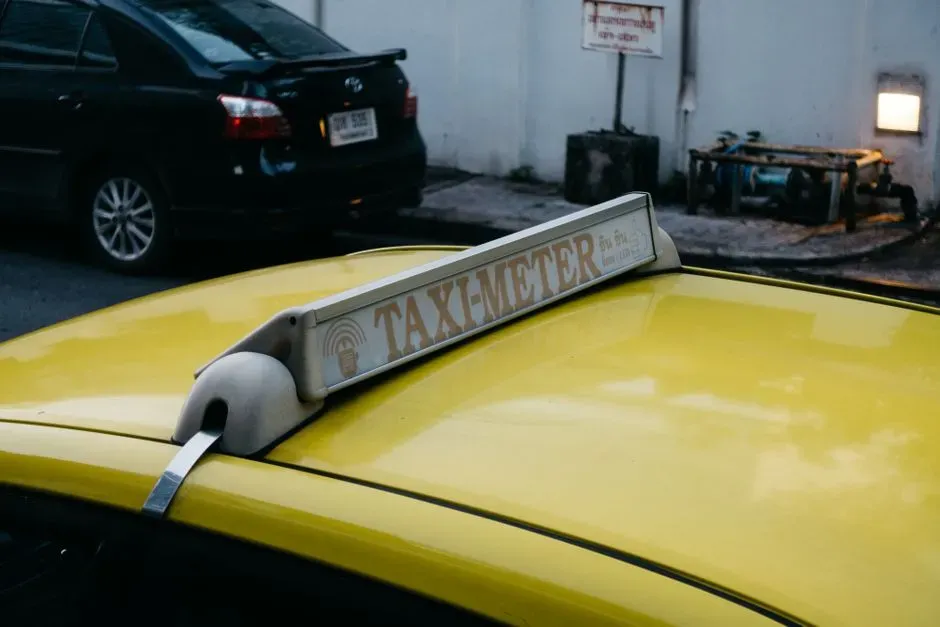
Unmetered or manipulated taxi rides remain one of the most persistent complaints from travelers in cities without strict ride-hailing regulation. A driver claims the meter is broken, quotes a flat rate that sounds reasonable, then reveals it’s actually several times the normal fare once you’re mid-ride.
Residents typically tell visiting friends to use official ride-hailing apps where available, or to confirm the fare and ask for the meter to be turned on before the doors close. In cities like Bangkok or Rome, this habit alone avoids a huge share of transport-related overcharging.
3. Fake “closed” attraction redirects
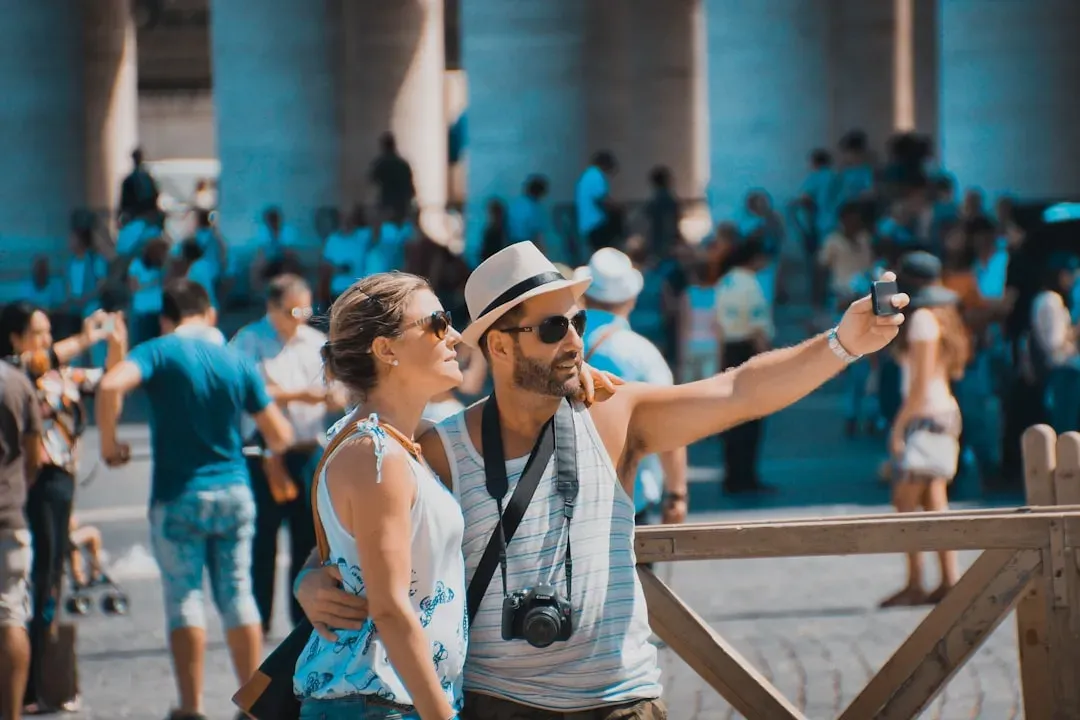
Someone dressed semi-officially, sometimes even wearing a lanyard, tells tourists that the museum, temple, or palace they’re heading to is closed for a holiday or renovation. They then offer to guide the group to a “better” alternative, usually a shop or a different paid experience with a commission built in.
Locals know that major attractions post real closures on official websites and physical signage well in advance, not through a stranger intercepting people on the sidewalk. The advice is simple: verify with the venue directly or check the official ticketing page before believing anyone claiming special insider knowledge.
4. Overpriced “traditional” restaurant menus
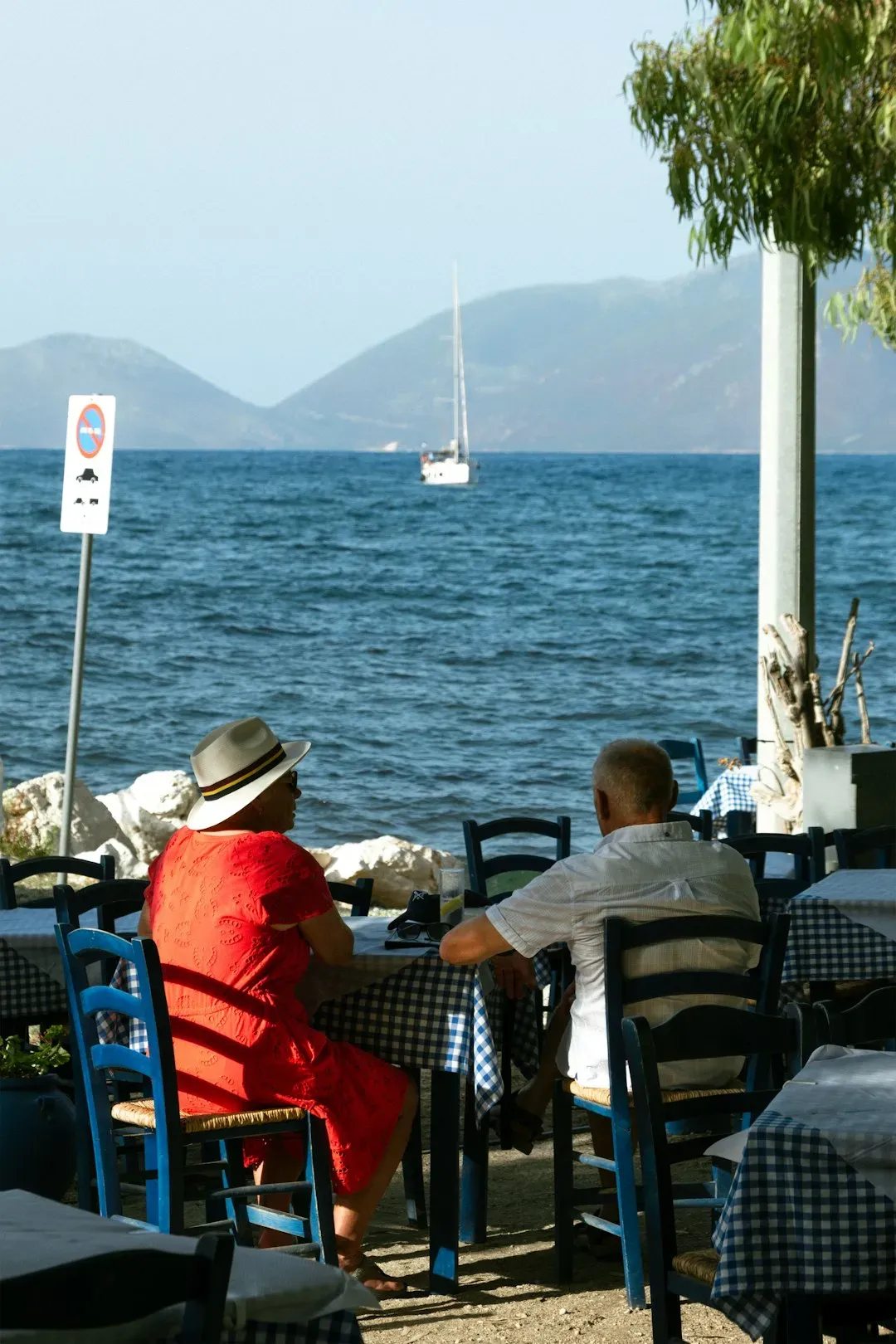
In heavily touristed districts, some restaurants keep two menus, one for locals with local-language pricing and another with inflated tourist prices, sometimes without visible prices at all until the bill arrives. This is especially common in parts of Southeast Asia and along coastal Mediterranean towns during peak season.
Friends in the know usually recommend checking a menu with prices clearly printed before sitting down, and being wary of restaurants where staff usher tourists in aggressively from the street. A quick glance at recent reviews mentioning “bill surprises” is often enough to steer clear.
5. The currency exchange short-change
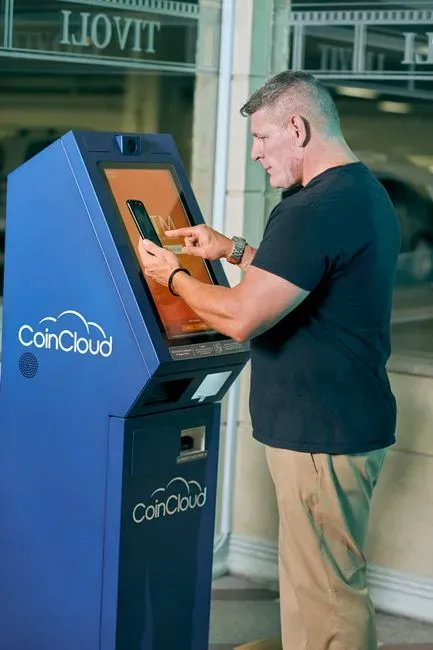
Some currency exchange counters in airports and tourist zones offer rates that look competitive on the board but bury steep commissions in the fine print, or count out change too quickly for travelers to verify. This tactic relies on jet lag and unfamiliarity with the local currency’s denominations.
Locals often suggest withdrawing cash from bank-affiliated ATMs instead, since these tend to offer more transparent rates than storefront exchange kiosks. Counting change slowly and openly, without embarrassment, is another habit residents say prevents most of these losses.
6. Petition or “donation” clipboard scams

Groups, often near famous landmarks or metro stations, approach with a clipboard asking for a signature supporting a cause like deaf education or a local charity. The signature itself isn’t the goal. It’s a distraction technique, sometimes paired with pickpocketing, or followed by aggressive demands for a cash “donation.”
This scam has been documented repeatedly in cities including Paris and Barcelona, where local police have issued public warnings about clipboard-carrying groups near major tourist sites. Residents tell visitors to keep walking and avoid engaging entirely, since even a polite refusal can invite persistent, uncomfortable pressure.
7. Fake police checks demanding to see your wallet

In a handful of cities, scammers pose as plainclothes police officers and claim they need to check your passport or wallet for counterfeit currency or drug possession. They flash a fake badge quickly, count through your bills under the guise of inspection, and hand back the wallet lighter than it went in.
Real police rarely conduct these checks on the street with tourists in such an informal, rushed manner. Locals advise asking to see identification clearly, requesting to go to the nearest police station instead of complying on the sidewalk, and never physically handing over a wallet or passport to someone who approaches unprompted.
None of these scams require extraordinary luck or bad judgment to avoid. They rely on speed, distraction, and the assumption that a visitor won’t want to cause a scene. Slowing down, asking questions, and trusting official channels over friendly strangers covers most of what locals wish every traveler already knew.




Leave a Reply