
1. Open shelving
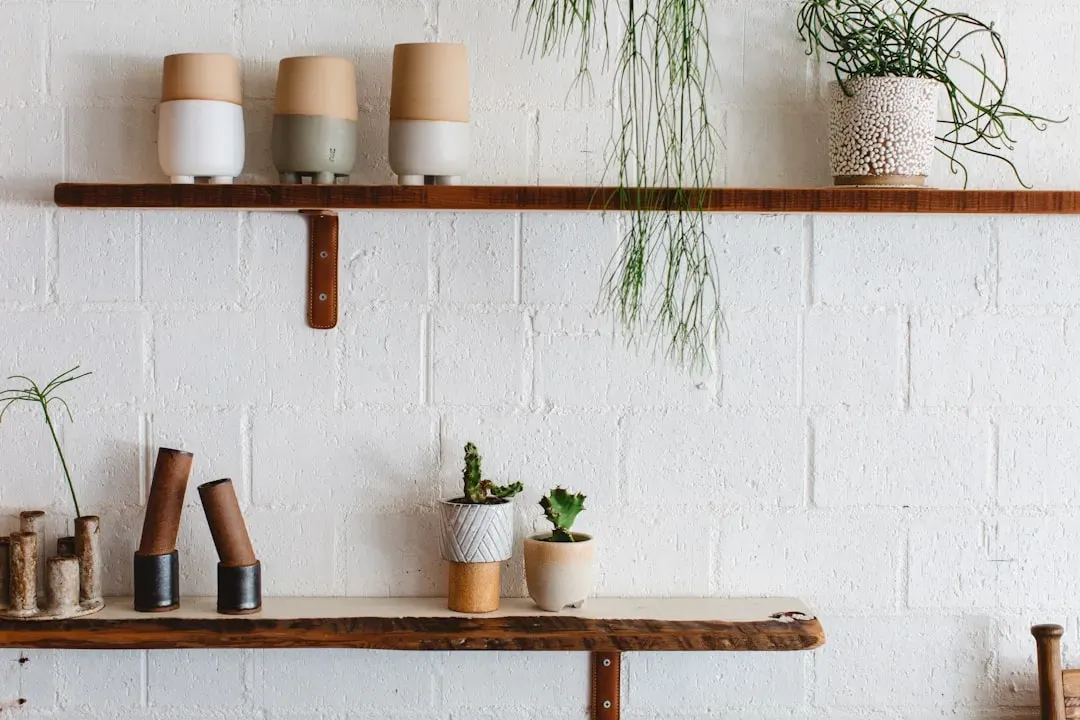
Open shelves photograph beautifully when styled with matching dishware and a few plants, which is exactly why design shows love them. In real life, though, they demand constant tidiness. Homebuyers often view open shelves as not practical or a waste of space, and they can be a turn-off since they allow more clutter to be visible.
Unless a seller is willing to stage the shelves like a magazine spread for every showing, this feature tends to backfire. Buyers picture their own mismatched mugs and half-empty cereal boxes sitting in full view, and that mental image rarely helps close a sale.
2. All-matching metal finishes
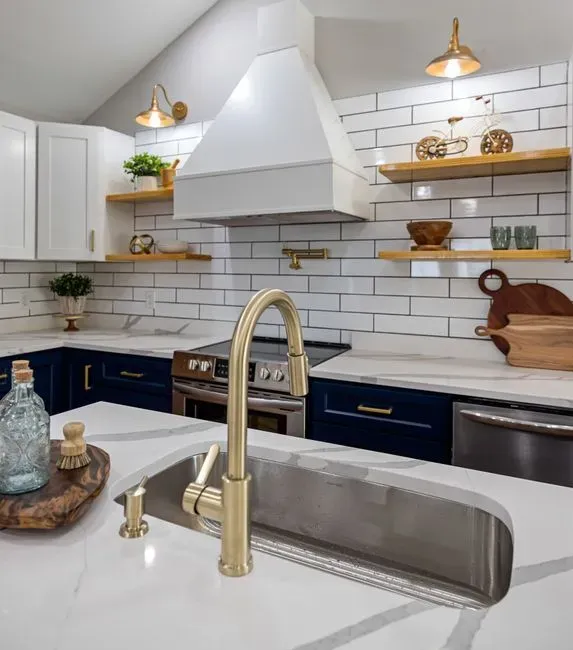
For years, matching every faucet, handle, and light fixture in one metal finish was the safe, expected move. That’s shifted. Mixed metals are in this year, and that means all-matching metal finishes are out, as more homeowners switch to mixed metals to keep their space attractive and up-to-date.
This particular dislike is actually good news for sellers, since it doesn’t require ripping out fixtures. It just means a kitchen that feels frozen in one finish can read as slightly behind the curve to a buyer who’s seen more current listings.
3. Orange-toned oak cabinets
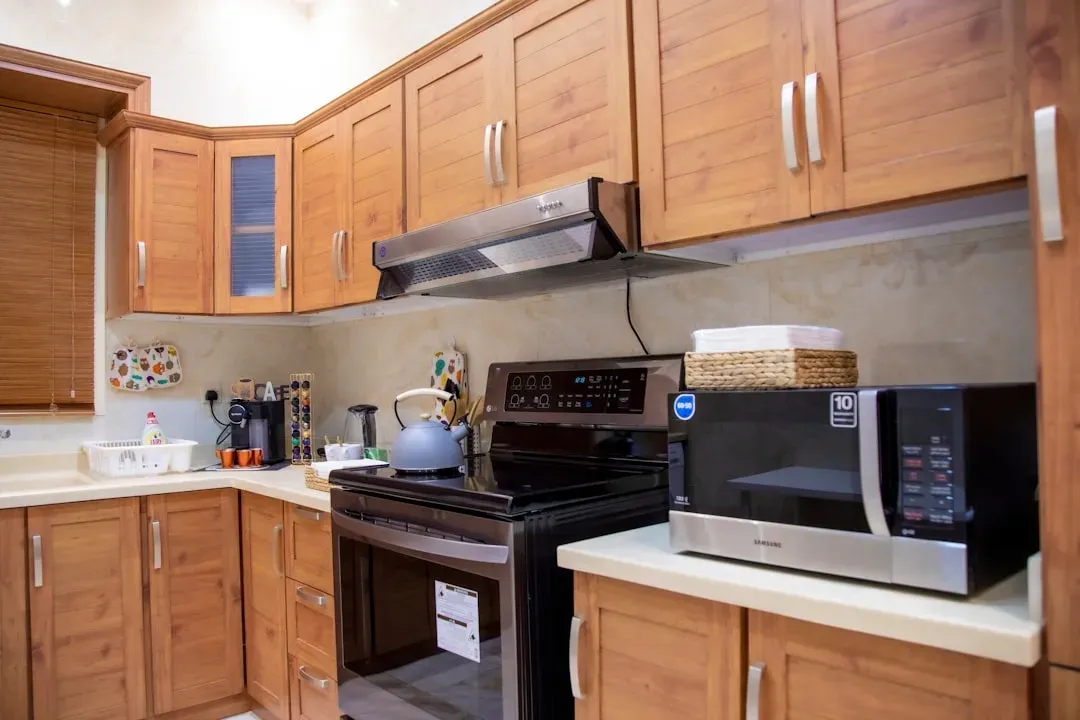
Few things date a kitchen faster than warm, orange-tinted oak cabinetry. Popular in the 1990s, orange-tinted oak cabinets date a kitchen and can lead buyers to think the kitchen is in need of a renovation.
It’s not that oak itself is the problem. Lighter, more neutral wood tones are actually trending well right now. It’s specifically that honey-orange finish that signals “this hasn’t been touched in decades,” and buyers pick up on that instantly, even before they open a single drawer.
4. Harsh fluorescent lighting
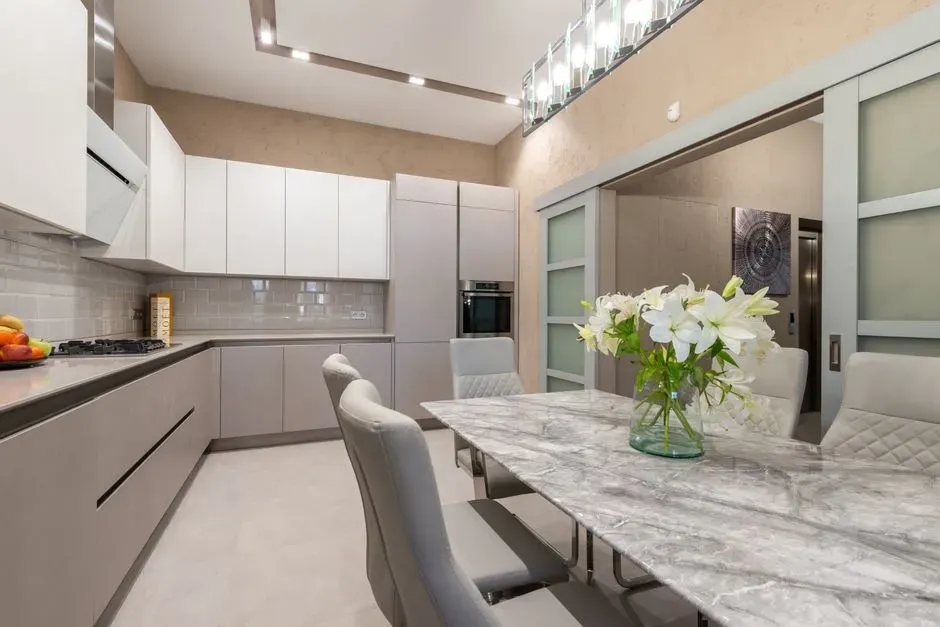
Lighting sets the mood of a kitchen more than almost any other element, and buyers notice bad lighting immediately, even if they can’t articulate why the room feels cold. Buyers tend to prefer warm lighting and can be put off by the harsh institutional lighting of fluorescent box lights, which creates an unwelcoming atmosphere and casts unflattering shadows.
Meanwhile, sellers who’ve swapped in warmer layered lighting tend to get better reactions during showings. Layered lighting with recessed LEDs, statement pendant fixtures, and under-cabinet lighting are all trending, and that layered approach tends to make a kitchen feel finished rather than institutional.
5. Outdated or mismatched appliances
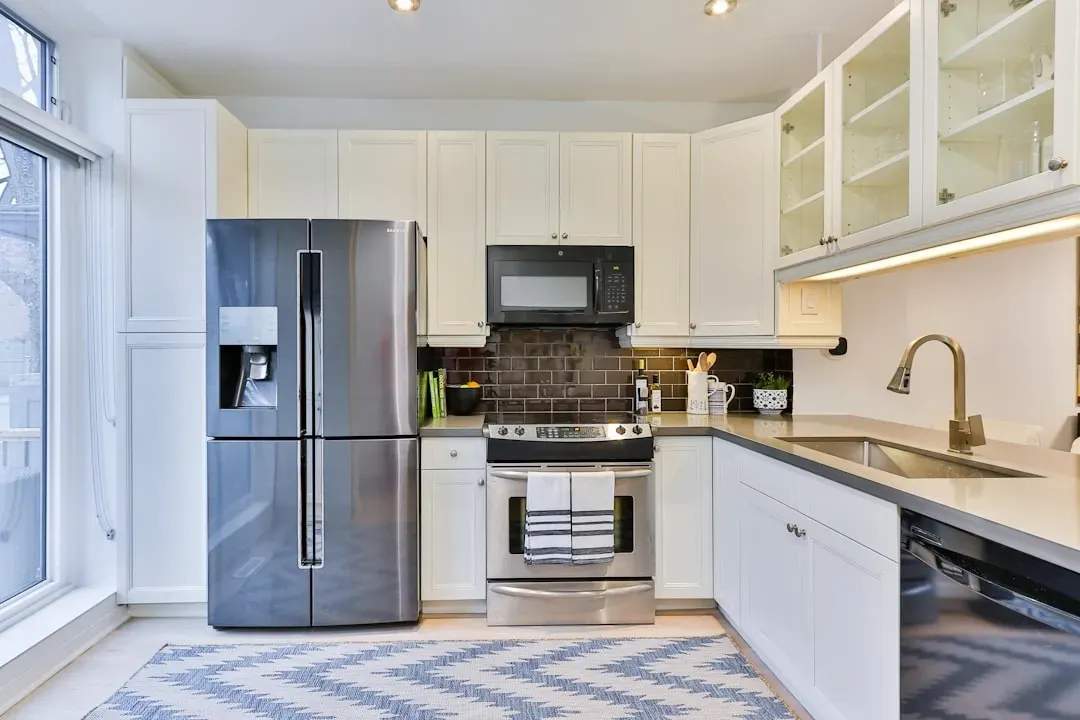
Buyers aren’t necessarily expecting a showroom of professional-grade appliances, but they do want confidence that the kitchen won’t need immediate replacement. Many homebuyers prefer a kitchen with newer appliances, even if they’re not high-end, because the peace of mind in knowing they don’t have to make that purchase after buying a home can be a major selling point.
A fridge from one decade, a stove from another, and a dishwasher that groans through every cycle sends a subtle signal that maintenance has been neglected elsewhere too. It’s less about luxury and more about avoided hassle.
6. Speckled granite countertops
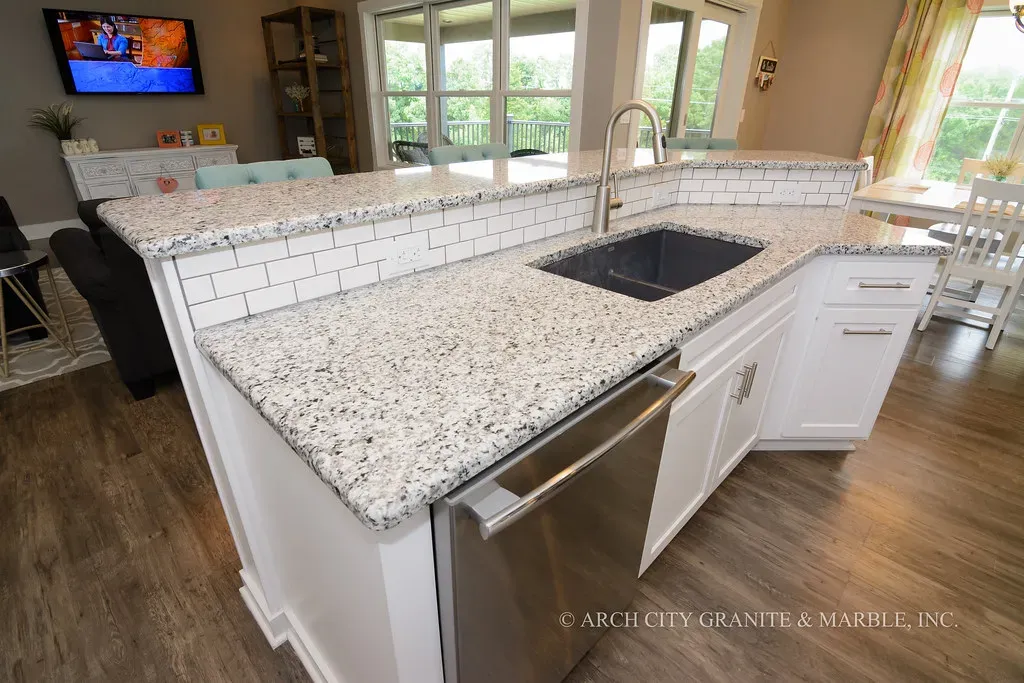
Granite ruled kitchen renovations for a solid two decades, but that reign has quietly ended. Granite was long the undisputed king of kitchen renovations, but buyers are now rejecting the busy, speckled look in favor of cleaner, lower-maintenance materials that fit modern aesthetics.
Quartz has taken over as the preferred surface for a reason beyond looks. The National Kitchen and Bath Association’s 2026 forecast reported that roughly three quarters of design professionals now favor quartz for its durability and consistency, since the natural inconsistencies that once made granite special are now seen as visual clutter.
7. Brass fixtures and hardware
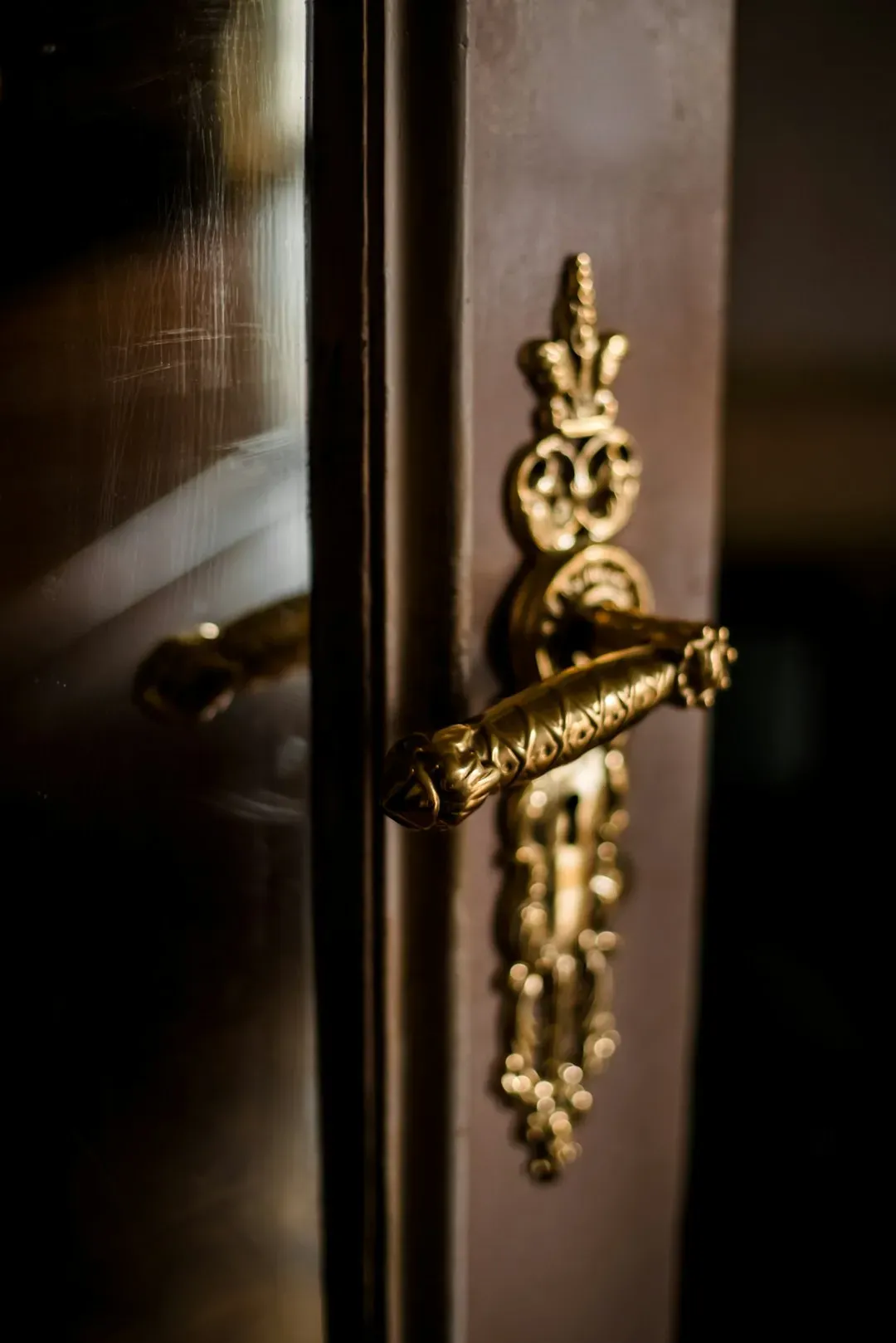
Brass had a strong moment decades ago, faded out, then briefly came back into fashion. It’s fading again. Brass had its moment in the 1990s, but now it’s a turnoff for many modern buyers.
The issue isn’t brass as a metal so much as the specific shiny, yellow-toned brass that dominated older builder-grade kitchens. Brushed or matte finishes in warmer tones tend to age better and read as intentional rather than leftover.
8. Dark cherry or espresso cabinetry
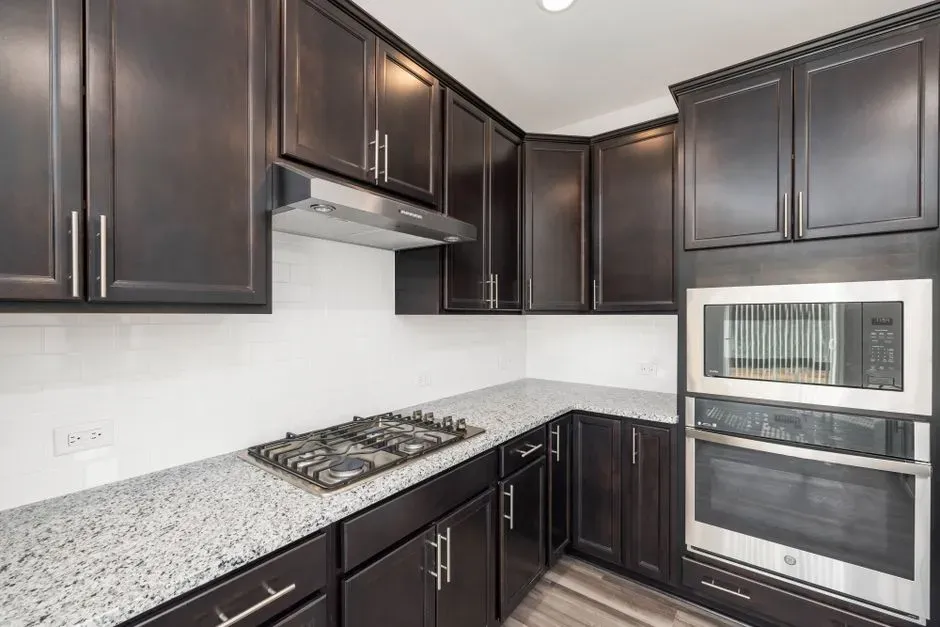
Deep, heavy wood tones once signaled a formal, upscale kitchen. Now they tend to make a room feel smaller and darker than it actually is. The heavy, dark cherry and espresso wood finishes that dominated kitchens and bathrooms for years are now being rejected in favor of lighter, natural tones.
Buyers touring homes with natural light streaming through a window often react differently the moment they hit a kitchen full of dark cabinetry, especially in smaller layouts. It can make an otherwise well-proportioned room feel closed in.
9. Double ovens taking up prime real estate
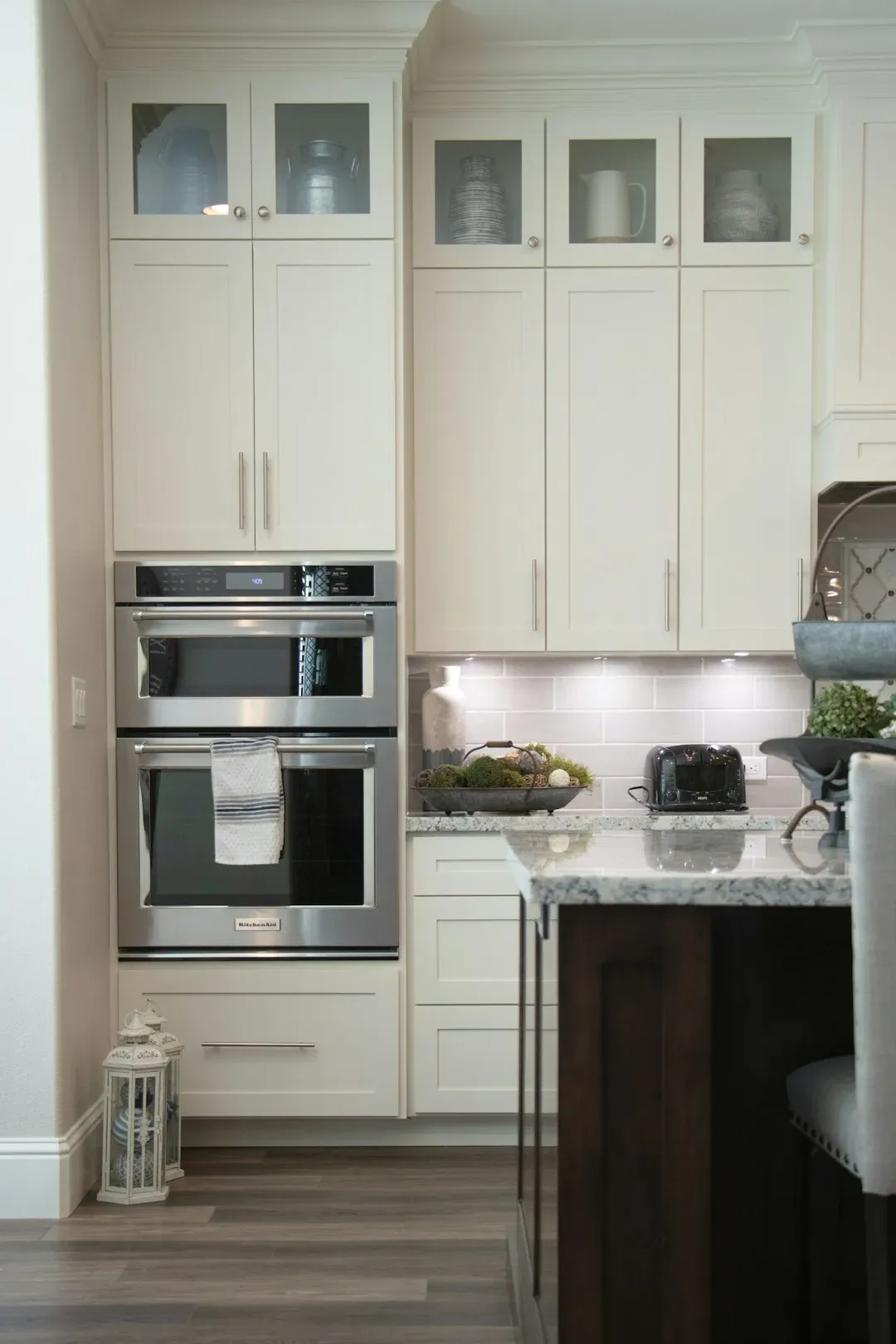
A double oven used to be a bragging point on a listing. These days, buyers are doing different math. Kitchen real estate is precious, and buyers are prioritizing pantry space and coffee bars over redundant cooking capacity, making it harder to justify the footprint of a double oven when smarter, compact options can do the same job.
There’s also a practical cost angle buyers are weighing more than they used to. The energy cost of heating a massive appliance for a small meal weighs on the minds of eco-conscious shoppers, and that quiet calculation can tip a buyer toward a kitchen with a smarter, smaller footprint instead.
10. Permanent, high-impact wallpaper

Bold wallpaper photographs well and can make a kitchen memorable in listing photos, but that memorability cuts both ways. Permanent, high-impact wallpaper is a major turn-off for move-in-ready shoppers, since bold patterns dictate a very specific style that rarely matches a buyer’s personal furniture.
The bigger issue is what removing it actually involves. Permanent wallpaper is increasingly seen as a hassle buyers do not want to inherit, since the labor-intensive process of steaming and scraping old paper scares off move-in-ready shoppers who fear what damage might be hiding beneath.
11. Glitchy smart kitchen tech
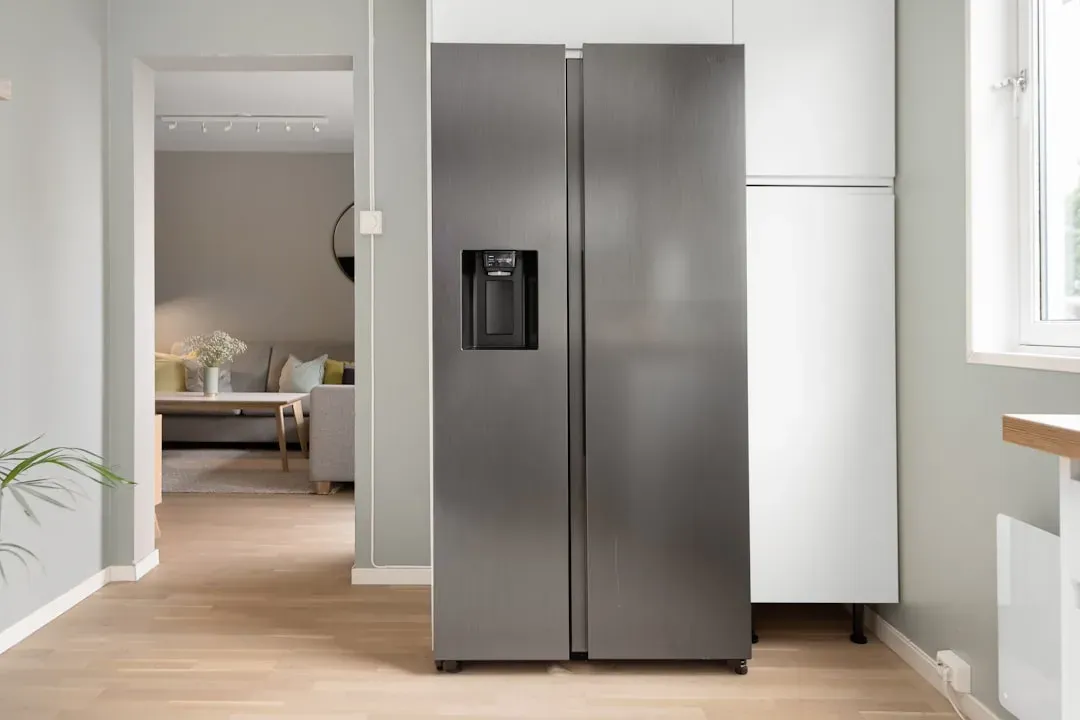
Smart appliances were pitched as the future of the kitchen, but plenty of buyers have grown wary of screens that freeze, apps that need constant updates, and touch panels that stop responding after a few years. Realtors warn that “smart” appliances with glitchy screens are often seen as maintenance headaches rather than upgrades.
What buyers actually want is technology that quietly works without demanding attention. The new preference is for “invisible tech,” features that work in the background without needing a dedicated app or troubleshooting session. A fridge that requires a firmware update is rarely the selling point it was marketed to be.
None of these features are dealbreakers on their own, but together they shape how quickly a buyer forms an opinion while standing in a kitchen. Most are also fixable without a full renovation, whether that means swapping hardware, repainting cabinets, or simply clearing off an open shelf before a showing. Small, targeted updates in a kitchen tend to move the needle far more than buyers, or sellers, usually expect.



Leave a Reply