
A skyline is a strange kind of signature. Take away the street names, the language on the signs and the crowds, and what’s left is a jagged line against the sky. Some cities can be read from that line in a second.
Others take a little more looking. Think of this as a gallery walk through nine capitals, each with one visual clue to look for and a few facts that explain why it stands out.
Paris, France: The Iron Lattice Above the Rooftops
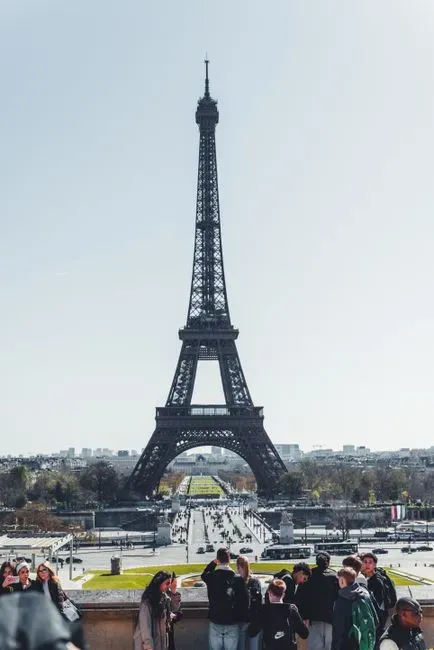
The giveaway is the Eiffel Tower, a tapering lattice of wrought iron that finished construction in 1889. It stands roughly 330 meters tall including its antennas, and it still dominates a city whose center is mostly made of low, cream colored buildings.
Look at what surrounds it, too. Paris has long kept its central skyline modest, so the tower rises from an even bed of mansard roofs. Further out, the business district of La Défense adds a cluster of glass towers, but the old core stays low.
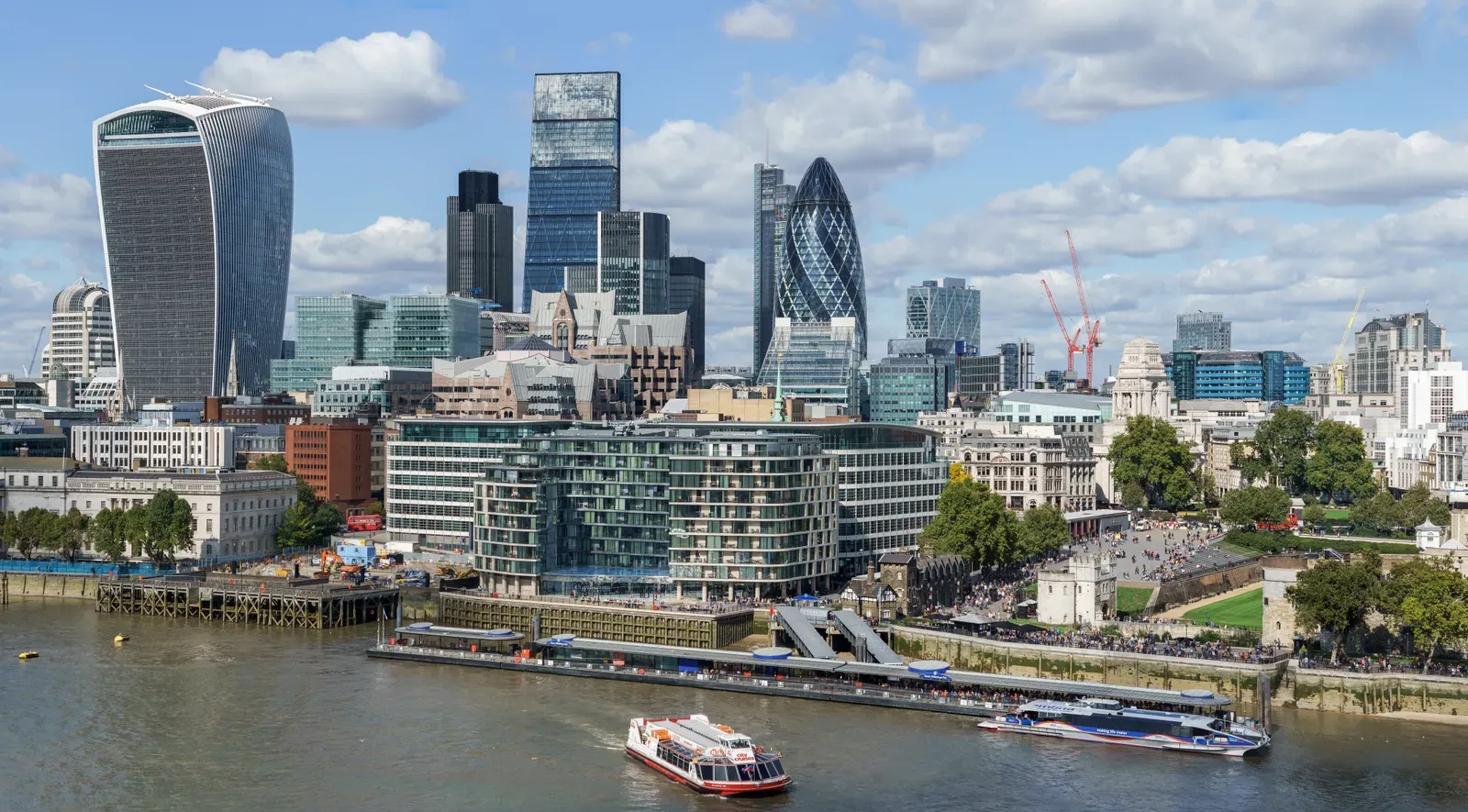
London, United Kingdom: A Skyline Built From Nicknames
London is the capital where the buildings are known by what they look like. The Shard, a glass spire of about 310 meters, anchors the south bank of the Thames. Nearby you’ll often spot the rounded 30 St Mary Axe, locally called the Gherkin.
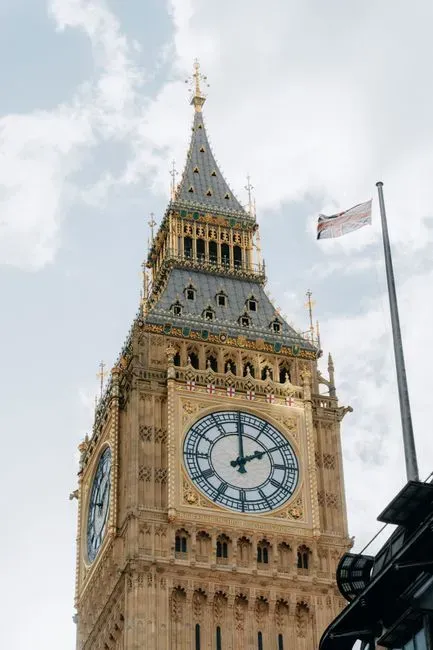
For a more traditional clue, look for the clock tower at the Palace of Westminster. It’s officially named the Elizabeth Tower, though most people still say Big Ben. Gothic spires beside modern glass is a very London combination.
Tokyo, Japan: The Tallest Tower in a Sea of Buildings
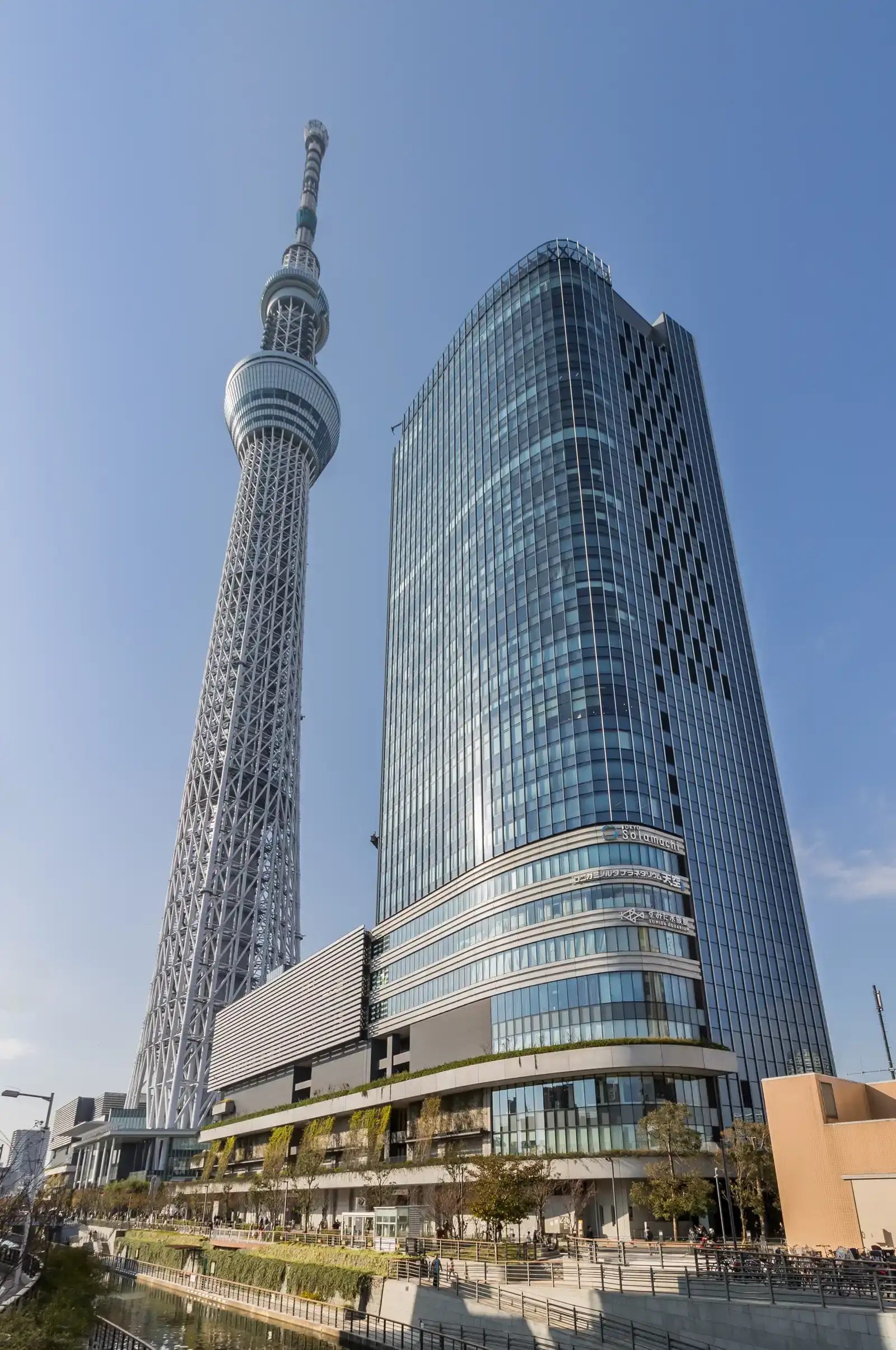
Tokyo rarely gives you one tidy cluster. The city sprawls, so photos often show an endless carpet of buildings broken by a single exceptional structure, the Tokyo Skytree. At 634 meters, it’s among the tallest towers in the world.
Its older neighbor, Tokyo Tower, is a red and white steel frame inspired by the Eiffel Tower and finished in 1958. If you see that orange and white lattice among dense mid rise blocks, you’re very likely looking at Tokyo.
Kuala Lumpur, Malaysia: The Twin Towers That Say It Instantly
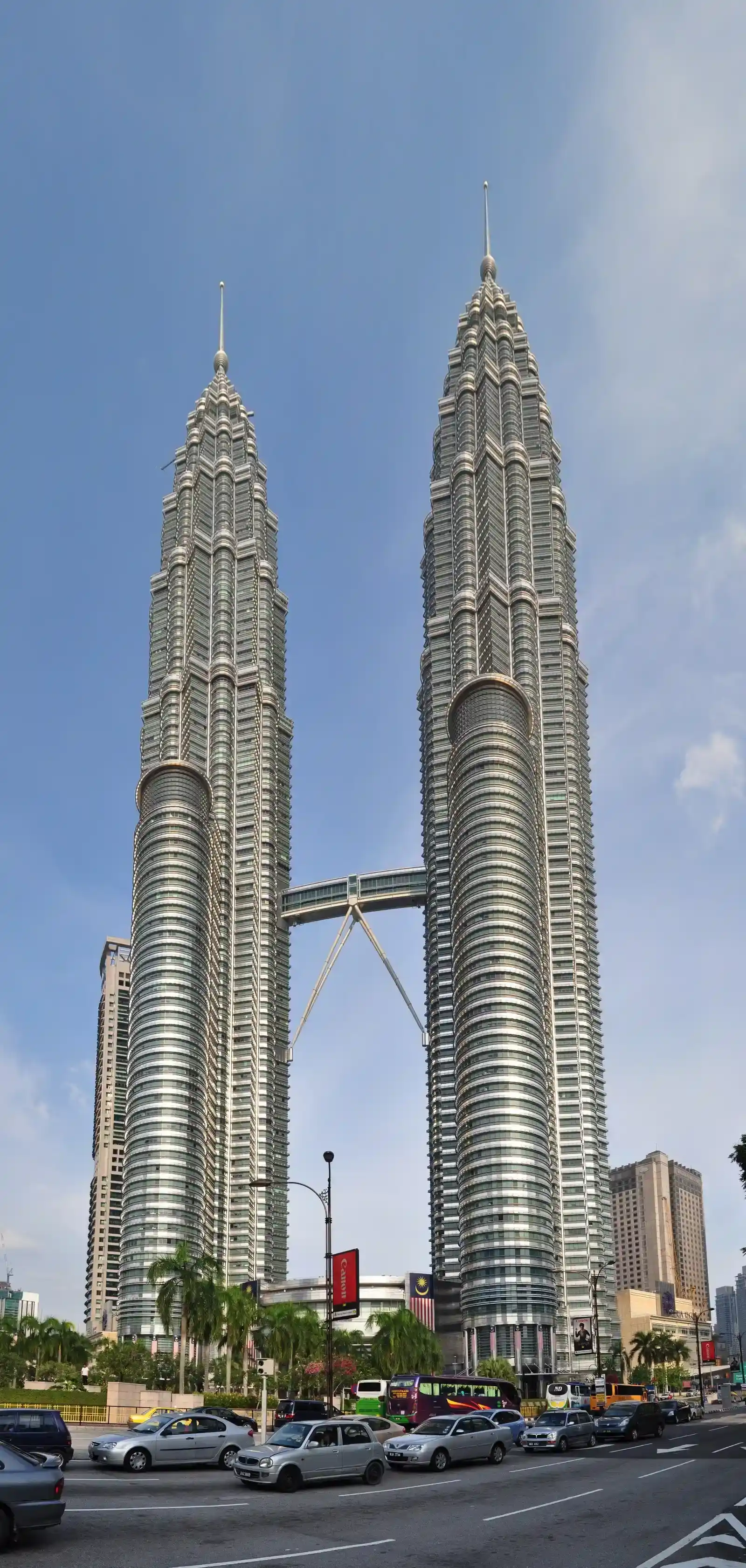
The Petronas Twin Towers are among the easiest landmarks to name. They rise about 452 meters, and they held the title of the world’s tallest buildings from 1998 until 2004. A skybridge links the two towers partway up.
The shapes draw on Islamic geometric patterns, which gives the stainless steel and glass surface a distinctive look even at a distance. Nearby, the slimmer KL Tower adds a second spike to the skyline, especially in night photos.
Washington, D.C., United States: The Skyline That Refuses to Climb
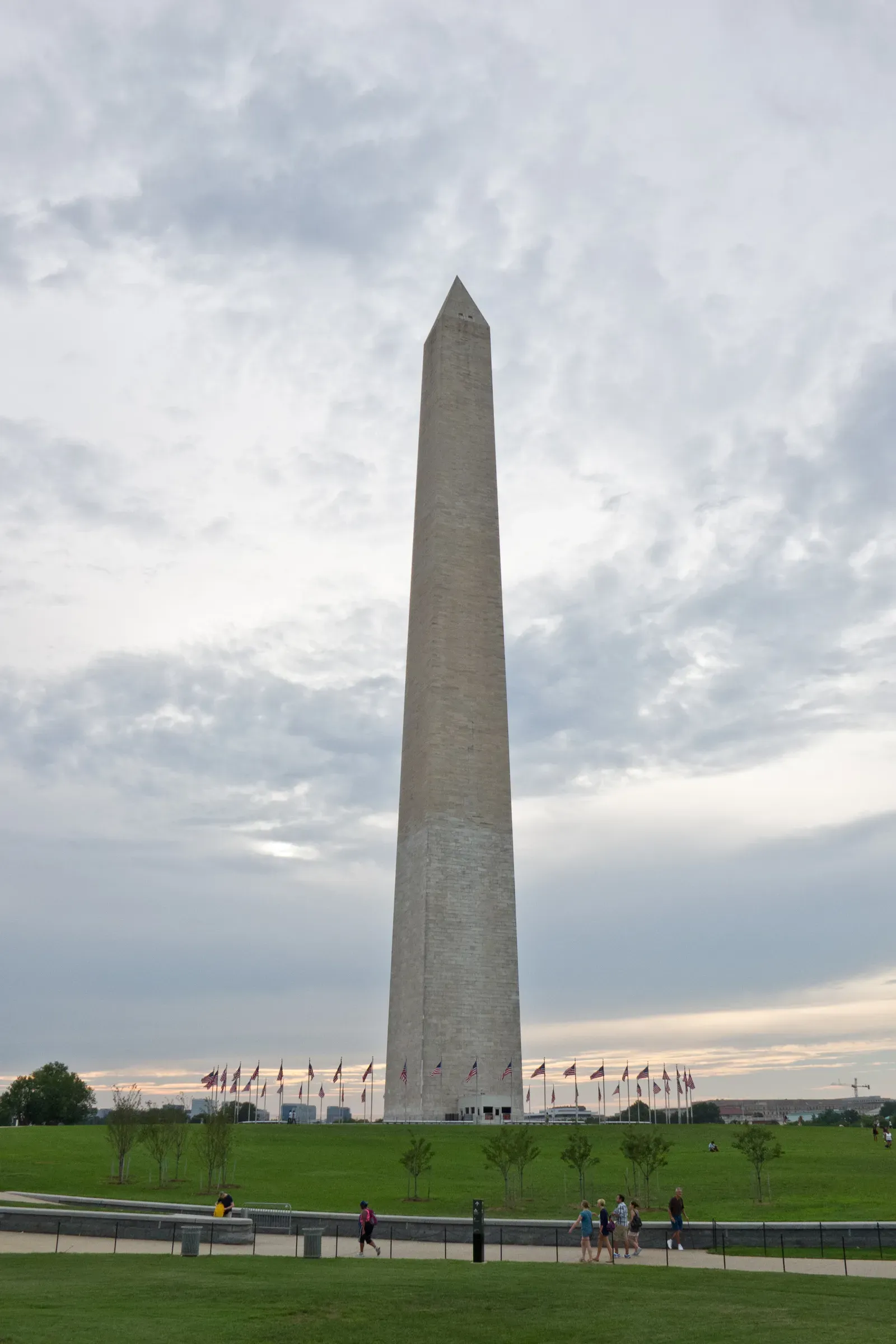
This one is defined by what’s missing. Washington has no cluster of supertall towers, because a federal height law limits building heights in the city. The result is a flat horizon interrupted by monuments and domes.
The Washington Monument, a white obelisk about 555 feet tall, is the main clue. The U.S. Capitol dome, set on a hill at the other end of the National Mall, is the second. Spot either one against low, even buildings and the answer is close.
Canberra, Australia: A Planned City With Hills and Open Air
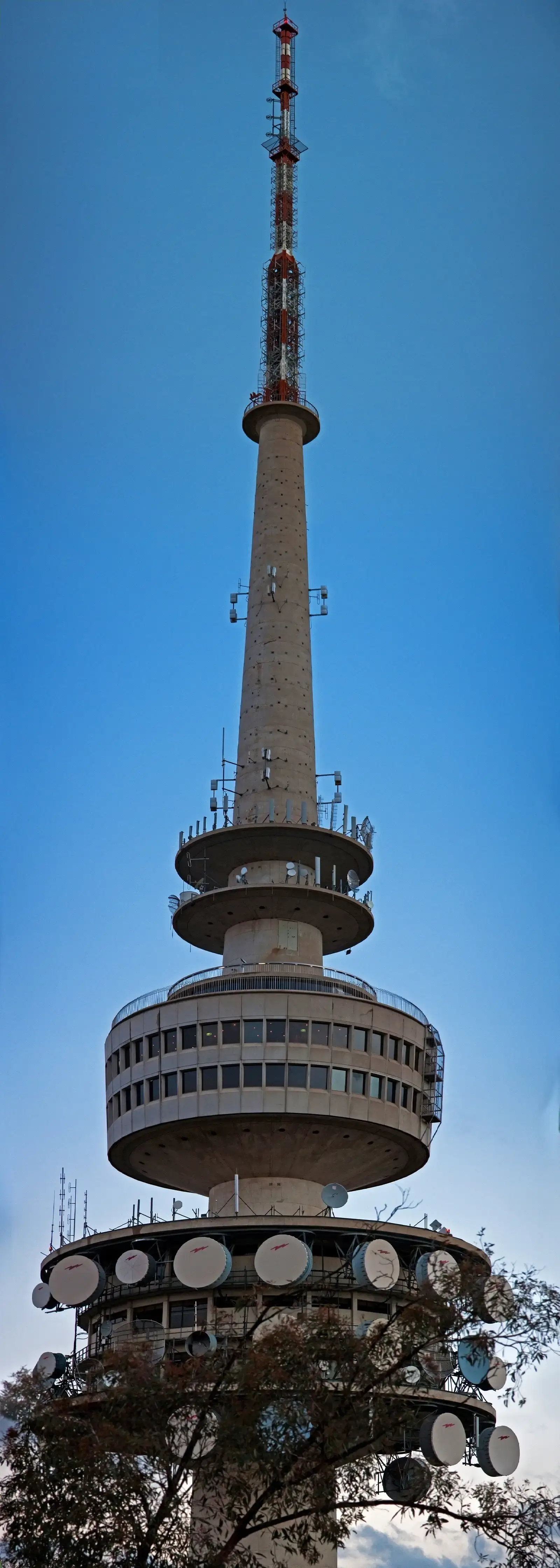
Canberra is the capital many people forget, and its skyline shows why. It was designed in the early twentieth century by the American architects Walter Burley Griffin and Marion Mahony Griffin, who laid it out around a central lake and a series of hills. The shots tend to look green and open, not packed.
Watch for Telstra Tower on Black Mountain, a slender telecommunications mast that sits above the treeline. Parliament House, with its giant flagpole, is the other signature. Neither looks like a typical downtown, and that’s the hint.
Brasília, Brazil: Modernism Turned Into a Skyline
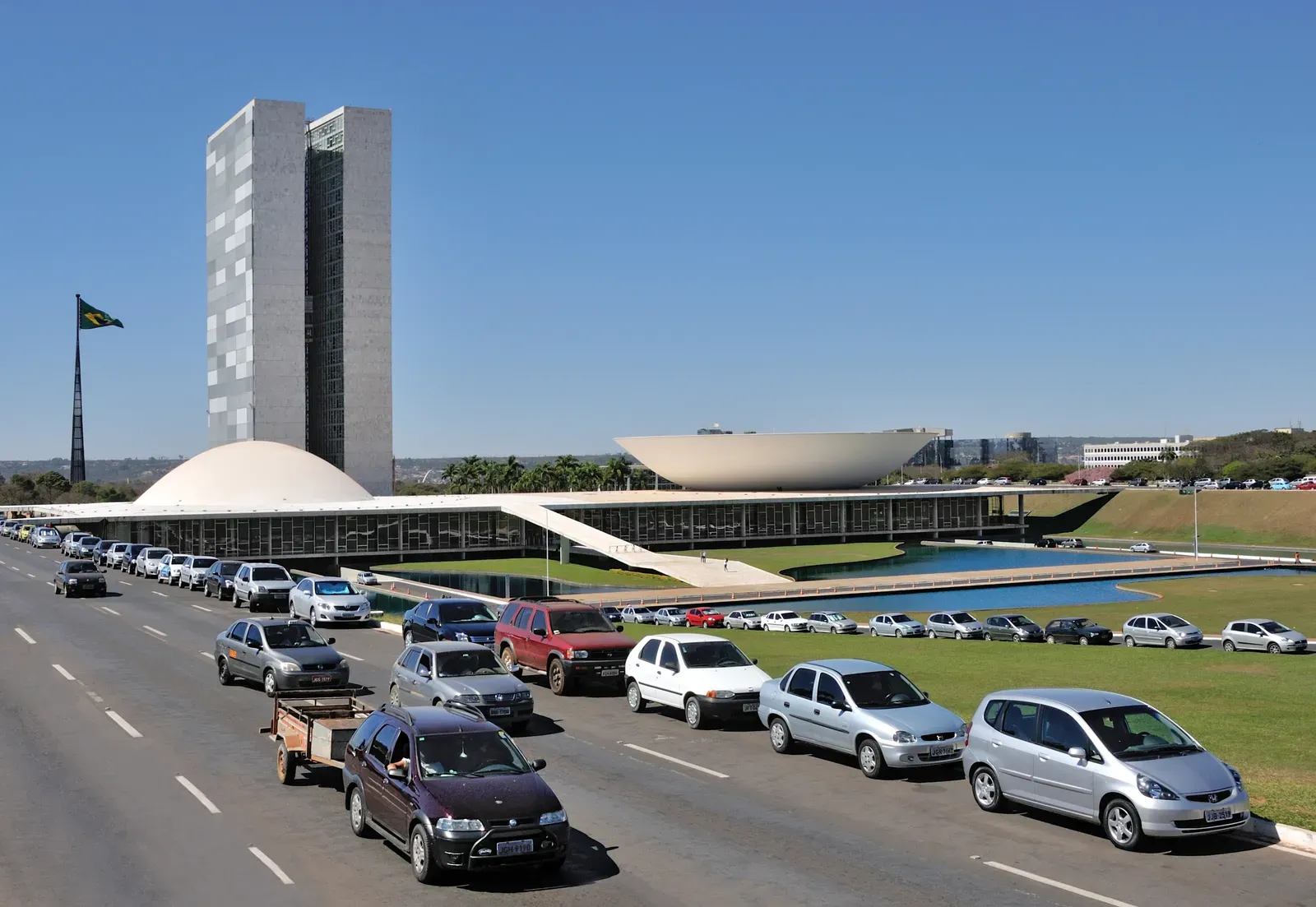
Brasília was built from scratch and inaugurated in 1960. Urban planner Lúcio Costa laid out the city, while Oscar Niemeyer designed many of its key buildings. The city is now a UNESCO World Heritage Site for this modernist design.
The picture to look for is the National Congress, with two tall office towers between a dome and an upturned bowl. Few other capitals have a silhouette so sculptural. Wide lawns and sweeping concrete curves complete the scene.
Moscow, Russia: Onion Domes Beside Glass Towers
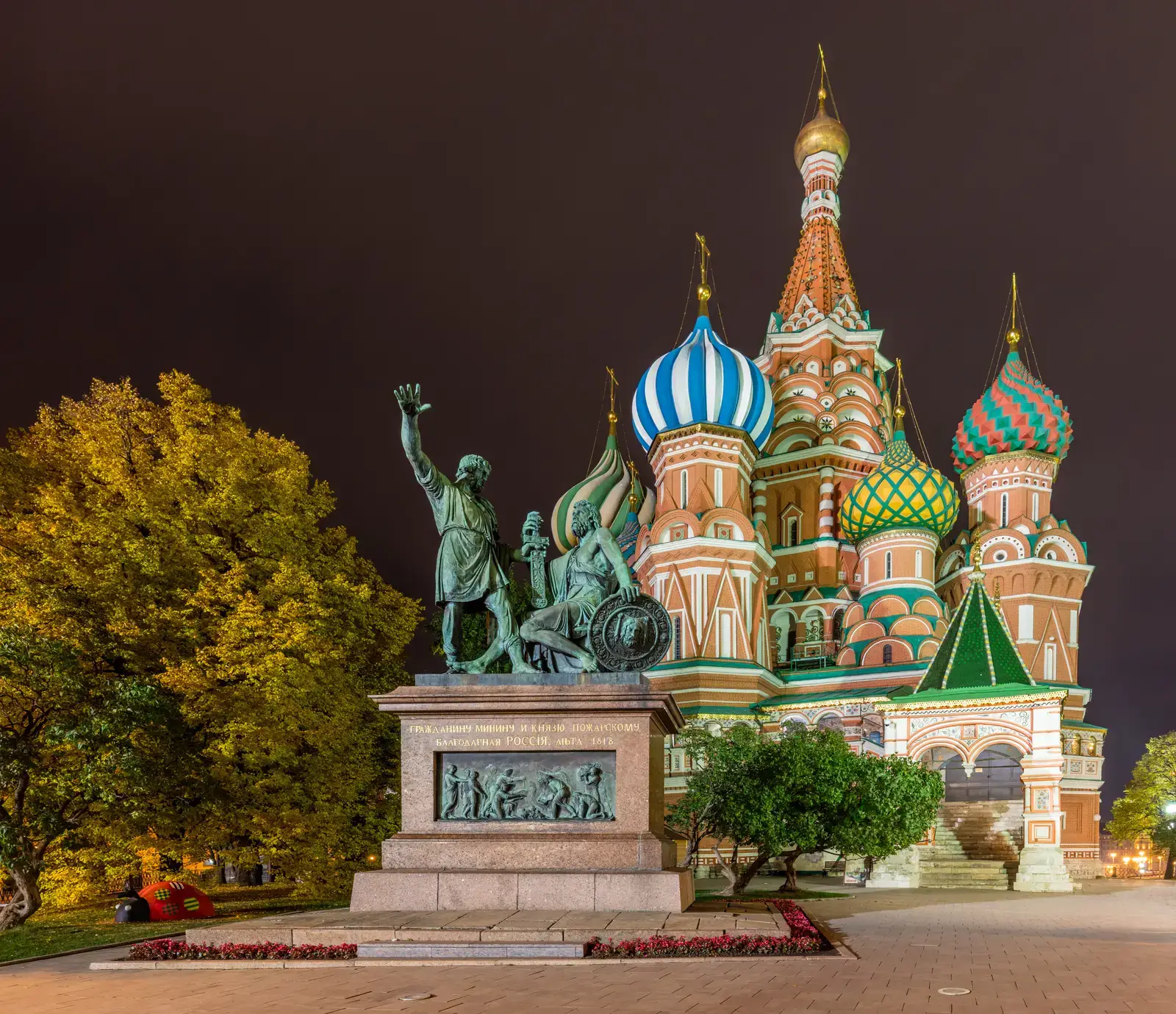
Moscow works as a skyline puzzle because of its contrast. St. Basil’s Cathedral, with its brightly patterned domes, sits at Red Square next to the red brick walls of the Kremlin. Both date back centuries.
Then there are the Seven Sisters, the Stalin era skyscrapers with stepped, wedding cake profiles. Add the newer glass towers of Moscow City, and you have a skyline that mixes medieval, Soviet and modern eras in a single frame.
Taipei, Taiwan: One Tower Stacked Like Pagoda Segments
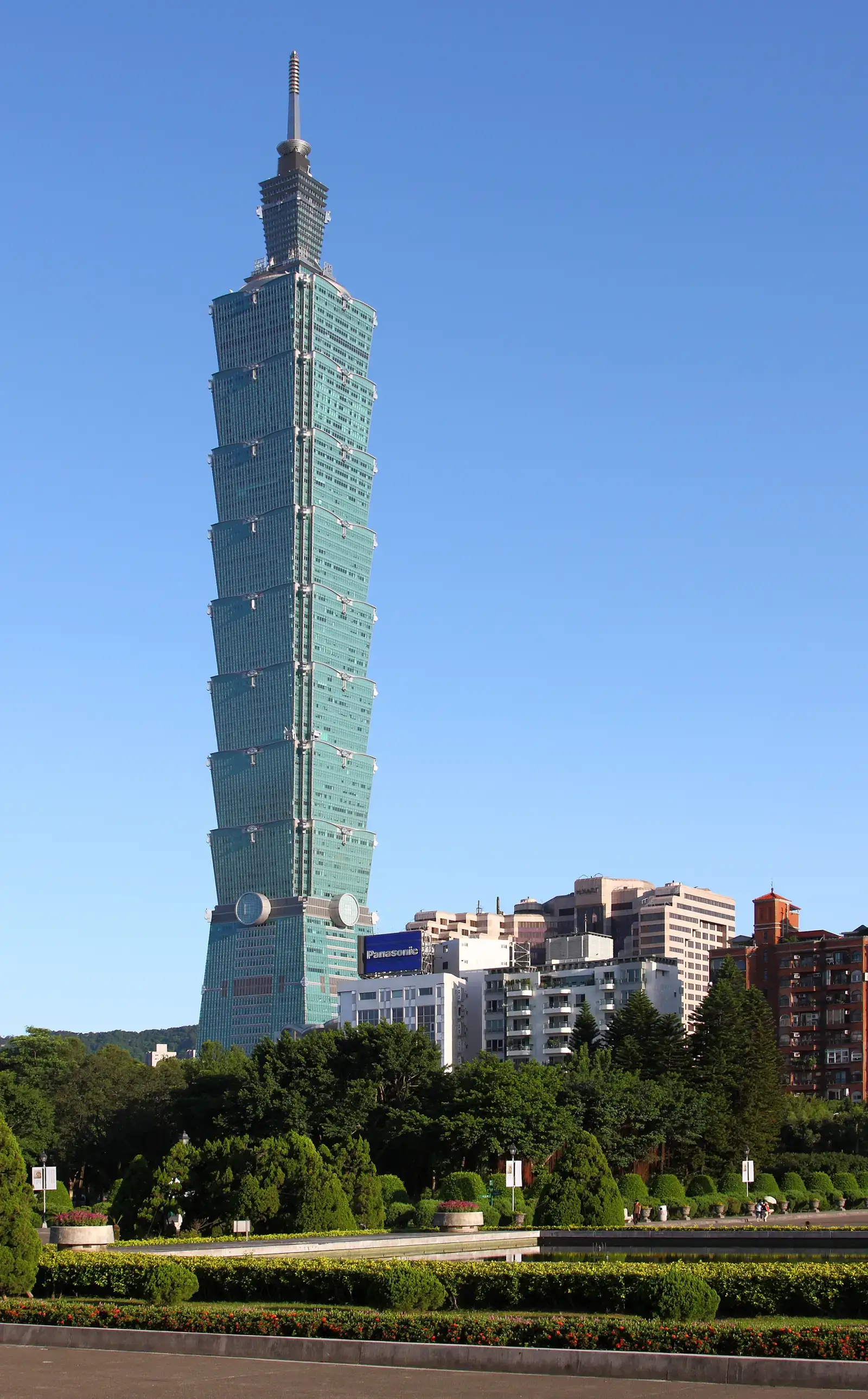
Taipei 101 is unmistakable. It rises about 508 meters and was the world’s tallest building when it opened in 2004. Its eight tiered sections echo traditional pagoda forms and the Chinese idea of abundance.
Photos often show the tower against steep green mountains right behind the city, which is a helpful second clue. A giant tuned mass damper inside the tower helps it handle typhoon winds and earthquakes, which suits the region it stands in.
How to Check Your Answers
The nine answers in order are Paris, London, Tokyo, Kuala Lumpur, Washington, D.C., Canberra, Brasília, Moscow and Taipei. Each was identified by a landmark, a height rule or a design history you can look up.
Next time you see a skyline photo, start with the tallest object, then check the land around it. Mountains, lakes, domes and low rooftops often give the city away before the towers do.



Leave a Reply