
Some places become famous so thoroughly that the real thing can’t keep up. You’ve seen them on postcards, in films and across social feeds for years, so the first visit comes loaded with expectations.
Review data and travel writers have started to put numbers on that letdown. The seven attractions below come up again and again in those lists, and each one has a specific reason why visitors leave without wanting an encore.
The Mona Lisa, Paris

The painting is smaller than most people imagine, and it sits behind glass at the back of a crowd. Many visitors are surprised to find a relatively small portrait surrounded by crowds and smartphones. The Louvre itself is a superb museum, which makes the fixation on one canvas feel a little odd.
One analysis of more than eighteen thousand visitor reviews found nearly 40 percent of comments about the painting were negative. The same report says the work draws 80 percent of the museum’s nine million annual visitors, with each person getting about 50 seconds to look. That’s a lot of effort for under a minute.
The Little Mermaid Statue, Copenhagen
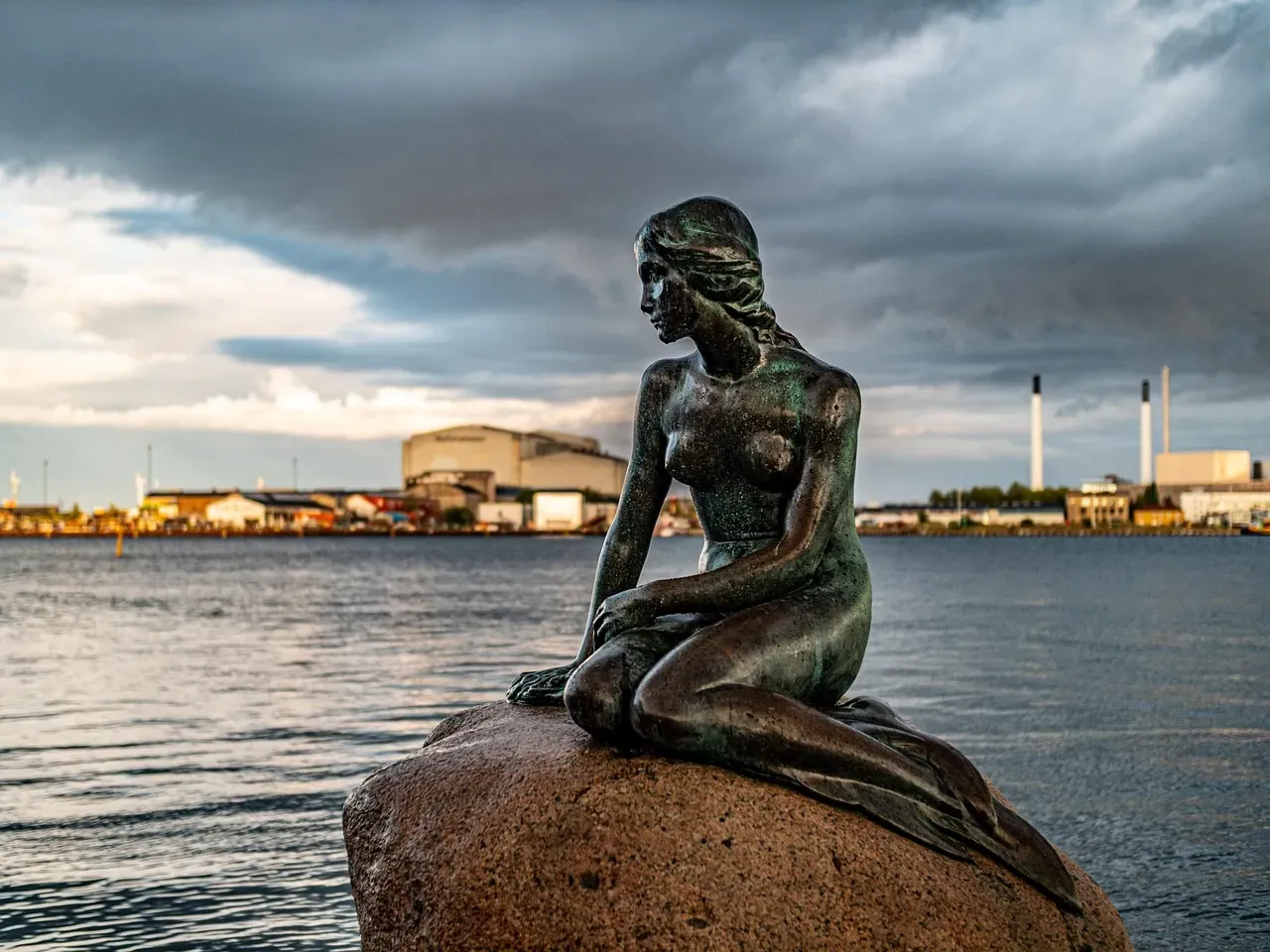
Size is the main complaint. She sits on a rock by the Langelinie promenade, but she’s only 4.1 feet tall. Visitors who expect something grand tend to walk away puzzled.
A TripAdvisor based study ranked 28 major attractions by how often reviewers voiced disappointment. The Little Mermaid placed second, with a negative sentiment score of 87.91. Critics describe the statue as small and underwhelming. Locals may value her as a symbol, but the trip out to see her rarely feels like a highlight.
Manneken Pis, Brussels
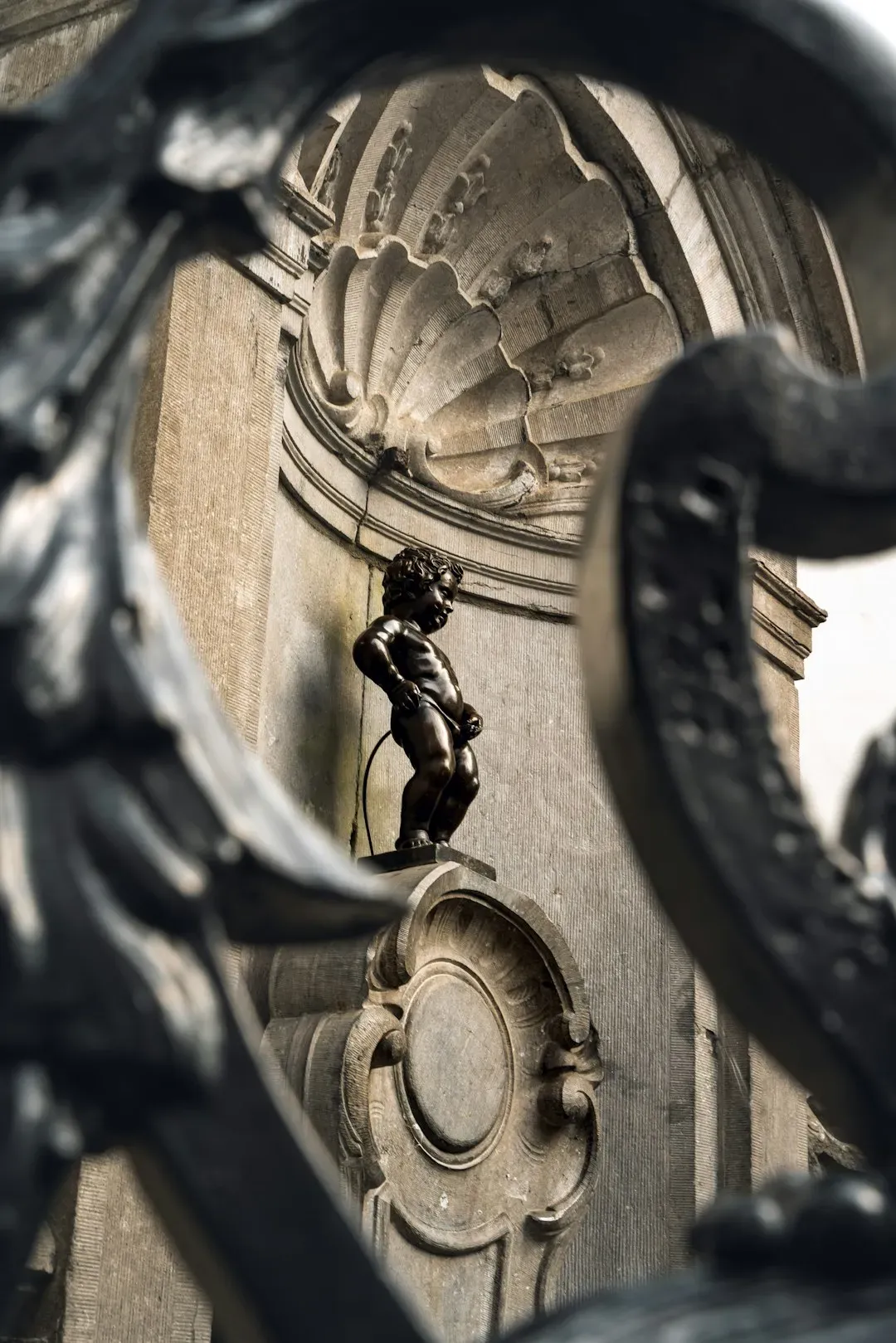
This bronze fountain statue shows a small boy urinating, and it’s tiny. Plenty of people pass it without noticing unless a crowd gives it away. Some guides call it an easy skip and suggest the calmer Brussels Park instead.
In the same review analysis, Manneken Pis came third, and like the Little Mermaid it draws criticism more for the letdown in person than for outright poor ratings. Around one fifth of its reviews were negative, according to the table. Time Out also listed it among Europe’s naff attractions for 2026.
Times Square, New York City

Times Square is built for the camera, not for lingering. Between 250,000 and 300,000 pedestrians visit each day, with peak days topping 400,000. Those numbers squeeze into just a handful of blocks.
Travel writers describe the area as crowded to the point of discomfort, noisy, and filled with aggressive street performers and overpriced stores. It’s worth seeing once at night, since the lights really are something. A second trip is harder to justify when the city has so many calmer corners.
Trevi Fountain, Rome
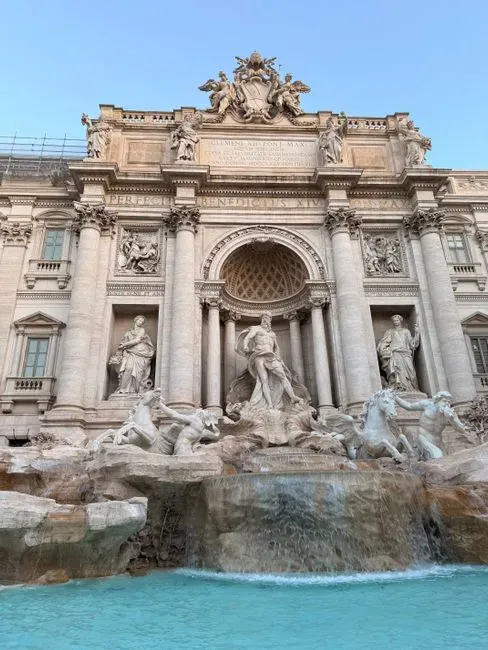
The fountain is genuinely beautiful, though you may spend more time fighting for a spot than admiring it. A March 2025 Radical Storage survey found almost a quarter of respondents had a negative experience, and just under 17 percent blamed crowds and mobility. Coin tossing happens shoulder to shoulder.
Rome has also been changing how visitors reach it. Time Out reported that tourists will have to pay to see the Trevi Fountain from next year. For some travelers, the shift adds one more reason to enjoy it briefly and move on.
Juliet’s Balcony, Verona
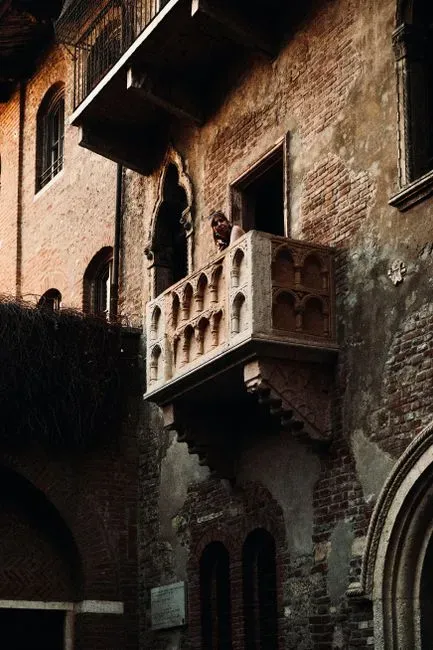
The famous balcony has no real link to Shakespeare. It was built more than 300 years after he died. The courtyard below is usually packed with people taking the same photo.
Getting onto the balcony costs money too. It’s just a balcony like any other, except now you have to pay €12 to access it. That helped it top the Telegraph’s list of Europe’s most naff attractions.
Széchenyi Thermal Baths, Budapest
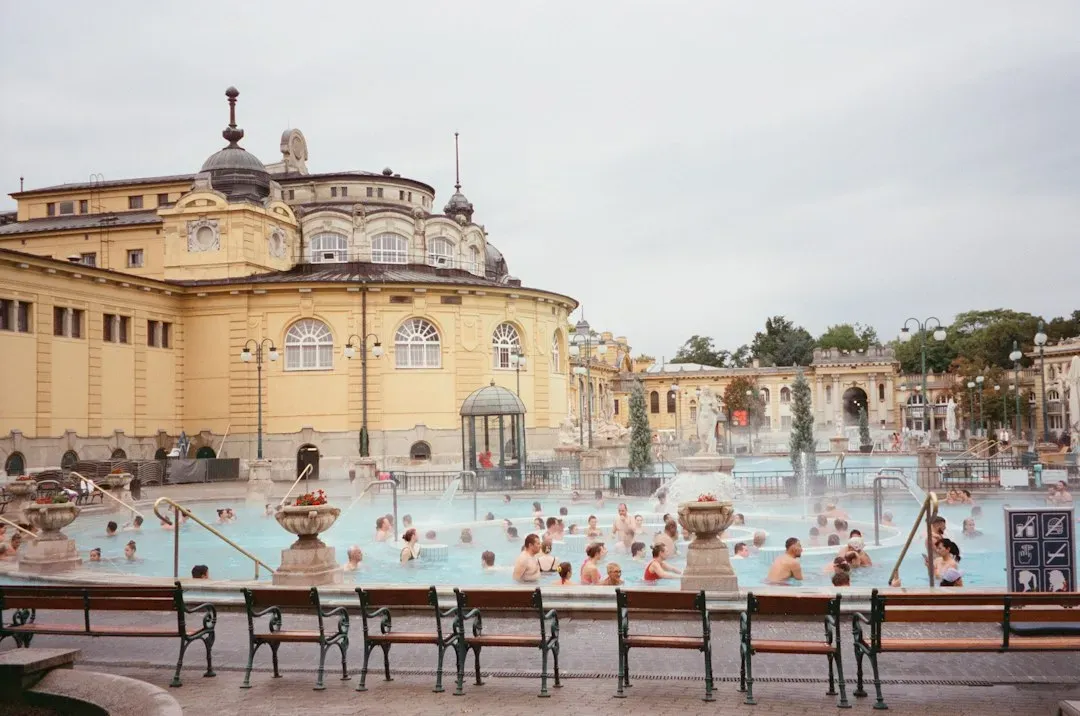
Thermal bathing should be slow and relaxing. At Széchenyi, popularity gets in the way. The Radical Storage survey found 37.2 percent of reviews were negative, citing inaccessibility and large crowds that lengthen waits.
A June 2025 Tripadvisor review described a scene with no available sunbeds and queues of people lining up for an already overcrowded space. The baths are still a Budapest icon, and an early or off peak visit may help. Many travelers, though, say one soak was plenty.




Leave a Reply