
In Copenhagen, winter daylight can shrink to just a few hours, and homes are arranged to make up for it. Warm light, soft textiles and a table with people around it aren’t extras there. They’re how the season gets handled.
Hygge, the Danish habit of creating a comfortable, warm atmosphere, has been exported worldwide for years. Much of it is simple enough to try tonight, and some of it is more about people than objects.
What Hygge Actually Means
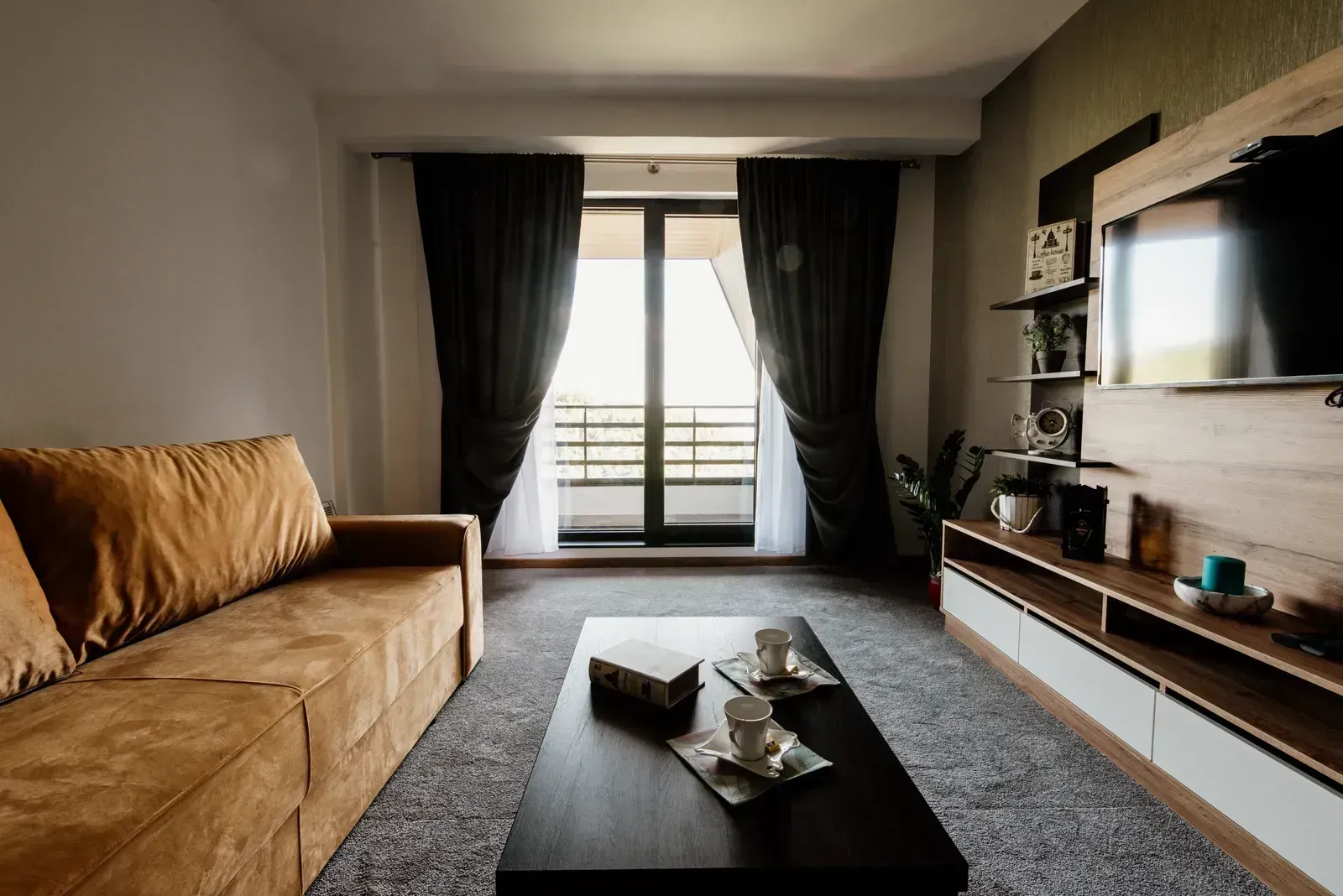
Hygge is usually described as the art of creating a nice atmosphere. Hygge can best be described as the art of creating a nice atmosphere. It isn’t a style or a shopping list.
The word works as both a verb and an adjective in Danish, so you can hygge with someone or describe a room as hyggelig. In Danish, it can be both a verb and an adjective. That flexibility hints at why it’s about a feeling more than a look.
Start With Candlelight
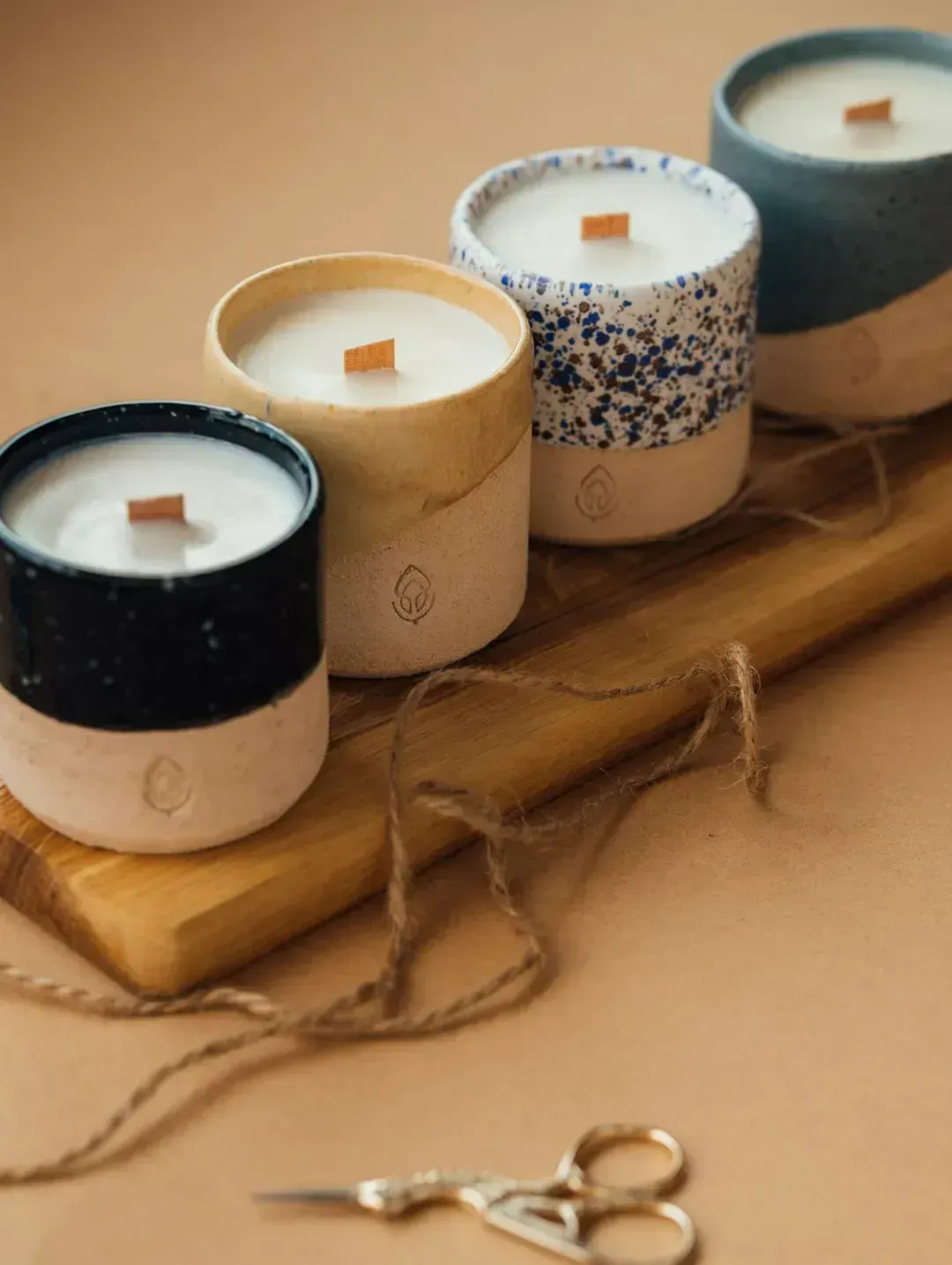
Candles are the most cited Danish shortcut. Research from the Happiness Research Institute, as reported by a candle retailer, found that more than eight in ten Danes associate hygge with candles. At least 70% of the Danish population light a candle once a week and 28% light candles every day.
Danes don’t stop at one, either. The same study found nearly a third of Danes light more than five candles at a time. Meik Wiking, who runs the institute, has said that scented candles are seen as artificial, so plain unscented ones are the more Danish choice. Scented candles are considered artificial, and Danes prefer natural products.
Think in Layers of Warm Light
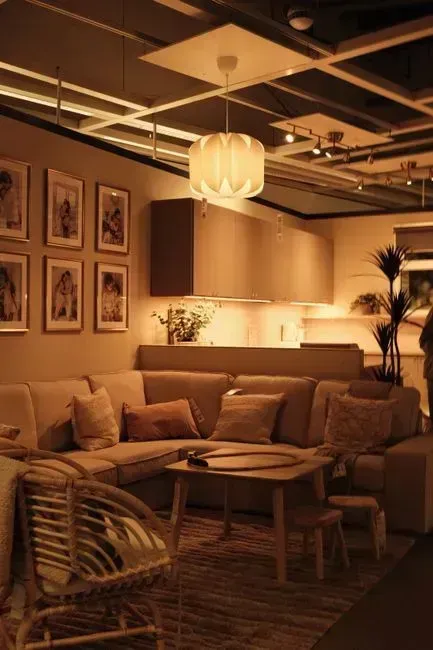
A single bright ceiling fixture is the opposite of hygge. A 2026 lighting guide describes the approach as warm, layered, low and diffused, which in practice means several small lamps rather than one overhead source. One overhead light creates uniform, shadowless brightness that can feel clinical.
Color temperature matters too. Wiking describes the most hygge light as roughly 1800K, the color of a sunset, a wood fire or a candle flame. Most household bulbs can’t get that low, but choosing warm white bulbs and dimmers gets you closer.
Why the Dark Months Shaped the Habit
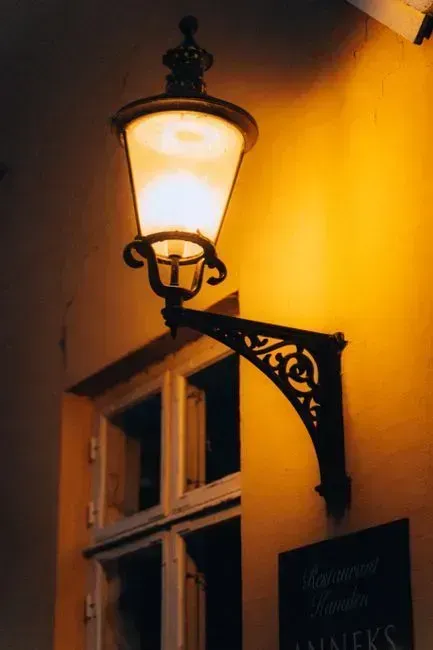
Denmark’s relationship with lighting has a practical root. Wiking has linked the obsession with lighting to the lack of natural light between October and March. When the outdoors is dim, the indoors has to do more work.
Danish design followed the same logic. Designers such as Arne Jacobsen and Verner Panton made some of the best loved lamps, and Poul Henningsen adapted the soft glow of kerosene lamps to the electric age. It’s a reminder that cozy lighting has long been treated as a design problem worth solving.
Gather People Around the Table
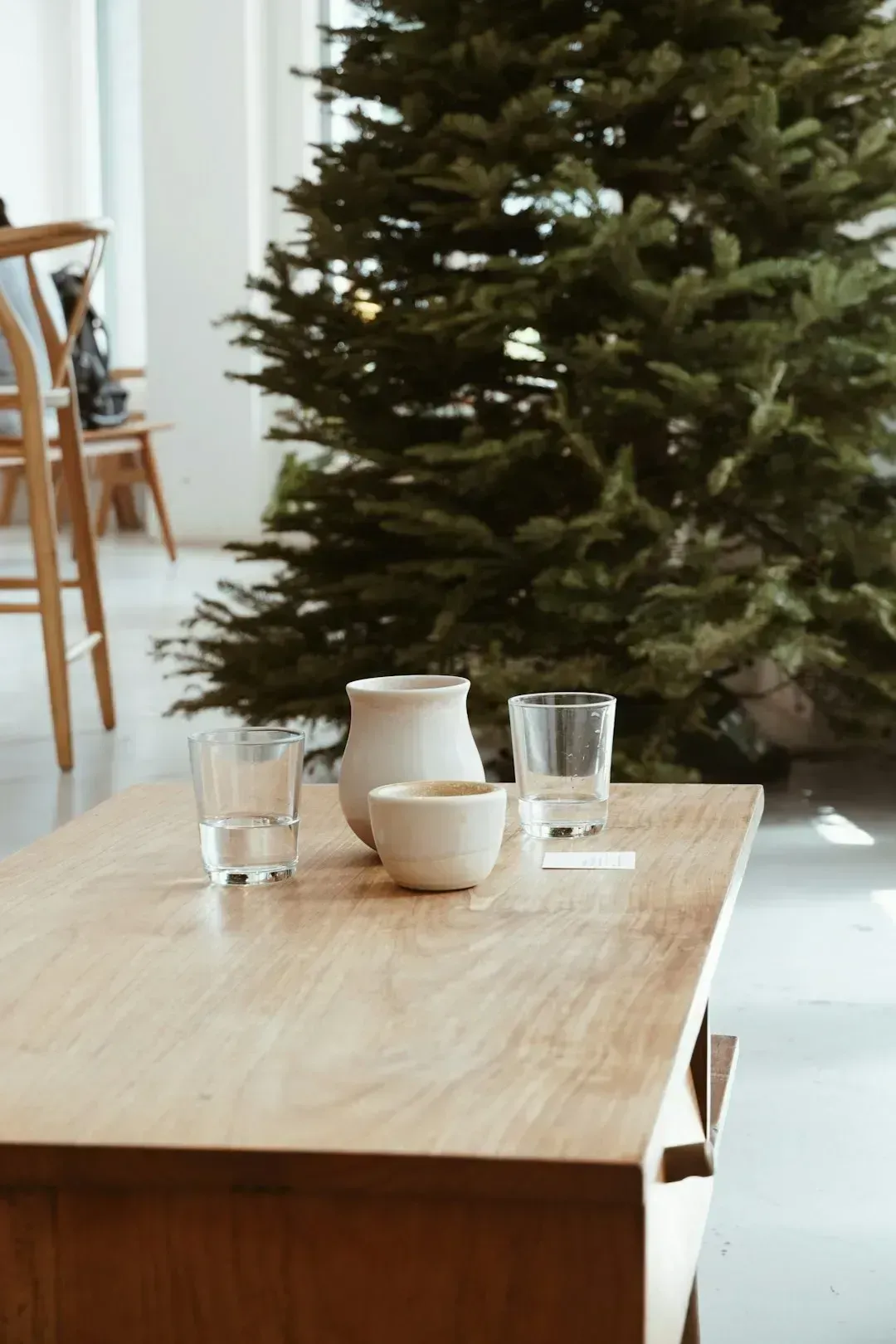
Hygge isn’t only a blanket and a mug. The Danish idea is just as likely to involve a table, a few familiar people and a conversation allowed to take its time. Even a quiet dinner for two counts.
Wiking shared an anecdote from a reader who started lighting candles at family dinners, and meals ran longer as his sons chatted about their day. Wiking himself calls it anecdotal. It’s not proof of anything, but it’s a small, believable example of how atmosphere can change behavior.
Put the Phone Down

Part of the Danish approach is protecting the evening from distraction. One commentary on hygge describes it as involving a rejection of narcissism and online social networks. That may be a little strong, but the spirit is easy to borrow.
A practical version is to choose one window of the evening, perhaps dinner through the first hour after, when phones stay in another room. Board games, cooking together and simple conversation all fit the pattern. Board games, cooking and fireplaces are among the things the institute has asked Danes to link with hygge. The Institute has surveyed Danes on associations including hot drinks, candles, fireplaces, board games and cooking.
Keep the Comforts Simple
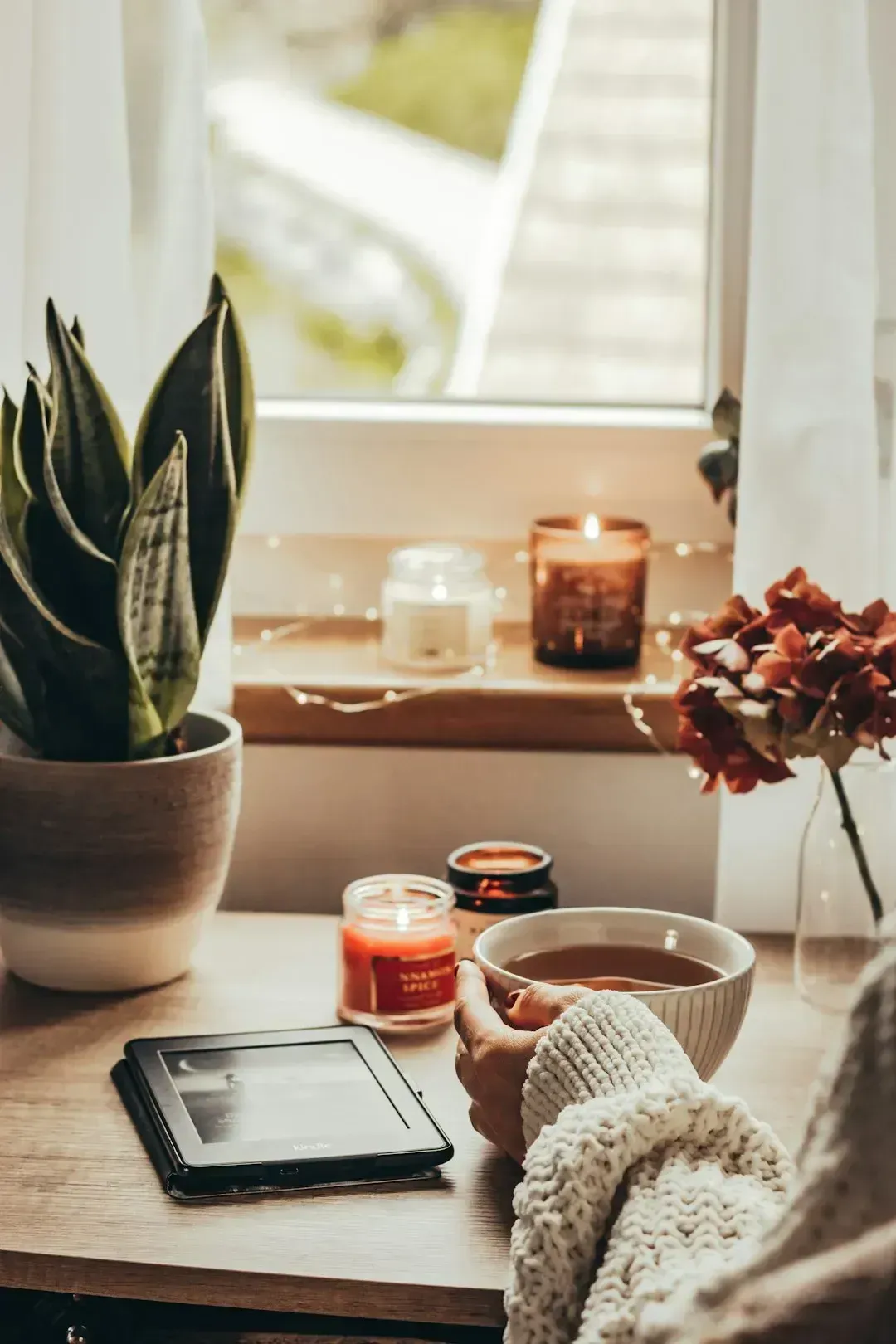
Blankets, wool socks, a warm drink and something homemade in the oven are the usual props. None of them need to be expensive. Wiking has said a common thread in his work is how people can find happiness without heavy consumption. He asks how we can experience happiness without consumption.
That’s worth remembering when hygge gets packaged as a product line. A pile of new cushions won’t do what an unhurried evening with a friend will. Start with what you already own and add one thing at a time.
What the Research Does and Doesn’t Say
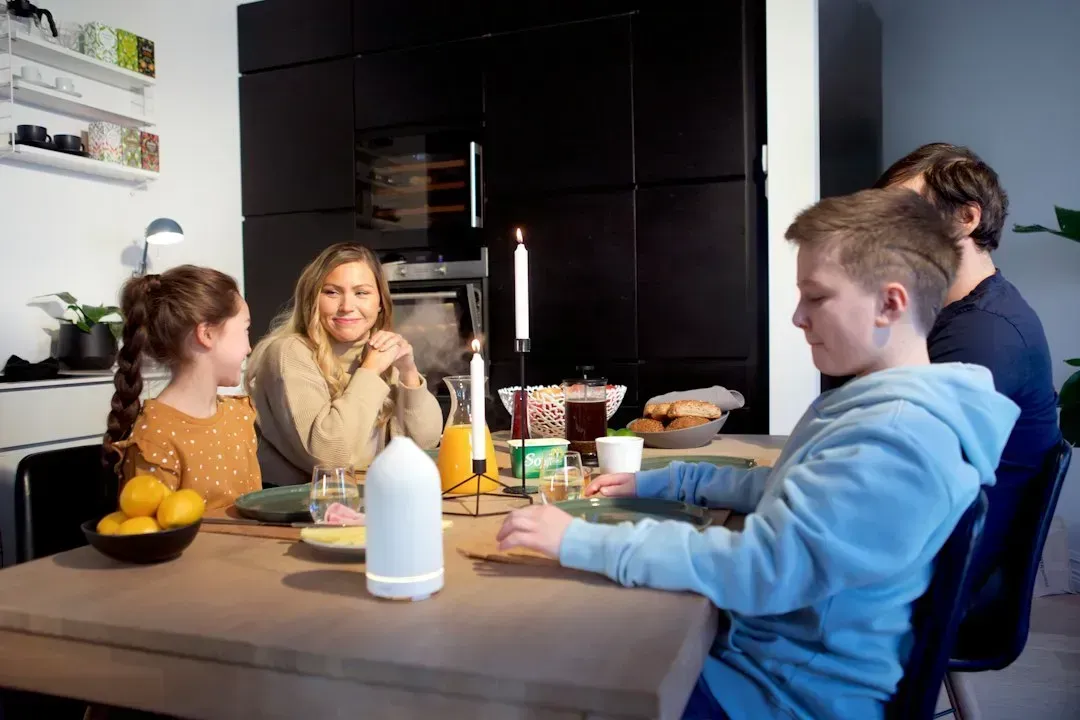
Denmark regularly ranks near the top of global happiness surveys. It placed second in the 2025 World Happiness Report, behind Finland. Hygge is often credited, but that report doesn’t measure it. The report does not measure hygge or anything specifically Danish.
The stronger evidence points to social connection. Across countries and over many years, people who have relatives or friends they can count on tend to rate their lives more highly. Still, this does not prove that hygge causes happiness. Income, health, trust and freedom all play a part too.
Make Room for Others

There’s one caution worth noting. The official Danish account of hygge acknowledges that it can turn inward. It can be inward looking and difficult for newcomers to enter.
At home, the fix is easy: invite the neighbor, the new coworker or the friend who’s been on their own lately. A hygge evening works best when the circle has a spare chair. Keep the lights low, the food simple and the guest list small.
A Simple Winter Evening Routine

Pick one evening a week and treat it as the hygge night. Switch off the overhead light, light a few unscented candles, and put something warm on the stove. Ask one or two people over, or set the table for your household even if it’s a weeknight.
Keep the evening unhurried and phones out of reach. If it feels good, repeat it the following week. Small, regular rituals are what make winter evenings feel like something to look forward to.





Leave a Reply