
Your older dog may be napping more, taking the stairs slowly, and lagging a few steps behind on walks. It’s easy to read those changes as a sign that exercise should wind down. Veterinary guidance generally points the other way.
The real question is how much movement, and what kind. The answer shifts with breed, size, health and fitness history. Here’s what vets and veterinary sources currently say.
The Baseline Most Vets Point To
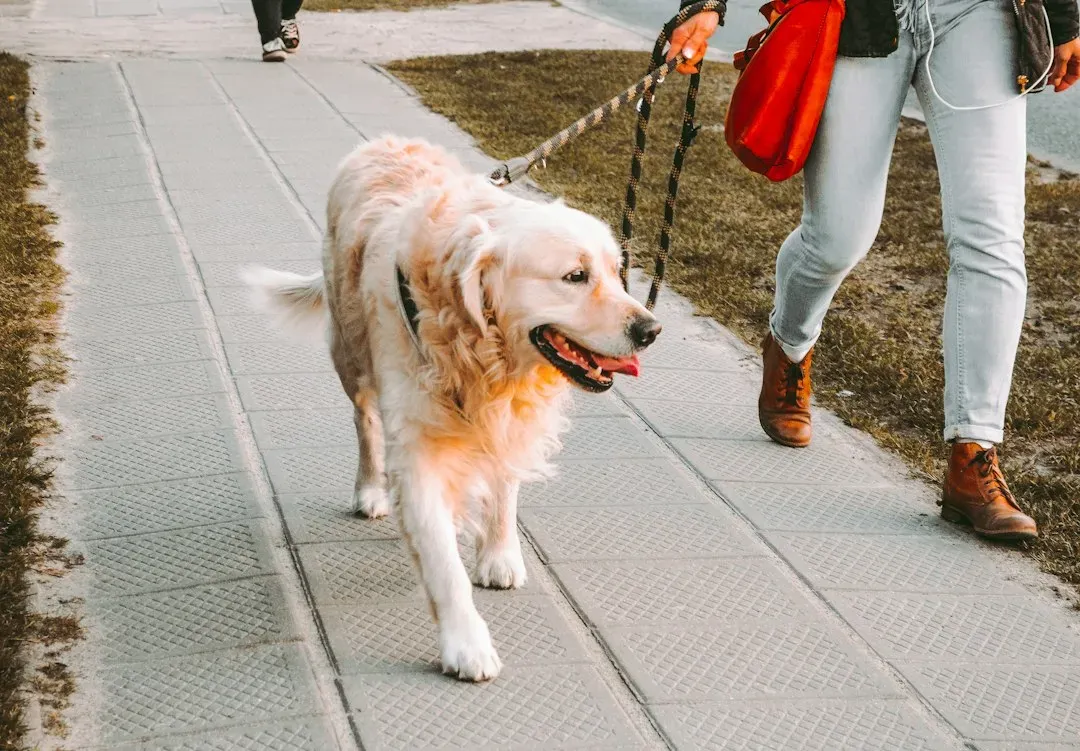
The most common guideline is roughly 30 to 60 minutes of gentle, low impact activity a day. Most senior dogs do well on 30 to 60 minutes of gentle activity a day, usually split into two or three shorter outings rather than one long one.
That figure is a starting point, not a rule. The right amount depends on breed, size, and health, so let your dog set the pace and watch how they recover the next morning. Recovery is the best test you have.
Why Age Alone Isn’t a Reason to Stop
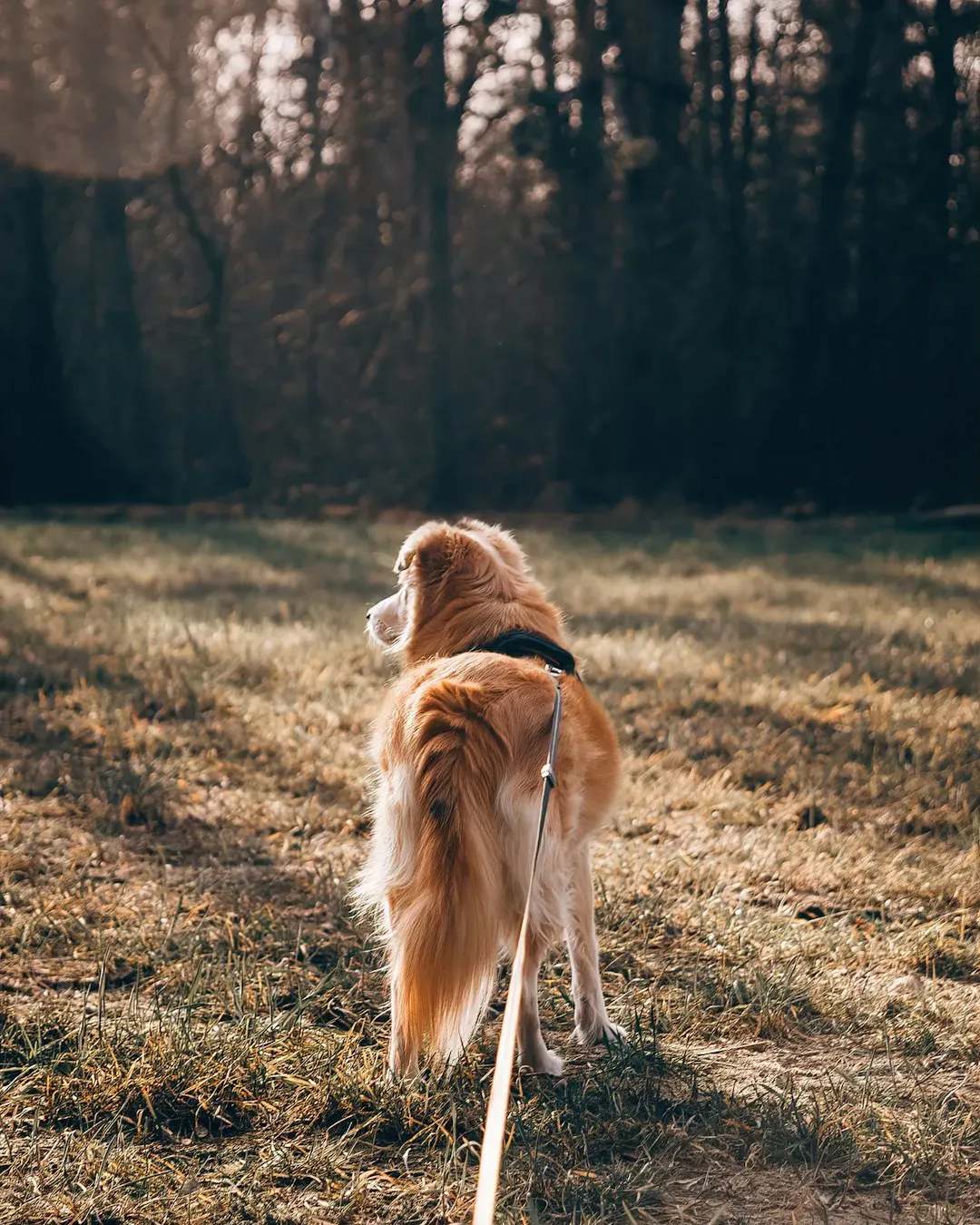
Slowing down is normal, but cutting exercise too far can backfire. Age alone isn’t a reason to stop exercising. Less movement often means stiffer joints and extra weight.
Weight matters because it adds load to joints that are already aging. Senior dogs are more prone to weight gain, which puts dangerous stress on aging joints. Regular walks help break that cycle.
When Is a Dog Actually Considered Senior?
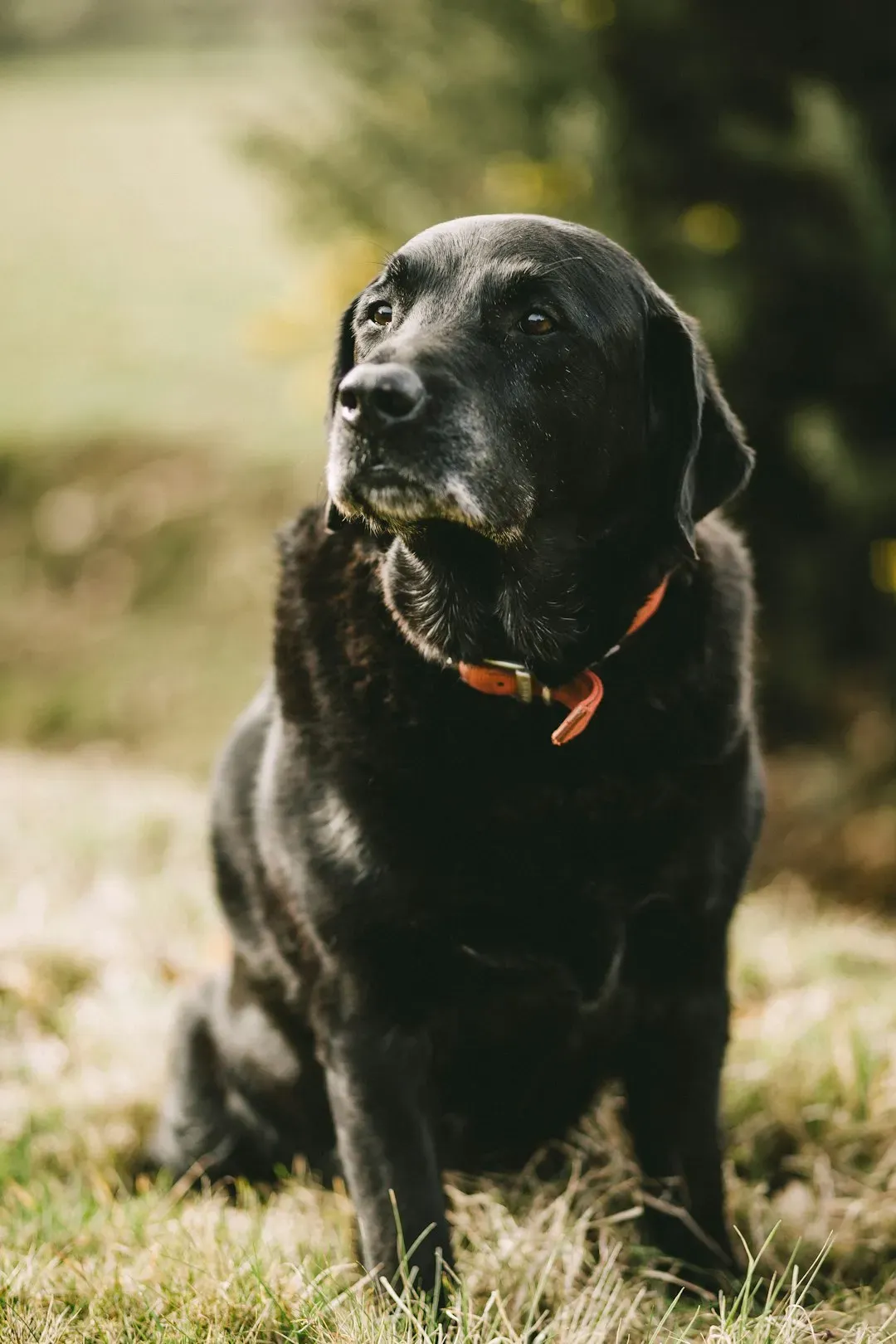
The label depends on size. Large and giant breeds are often called senior from around 6 to 7 years, medium dogs from about 8 to 9, and small breeds not until 10 to 11. A seven year old Great Dane and a seven year old Chihuahua are at very different life stages.
Because of that, a single age cutoff for slowing down doesn’t work well. Your vet can place your dog on that timeline using breed and overall health. That conversation is worth having at the next checkup.
Short Sessions Beat One Long Walk
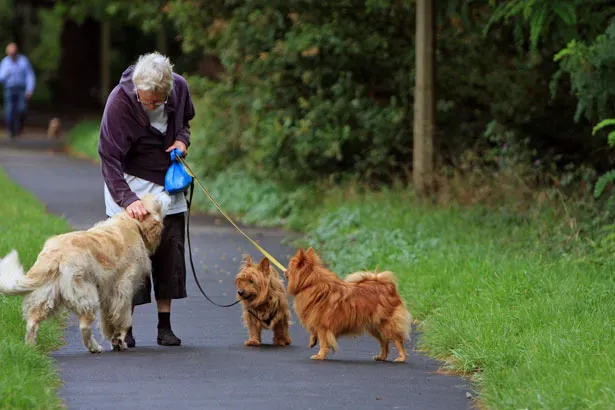
Splitting activity up is one of the most practical changes you can make. One guide suggests 10 to 15 minutes in the morning, 10 minutes in the afternoon, and 20 to 30 minutes in the evening as a schedule that often works well.
Another source says the same thing in simpler terms: 10 to 20 minutes per session, two or three times a day, is generally safer and more enjoyable than one long 60 minute walk. Shorter outings reduce fatigue and keep muscles and joints warm and moving.
What Vets Say About Arthritis and Exercise
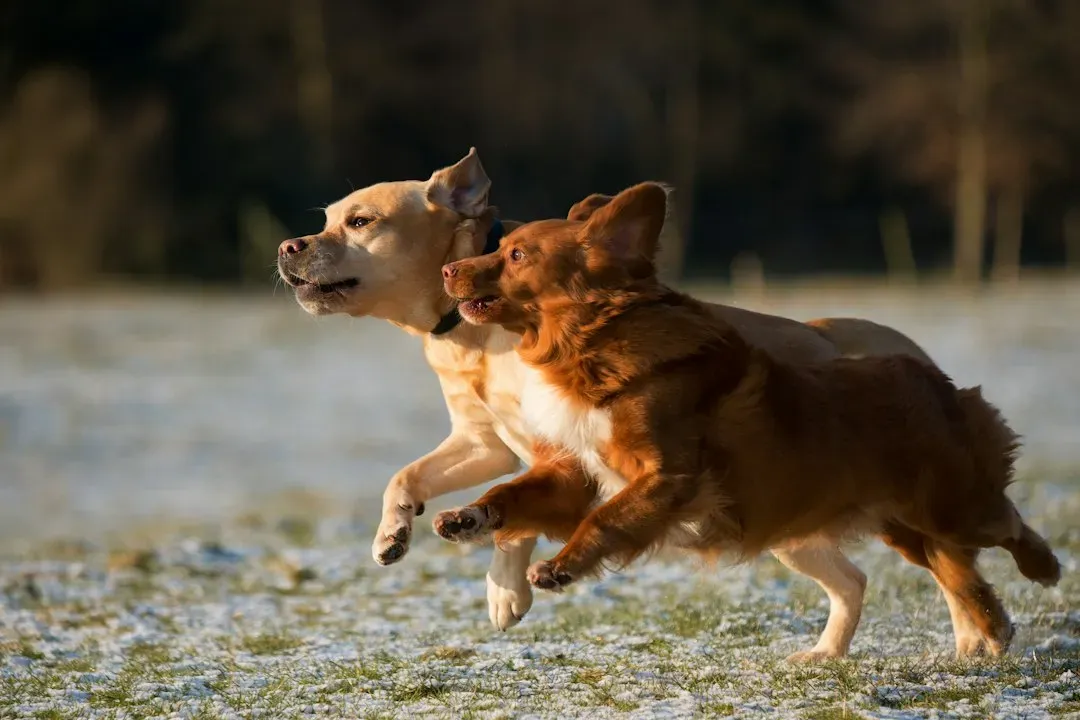
Many owners worry that walking will make arthritis worse. Many pet owners worry that walking will worsen their dog’s arthritis, but the opposite is often true when done correctly. Gentle walking helps keep joints mobile and muscles engaged.
The word “gentle” matters here. If your dog has signs of arthritis or joint disease, you should be careful about exercises or play activities that include fast movements and turns. Skip the sharp pivots of fetch and favor steady, predictable movement.
The Best Types of Activity for Older Dogs
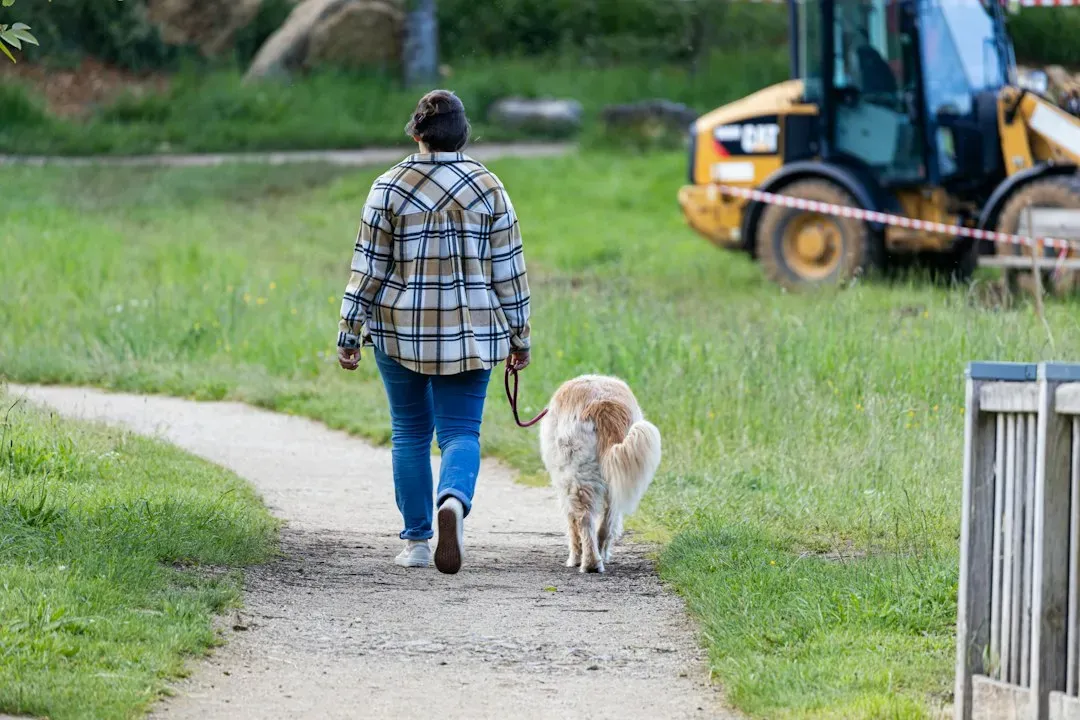
Flat, steady walking is the foundation. For senior dogs, walking on flat surfaces with good traction is typically the safest and most beneficial type of activity. Soft grass or packed dirt is kinder than hot asphalt or slick concrete.
Swimming is a popular addition where it’s safe and your vet approves. One source calls it a full body workout with zero impact on the joints. Sniff walks add mental work with very little physical strain.
Building Up Without Overdoing It
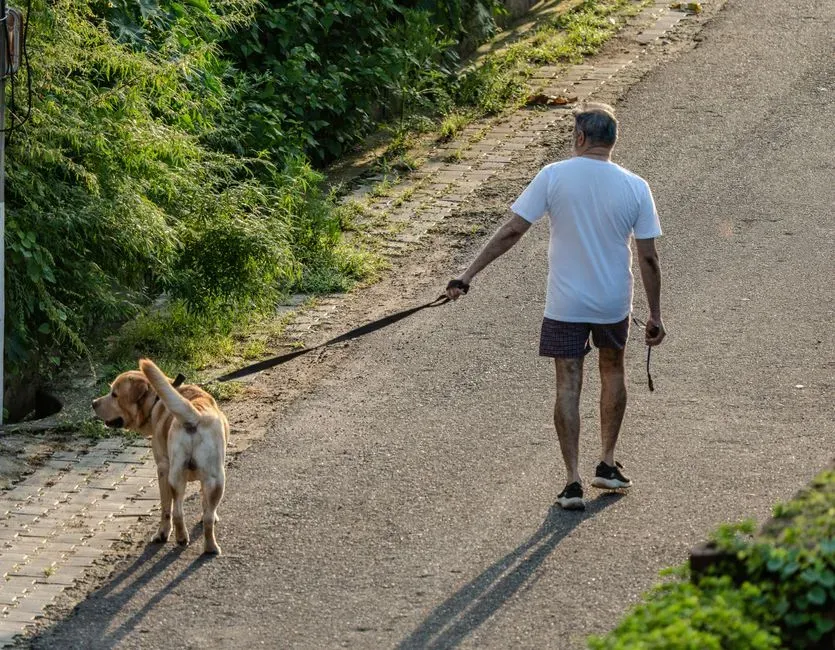
If you want to increase activity, go slowly. When attempting to increase your senior dog’s exercise, try doing it in 5 minute intervals per day. A dog walking 15 minutes could move to 20 for a couple of days, then 25 if there’s no sign of pain.
Pain is the signal to back off. If they do show symptoms of pain, rest them for one day and go back to the last interval that was comfortable for them. Getting your vet’s clearance before starting is also sensible, especially for dogs with known health problems.
Signs Your Dog Is Doing Too Much or Too Little

Overexertion shows up in visible ways. A veterinarian quoted by Newsweek described heavy panting, limping, or lagging behind during a walk as clear signs of fatigue. Stiffness that lingers afterward is another warning.
Too little activity looks different. Inactive canines may appear restless or gain weight. One rehabilitation focused guide also suggests stopping and calling your vet if new limping or stiffness lingers past 24 hours.
Exercise for the Mind Counts Too
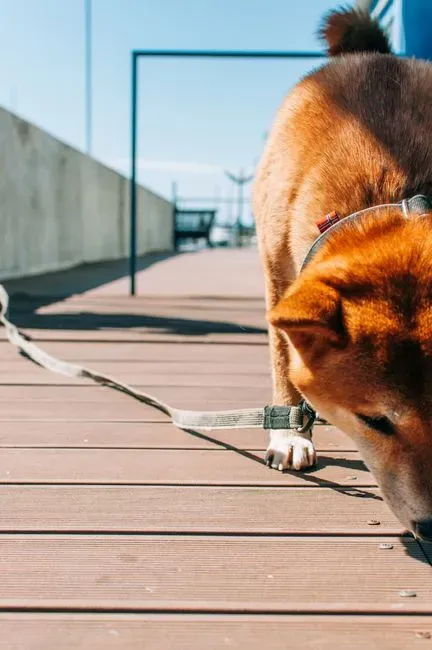
Physical effort is only half the picture. According to Newsweek’s reporting on veterinary advice, mental enrichment becomes just as helpful for aging canines as physical movement. Puzzle feeders, scent games and training refreshers all count.
Sniffing is an easy place to start. One guide describes sniff walks as mentally exhausting and fulfilling while asking little of the body. Letting your dog stop and investigate can be as valuable as the distance covered.
Final Thoughts
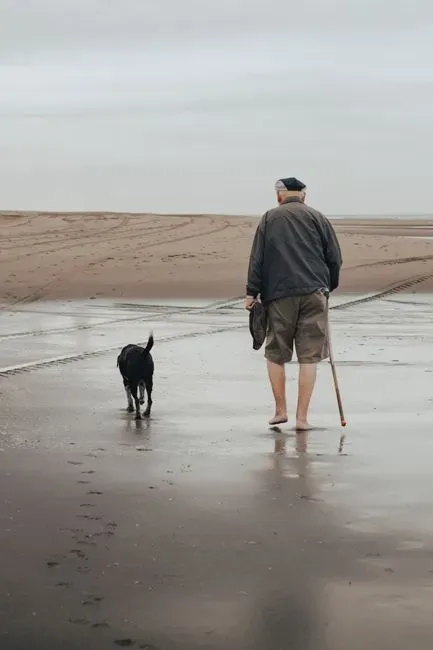
Most senior dogs do best with about 30 to 60 minutes of gentle movement daily, divided into short outings and paced by the dog. Breed, size, arthritis and fitness history can move that number up or down. Your vet can help tune it to your dog.





Leave a Reply