
Opening the fridge and finding that last night’s dinner has taken on a dull, grey appearance is one of those moments that instantly sparks doubt. Is it ruined? Should you throw it away? Is it still safe to eat? Most people have been there, staring into a container of leftover chicken or a packet of ground beef, not quite sure what the color is actually telling them.
The honest answer is more nuanced than a simple yes or no. Grey food in the fridge can mean several different things depending on what the food is, how it was stored, and how long it has been sitting there. Food scientists and nutritionists point to a handful of well-understood processes, and understanding them can save you from unnecessarily tossing perfectly edible food or, importantly, eating something you really shouldn’t.
The Role of Myoglobin: Why Meat Changes Color
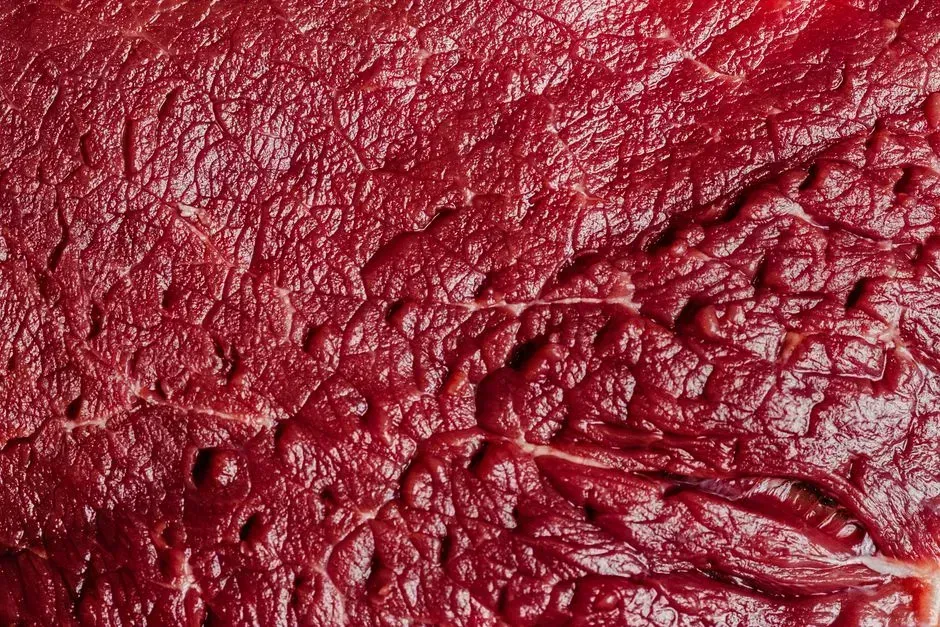
Fresh ground beef should be red since it contains oxymyoglobin, a color created when a protein called myoglobin combines with oxygen. This is the bright, appealing red that signals freshness at the supermarket. It’s a chemical reaction, not a fixed state, which is why the color continues to shift during refrigeration.
Iron is a component of myoglobin’s chemical structure, and iron will oxidize after a few days of exposure to oxygen. As a result, metmyoglobin is produced, which is what causes the flesh to become greyer. Myoglobin actually has three color states: purple, red, and grey or brown. The transition between them is driven by chemistry, not contamination.
Grey on the Outside vs. Grey on the Inside
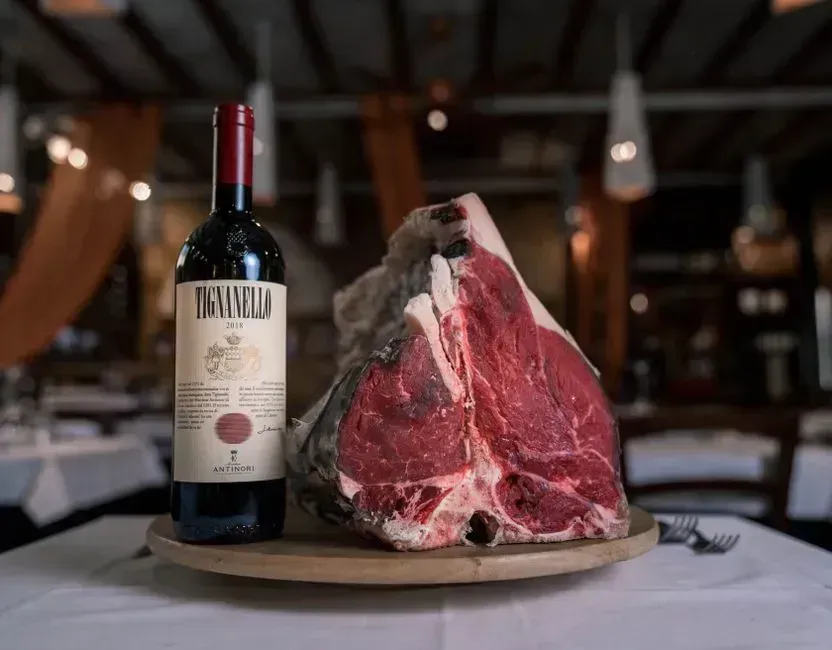
Oxygen from the air reacts with meat pigments to form a bright red color, which is usually seen on the surface of ground beef purchased in the supermarket. The interior of the meat may be greyish-brown due to the lack of oxygen penetrating below the surface. This distinction matters considerably when deciding whether to cook or discard.
Sometimes you’ll get beef that’s grey in the center, but more often than not it’s simply an indication that oxygen was unable to reach the inside of the meat. The New South Wales Food Authority explains that a larger surface area means minced meat is more likely to turn grey than whole cuts. So a grey interior in a dense piece of meat is not inherently alarming.
When Grey Means Spoilage and When It Doesn’t
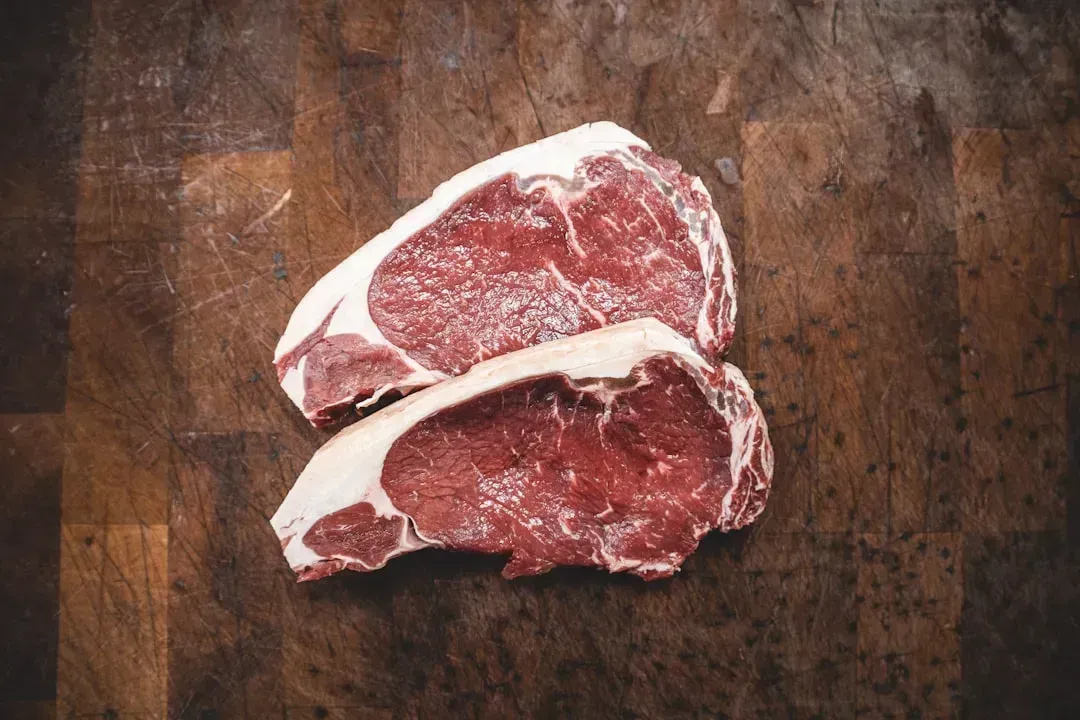
Grey steak is often safe, as the color change is due to oxidation, not spoilage. The key is to always evaluate smell, texture, and visual signs. After extended storage, the grey-brown color is a sign of spoilage only if the meat is also sticky to the touch, smells bad, and develops a clear goo on the meat’s surface. Color alone is simply not a reliable final verdict.
If your grey meat smells sour and feels slimy or sticky, it’s probably past time to throw it out. Spoiled ground beef will have a pungent, putrid smell, while ground beef that is safe to eat typically has little to no perceptible smell. Trust your nose and your fingertips at least as much as your eyes.
How Long Storage Time Actually Affects the Color
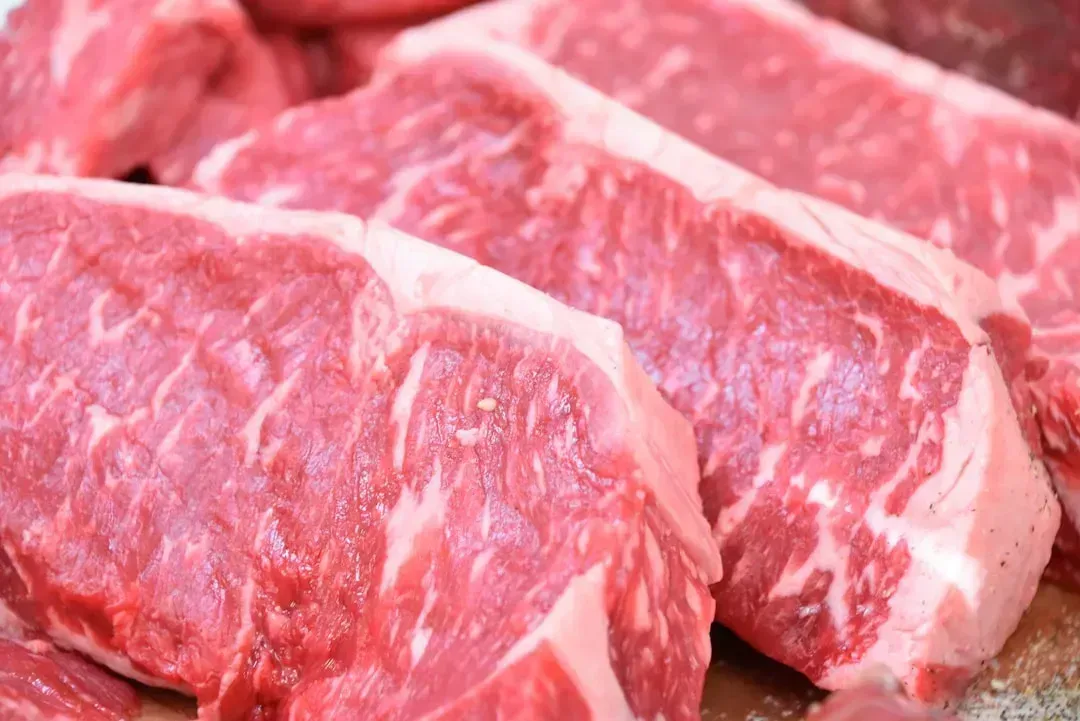
After about 15 minutes of exposure to the air, meat turns the bright red color familiar in the butcher case. After about five days in the fridge, the outside will turn grey. This is a predictable biological timeline, not a random event. Knowing this helps frame what you’re seeing in context.
Raw meat stored in the coldest parts of a refrigerator between 39 and 40 degrees Fahrenheit stays fresh for three to five days after purchase. Ground meat only keeps for one to two days. The faster the turnover, the less likely you’ll be dealing with grey color at all. Minced meat is simply more vulnerable because of its surface area.
What Happens With Cooked Leftovers
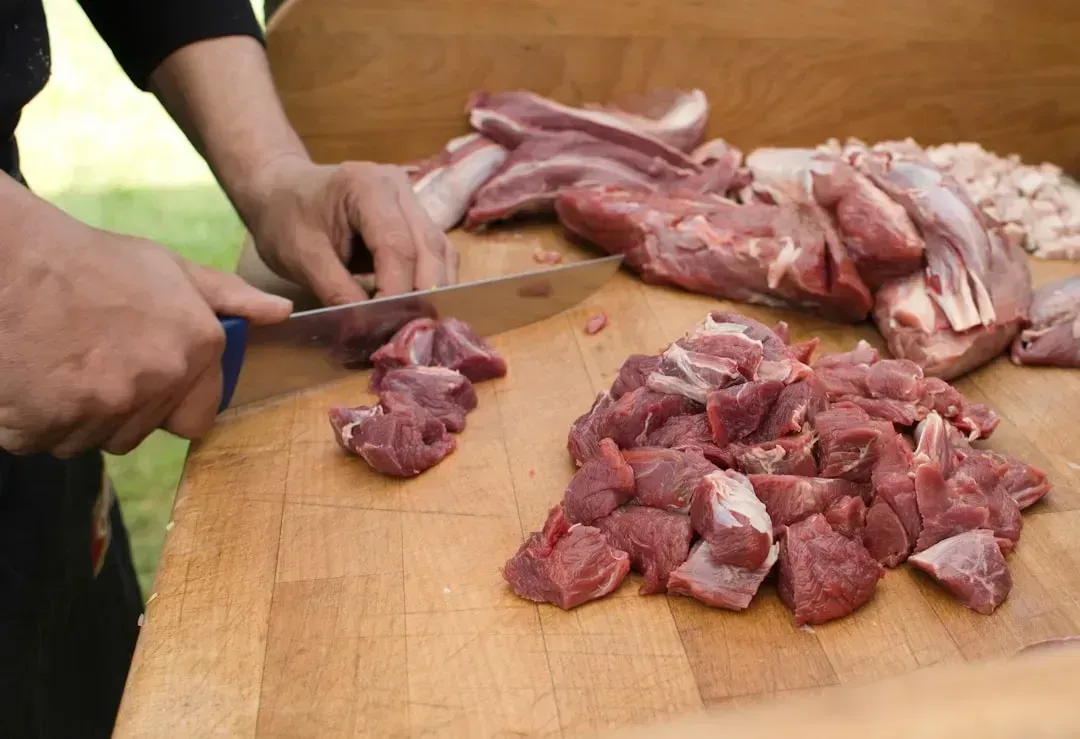
Cooked vegetables last around three to seven days in the fridge, while cooked meats are good for about four days. When cooked food takes on a grey appearance after a couple of days, it’s often the result of continued oxidation in the container. The same chemical processes don’t stop just because the food has been cooked.
Spoilage signs in leftovers include bubbles, discoloration, slimy texture, and bad odors, and these indicators mean the food should not be consumed. The food may look fine after four days, but it’s worth keeping in mind that there are some pathogens in foods that you can’t see, smell, or taste that can contaminate food and cause serious illness. Grey coloring in older leftovers deserves a more cautious approach than the same color in freshly stored raw meat.
The Enzyme Story: Why Vegetables Go Grey Too
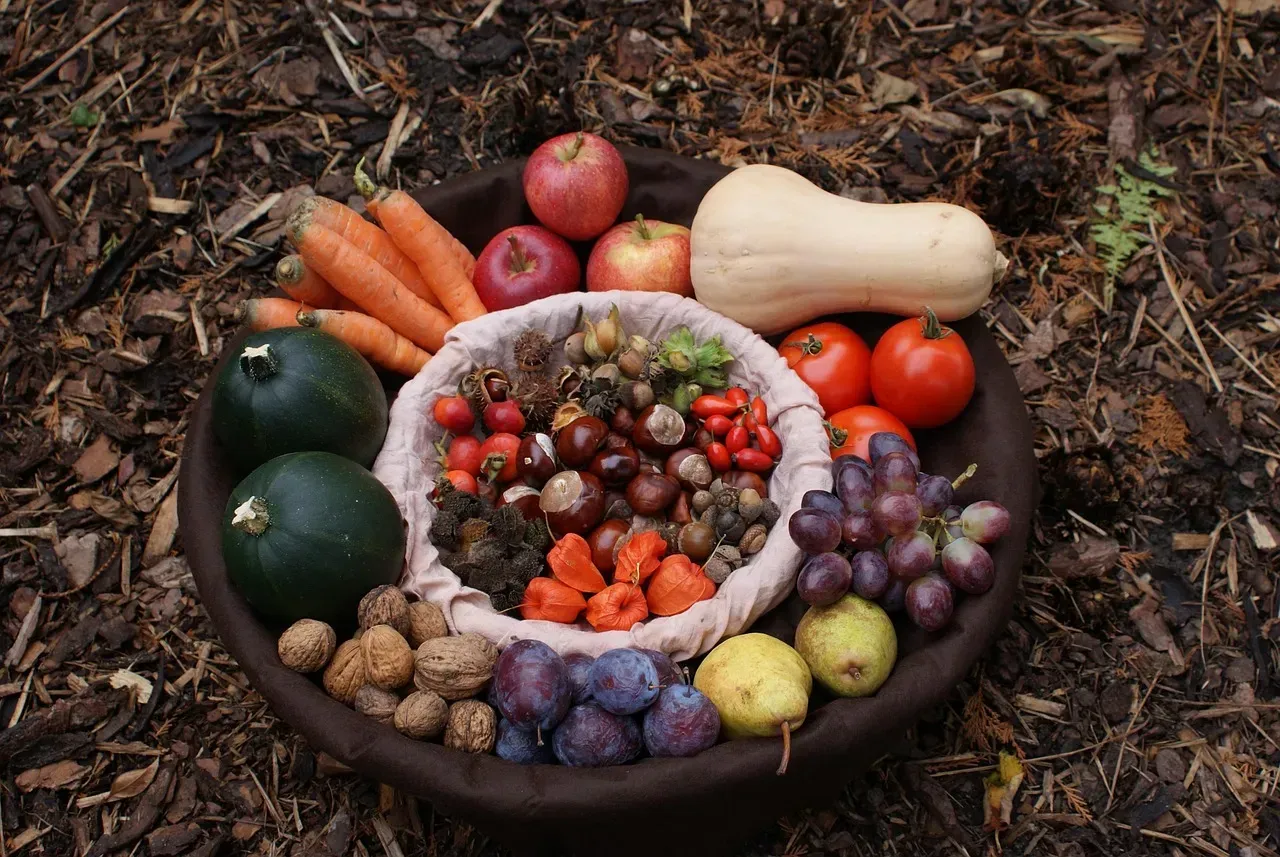
Browning and discoloration in vegetables is caused by enzymes, specifically polyphenol oxidase, that continue working inside fruits and vegetables even after harvest. Left unchecked, these enzymes degrade color, flavor, texture, and nutritional value. In cold storage, the process slows but does not stop entirely, which is why cut vegetables gradually lose their vivid green or white appearance.
When plant tissue is cut, bruised, or otherwise damaged, polyphenol oxidase comes into contact with phenolic substrates and atmospheric oxygen. It oxidizes these phenols into quinones, which then polymerize rapidly into brown or grey-colored melanin pigments. This is the same process that turns a sliced apple brown, just playing out more slowly in the cold of the fridge.
The Temperature Factor: Why Fridge Settings Matter More Than You Think

Storage at 0 degrees Celsius minimizes discoloration during display compared with storage at higher temperatures. Longer storage times at the lower temperature did not increase discoloration, whereas prolonged storage at warmer fridge settings decreased color stability. In practical terms, a fridge running warmer than it should be is accelerating the visual decay of your food.
When minced meat is stored at temperatures between 0 and 4 degrees Celsius, the growth of harmful bacteria such as E. coli and Salmonella is inhibited, helping to maintain the freshness and quality of the meat. However, if the meat is stored at higher temperatures, bacteria can multiply rapidly, leading to spoilage and potential health risks. Your refrigerator should be between 36 and 38 degrees Fahrenheit to ensure food stays below the 40-degree threshold.
Deli Meats and Cured Foods Behave Differently
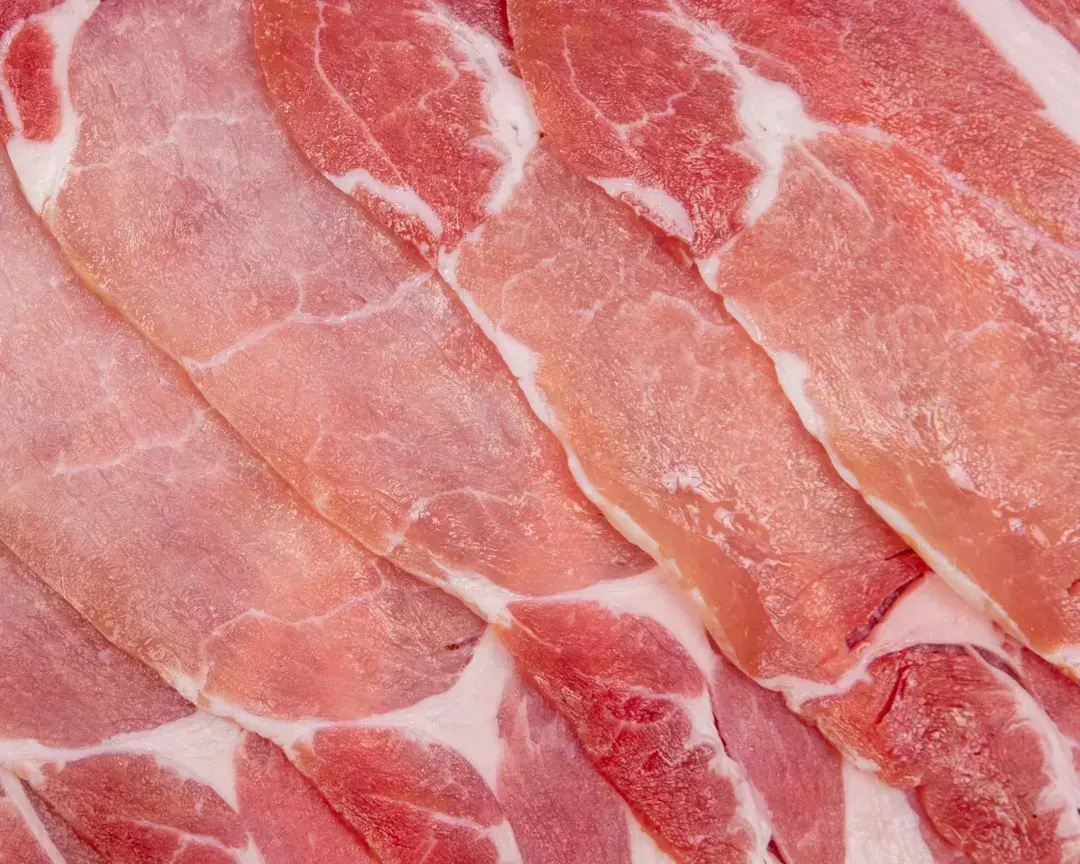
Because deli meats are cured, their chemical structures are changed. After this happens, they are more likely to change color after coming into contact with oxygen or light. This means grey deli meat can turn up faster than you’d expect with fresh cuts, and it doesn’t automatically indicate a problem with the product itself.
Be sure to keep roast beef and deli meat in the coldest part of your refrigerator. Freshly sliced roast beef from the deli should be eaten within five days, and pre-packaged items should be consumed within five days of opening. Just like with any meat, color change alone does not indicate spoilage. Check for other changes in smell or a slimy feel, and only throw it away if you notice another change.
How to Store Food to Reduce Greyness in the First Place

Proper storage is vital in maintaining the freshness of minced meat. When stored in airtight containers or sealed packages, exposure to oxygen is limited, reducing the potential for oxidative processes that result in discoloration. The less exposure to air, the slower the color will shift. It’s one of the simplest and most overlooked steps in everyday food storage.
Using aluminum foil, freezer paper, or bags marked as freezer-safe will prevent grey patches, known as freezer burn, from drying out your meat. Get cooked meat into the fridge within two hours of cooking. If the room is hot, refrigerate within one hour. Speed and sealed packaging are the two pillars of keeping food looking and staying its best.
What the Senses Tell You That Color Cannot
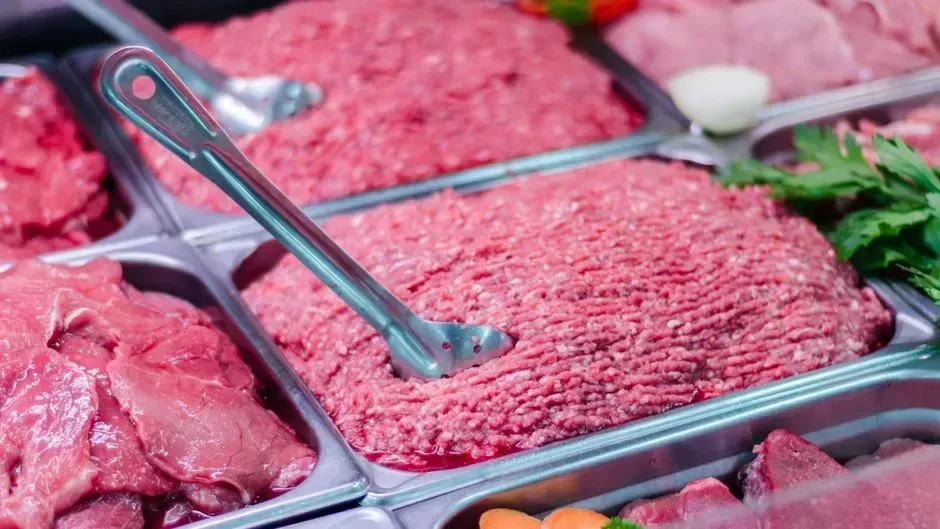
To figure out if raw ground beef is safe to eat, use all of your senses as well as your common sense. The color may be the first thing you notice, but it tends to be the least informative signal on its own. Texture and smell carry far more weight in any honest assessment of food safety.
Fresh ground beef should have a relatively firm consistency that breaks apart when you squeeze it. A sticky or slimy texture, either when cooked or raw, may indicate the presence of spoilage bacteria, and you should toss it immediately. Although grey meat doesn’t always indicate spoilage, you should always play it safe and be sure to employ all of your senses before tossing it out. A grey tint with a neutral smell and a firm texture tells a very different story than a grey tint paired with an off odor and a slick surface.
Grey food in the fridge is one of those things that looks worse than it usually is, but occasionally is a genuine warning. The science is actually fairly straightforward once you understand what’s driving the color change. Oxidation and enzyme activity are natural and largely harmless processes. Bacterial spoilage is the real concern, and that’s something your nose and fingers will usually catch before your eyes do.

Leave a Reply