
My grandmother has a way of pausing mid-sentence when she talks about the 1960s, like she’s stepping back into a kitchen that no longer exists. Last month, over coffee, she started listing habits from her childhood home, the kind of small routines nobody thought to write down because everyone just did them. Some made me laugh, others made me realize how much daily life has quietly changed in sixty years.
None of these habits were dramatic or newsworthy at the time. They were just how households ran, shaped by tighter budgets, fewer appliances, and a different relationship with time itself. Here’s what she remembered, one by one.
1. Sunday was for the “big cook”

She described Sunday as the one day the whole family sat down together, usually around midday, for a roast dinner that took most of the morning to prepare. Meat was often the most expensive item on the shopping list, so a proper roast was treated as a small event rather than a routine meal. Leftovers were carefully stretched into weekday meals like sandwiches, soups, or pies, nothing was wasted.
This tradition wasn’t unique to her family. Sunday roasts were a widespread fixture of British and American households through the 1960s, tied closely to church schedules and the idea of a shared family pause before the working week resumed. The ritual slowly faded as more households shifted to smaller, faster meals during the following decades.
2. Milk delivered to the doorstep
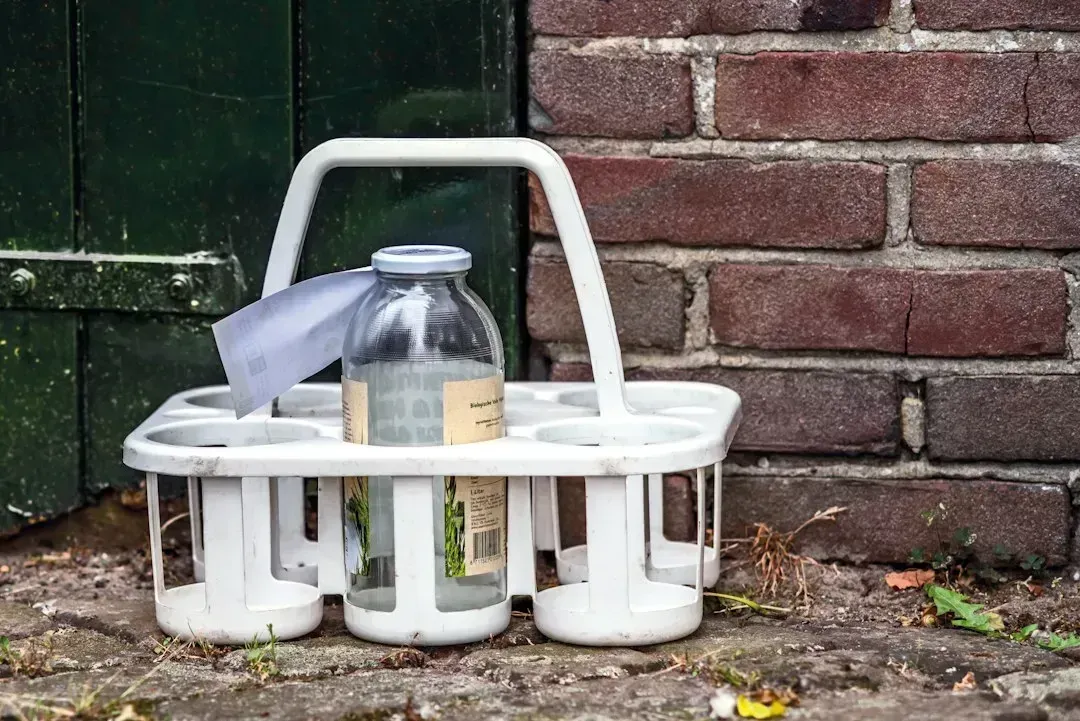
Every morning, glass milk bottles appeared on the step, delivered by a milkman who often knew every family on the street by name. My grandmother remembers rinsing the empty bottles and leaving them out again for collection, a small daily loop that felt automatic. It was one of the last widespread home delivery systems before supermarkets took over grocery shopping almost entirely.
Milk delivery slowly declined through the 1970s and 1980s as refrigeration became more common and larger grocery stores made bulk buying easier. A few services still exist today in parts of the UK, though they’re a niche choice rather than the default.
3. Ironing everything, including sheets
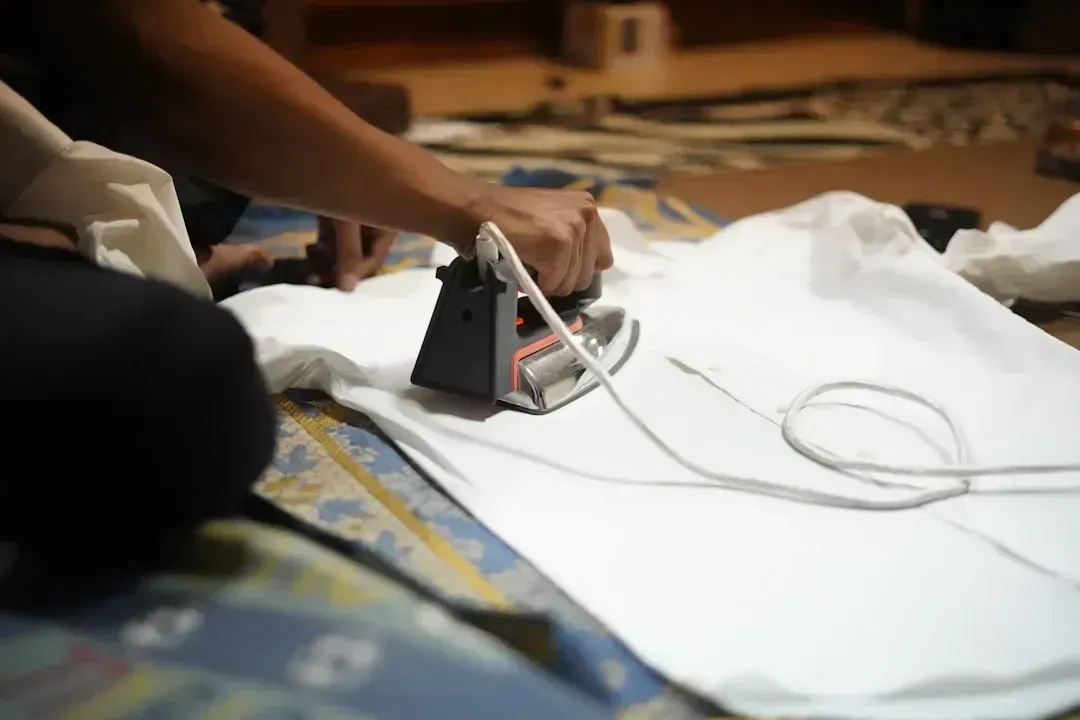
She laughed when she mentioned this one, saying her mother ironed pillowcases, sheets, and even tea towels, not just clothing. Fabric care was more labor intensive overall, since wrinkle-resistant synthetic blends weren’t yet common in most households. Ironing day was often its own separate task, done with a heavy iron heated without today’s steam or auto-shutoff features.
This habit reflected a broader standard of household presentation at the time, where a tidy, pressed home was considered a visible marker of good housekeeping. As fabric technology improved and lifestyles sped up, ironing became something many people now reserve only for special items.
4. One phone for the whole house
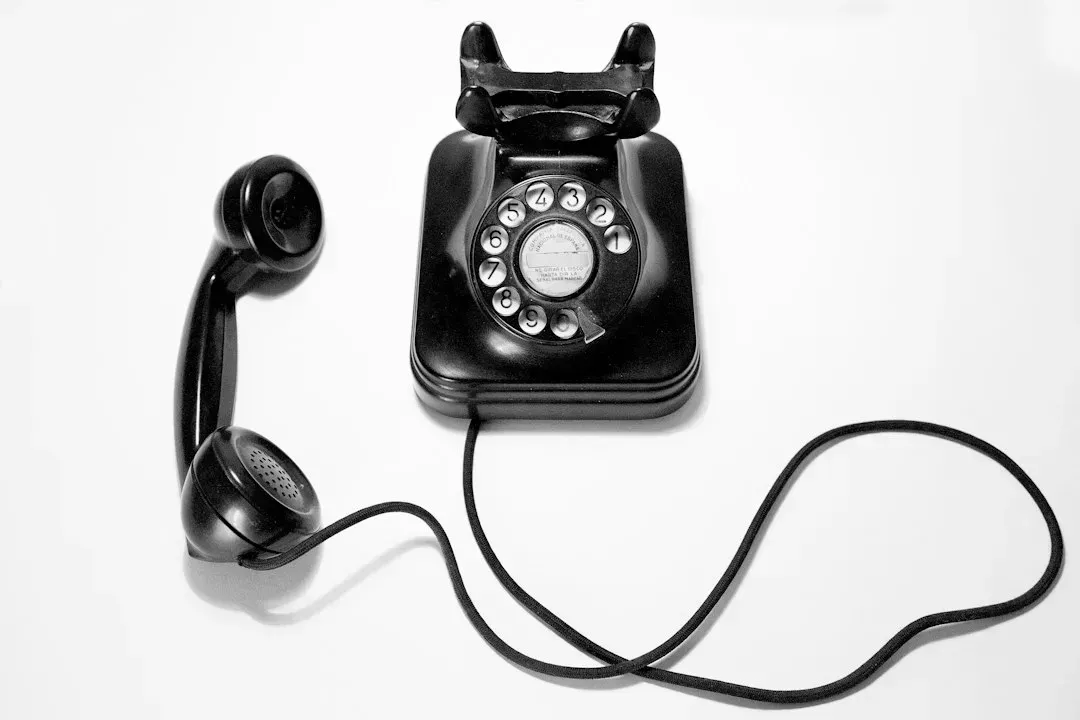
A single telephone, often mounted in a hallway, served the entire household and sometimes multiple neighboring families shared a party line. Calls were treated as events, not casual check-ins, partly because long-distance calls were expensive and billed by the minute. My grandmother remembers a strict rule about keeping calls short so the line stayed free for others.
Home telephone culture in the 1960s emphasized brevity and purpose, a sharp contrast to today’s constant connectivity. It’s a detail that highlights just how differently communication was rationed before mobile phones existed.
5. Coal or wood heating in many rooms
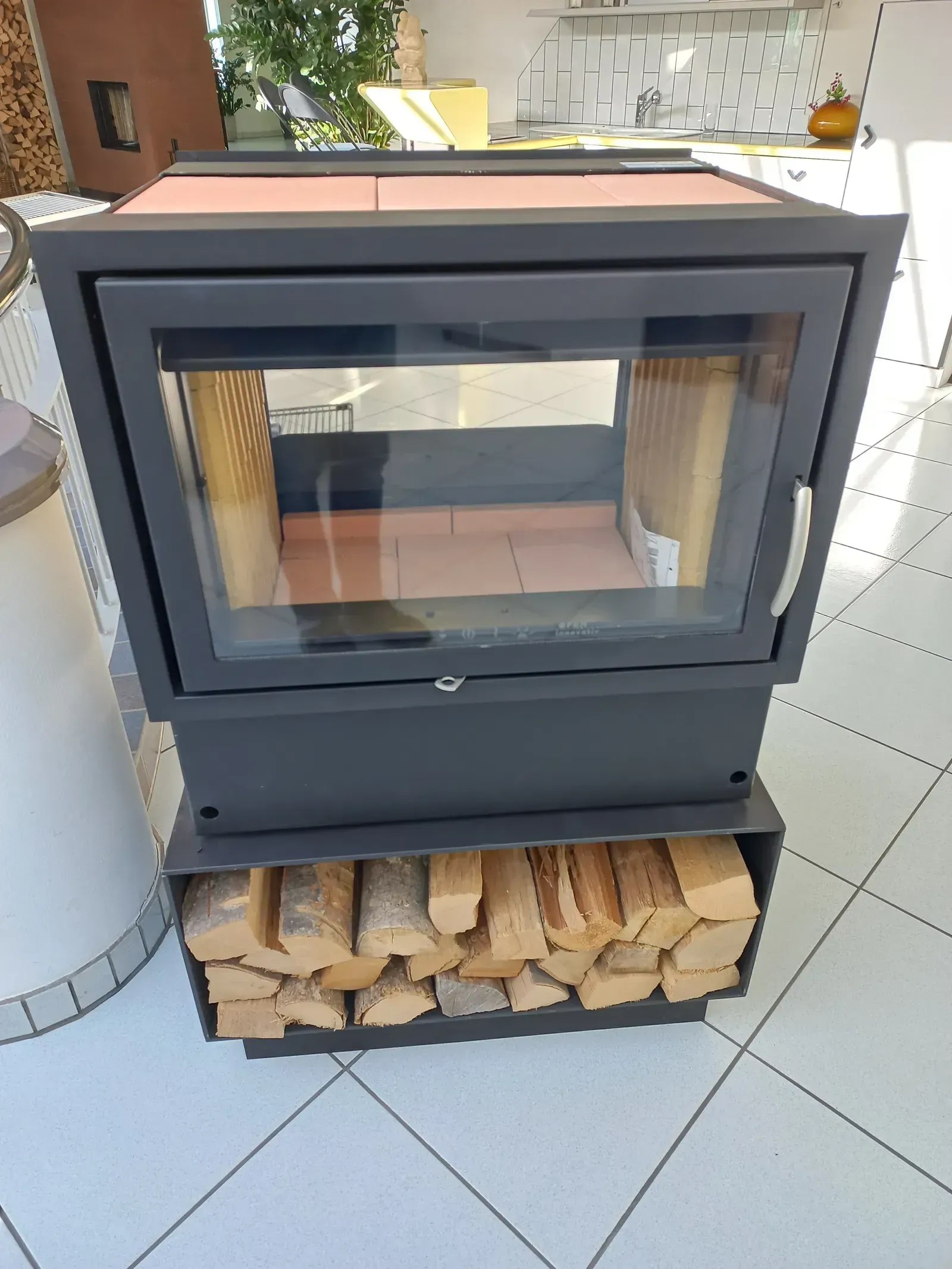
Central heating wasn’t standard in most homes yet, so families relied on coal fires or wood stoves to heat individual rooms. She remembers waking up to a cold bedroom and rushing downstairs to the one warm room in the house. Cleaning out ash and restocking fuel was a regular chore, often done early in the morning before anyone else was up.
Widespread central heating adoption in the UK and much of the US didn’t really accelerate until the 1970s and 1980s. For much of the 1960s, staying warm required active daily effort rather than a thermostat setting.
6. Homemade cleaning solutions

Commercial cleaning products existed, but many households still relied on vinegar, baking soda, and simple soap for most cleaning tasks. My grandmother remembers her mother mixing her own furniture polish and window cleaner from ingredients already in the pantry. It wasn’t viewed as a lifestyle choice back then, it was simply the practical and affordable option.
This approach has seen a modest resurgence recently as more people look for lower cost or less chemical heavy alternatives. Still, today’s version is often framed as a deliberate eco-conscious decision, whereas in the 1960s it was mostly about stretching a household budget.
7. Mending clothes instead of replacing them
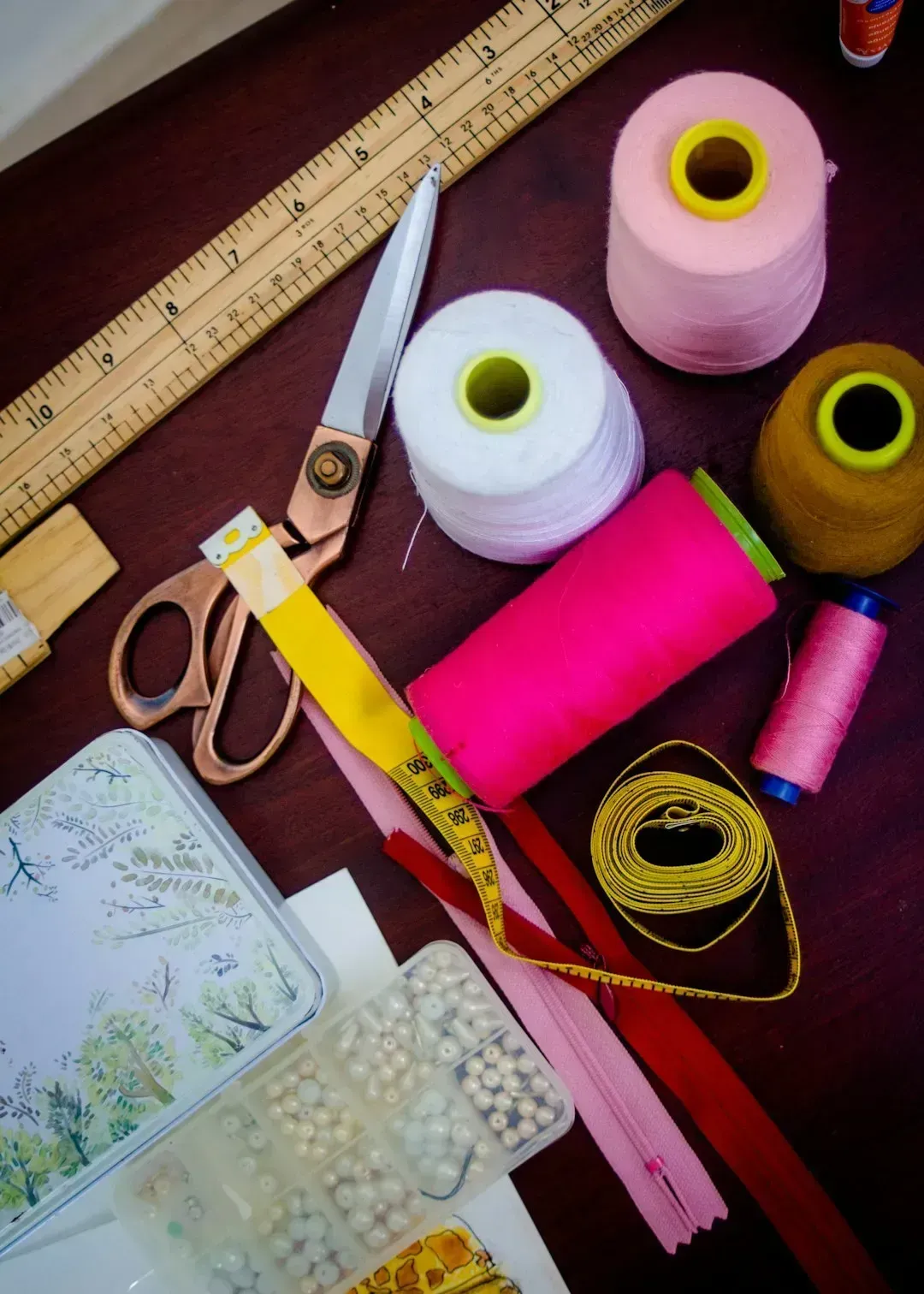
Sewing kits were a staple in nearly every home, and mending torn clothes, replacing buttons, or patching knees was an expected skill rather than an occasional hobby. My grandmother says she learned to darn socks before she learned to ride a bike. Clothing was more expensive relative to income, so extending its life made practical sense.
Fast fashion and cheaper manufacturing eventually shifted consumer habits toward replacement over repair. The mending mindset she describes has recently gained renewed interest through slower fashion movements, though it remains far less common as a daily household skill.
8. Grocery shopping almost daily

Without large refrigerators or freezers, many households shopped for food in smaller amounts more frequently, sometimes daily. My grandmother remembers walking to the local butcher, baker, and greengrocer separately, since supermarkets carrying everything under one roof weren’t yet universal. Trust with local shopkeepers mattered because credit and informal tabs were common in smaller communities.
The rise of supermarket chains through the late 1960s and 1970s gradually replaced this pattern with weekly or biweekly bulk shopping trips. Refrigeration improvements were a major driver of that shift, allowing households to store perishable food for longer stretches.
9. Writing letters as the main way to stay in touch
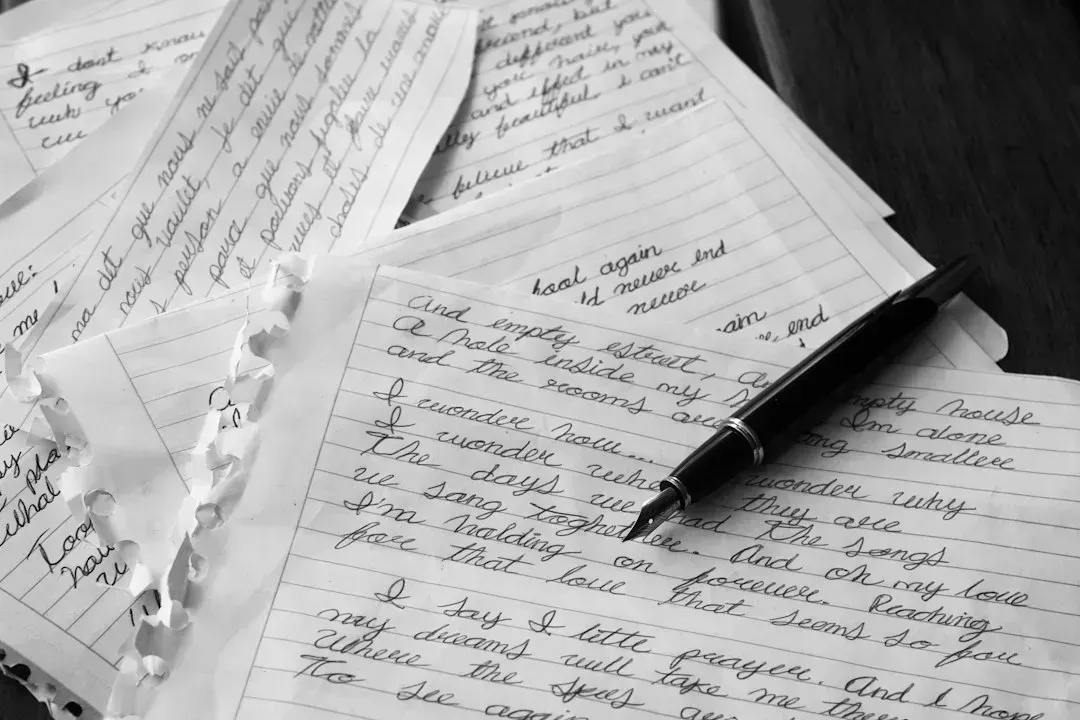
For anyone living even a modest distance away, letters were the primary way families and friends kept up with each other’s lives. My grandmother mentioned writing to her cousins every few weeks and waiting patiently for a reply that might take days to arrive. Postage was inexpensive enough that regular letter writing was accessible to most households, unlike long-distance phone calls.
This habit shaped a slower, more deliberate style of communication compared to today’s instant messaging. It also meant news, good or bad, often arrived later than people would have liked, something almost unimaginable in the smartphone era.
How many felt familiar?
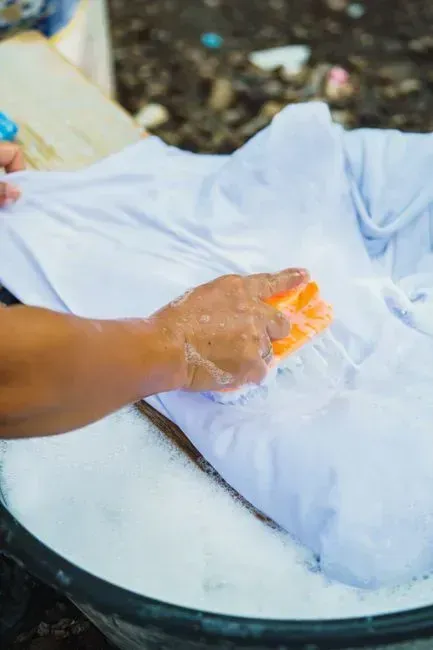
Listening to her go through these nine habits, what struck me most wasn’t nostalgia, it was how much daily friction has simply disappeared from modern life. Tasks that once required real time and physical effort, heating a room, washing clothes, calling a friend, are now automated or nearly instant. It’s not necessarily better or worse, just different.
If a few of these rang a bell, whether from your own memory or a parent’s stories, that’s a small thread connecting generations. Households change quietly, one convenience at a time, and stories like hers are often the only record of what came before.





Leave a Reply