
Venice, Italy
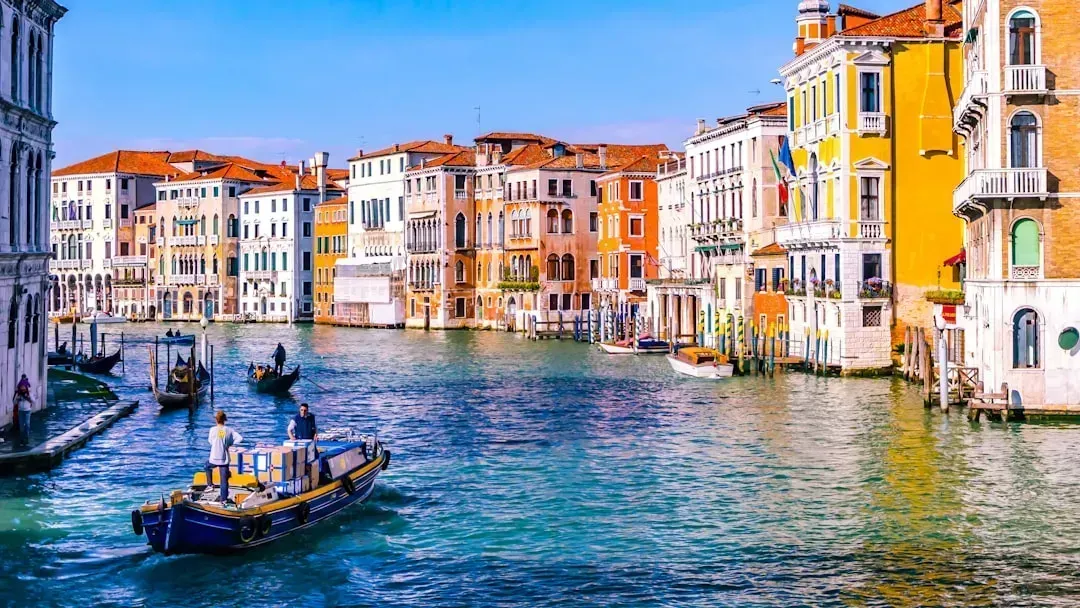
Venice has become the poster child for overtourism, and the numbers explain why. In 2023 alone the city recorded 5.7 million visitors with peak days seeing more than 80,000 arrivals, against a historic centre population of fewer than 50,000 residents. That kind of imbalance, dozens of tourists for every local, is hard to sustain in a city built on narrow bridges and even narrower patience.
The city’s answer has been a day-tripper access fee, first trialed in 2024 and now a fixture of the calendar. For 2026, travellers entering Venice on selected high-demand dates between April and July have been required to pay either 5 or 10 euros depending on booking timing. Yet the fee has struggled to actually thin the crowds. Officials have noted that even with the charge in place, a single day can still draw 80,000 visitors, proof that the current system isn’t working as intended, which is why the city’s new mayor has floated raising peak-day fees as high as 50 euros.
Barcelona, Spain
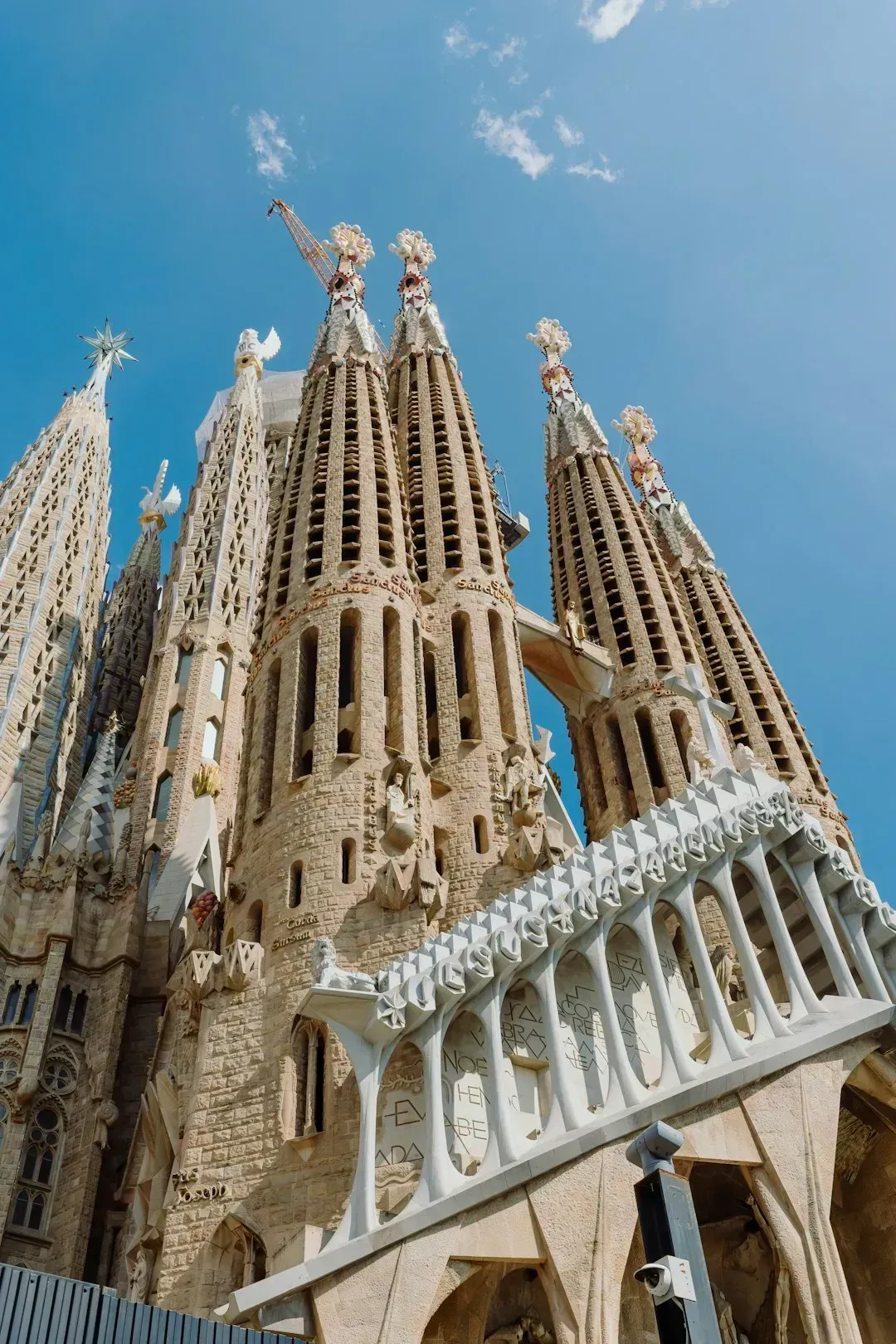
Barcelona’s overtourism problem looks less like a seasonal spike and more like a permanent condition of the city’s daily rhythm. Barcelona is the most visible hotspot in Spain, where daily overcrowding in central districts has led to rising tension between residents and tourism activity, with housing markets also under pressure as short-term rentals reduce availability for local people. Locals have not stayed quiet about it either.
Protests over the past two years have targeted the tourism industry directly, sometimes in ways that made international headlines. In 2025, locals protested across Spain against overtourism, from the Balearics to Barcelona, with key boxes sabotaged, a common sight in cities with many short-term rentals on sites like Airbnb. The city government has responded with one of Europe’s most aggressive rental crackdowns, aiming to phase out short-term rentals in Barcelona entirely by 2028, alongside new limits on cruise ship arrivals into the harbor.
Santorini and Mykonos, Greece
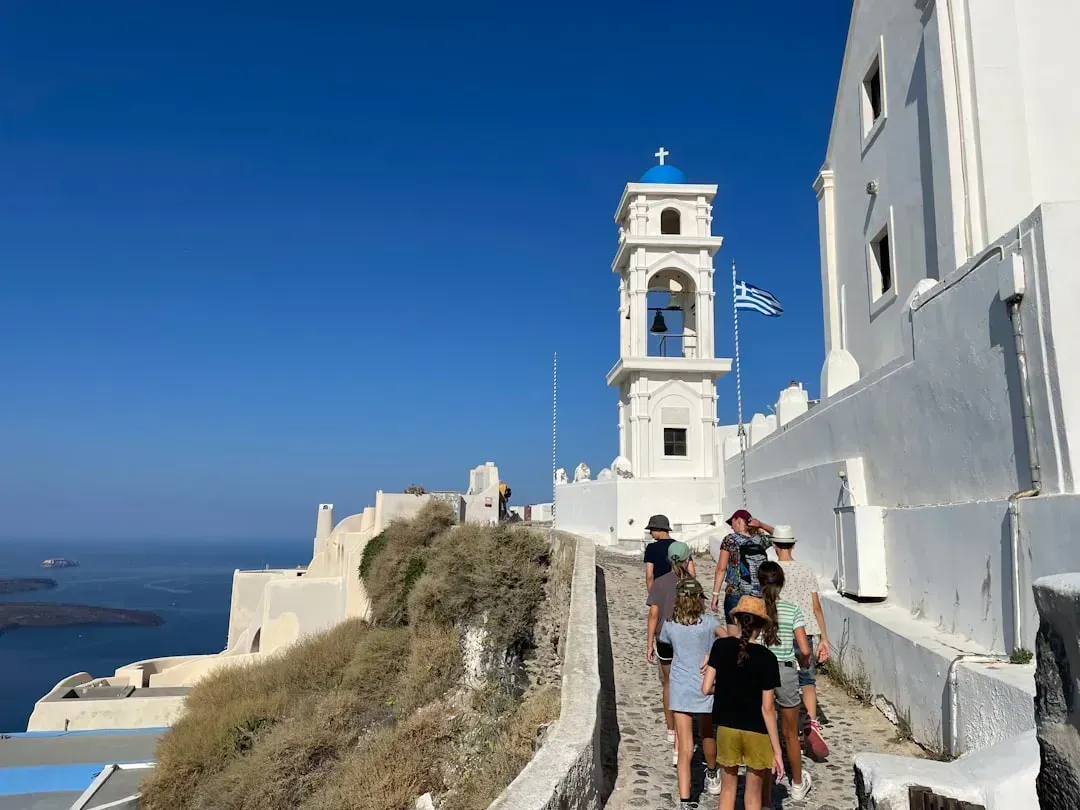
Few places illustrate the physical limits of a small landmass better than Santorini. At the height of the crisis, the island was recording 3.4 million annual visitors on just 76 square kilometers, with single-day cruise peaks of 17,000 passengers and a tourist density roughly 56 times higher than Crete. On the ground, that meant, as locals put it at the time, an island where it was difficult to walk without bumping into someone. Greek authorities have since introduced one of the most specific caps anywhere in Europe. A daily Santorini cruise passenger cap of 8,000 people came alongside a tiered levy of up to 20 euros per person, now fully in force for 2026 to ease congestion in Oia and Fira while funding infrastructure improvements. The rules tightened further this year, since the slot calculation changed from 80 percent of a vessel’s stated passenger capacity to 100 percent, effectively reducing the number of ships that can call on any given day. Mykonos, its nightlife-driven neighbor, faces similar pressure and now shares the same top-tier cruise fee.
Dubrovnik, Croatia
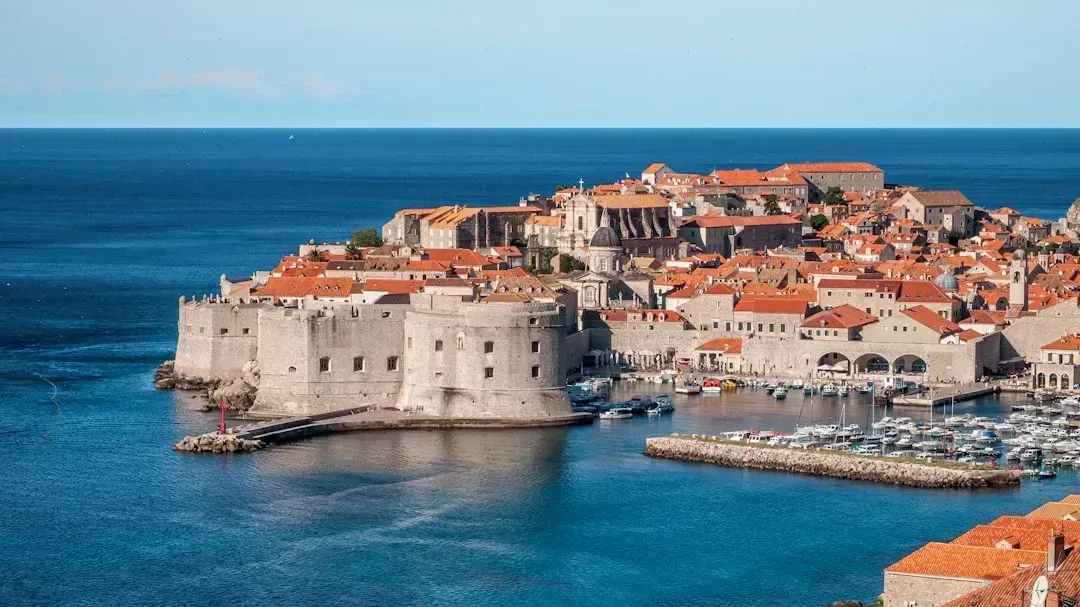
Dubrovnik’s problem is one of scale mismatch. The medieval walled city was never designed for mass tourism, yet it has become one of the Adriatic’s biggest cruise stops. This UNESCO World Heritage site on Croatia’s Dalmatian coast has seen tourist numbers far outstrip its resident population, with reports indicating visitors reaching more than 36 tourists per local annually.
Cruise ships bear a large share of the blame, since day-trippers pack the Old Town’s stone streets without spending much locally. Cruise ships in particular have contributed to spikes in day-trippers who arrive in large numbers but do not necessarily contribute substantially to the local economy, and the influx has strained local services, driven up living costs, and prompted authorities to explore visitor caps and management strategies. Dubrovnik has also joined the wider regional trend of freezing new holiday apartment licenses to slow the conversion of housing into short-term rentals.
Amsterdam, Netherlands
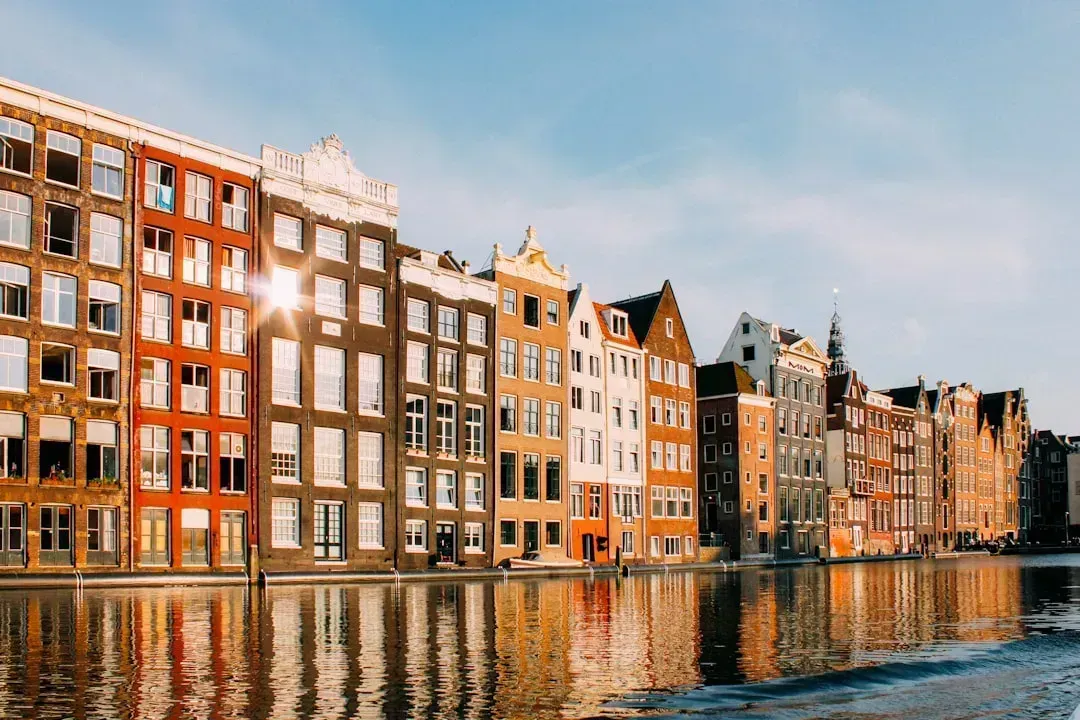
Amsterdam’s canals and gabled houses were never meant to absorb the volume of visitors they now see, and the city has responded with some of the continent’s clearest numerical limits. Beginning in 2026, the city restricts ocean cruise ship visits to 100 per year as part of a wider initiative to reduce congestion, forming part of a longer-term plan targeting the complete removal of large ocean cruise ships by 2035.
The city has paired that cruise cap with financial pressure on overnight stays. Amsterdam’s tourism tax, already the highest tourism tax in Europe at 12.5 percent of a room price, became even more expensive in January 2026, when the Dutch national VAT rate on hotel accommodation rose from 9 percent to 21 percent, bringing the combined tax burden to around 33.5 percent. City officials have been candid that the goal is not simply revenue but a genuine reduction in visitor numbers, with a formal hotel development freeze now leaving the city’s active hotel pipeline nearly empty.
Athens and the Acropolis, Greece

The Acropolis presents a different kind of crowding problem, one concentrated on a single, fragile hilltop rather than spread across an entire city. Ancient stone paths that have survived millennia were never built to handle modern tourist volumes arriving all at once, particularly during the punishing heat of a Mediterranean summer.
Greek authorities addressed this directly by imposing a firm ceiling on how many people can enter per day. Athens has imposed a strict 20,000 daily visitor cap at the Acropolis, part of a broader 2026 push that has seen the city coordinate with Venice, Barcelona, Amsterdam, and Florence on overtourism policy. The cap forces visitors to book specific time slots rather than simply showing up, spreading crowds more evenly across the day and giving the monument’s ancient surfaces a bit of a breather.
What This Means for Travelers





Leave a Reply